Project management is the art of turning ideas into reality by planning, organizing, and guiding work to meet clear goals. It blends people, processes, and tools so teams can deliver on time, on budget, and with quality. Master these basics and watch your projects thrive.
Key Takeaways
- Definition: Project management coordinates tasks, people, and resources to achieve a specific outcome.
- Phases: Initiation, planning, execution, monitoring, and closing keep projects on track.
- Methodologies: Agile, Waterfall, and hybrid approaches suit different project types.
- Tools: Software like Jira, Asana, and Monday.com streamline collaboration.
- Roles: A project manager leads, while the team contributes expertise.
- Risk Management: Identifying and mitigating risks prevents costly surprises.
- Metrics: KPIs such as scope, schedule, cost, and quality measure success.
📑 Table of Contents
- Introduction: Why Project Management Matters
- 1. The Core Definition of Project Management
- 2. The Five Phases of Project Management
- 3. Popular Project Management Methodologies
- 4. Essential Tools for Modern Project Management
- 5. The Role of the Project Manager
- 6. Practical Tips to Boost Project Success
- Conclusion: Bringing It All Together
Introduction: Why Project Management Matters
Imagine you have a brilliant idea for a new SaaS product. You gather a talented team, secure funding, and start building. Without a clear roadmap, the effort can quickly become chaotic—missed deadlines, budget overruns, and frustrated teammates are common pitfalls. That’s where project management steps in.
Project management isn’t just a buzzword; it’s a proven discipline that helps you turn vision into reality. Whether you’re launching a startup, adding a feature to an existing platform, or coordinating a cross‑functional rollout, the same fundamental principles apply.
1. The Core Definition of Project Management
What Is Project Management?
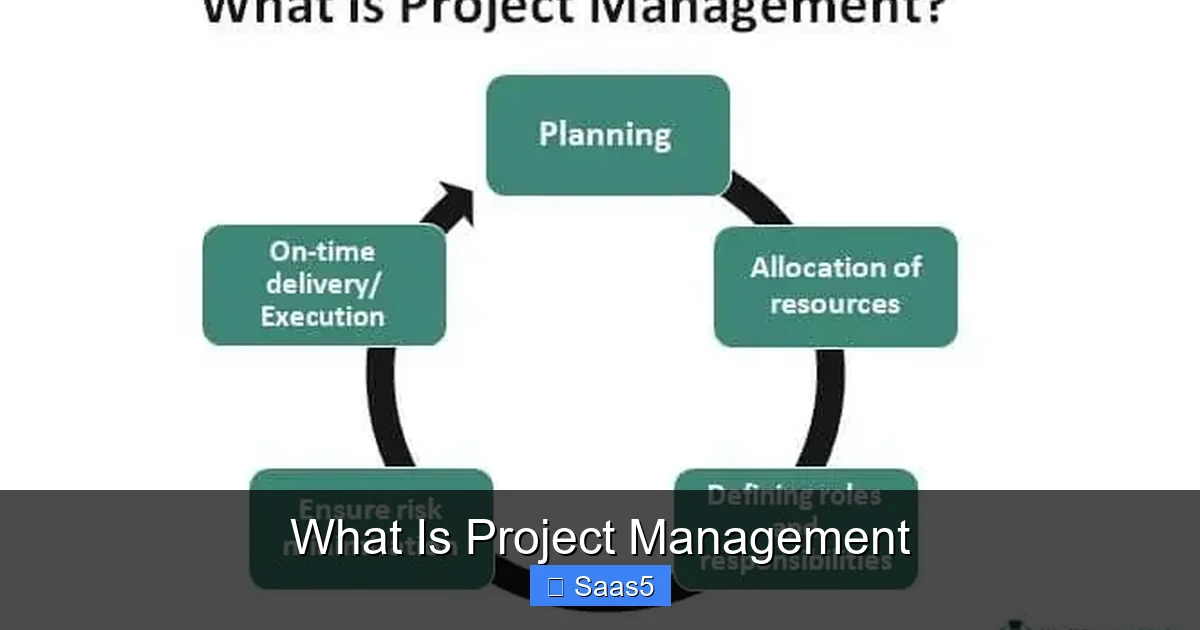
At its heart, what is project management answered simply: it is the systematic planning, execution, and control of a temporary endeavor to achieve a unique product, service, or result. The “temporary” nature means every project has a defined start and end date.

Visual guide about What Is Project Management
Image source: mlflex.com
Key Elements
- Scope: What will be delivered?
- Time: When will it be delivered?
- Cost: How much will it cost?
- Quality: What standards must be met?
Balancing these constraints is the daily job of a project manager.
2. The Five Phases of Project Management
Initiation
This is where you ask, “Is this worth doing?” You create a project charter, identify stakeholders, and define high‑level objectives. A solid charter acts like a north star for the whole team.

Visual guide about What Is Project Management
Image source: gymcrafter.com
Planning
Planning is the most detailed phase. You break the work down into work‑packages (a Work Breakdown Structure), set a realistic schedule, allocate resources, and draft a risk register. Tools such as Gantt charts or Kanban boards become very useful.
Execution
Now the team gets to work. The project manager facilitates communication, removes obstacles, and ensures everyone follows the plan. Daily stand‑ups, sprint reviews, or status meetings keep momentum.
Monitoring & Controlling
While execution happens, you must track progress. Compare actual performance against the baseline using KPIs like earned value, schedule variance, and defect rates. Adjustments are made here to keep the project on track.
Closing
When the deliverable is accepted, you close the project. Conduct a post‑mortem, document lessons learned, release resources, and celebrate success. A proper close ensures knowledge is retained for future projects.
3. Popular Project Management Methodologies
Waterfall
Waterfall follows a linear sequence—each phase must finish before the next begins. It works well for projects with fixed requirements, such as compliance‑driven software.
Visual guide about What Is Project Management
Image source: wallstreetmojo.com
Agile
Agile embraces change. Work is divided into short sprints, and the product evolves through continuous feedback. Scrum and Kanban are the most common Agile frameworks.
Hybrid
Many SaaS teams blend Waterfall’s structure with Agile’s flexibility. For example, they may use Waterfall for high‑level planning and Agile for development cycles.
4. Essential Tools for Modern Project Management
Collaboration Platforms
Tools like SaaS environments themselves often include built‑in project modules. Outside of that, popular choices include:
- Jira: Ideal for Agile teams tracking issues and sprints.
- Asana: Great for visual task management and timelines.
- Monday.com: Flexible boards for any workflow.
Communication
Slack, Microsoft Teams, or Zoom keep conversations flowing, especially for remote teams.
Documentation
Confluence, Notion, or Google Workspace centralize specs, meeting notes, and decisions.
5. The Role of the Project Manager
Leadership vs. Management
A project manager leads by influence, not authority. They inspire the team, resolve conflicts, and make tough trade‑off decisions.
Core Skills
- Communication: Clear, concise updates prevent misunderstandings.
- Negotiation: Balancing stakeholder expectations with realistic constraints.
- Risk Awareness: Proactively spotting and mitigating threats.
- Analytical Thinking: Interpreting data to guide decisions.
Career Path
Many project managers start as developers, designers, or analysts and grow into leadership roles. Certifications like PMP or Scrum Master add credibility.
6. Practical Tips to Boost Project Success
Start with a Clear Vision
Write a concise project vision statement. It should answer who, what, why, and how. This keeps everyone aligned.
Define Success Metrics Early
Choose measurable KPIs—e.g., “launch MVP within 12 weeks” or “maintain ≤ 2% defect rate.” Track them weekly.
Use a Simple Communication Cadence
Daily 15‑minute stand‑ups, weekly stakeholder demos, and a monthly risk review are enough for most SaaS projects.
Embrace Change Wisely
Change is inevitable. Use a change control board to evaluate impact before approving scope adjustments.
Invest in Team Morale
Recognize achievements, provide learning opportunities, and keep workloads realistic. Happy teams deliver better results.
Leverage Internal Resources
Understanding the cost structure of your SaaS product helps set realistic budgets. See what is a reasonable cost of sales for a SaaS product for budgeting insights.
Conclusion: Bringing It All Together
Now you know what is project management in plain language: a disciplined approach to turning ideas into finished, valuable outcomes. By mastering the five phases, picking the right methodology, using modern tools, and honing your leadership skills, you can guide any project—from a tiny feature tweak to a full‑scale SaaS launch—to success. Remember, the core of project management is people; keep communication clear, expectations realistic, and celebrate each milestone. Your next project is waiting—go lead it with confidence!
Frequently Asked Questions
What are the main phases of project management?
The five phases are initiation, planning, execution, monitoring & controlling, and closing. Each phase has specific deliverables that keep the project on track.
Is Agile the only methodology for SaaS projects?
No. While Agile is popular for its flexibility, Waterfall or hybrid approaches can be better for projects with fixed requirements or regulatory constraints.
Do I need expensive software to manage projects?
Not necessarily. Free tools like Trello or basic versions of Asana work for small teams. As projects grow, investing in robust platforms like Jira can improve visibility.
How does a project manager differ from a product manager?
A project manager focuses on delivering a project on time, within scope and budget. A product manager concentrates on market fit, user needs, and the product’s long‑term vision.
What is the best way to handle scope creep?
Use a change control process: assess impact, get stakeholder approval, and adjust the schedule or budget accordingly.
Can project management improve employee satisfaction?
Yes. Clear goals, regular communication, and recognition of achievements create a transparent environment where teams feel valued and motivated.