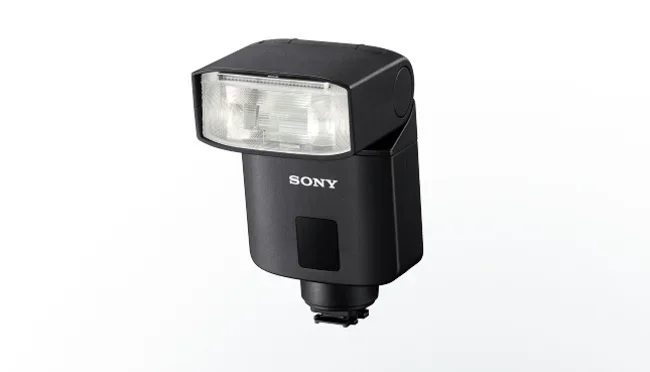
Meike Mk320s Ttl Speedlite Flash for Sony Nex Mirrorless Cameras
The Meike MK320S TTL speedlite flash is a compact, reliable lighting tool built specifically for Sony NEX mirrorless systems. It delivers fast TTL auto exposure, smooth wireless control, and a lightweight design that travels easily. If you want balanced indoor shots and better low-light results, this mirrorless flash makes a strong case for your gear bag.
Lighting changes everything. A small flash can turn a dim living room into a clean portrait space. It can also rescue a backlit family shot or add sparkle to a product photo. If you shoot with a Sony NEX mirrorless camera, you want a flash that is easy to carry, simple to use, and quick to respond. That is where the Meike MK320S TTL speedlite flash for Sony NEX mirrorless cameras fits in. It is a compact tool designed to give you reliable light without weighing down your kit.
Many new photographers avoid flash because it feels complicated. They worry about harsh shadows, flat looks, or confusing settings. The good news is that a TTL speedlite removes a lot of that guesswork. The camera and flash talk to each other. They measure the scene and adjust the light automatically. That means you can focus more on composition and less on manual power settings. In this guide, we will walk through what the MK320S offers, how to use it well, and which tricks help you get better results right away.
Key Takeaways
- Compact design: The MK320S is small, light, and easy to carry for everyday Sony NEX shoots.
- TTL automation: Automatic flash exposure helps you get consistent results without manual guesswork.
- Sony NEX compatibility: This speedlite is tailored for Sony NEX mirrorless cameras and related lens mounts.
- Wireless flexibility: Built-in wireless controls let you trigger and manage off-camera lighting with ease.
- Practical power: Rechargeable operation and efficient battery use support repeated shooting sessions.
- Soft light options: Bounce and diffuser techniques help soften harsh shadows for portraits and indoor events.
- Value pick: It offers core speedlite features at a friendly price for beginners and hobbyists.
📑 Table of Contents
- Why the Meike MK320S TTL Speedlite Flash Stands Out
- Sony NEX Compatibility and Mounting Basics
- Understanding TTL and Wireless Control
- Getting Better Light with Bounce and Diffusion
- Power, Batteries, and Field Practicality
- Practical Use Cases for the MK320S
- Common Mistakes and Quick Tips
- Final Thoughts on the Meike MK320S TTL Speedlite Flash
Why the Meike MK320S TTL Speedlite Flash Stands Out
Not every flash is built with the same goal in mind. Some are heavy studio tools. Others are tiny but limited. The Meike MK320S aims for a middle ground. It is small enough for daily carry, yet it still gives you the core features that matter most for mirrorless shooting. If you want a Sony NEX flash that feels practical instead of bulky, this one is worth a close look.
One of the first things people notice is the form factor. The unit is compact and straightforward. You can mount it on a hot shoe without throwing off the balance of your camera too much. That matters when you are moving through a home, a venue, or a street scene. A lighter flash also means less fatigue during long shoots. You will appreciate that when you are carrying extra lenses, batteries, and memory cards.
Another strength is the TTL approach. TTL stands for through the lens metering. In simple terms, the camera helps the flash decide how much light to fire. This is useful because scenes change fast. A subject moves closer. The background gets brighter. The room changes from warm to cool. TTL adjusts with you. If you are still learning flash, this feature can save you from a lot of trial and error.
The MK320S also keeps the control layout approachable. You do not need a steep learning curve just to get a decent exposure. That makes it a friendly option for beginners, families, and hobbyists. At the same time, it still gives you enough control to shape light when you want more creative results. That balance is one of the reasons this speedlite for Sony NEX systems has drawn attention.
Compact Build and Everyday Carry
A flash that stays at home is a flash you never use. Size and weight matter because they affect whether you actually bring the gear. The MK320S is designed to slip into a bag without taking over the whole space. It is easy to set up on the hot shoe and just as easy to remove when you want a cleaner profile.
For travel and family events, that convenience is a real advantage. You may start the day with natural light only. Then the room gets dark, or the party moves indoors. With a compact flash ready to go, you can adapt quickly. You do not need to stop and rebuild your setup. You just turn on the light and keep shooting.
TTL Automation for Faster Shooting
Manual flash can be fun, but it slows you down. You have to estimate distance, power, and exposure for every setup. TTL helps you move faster. The camera and flash work together to measure the scene and choose a flash output that fits the moment. This is especially helpful when your subject is moving or when the lighting is changing around you.
Think about a birthday gathering. People are laughing, moving, and sitting in different spots. A manual setup might force you to keep adjusting. TTL gives you more room to react. You can focus on expressions, timing, and framing while the flash handles much of the exposure work. That does not mean you lose creative control. It means you spend less time fiddling and more time making images.
Sony NEX Compatibility and Mounting Basics
Before buying any flash, it helps to confirm that it plays nicely with your camera. The Meike MK320S TTL speedlite flash for Sony NEX mirrorless cameras is made with that ecosystem in mind. It is designed to work with Sony NEX mirrorless bodies and the connections they use for flash control. That gives you a more integrated experience than trying to adapt a mismatched accessory.
Mounting is simple. You attach the flash to the hot shoe on top of the camera. Once it is locked in, the camera and flash can communicate through the proper interface. This is where TTL and wireless functions become possible. If you are new to flash, this is a good place to start because the setup is direct and familiar.
It is also smart to think about your lens choices. A small flash works well with many everyday lenses, especially when you are shooting indoors or at close range. If you often use wider lenses for group shots or environmental portraits, the flash can help fill shadows without overpowering the scene. If you use longer lenses, you may need to think more carefully about distance and positioning. Flash is not magic at long range, so planning matters.
Hot Shoe Setup and Alignment
A stable mount keeps your flash pointing where you expect. Make sure the foot of the flash sits securely in the hot shoe. If the connection feels loose, double-check the alignment before you start shooting. A quick check now can save you from missed opportunities later.
Also, think about the direction of light. A flash does not have to fire straight ahead all the time. You can tilt and swivel the head when the design allows it. That helps you bounce light off a ceiling or wall for a softer look. Even a small adjustment can change the mood of the image a lot.
Choosing the Right Lens for Flash Work
Lens choice changes how flash looks in the frame. A wider lens can capture more of the room and more of the bounced light. A longer lens can isolate your subject but may reduce the effective reach of a small flash. If you are shooting indoors, a moderate focal length is often a good starting point. It gives you enough flexibility without forcing you to stand too far away.
If you are learning flash, practice with the lens you use most often. That way, you learn how your usual setup behaves with the MK320S. You will get a better feel for distance, bounce, and exposure faster than if you keep switching gear every time.
Understanding TTL and Wireless Control
TTL is one of the biggest reasons people choose a modern speedlite. It makes flash exposure more automatic and more adaptable. Instead of setting a fixed power level and hoping for the best, the system evaluates the scene and adjusts the output. That is useful for portraits, events, and any situation where your subject is not staying still.
Wireless control adds another layer of freedom. With wireless triggering, you can fire the flash without a physical sync cord. That keeps your setup cleaner and gives you more ways to position the light. You can move the flash off-camera for more dramatic effects, or keep it on-camera for quick fill lighting. Either way, wireless control makes the process smoother.
The MK320S keeps these ideas practical. It is built around common shooting needs rather than complicated studio workflows. That does not make it less useful. It makes it easier to enjoy. If you are just getting comfortable with artificial light, this kind of simplicity can be a real advantage.
How TTL Helps in Real Shootings
Imagine you are photographing a child at a kitchen table. The child moves closer to the window, then farther away. The background brightness changes too. With TTL, the flash output can adapt as the distance and scene shift. You do not have to recalculate everything by hand. You can keep shooting and trust the system to help keep the exposure balanced.
This is also useful when you are filling in shadows outdoors. A little flash can lift faces under hats, brims, or bright sun. TTL helps the fill light stay proportional so the image still feels natural. The goal is not to blast the subject with light. The goal is to make the light support the scene.
Wireless Triggering Made Simple
Wireless flash does not have to be complex. At its best, it simply lets you fire the light without extra cables. That is handy when you want a cleaner setup or when a cable would get in the way. It also opens the door to basic off-camera experiments. You can place the flash to the side for more dimension, or use it as a subtle fill from a different angle.
Start with small changes. Move the flash a few feet to one side. Raise it a bit higher. See how the shadows shift. Small experiments teach you a lot. Once you understand the basics, you can build more advanced setups later if you want them.
Getting Better Light with Bounce and Diffusion
Direct flash can be harsh. It can create hard shadows and bright hotspots. That is why bounce and diffusion are so useful. Both techniques soften the light before it reaches your subject. The MK320S supports these ideas by giving you a practical platform for shaping the beam. You still need to use good technique, but the tool is there to help.
Bounce flash means pointing the light at a nearby surface instead of straight at the subject. A white ceiling or a neutral wall can work well. The surface spreads the light and makes it gentler. This is a classic trick for indoor portraits because it creates a more natural feel than a hard on-camera burst.
Diffusion works in a similar way. A diffuser or soft material spreads the light and reduces sharpness. It is especially helpful when you cannot bounce the flash effectively. If the ceiling is too high or the walls are too dark, diffusion gives you another way to soften the result.
When to Bounce and When to Go Direct
Bounce is usually a good choice when you have a clean, reflective surface nearby. It works well in rooms with white or light-colored ceilings. It is also helpful for group photos because the light tends to spread more evenly. Direct flash is better when you need more reach or when there is no good surface to bounce from. It can also be useful when you want a crisp, energetic look.
The best choice depends on the mood you want. Soft light feels calmer and more flattering for many portraits. Hard light can feel more dramatic and punchy. Both have a place. The key is to choose on purpose instead of defaulting to the same setting every time.
Simple Diffusion Tips
If you want softer results, try these habits:
- Keep the flash head clean so the light output stays consistent.
- Use a diffuser when ceilings are too high for effective bounce.
- Move the flash slightly off the camera axis for better dimension.
- Watch the background so the flash does not overpower the scene.
- Test a few shots before the important moment arrives.
These small habits add up. You do not need fancy gear to improve your flash results. You just need a little intention.
Power, Batteries, and Field Practicality
A flash is only useful if it is ready when you need it. Power management matters more than many beginners expect. You want a setup that can keep up with a full evening, a long day, or a series of quick shots. The MK320S is designed with everyday use in mind, so it should feel practical rather than fragile or high-maintenance.
Battery choice affects how the flash performs in the field. Reliable power helps the unit recycle faster and stay ready between shots. If you are shooting events or family gatherings, you do not want to pause constantly because the flash needs to recover. Good battery habits also help you avoid surprises when the action heats up.
It is wise to carry spare batteries if your setup allows it. Even a dependable flash can run down when you are using it a lot. A spare set gives you peace of mind. It is one of those simple preparations that makes a big difference later.
Recycling Speed and Shooting Flow
Recycling is the pause between flashes while the unit recharges. Faster recycling helps you keep your rhythm. That matters when you are capturing movement or when moments are brief. If the flash recovers quickly, you can stay engaged instead of waiting.
Shooting flow is easy to overlook. A flash that interrupts your pace can make you miss expressions and gestures. A smoother setup helps you stay in the moment. That is one reason many people prefer a compact speedlite for daily work. It gets out of the way and lets you focus on the subject.
Battery Care Basics
A few simple habits can help your flash stay dependable:
- Keep spare batteries ready before long shoots.
- Store batteries in a cool, dry place when they are not in use.
- Check that the battery contacts are clean and secure.
- Avoid leaving the flash in extreme heat for long periods.
- Test the setup before important events.
These steps are small, but they help you avoid frustration. Good preparation is part of good photography.
Practical Use Cases for the MK320S
The best way to understand a flash is to see where it fits in real life. The MK320S is versatile enough for several common situations. It is not trying to replace a large studio strobe. It is trying to make everyday photography easier and more flexible. That is exactly what many Sony NEX shooters want.
Indoor portraits are one of the clearest use cases. Homes and apartments often have mixed lighting. Some areas are bright, others are dark, and the color tones can vary a lot. A small TTL flash can balance the scene and make faces look more natural. It can also reduce the harshness that comes from a single lamp or window.
Family events are another strong fit. Gatherings move quickly. People change places. The lighting changes too. A compact speedlite helps you adapt without dragging around a big setup. You can fill in shadows, lift faces, and keep the mood lively without making the scene feel over-lit.
The flash can also help with casual product and food shots. A little controlled light can make textures clearer and colors more appealing. If you are photographing a meal, a small object, or a hobby project, the MK320S can give you a cleaner look than relying on room light alone.
Indoor Portraits and Family Events
For indoor portraits, try to keep the light gentle. Use bounce when the room allows it. Keep the subject at a reasonable distance from the flash. Watch the background so it does not go dark or distracting. A calm, balanced look usually works better than a strong burst of light.
At family events, speed matters. People rarely stay posed for long. A flash that is easy to trigger and easy to carry helps you stay ready. You can capture candid moments without turning the event into a production. That is often the best result.
Travel, Events, and Quick Fill
Travel photography often means changing conditions. One minute you are outside. The next you are in a museum, a café, or a dim hallway. A compact flash helps you move between those settings with less stress. It can also serve as a subtle fill light when the sun is strong or the shade is too deep.
Quick fill is one of the most underrated uses. A small amount of flash can bring out eyes, soften shadows, and keep the image from looking too flat. The trick is to use just enough light. If the flash is too obvious, the image can lose its natural feel. If it is too weak, it does not help much. TTL makes that balance easier to manage.
Common Mistakes and Quick Tips
Even a good flash can give poor results if it is used carelessly. The most common problems are usually simple to fix. You do not need advanced studio skills to avoid them. You just need a little awareness and a few good habits.
One common mistake is pointing the flash directly at the subject every time. That can create stiff looks and sharp shadows. Another is ignoring the background. Flash does not only light the subject. It also affects the whole scene. If you forget the surroundings, the image may feel disconnected. A third mistake is expecting the flash to solve every lighting problem. It helps a lot, but it still has limits, especially at longer distances.
Quick tips can keep you on track. Test before the important shot. Use bounce when the room allows it. Keep the flash height and angle in mind. Check your batteries before a long session. And remember that a little light often works better than a lot.
Mistakes to Avoid
- Using direct flash for every shot without trying bounce or diffusion.
- Standing too far away from the subject for the flash to be effective.
- Forgetting to check batteries before a long shoot.
- Letting the flash overpower the natural light in the scene.
- Ignoring the background and ending up with awkward shadows.
Expert Insights
The best flash results usually come from restraint. Start with the smallest amount of light that improves the image. Adjust from there. If the scene already has nice light, use the flash only to soften shadows or add a little life to the subject. If the room is dark, use the flash to create a base level of illumination, but still pay attention to the mood.
It also helps to think of the flash as part of the camera setup, not a separate gadget. The two should work together. Your distance, angle, lens choice, and exposure all influence the result. When you treat them as one system, your images become more consistent and more intentional.
Final Thoughts on the Meike MK320S TTL Speedlite Flash
The Meike MK320S TTL speedlite flash for Sony NEX mirrorless cameras is a practical tool for photographers who want better light without a complicated setup. It is compact, adaptable, and built around everyday shooting needs. TTL automation makes exposure easier. Wireless control adds flexibility. A small, travel-friendly design makes it more likely that you will actually use it.
If you are new to flash, this kind of speedlite can be a very approachable starting point. If you already shoot with a Sony NEX mirrorless camera, it can be a useful addition that improves indoor portraits, family events, and quick fill lighting. The biggest win is not just the features. It is the confidence that comes from having light ready when you need it.
Good photography is often about preparation and simplicity. A reliable flash helps with both. When you can add light quickly and control it with less effort, you free yourself to focus on the moment. That is why a well-chosen speedlite can make such a difference. If you want a compact, capable option for your Sony NEX system, the MK320S deserves a serious look.
Frequently Asked Questions
What is the Meike MK320S TTL speedlite flash used for?
It is used to add controlled light to your Sony NEX mirrorless camera shots, especially indoors or in low light. The TTL system helps the flash adjust output automatically for more consistent results.
Is the MK320S a good choice for beginners?
Yes, it is a friendly option for beginners because TTL automation reduces much of the manual guesswork. The compact size and straightforward controls also make it easier to learn flash basics.
Can I use this speedlite for off-camera lighting?
It supports wireless triggering, which gives you more freedom to position the flash away from the camera. That lets you experiment with softer angles and more dimensional lighting.
Does TTL flash replace manual flash entirely?
Not exactly. TTL is great for fast, adaptable shooting, but manual flash still gives you precise control in some situations. Many photographers use both depending on the scene.
How can I make the flash light look softer?
You can soften the light by bouncing it off a white ceiling or wall, or by using a diffuser when bounce is not practical. Moving the flash slightly off-axis can also improve the look of the image.
What should I check before buying a flash for Sony NEX?
Make sure the flash is compatible with your camera’s flash interface and hot shoe setup. It also helps to consider size, wireless features, battery handling, and how often you will actually carry it.