Rubber Hood for Camera Lens
A rubber hood for camera lens is a simple accessory that blocks stray light and protects your glass from bumps. It improves contrast, reduces lens flare, and keeps your front element safe during shoots. In this guide, you will learn how to pick the right size, when to use it, and how to care for it so your images stay sharp and clean.
Photography is full of small tools that make a big difference. One of the most useful is a rubber hood for camera lens. It looks simple, but it solves real problems on site. It blocks unwanted light. It adds a layer of protection. It also helps your images look cleaner and more contrasty. If you have ever seen a hazy glow across your frame, you know how annoying flare can be. A good hood helps prevent that.
Many beginners skip this accessory because it seems optional. That is a missed chance. A lens hood is not just a shield. It is part of your lighting control. When the sun sits low, or when you shoot under street lamps, stray light can wash out your colors. A hood keeps that light from hitting the front glass at bad angles. It also gives you a bit of safety when you pass through doorways or set your camera down on a table.
In this guide, we will keep things simple and practical. You will learn what a rubber hood does, how to choose the right one, and when to use it. We will also cover care tips, common mistakes, and a few smart tricks that make your gear last longer. By the end, you will know exactly how to get the most from this small but powerful tool.
Key Takeaways
- Purpose matters: A rubber hood for camera lens reduces flare and shields the front element from scratches and weather.
- Fit is key: Choose a hood that matches your focal length and filter thread to avoid vignetting.
- Material counts: Flexible rubber bends on impact, while rigid designs offer more precise light blocking.
- Use it outdoors: Sunlight, rain, and crowded scenes make a lens hood especially useful.
- Reverse for storage: Many hoods reverse neatly onto the lens for safer transport in a bag.
- Clean gently: Wipe with a soft cloth and mild soap to keep the rubber grippy and clear.
- Not always needed: Indoors or with controlled lighting, you may leave it off for a wider view.
📑 Table of Contents
Why a Rubber Hood for Camera Lens Matters
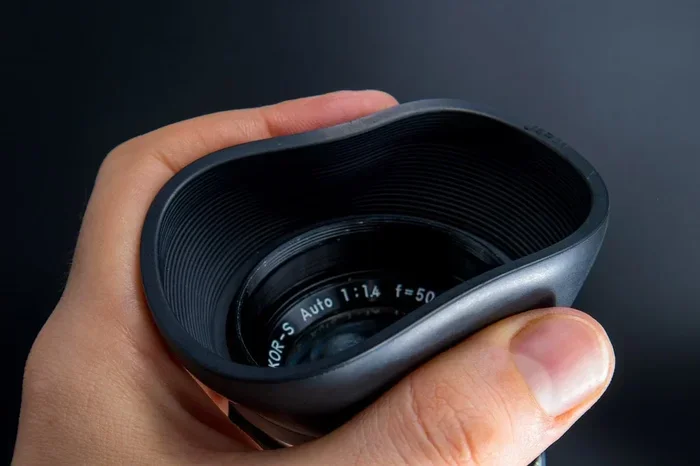
A rubber hood for camera lens does two main jobs. First, it blocks stray light. Second, it protects the front of your lens. These jobs may sound basic, but they change the way your photos look. Stray light can lower contrast and create bright blobs or streaks. A hood acts like a small wall that keeps light from hitting the glass from the sides. The result is often a cleaner image with better depth.
Protection is the second big benefit. The front element of a lens is delicate. A small scratch can soften sharpness or create flare in certain light. A rubber hood adds a buffer between the world and your glass. If you bump a doorframe or set your camera on a rocky ledge, the hood takes the hit instead of the lens. That peace of mind matters on long shoots.
Light Control and Contrast
Light control is where a hood earns its keep. When you shoot toward the sun, or near bright windows, light can spill into the lens from the edges. This spill can create haze or colorful rings. A hood reduces that spill by blocking light from above and the sides. It does not fix bad lighting, but it helps your lens perform at its best.
Contrast also improves when flare is reduced. Colors look richer. Shadows stay deeper. Details in the highlights remain clear. This is especially useful for landscapes, portraits, and street scenes where light changes fast. A hood helps you keep the look you want, even when the sun moves.
Physical Protection in the Field
A rubber hood for camera lens also serves as a bumper. Rubber is flexible, so it absorbs small impacts better than a hard plastic rim. If you are hiking, traveling, or shooting in a crowd, that flexibility helps. It can save the front element from scuffs and dings. It also gives you a larger target to grip when you attach filters or wipe the glass.
Weather protection is another plus. A hood can keep light rain and dust from landing directly on the front element. It is not a waterproof seal, but it helps in a drizzle or a windy day. Paired with a lens cap when you are not shooting, it adds a useful layer of care.
How to Choose the Right Rubber Hood
Not every hood fits every lens. The right choice depends on your lens size, your shooting style, and how much space you have in your bag. A hood that is too long can cause dark corners in your frame. A hood that is too short may not block enough light. The goal is a snug match that works for the focal lengths you use most.
Start with the filter thread size. Most hoods attach to the front of the lens by threading on, clipping on, or sliding into place. Check the markings on your lens cap or lens barrel. Then match the hood to that size. If you use filters often, make sure the hood can still fit over them or that you can remove it when needed.
Match the Hood to Your Lens
Different lenses need different hoods. Wide lenses often use a longer, petal-shaped design. That shape helps block light without cutting into the corners when the lens is wide open. Telephoto lenses often use a longer tube style. That shape blocks side light and keeps the view clean at longer distances. A rubber hood for camera lens should follow the design that suits your glass.
If you shoot at many focal lengths, a reversible hood can be handy. One side works for wider settings, and the other side works for tighter shots. You can also flip it around for storage. This kind of flexibility is great for travel and all-day shoots.
Material and Build Quality
Rubber is popular because it is light, flexible, and easy to carry. It bends when it hits something, which lowers the chance of damage. Some hoods use a mix of rubber and plastic for a firter grip. Look for a design that feels solid in your hand and does not twist easily when attached. A good fit should feel secure, not loose.
Check the inner surface too. A matte interior can reduce reflections inside the hood. Smooth edges are nicer to handle and less likely to catch on a bag. If you plan to shoot in wet conditions, a design that sheds water well will be easier to maintain.
When to Use a Lens Hood
A lens hood is useful in many situations, but it is not always required. The best time to use it is when light comes from the side or behind your subject. Sunlight, street lamps, and bright windows are common culprits. If you notice haze, rings, or washed-out colors, a hood can help right away.
Outdoor shooting is where a hood shines. Landscapes, portraits, and travel photos often involve changing light. A hood keeps stray light from softening your image. It also helps when you shoot into the light for creative effect. You can still get a glow if you want one, but the hood gives you more control over how much light enters.
Outdoor Shooting and Harsh Light
Harsh light creates strong shadows and bright highlights. In those conditions, a rubber hood for camera lens helps keep the frame clean. It reduces side light that can sneak in around the edges. This is useful at sunrise, sunset, and midday when the sun is strong. It is also helpful when you shoot under trees or near reflective surfaces.
If you like to shoot quickly without changing settings all the time, a hood gives you a stable baseline. You can move from shade to sun with less worry about sudden flare. That freedom helps you focus on composition and timing instead of fighting light spill.
Indoors and Controlled Lighting
Indoors, the need for a hood depends on the room. In a studio with controlled lights, you may not need one. In a small room with lamps and windows, a hood can still help. It blocks light from nearby sources that sit outside your frame. If you want the widest possible view, you can remove it for a short time. Just be ready to put it back on when the light gets tricky.
A hood can also help when you use a flash. It does not change the flash itself, but it can reduce ambient light spill from the sides. That can make your subject stand out more cleanly. Use it as part of your lighting toolkit, not as a magic fix.
Care, Storage, and Longevity
A rubber hood for camera lens lasts longer when you treat it well. After a shoot, wipe it with a soft cloth. If it gets dirty, use a little mild soap and water. Do not use harsh cleaners or rough pads, because they can wear down the rubber. Let it dry fully before you store it.
Storage matters too. Many hoods can reverse onto the lens for safe transport. This keeps the hood from getting bent or lost in your bag. If your hood does not reverse, place it in a small pouch or clip it to your gear so it does not rub against other items. Keep it away from heat, which can make rubber stiff over time.
Cleaning Without Damage
Clean the hood gently. A microfiber cloth is usually enough for dust and fingerprints. For grime, dampen the cloth slightly and wipe in soft circles. Avoid soaking the hood, especially near the attachment point. Water can seep into threads or clips and cause irritation later.
If the rubber starts to feel sticky or rough, clean it well and let it air out. Sometimes residue from bags or hands builds up over time. A careful wipe can restore the feel. If the material cracks or loses shape, it may be time to replace it. A worn hood can still work, but it may not block light as well or protect as reliably.
Travel and On-the-Go Tips
When you travel, keep your hood attached if you can. It adds protection while you move through crowds, trains, and busy streets. If you carry multiple lenses, label your hoods or keep them with their lenses. That saves time when you switch gear in a hurry.
For long walks, a lighter setup helps. A rubber hood for camera lens is usually light enough to leave on without much penalty. It also gives you a quick shield if the weather changes. That convenience is part of why many photographers keep one on unless they need the extra width.
Common Mistakes and Smart Tricks
Even a simple accessory can be used the wrong way. One common mistake is using a hood that is too long for the lens. That can cause dark edges or vignetting, especially on wide settings. Another mistake is leaving the hood on in tight spaces where it bumps walls or people. In those moments, a lens cap or a removed hood may be smarter.
Another mistake is forcing a hood onto the wrong size. If it does not fit smoothly, stop. Forcing it can damage the threads or the rubber. Check the size again before you attach it. A proper fit should slide or thread on with gentle pressure.
Vignetting and Fit Issues
Vignetting happens when the hood enters the frame. This is more likely with wide lenses and large apertures. If you see dark corners, zoom in a little or remove the hood. You can also switch to a shorter hood designed for wider use. The right shape matters as much as the right size.
Fit issues also show up when you add filters. Some hoods sit too close to the filter rim and cause shadows. In that case, test your setup before a big shoot. A quick check in different light can save you from surprises later.
Quick Tricks for Better Results
Here are a few simple tricks that help a lot.
- Flip it for storage: Reversing the hood protects both the lens and the hood in your bag.
- Test in sun and shade: Check your view in different light to see if the hood helps or gets in the way.
- Keep a spare: If you use several lenses, a spare hood can save time when sizes differ.
- Watch your angle: Tilt the camera slightly to reduce flare even more when shooting toward bright light.
- Pair with a cap: Use the hood when shooting and the cap when packing to keep dust off the glass.
These small habits make your gear easier to manage. They also help you get cleaner shots with less fuss. A rubber hood for camera lens works best when you use it with care and common sense.
Final Thoughts on Lens Hoods
A rubber hood for camera lens is one of those tools that quietly improves your work. It reduces flare, adds protection, and helps your images stay crisp in tough light. It is light, easy to carry, and simple to use. You do not need a complicated setup to benefit from it. You just need the right size and a little attention to when you use it.
Think of it as a small shield with a big job. Outdoors, it keeps stray light in check. In crowds and on the move, it adds a layer of safety. At the end of the day, it helps you spend less time fixing problems and more time making photos. If you choose well and care for it properly, a lens hood can serve you for a long time.
So next time you head out, give your lens a little protection and control. Your shots may look cleaner, your gear may stay safer, and your shooting may feel a bit easier. That is a smart return for one small accessory.
Frequently Asked Questions
What does a rubber hood for camera lens do?
It blocks stray light to reduce flare and adds a protective bumper for the front element. This helps improve contrast and keeps your lens safer during everyday use.
Do I always need a lens hood on my camera?
No, you do not always need one. A hood is most useful outdoors or in bright, side-lit scenes. Indoors with controlled lighting, you can often leave it off if you want a wider view.
How do I know which hood fits my lens?
Check the filter thread size on your lens barrel or lens cap, then match the hood to that size. Make sure the hood shape suits your focal length so you avoid dark corners.
Can a lens hood cause vignetting?
Yes, if the hood is too long or the wrong shape for your lens. This is more common at wide angles and large apertures. Zoom in slightly or use a shorter hood if you see dark edges.
How should I clean a rubber lens hood?
Wipe it with a soft microfiber cloth and mild soap if needed. Avoid harsh cleaners and rough pads, and let it dry fully before storing it away.
Should I leave the hood on while traveling?
Usually yes, because it adds protection while you move through crowds and changing weather. If space is tight or you need the widest view, you can remove it and use a cap instead.