Security Camera That Can Read License Plates
A security camera that can read license plates transforms how you monitor vehicles and manage access. These specialized systems use advanced optics and software to capture sharp plate images even at night. Whether you run a parking lot or a residential community, the right setup boosts safety and simplifies vehicle tracking. This guide explains exactly what to look for and how to get reliable results.
Key Takeaways
- Specialized optics matter: A security camera that can read license plates needs high resolution, fast shutter speeds, and proper mounting angles to capture clear plate data.
- Lighting is critical: Infrared illuminators, WDR settings, and strategic placement help the camera handle glare, shadows, and nighttime conditions.
- Software drives accuracy: License plate recognition relies on dedicated algorithms, so choose a system with proven LPR software and regular updates.
- Height and angle affect results: Mounting too high or at a steep angle can blur plates, so aim for a level view of the vehicle’s rear or front.
- Network and storage planning pays off: Continuous video and plate data require solid bandwidth, reliable storage, and clear retention policies.
- Legal awareness protects you: Check local rules on video surveillance, data storage, and privacy before deploying a security camera that can read license plates.
- Maintenance keeps performance high: Clean lenses, check cables, and test recognition regularly to avoid missed reads and blurry captures.
📑 Table of Contents
- Why a Security Camera That Can Read License Plates Matters
- How License Plate Recognition Works
- Choosing the Right Setup for Your Site
- Installation Best Practices
- Comparing Options Side by Side
- Data, Storage, and Privacy
- Maintenance and Ongoing Performance
- Quick Tips for Better Plate Reads
- Common Mistakes to Avoid
- Expert Insights
- Final Thoughts
Why a Security Camera That Can Read License Plates Matters
Vehicle monitoring has moved far beyond simple motion detection. Today, property managers, business owners, and homeowners want clear identification of every car that enters or leaves. A security camera that can read license plates delivers exactly that. It turns blurry shapes into readable characters, helping you track visitors, manage parking, and investigate incidents with confidence.
This technology solves real problems. You can spot unauthorized vehicles, verify deliveries, and log repeat guests without manual checks. It also reduces disputes. When a question arises about who parked where or when a car arrived, you have a clear record. That record can save time, lower stress, and support faster decisions.
Of course, not every camera handles this task well. Standard models often struggle with speed, distance, and lighting. Plate reading requires a focused design. You need the right lens, the right processing, and the right installation. Once you understand those pieces, the results become much more reliable.
How License Plate Recognition Works
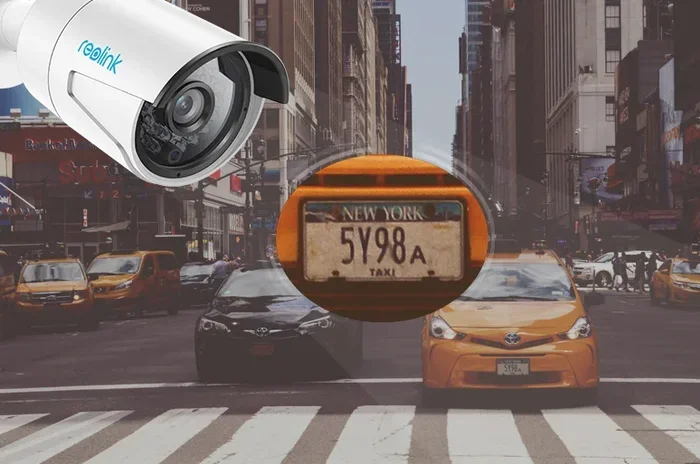
Plate recognition combines strong image capture with smart software. The camera first captures a sharp frame of the vehicle. Then the software isolates the plate region, enhances contrast, and reads the characters. Good systems also handle different plate styles, fonts, and angles. The goal is consistent reads, not just nice-looking video.
Key Hardware Features
Start with resolution. A security camera that can read license plates should deliver enough pixels to keep characters distinct at your expected distance. Fast shutter speeds help freeze motion on moving cars. A wide dynamic range keeps details visible when bright headlights meet dark shadows. These features work together to create usable frames.
Software and Processing
Hardware alone is not enough. The recognition engine must detect plates, correct tilt, and interpret characters accurately. Look for systems that update their algorithms and support your local plate formats. Some platforms also store plate text separately from video, which makes searching and reporting much easier.
Lighting and Night Performance
Many reads happen after dark. Infrared illumination can brighten the plate area without blinding drivers. Some setups use dedicated ir illuminator for security camera accessories to improve contrast on reflective plates. WDR settings also help when sunlight or headlights create strong glare. Good lighting planning often matters more than chasing the highest resolution number.
Choosing the Right Setup for Your Site
Every location has different needs. A quiet driveway differs from a busy commercial lot. Start by defining your goal. Do you want access control, parking enforcement, visitor logging, or incident review? Your goal shapes the camera style, mount height, and coverage area.
Camera Types to Consider
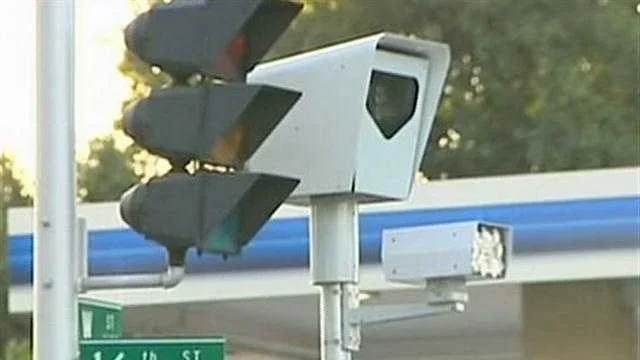
Bullet cameras work well when you want a visible deterrent and a clear side or front view. Dome cameras can blend into a ceiling or pole and reduce tampering. Some sites prefer a dedicated LPR lane with a tight frame and consistent speed. If you manage multiple entry points, a four camera wireless security system or a larger multi-channel setup may fit better. The best choice depends on how vehicles move through your space.
Mounting Height and Angle
Placement changes everything. If the camera sits too high, the plate may appear small or tilted. If it sits too low, it may miss taller vehicles or capture too much foreground. Aim for a level view of the plate area. Keep the angle gentle so the software can read characters without heavy distortion. A clean, predictable path for vehicles also improves results.
Coverage and Field of View
Think about the full approach, not just the plate. You may want to see the driver area, the vehicle shape, and the surrounding lane. A 16 camera security system 4K configuration can cover larger properties with overlapping views. For smaller sites, a focused setup may be enough. Balance coverage with clarity so each frame remains useful.
Installation Best Practices
Good installation keeps the system dependable. Start with a stable mount and weather-resistant hardware. Secure cables against movement and moisture. Test the view before finalizing the bracket. A few extra minutes here can prevent blurry reads later.
Positioning for Clear Reads
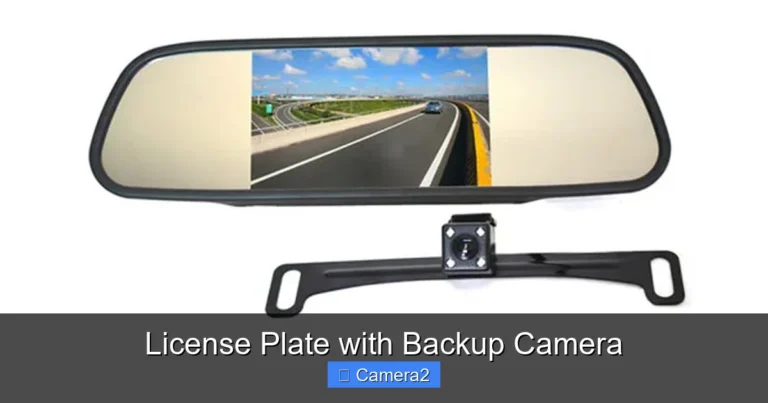
Align the camera with the natural path of traffic. If cars slow down at a gate or stop line, that is a great place to capture plates. Avoid placing the lens where wiper spray, dirt, or direct sun can obscure the view. If you need a closer look at rear plates, a license plate rear view camera style mount can help in the right lane.
Power and Connectivity
Reliable power keeps the system running. Many installations use a steady security camera power supply 12v setup for consistent performance. For remote areas, cellular options may make sense, though you should confirm data needs before relying on them. If you are considering off-grid use, review guidance on whether you can use a cellular trail camera without a data plan, since bandwidth and coverage affect reliability.
Testing and Tuning
After installation, test with different vehicles and lighting conditions. Check morning, midday, and nighttime scenes. Adjust exposure, trigger zones, and illumination as needed. Keep a few sample images to compare over time. Small tweaks often improve recognition more than major hardware changes.
Comparing Options Side by Side
Different setups suit different goals. The table below highlights common choices and what they tend to do best. Use it as a starting point, then match the details to your site.
| Setup Type | Best For | Strengths | Limitations |
|---|---|---|---|
| Dedicated LPR Camera | Gates, lanes, and entry points | Fast reads, plate-focused framing, strong recognition | Narrower field of view, needs careful placement |
| High-Resolution Bullet | General surveillance with plate capture | Visible deterrent, flexible mounting, wide coverage | May need extra lighting and tuning for reliable reads |
| Dome Camera | Indoor garages and covered lots | Low profile, hard to tamper, good for enclosed spaces | Less ideal for long-distance outdoor lanes |
| Multi-Camera System | Large properties and multiple entrances | Broad coverage, overlap, centralized management | Higher cost, more planning, more storage needs |
Data, Storage, and Privacy
A security camera that can read license plates creates both video and text data. That means you should plan for storage, access, and retention from the start. Clear policies make the system more useful and reduce confusion later.
Storage Planning
Plate reads can generate frequent records, especially at busy entrances. Estimate how many vehicles you expect and how long you want to keep data. Use reliable storage hardware or cloud options that match your retention needs. If you want fewer false positives, configure alerts to trigger on strong matches rather than every movement.
Access and Security
Limit who can view footage and plate records. Use strong passwords, updated firmware, and controlled user accounts. If your system supports alerts, send them to the right people without sharing full access. For added context on protecting connected devices, you may find it useful to review whether a can Wyze camera be hacked style question applies to your broader smart-home or business setup, since basic security habits help everywhere.
Privacy and Local Rules
Surveillance rules vary by location and property type. Some areas have specific expectations for common spaces, rental properties, and private driveways. If you manage apartments or shared housing, review guidance such as apartment security camera laws in Texas or apartment security camera laws in New York State, depending on your location. For broader context, you can also explore home security camera laws in Texas when planning a residential installation. Always confirm current rules before storing plate data long term.
Maintenance and Ongoing Performance
Even a great system needs care. Dust, rain, and time can affect image quality. A regular checkup keeps reads sharp and reduces missed captures. Treat the camera like any important sensor: clean it, test it, and update it.
Lens Care and Environment
Clean the lens gently with a soft cloth and appropriate cleaner. Trim branches or objects that block the view. If the camera sits near a road, watch for buildup from spray or dirt. A dome cover for security camera housing can help in some setups by protecting the front element while keeping the view clear.
Firmware and Software Updates
Updates often improve recognition and fix bugs. Check for releases from the manufacturer or software provider. Review change notes before installing, especially if the update affects plate formats or alert behavior. Consistent updates help the system stay accurate as vehicle styles and plate designs change.
Monitoring Results
Review recognition logs periodically. Look for patterns such as missed reads at certain times or angles. If errors appear after a weather change or new lighting setup, adjust the configuration. For larger properties, live monitoring options such as multi family residential live security camera monitoring or automotive dealership live security camera monitoring may help staff respond faster when a vehicle needs attention.
Quick Tips for Better Plate Reads
These small steps often make a big difference.
- Mount the camera where vehicles naturally slow or stop.
- Keep the lens clean and free from glare.
- Use infrared or other lighting when nighttime reads matter.
- Test the view with several car types, not just one.
- Store plate text separately when possible for easier searching.
- Limit access to footage and review who can export data.
- Check local rules before long-term storage of plate information.
Common Mistakes to Avoid
A few recurring issues can weaken performance. Watch for them during planning and installation.
- Mounting too high: The plate may become too small or tilted for reliable reads.
- Ignoring lighting: Glare, shadows, and darkness can ruin otherwise good hardware.
- Overlooking angles: Sharp sideways views make character recognition harder.
- Skipping tests: A setup that looks fine in the daytime may fail at night.
- Weak access controls: Unsecured footage creates privacy and safety risks.
- No maintenance plan: Dirt and outdated software slowly reduce accuracy.
Expert Insights
Experienced installers usually say the same thing: define the lane before you buy the camera. A security camera that can read license plates performs best when the vehicle path is predictable and the framing is intentional. They also recommend starting simple. One well-placed camera with good lighting often outperforms a messy array of average units.
Another common insight is to treat recognition as a system, not a single product. The lens, mount, light, software, and storage all affect results. When one piece is weak, the whole chain suffers. That is why testing in real conditions matters so much. A few sample images from your actual site tell you more than spec sheets ever will.
Finally, think about how people will use the data. If you need fast search during an incident, store plate text and timestamps in a clear format. If you need deterrence, make the camera visible and the lane obvious. If you need discretion, balance coverage with privacy expectations. The best setup matches the purpose.
Final Thoughts
A security camera that can read license plates can change the way you manage vehicles and protect property. It brings clarity to entrances, supports faster investigations, and reduces guesswork. The key is to choose the right hardware, place it carefully, and maintain it over time. When you treat the system as a complete solution, plate reads become far more dependable.
Start with your goal, then match the camera, lighting, and software to that goal. Test in real conditions, keep the lens clean, and review your storage and access settings. With a thoughtful setup, you can capture useful plate data without overcomplicating the installation. That balance is what turns a good camera into a truly helpful one.
Frequently Asked Questions
What makes a security camera that can read license plates different from a regular camera?
A security camera that can read license plates is designed for sharper detail, faster capture, and better contrast handling. It also works with recognition software that isolates the plate and extracts the characters. Regular cameras may record the scene, but they often miss clear plate details at speed or in poor light.
How far away can a license plate recognition camera usually read plates?
Read distance depends on resolution, lens choice, mounting height, and lighting. In many setups, the camera needs a close enough view to keep characters distinct. If the plate appears too small in the frame, accuracy drops. Good planning usually matters more than chasing maximum range.
Do these cameras work at night?
Yes, many can work well at night with the right lighting and settings. Infrared illumination, strong dynamic range, and careful placement help the system handle darkness and headlight glare. Without lighting support, nighttime reads may become inconsistent.
What should I focus on during installation?
Focus on angle, height, lighting, and a clear vehicle path. The camera should see the plate as level and large as possible. You should also test the view at different times of day and adjust exposure or illumination before finalizing the install.
Is special software required to read plates?
Usually yes, because the camera captures the image and the software recognizes the plate text. The software handles tasks like plate detection, character reading, and data storage. Choose a system that supports your local plate styles and offers reliable updates.
Are there privacy or legal issues I should consider?
Yes, rules can vary by location and property type. It is smart to check local expectations for video surveillance and data retention before storing plate information. If you manage shared housing or a business site, review relevant local guidance and limit access to the footage.