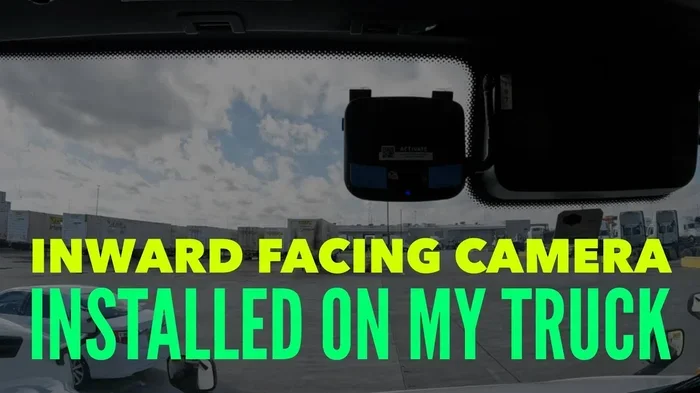
Are Inward Facing Cameras in Trucks Illegal
Are inward facing cameras in trucks illegal? The short answer is no, but the full story involves privacy laws, company policies, and federal regulations. Many drivers worry about being watched while they work, but these cameras often serve as safety tools rather than spy devices. Understanding the rules helps you know your rights and what to expect on the road. This guide breaks down everything you need to know about cab cameras and the law.
Key Takeaways
- Legality: Inward facing cameras in trucks are generally legal across the United States.
- Privacy Laws: State laws vary regarding audio recording and video monitoring in employee vehicles.
- Company Policy: Most fleet owners install these cameras for safety and insurance purposes, not to spy.
- Audio Recording: Recording audio without consent is illegal in some states due to wiretapping laws.
- Driver Safety: These cameras help reduce accidents by monitoring distracted driving behaviors.
- Data Access: Fleet managers usually only access footage when an incident occurs, not constantly.
- Your Rights: Drivers should review their employment contracts to understand monitoring policies.
📑 Table of Contents
- Are Inward Facing Cameras in Trucks Illegal?
- Understanding Truck Cab Camera Laws
- Why Do Trucks Have Inward Facing Cameras?
- Privacy Concerns for Truck Drivers
- Company Policies and Driver Rights
- Legal Cases and Precedents
- The Future of Inward Facing Cameras
- Expert Insights on Truck Camera Usage
- Common Mistakes Drivers Make With Cameras
- Quick Tips for Drivers
- Key Takeaways on Truck Camera Legality
Are Inward Facing Cameras in Trucks Illegal?
The question on many drivers’ minds is simple: are inward facing cameras in trucks illegal? It is a valid concern. Nobody likes the idea of being watched while they work. However, the law is not as black and white as you might think. In most cases, these cameras are perfectly legal. But there are rules about how they are used.
Fleet companies install these devices to improve safety. They want to protect their drivers and the public. Still, privacy matters. You have rights as an employee. This article will explain the laws, the reasons for cameras, and what you can do if you feel uncomfortable. We will look at federal rules, state laws, and common company policies.
Understanding Truck Cab Camera Laws
When people ask, are inward facing cameras in trucks illegal, they are usually worried about privacy. Federal law does not ban these cameras. The Department of Transportation focuses on safety. They want to reduce accidents on the road. Video monitoring is seen as a tool to help achieve that goal.
However, state laws play a big role. Some states have strict privacy rules. These rules often focus on audio recording. Video is usually fine. Audio is trickier. In some places, you cannot record sound without permission. This is due to wiretapping laws. Employers must follow these rules to avoid lawsuits.
Here are a few key points about the law:
- Federal Level: No ban on video monitoring in commercial vehicles.
- State Level: Privacy laws vary by location.
- Audio Rules: Two-party consent states require permission to record sound.
- Public vs. Private: Trucks are private property, but used for public commerce.
It is important to know where you drive. If you cross state lines, you might encounter different rules. Most large carriers have legal teams. They ensure their cameras comply with local laws. But as a driver, it helps to be informed. You can ask your employer about their compliance strategy.
Video vs. Audio Recording
Video recording is generally accepted. It captures what happens on the road and inside the cab. This helps investigate accidents. It also verifies safe driving habits. Audio recording is different. Many states treat audio as private communication. Recording a conversation without consent can be a crime.
In one-party consent states, only one person needs to know. In two-party consent states, everyone must agree. If your camera records audio in a two-party state without warning, it could be illegal. This is why many companies disable audio features. Or they only turn them on during specific events.
Employee Privacy Expectations
Do drivers have a right to privacy in their truck? Yes, but it is limited. When you are on the clock, your privacy expectations are lower. The truck is a workplace. Employers have a right to manage safety. However, they cannot harass you. They cannot use footage to punish you unfairly.
Rest periods matter too. If you are off-duty in the sleeper berth, you might expect more privacy. Some policies turn cameras off when the engine is off. Others keep them running for security. Knowing your schedule helps you understand when you are being recorded.
Why Do Trucks Have Inward Facing Cameras?
Safety is the main reason. Accidents cost money and lives. Cameras help reduce both. They spot risky behaviors before they cause crashes. Distracted driving is a huge problem. Eating, texting, or adjusting the radio while moving is dangerous. A camera can catch this behavior.
Insurance companies love these cameras. They offer discounts to fleets that use them. This saves money for the company. Sometimes, those savings are passed to the driver. Safe driving bonuses are common. So, the camera might actually help your wallet.
Here are the common benefits:
- Accident Investigation: Clear footage shows who was at fault.
- Driver Coaching: Managers can give feedback based on real events.
- Theft Prevention: Cameras deter thieves from targeting the cab.
- Insurance Savings: Lower premiums for monitored fleets.
- Liability Protection: Protects drivers from false claims.
It is not just about punishment. It is about protection. If someone hits you, the video proves you were driving safely. This clears your name. It stops insurance fraud. For many drivers, this is a huge relief.
Safety Technology Integration
Modern trucks have many sensors. Cameras work with these systems. They can detect lane departures. They can sense hard braking. When the system sees a risk, it alerts the driver. Sometimes it saves the video clip. This gives a full picture of the event.
This technology is evolving fast. New systems use AI. They can recognize gestures or fatigue. This helps prevent drowsy driving. It is a powerful tool for long hauls. The goal is to keep everyone safe on the highway.
Privacy Concerns for Truck Drivers
Despite the benefits, concerns remain. Are inward facing cameras in trucks illegal when they feel invasive? Not necessarily illegal, but they can feel intrusive. Drivers spend long hours in their cabs. It is their home away from home. Having a lens watching you can be stressful.
Some drivers worry about constant surveillance. They fear managers are watching them all day. In reality, most systems record only when triggered. Or they store footage locally. Managers usually view clips after an incident. They do not sit and watch live feeds all day. This is a common misconception.
Another worry is data security. Where does the video go? Who can see it? Reputable companies have strict access controls. Only authorized personnel can view the data. It is often encrypted. This protects your privacy from hackers or unauthorized staff.
Audio Privacy Issues
Audio is the biggest privacy hurdle. Hearing a driver talk to a dispatcher or family member is sensitive. Many drivers turn off audio features if possible. If your company enables audio, ask why. Is it for safety or monitoring? You should know the policy.
In states with strict wiretapping laws, audio recording is risky for employers. They might avoid it to stay safe. If you live in a two-party consent state, be extra careful. Make sure you are aware of when audio is active.
Off-Duty Monitoring
What happens when you sleep? Some cameras have night vision. They might record while you rest. This raises questions about personal time. If you are parked at a truck stop, are you being watched? Most policies state that recording continues for security. But some companies blur the line during rest breaks.
Check your employee handbook. Look for sections on electronic monitoring. It should specify when recording happens. If it is unclear, ask your safety manager. Clear communication solves most worries.
Company Policies and Driver Rights
Your rights depend on your contract. Independent owner-operators have more control. They decide if they want cameras. Company drivers usually must accept the policy. Refusing the camera could mean losing the job. It is a condition of employment.
However, you still have rights. Employers cannot use footage for harassment. They cannot discriminate based on what they see. The footage must be used for legitimate business reasons. Safety and security are legitimate. Spying on personal habits is not.
Here is what you should check in your policy:
- Recording Triggers: Is it always on or event-based?
- Data Retention: How long is footage kept?
- Access Rules: Who is allowed to view the video?
- Audio Settings: Is sound recorded or disabled?
- Disciplinary Use: How can the footage be used in reviews?
If you feel your rights are violated, speak up. Contact your union representative if you have one. You can also consult a labor lawyer. They can tell you if the policy breaks local laws. Knowledge is your best defense.
Negotiating Camera Policies
Can you negotiate? Sometimes. If you are a high-performing driver, you have leverage. You might ask for audio to be disabled. Or you might ask for clear indicators when recording starts. LED lights are common. They show when the camera is active. This helps you know when you are on camera.
Transparency builds trust. A good company will explain the why. They will show you how it protects you. If they are secretive, that is a red flag. Trust is key in the driver-employer relationship.
Legal Cases and Precedents
There have been lawsuits about truck cameras. Most favor the employers. Courts generally say safety outweighs privacy in commercial vehicles. But there are exceptions. Cases involving audio recording have gone both ways. In some instances, employers lost because they violated wiretapping laws.
One case involved a driver fired after a camera caught him sleeping. He argued he was on a break. The court looked at the policy. If the policy said breaks were off-camera, the driver might win. If the policy said always recording, the employer likely wins. Context matters.
Another issue is data leaks. If footage is leaked publicly, the driver could sue. Privacy laws protect personal data. Employers must secure the footage. Breaches can lead to big fines. This pushes companies to improve their security.
State-Specific Regulations
Some states are stricter than others. California has strong privacy laws. Illinois has biometric privacy rules. New York has specific employee monitoring laws. Drivers in these states have more protections. They might need written consent for monitoring.
If you drive across state lines, federal law usually applies. But state laws can still impact you. It is a complex web. This is why legal counsel is important for fleets. For drivers, knowing your home state laws helps.
The Future of Inward Facing Cameras
Technology is moving forward. Cameras are getting smarter. They will likely become standard equipment. Just like seat belts or airbags. Safety regulators push for more data. They want to understand accident causes better.
Future systems might be less intrusive. They could blur faces when no incident occurs. They might use edge computing. This processes data on the device. Only alerts are sent to the cloud. This protects privacy by default.
Here is what to expect in the future:
- AI Integration: Better detection of fatigue and distraction.
- Privacy Modes: Automatic blurring of personal moments.
- Driver Feedback: Real-time alerts to help drivers correct behavior.
- Standardization: More uniform laws across states.
- Cost Reduction: Cameras will become cheaper and more common.
Change is coming. Drivers should stay informed. Understanding the tech helps you adapt. It also helps you advocate for your rights.
Expert Insights on Truck Camera Usage
Safety experts agree on one thing. Data saves lives. They argue that cameras provide objective truth. Human memory is faulty. Video is not. In a dispute, video wins. This protects honest drivers from false accusations.
However, experts also warn about culture. If a company uses cameras only to punish, drivers will hate them. This creates a toxic environment. It leads to high turnover. The best companies use cameras for coaching. They focus on improvement, not blame.
Driver feedback is also important. Some drivers say cameras make them more conscious. They drive safer because they know the camera is there. This is the Hawthorne Effect. People change behavior when watched. In this case, that is a good thing.
Common Mistakes Drivers Make With Cameras
Drivers sometimes make errors that cause trouble. They forget the camera is there. They might pick up their phone to check a message. Even a quick glance can be caught. This leads to write-ups. Awareness is key.
Another mistake is assuming audio is off. It might be on. Talking negatively about the company on camera is a bad idea. Even in private moments, assume you are being recorded. This protects you from misunderstandings.
Here are common pitfalls to avoid:
- Distracted Driving: Using phones while the camera is active.
- Negative Talk: Complaining about work while recorded.
- Ignoring Indicators: Not noticing the recording light.
- Misunderstanding Policy: Not reading the handbook.
- Tampering: Trying to cover or disable the camera.
Tampering is the worst mistake. It is usually firing offense. It shows you have something to hide. Never try to block the lens. If you have an issue, talk to management. Do not take matters into your own hands.
Quick Tips for Drivers
If you have a camera in your truck, here is how to handle it. First, accept it. Fighting it rarely works. Second, learn the policy. Know when it records. Third, drive safely. Let the camera be your witness. Fourth, keep personal moments private. Use your phone on breaks if needed.
Communication is your friend. If you feel uncomfortable, say so. Ask for clarification. A good manager will listen. They want you to feel comfortable. Comfortable drivers drive better.
Key Takeaways on Truck Camera Legality
To wrap up the main points, remember this. Are inward facing cameras in trucks illegal? Generally, no. They are legal tools for safety. But privacy laws exist. Audio recording is the main risk area. Always check your state laws and company policy.
Your rights matter. You deserve to know when you are being recorded. You deserve fair treatment. Use the camera to protect yourself. It can prove your innocence in an accident. It is a tool for both sides.
Final Thoughts
The trucking industry is changing. Technology is leading the way. Cameras are part of that future. They bring safety and accountability. They also bring privacy questions. Stay informed. Know your rights. Drive safe. And remember, the camera is there to help, not just to watch.
Frequently Asked Questions
Are inward facing cameras in trucks illegal under federal law?
No, federal law does not ban inward facing cameras in commercial trucks. The Department of Transportation focuses on safety, and video monitoring is considered a valid safety tool. However, companies must still follow state privacy laws regarding audio and data usage.
Can my employer record audio inside my truck cab?
Audio recording laws vary by state. In two-party consent states, employers generally need your permission to record sound. Many companies disable audio features to avoid legal issues. You should check your local laws and employment contract for specific details.
Do truck cameras record when the engine is off?
It depends on the company policy and the specific system installed. Some cameras continue recording for security while parked, while others stop when the engine shuts off. Check your employee handbook to understand when the device is active during rest periods.
Can I refuse to have a camera in my truck?
If you are a company driver, refusing the camera may be grounds for termination since it is often a condition of employment. Owner-operators usually have the choice to install them or not. It is best to discuss concerns with your fleet manager before refusing.
Who can view the footage from my truck camera?
Typically, only authorized safety managers and insurance personnel can access the footage. Reputable companies have strict access controls to protect driver privacy. Footage is usually reviewed only after an incident or during scheduled safety audits.
Do inward facing cameras help drivers in accident claims?
Yes, they can be very helpful for drivers. The video footage provides objective evidence of what happened during a crash. This can prove you were not at fault and protect you from false liability claims or insurance fraud.