Are Police Body Cameras Waterproof
Most modern police body cameras are built to handle tough conditions, but not all are fully waterproof. Many units carry an IP67 or IP68 rating, meaning they can survive heavy rain, sweat, and even short submersion. Understanding your department’s specific gear and its rating is key to keeping footage safe. This guide breaks down exactly how water resistance works for law enforcement equipment.
This is a comprehensive guide about are police body cameras waterproof.
Key Takeaways
- IP Ratings Matter: Look for IP67 or IP68 ratings to ensure strong protection against water and dust.
- Not All Are Fully Submersible: Many body cameras are water-resistant, not fully waterproof for deep or long submersion.
- Sweat and Rain Are Usually Fine: Standard duty conditions like light rain and heavy sweat rarely damage quality units.
- Check Manufacturer Specs: Always verify the exact IP rating and testing standards before buying or deploying gear.
- Maintenance Extends Life: Wiping down ports, avoiding extreme heat, and proper storage keep seals intact longer.
- Water Damage Is Often Not Covered: Many warranties exclude water damage, so extra care and protective cases help.
- Accessories Add Protection: Waterproof housings, neck mounts, and sealed battery covers improve durability in wet environments.
[FEATURED_IMAGE_PLACEHOLDER]
Are Police Body Cameras Waterproof?
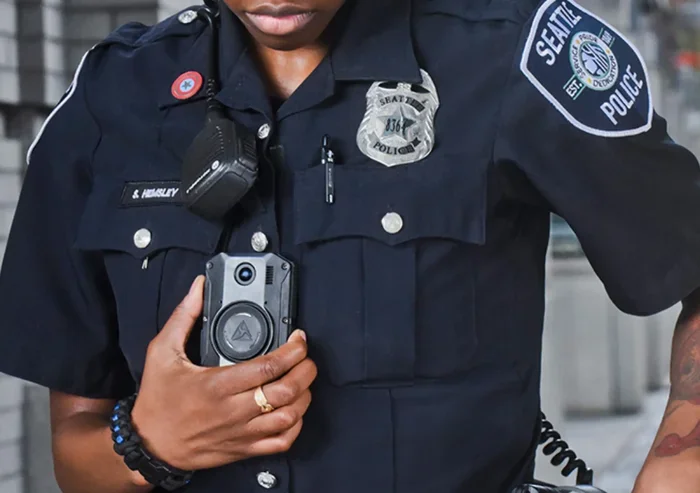
If you have ever watched a dash cam survive a heavy storm or seen a trail cam sit in the woods through weeks of rain, you might wonder if the same holds true for gear worn on an officer’s chest. The short answer is that many police body cameras are designed to handle moisture, but the word waterproof can be misleading. Most units are water-resistant or weatherproof, and a select few meet high submersion standards. Knowing the difference helps departments protect expensive equipment and keeps vital footage from getting lost.
Law enforcement work puts cameras in some rough spots. Officers run through puddles, sweat under heavy vests, face downpours during outdoor calls, and sometimes end up in water during rescue situations. A camera that cannot handle moisture will fail when it matters most. That is why manufacturers test their devices against dust, rain, and immersion. Still, the actual protection level depends on the model, the seals, and how the gear is used and maintained.
In this guide, we will walk through how water resistance works, what ratings really mean, and what officers and agencies should look for before buying or deploying body cameras. We will also cover common mistakes, practical care tips, and a few real-world scenarios where water protection makes a big difference. By the end, you will have a clear picture of what to expect from modern body camera gear.
Understanding IP Ratings and What They Mean for Body Cameras
When people ask if a device is waterproof, they are usually asking how well it handles water in real life. The best way to answer that is to look at the IP rating. IP stands for Ingress Protection, and it comes from an international standard that measures how well a device keeps out solids and liquids. The first number covers dust and solids. The second number covers water. A higher second number means better water protection.
For body cameras, the most common water ratings you will see are IP65, IP66, IP67, and IP68. Here is a quick breakdown of what those numbers generally mean in plain language:
- IP65: Protected against water jets from a nozzle. Good for rain and splashes, but not for submersion.
- IP66: Protected against strong water jets and heavy waves. Better for rough weather, but still not meant to be dropped in water.
- IP67: Can survive temporary immersion in shallow water for a short time. This is a strong rating for field gear.
- IP68: Can handle deeper or longer submersion under conditions set by the manufacturer. This is the highest common water rating.
It is important to remember that IP ratings are tested in controlled conditions. Real life is messier. Seals can wear out. Dirt can collect in ports. Temperature swings can weaken gaskets over time. So even a camera with a strong rating needs proper care. If you want a deeper look at how protective ratings compare across camera types, you may find it helpful to read about why some specialized cameras cost more, since build quality and sealing often drive price.
Why the Second Number Matters Most
The second number in the IP rating tells you how the device handles water. That is the part most officers care about during rainy patrols, summer heat, and outdoor incidents. A camera with a low second number may survive a drizzle, but it could fail in a downpour or after being splashed repeatedly. A higher second number gives more confidence, especially when the camera sits against the body and collects sweat.
Sweat is often overlooked. It is salty, warm, and constant during long shifts. Over time, it can seep into buttons, battery covers, and charging ports if the seals are not strong. That is why many agencies prefer cameras with IP67 or IP68 ratings for daily wear. These ratings suggest the unit can handle more than a quick splash. They also hint that the camera was built with tighter seals and better internal protection.
Dust Protection Also Plays a Role
Water is not the only enemy. Dust, sand, and debris can scratch lenses, clog ports, and wear down seals. That is where the first number in the IP rating comes in. A rating that starts with 6 means the device is generally protected against fine dust. That matters for officers working near roads, construction zones, or outdoor scenes. A camera that keeps dust out will usually keep water out better too, because the seals and closures are designed to block small particles.
How Waterproof Are Police Body Cameras in Real Use?
In real use, most police body cameras are built to handle rain, splashes, sweat, and occasional exposure to puddles or wet surfaces. They are not usually built to be tossed into a lake and retrieved later. The difference between water-resistant and waterproof comes down to how long and how deep the camera can stay in water without damage. Many devices marketed as waterproof are actually water-resistant with a strong rating.
Think of it this way. A camera worn on the chest may face a sudden rainstorm, a muddy scene, or a officer who gets splashed during a rescue. That is normal. A well-built body camera should keep running through those moments. But if an officer falls into water, or if the camera is submerged during a dive or flood situation, the outcome depends on the exact model and its rating. Some units can survive short immersion. Others cannot.
Rain, Sweat, and Daily Exposure
Daily exposure is where most body cameras spend their lives. Rain is usually fine for units with solid water resistance. Sweat is also common, especially in warm climates or during long shifts. The main risk is moisture collecting around buttons, seams, and ports. Officers can lower that risk by wiping the camera dry when possible and keeping the battery cover closed tightly. A camera that is rated well should not fail just because the officer worked through a hot day.
Splash and Puddle Scenarios
Splash and puddle scenarios are common too. An officer may step into a shallow puddle, kneel in wet grass, or get sprayed during a crowd incident. In those moments, the camera may get wet on the outside. A good body camera should keep water from reaching the internal electronics. If the lens fogs, the buttons stick, or the recording stops after a splash, that is a sign the sealing may not be strong enough for that use case.
If your agency is comparing models, it helps to look at how other public safety cameras handle tough environments. For example, you can explore how fire trucks use cameras to see how different emergency gear is built for harsh conditions. The same idea applies here: the job dictates the level of protection you need.
What Features Help Body Cameras Survive Wet Conditions?
Water resistance is not just about one seal. It is about the whole design. Several features work together to keep moisture out and help the camera keep working in wet conditions. When you compare models, look for these practical details:
- Tight port covers: Battery and charging ports should close securely and feel snug. Loose covers are a common weak point.
- Protected buttons: Buttons should resist water entry while still being easy to press with gloves.
- Strong lens housing: The lens area should sit flush and sealed so rain does not creep behind the glass.
- Internal conformal coating: Some electronics get a protective coating that helps resist moisture damage.
- Durable straps and mounts: A secure mount keeps the camera positioned correctly and reduces stress on the body of the device.
- Shock and drop protection: A camera that survives drops often has tougher seals and stronger internal parts.
Battery and Charging Design
Battery design matters a lot. If the battery compartment opens often, the seal may wear faster. Some cameras use sealed battery packs. Others use doors that snap shut. Either way, the cover should fit firmly and not gap when the camera is worn. Charging ports should also be protected. If an officer plugs in a wet cable or uses a damp port, that can cause problems even on a well-rated camera.
Lens and Button Protection
The lens is the heart of the camera, and it needs clear protection. A lens cover should resist water spots and stay clear in wet weather. Buttons should work without letting water inside. If a button feels mushy or sticky after exposure to moisture, the seal may be failing. Good designs balance ease of use with protection, so officers can start and stop recording without compromising the enclosure.
Common Mistakes That Reduce Water Resistance
Even a strong camera can fail early if it is treated poorly. Water resistance is not a permanent guarantee. It depends on the condition of the seals, the cleanliness of the ports, and how the camera is stored and used. Here are some common mistakes that shorten the life of body camera gear:
- Leaving port covers open: Even a short time with an open port can let in moisture and dirt.
- Ignoring worn seals: Cracked or loose gaskets reduce protection fast.
- Charging with wet cables: Moisture at the charging point can cause corrosion or shorts.
- Storing the camera damp: Putting away a wet camera in a closed bag traps moisture.
- Using harsh cleaners: Strong chemicals can damage seals and lens coatings.
- Dropping the camera repeatedly: Impacts can crack housings and weaken seals.
Cleaning and Storage Best Practices
Simple care goes a long way. Wipe the camera with a soft cloth after heavy rain or sweat. Check port covers and battery doors for gaps. Let the unit dry fully before storing it in a bag or case. Use mild cleaning methods that do not attack seals or lens treatments. If your department uses shared gear, set a quick inspection routine so damaged seals or loose covers get fixed before the next shift.
When Water Damage Becomes a Problem
Water damage often shows up slowly. You may notice fog under the lens, sticky buttons, charging issues, or recording interruptions. Sometimes the camera still works, but the footage quality drops. Other times, the unit fails completely. That is why prevention matters. If you want to compare how different camera systems handle recording and storage in tough settings, it can also help to read about how long dash cameras record, since storage and operational limits often go hand in hand with durability concerns.
Buying Guide: Choosing the Right Body Camera for Wet Environments
If your agency works in rain, heat, mud, or unpredictable conditions, do not choose a camera based on price alone. Look at the full picture. A cheaper unit with weak seals may cost more in the long run if it fails often. A stronger unit may cost more upfront but last longer and protect footage better. Here is a simple comparison to help you think through the options:
| Feature | Basic Water-Resistant Model | High Water-Resistant Model |
|---|---|---|
| Typical IP Rating | IP65 or similar | IP67 or IP68 |
| Rain and Sweat Handling | Good for light exposure | Better for repeated wet exposure |
| Submersion Ability | Not meant for submersion | May survive short, shallow immersion |
| Port and Button Sealing | Standard covers | Tighter seals and stronger covers |
| Best Use Case | Dry to mild conditions | Rainy, sweaty, muddy, or rough field use |
Questions to Ask Before You Buy
Before you buy, ask clear questions. What IP rating does the camera carry? What does that rating cover in practice? Are the battery and charging ports sealed well? How do the buttons hold up when wet? Does the manufacturer test for real-world exposure, or only lab conditions? If possible, ask for a demo unit and test it in rain or sweat before deploying it across a team.
Accessories That Add Peace of Mind
Some accessories can improve protection. Waterproof housings, sealed neck mounts, and protective covers can reduce exposure in very wet scenes. A good mount keeps the camera stable and helps prevent unnecessary strain on the body of the device. If your team often works near water, these extras may be worth considering. They can also help if your officers need a more secure fit during active movement.
If your agency also uses vehicles or transport units with onboard cameras, it may be useful to compare approaches across gear types. For example, you can look at how police vehicles use cameras to understand how different law enforcement tools are built for durability and recording needs.
Maintenance, Warranties, and Long-Term Durability
Long-term durability depends on more than the first rating you see on a spec sheet. Seals age. Plastic fatigues. Ports get used often. That is why a maintenance routine matters. Check the camera regularly. Look for cracks, loose covers, and signs of corrosion. Replace worn parts when possible. Keep the lens clean so you can see whether moisture is creeping into the housing.
Warranties are another important piece. Some manufacturers cover defects, but not water damage. Others may cover water damage only under specific conditions. Read the fine print before you rely on a warranty. If water exposure is common in your environment, ask whether the warranty includes immersion failure or only manufacturing defects. That detail can affect your total cost of ownership.
Training Officers on Proper Use
Training helps a lot. Officers should know how to close port covers properly, how to dry the unit after heavy exposure, and how to spot early signs of seal failure. A short training session can prevent a lot of damage. It also helps to teach officers not to force buttons, yank cables, or store the camera while it is still wet. Small habits make a big difference over time.
When to Replace or Upgrade
If a camera starts failing in wet conditions, do not wait too long to act. Foggy lenses, charging trouble, and intermittent recording are warning signs. If the unit no longer meets your environment’s needs, it may be time to upgrade. A better-rated camera can save footage, reduce repair costs, and lower frustration during shifts. In tough environments, reliability is worth a lot.
Conclusion
So, are police body cameras waterproof? Many are built to handle rain, sweat, and splashes very well, and some carry strong IP ratings that support short immersion. But waterproof is not a magic word. The real answer depends on the model, the seals, the care it gets, and the conditions it faces. If you choose a camera with a solid water-resistance rating, keep the ports sealed, and follow simple maintenance habits, you will get much better results in the field.
For agencies and officers, the best move is to match the gear to the job. If your team works in heavy rain, high heat, or wet scenes often, look for a strong rating, durable sealing, and a warranty that makes sense for your use. With the right camera and a little care, body-worn footage can stay protected even when the conditions are not.
Frequently Asked Questions
Are police body cameras fully waterproof?
Most are water-resistant rather than fully waterproof. Many models can handle rain, sweat, and splashes, and some carry IP67 or IP68 ratings for short immersion, but few are meant for deep or long submersion.
What IP rating should a police body camera have?
For wet field conditions, IP67 or IP68 is usually a better choice than IP65. Those higher ratings suggest stronger protection against water jets, heavy rain, and temporary immersion, depending on the manufacturer’s testing.
Can sweat damage a body camera?
Sweat can cause problems over time if moisture gets into ports, buttons, or seams. A well-sealed camera should handle sweat during normal shifts, but officers should still wipe it down and keep covers closed when possible.
What happens if a body camera gets submerged in water?
It depends on the model and its rating. A camera with a strong IP rating may survive brief, shallow submersion, while others may fail quickly. If a camera is submerged, it should be dried carefully and checked for fog, charging issues, or recording errors.
Do waterproof body cameras still need maintenance?
Yes. Seals, port covers, and buttons wear down with use. Regular cleaning, drying, and inspection help keep the camera protected and can prevent small issues from turning into water damage.
Are there waterproof cases or housings for body cameras?
Some accessories can add extra protection in very wet conditions. Waterproof housings, sealed mounts, and protective covers may help in rain, puddles, or water-adjacent scenes, especially when paired with a well-rated camera.