Do Police Cars Have Cameras
Police vehicles are equipped with multiple cameras that record traffic stops, pursuits, and evidence. These systems help protect officers, improve accountability, and provide crucial video for courts. Understanding the technology and laws behind police car cameras lets you know what’s captured and why it matters.
Key Takeaways
- Multiple camera types: Most patrol cars carry dash cams, body‑worn cams, and sometimes interior cabin cams.
- Legal landscape varies: State laws dictate when recordings can be used and whether audio is allowed.
- Evidence strength: Video often decides the outcome of traffic citations and use‑of‑force cases.
- Privacy safeguards: Cameras are usually turned off when officers are not on duty or in private spaces.
- Technology advances: Modern systems include GPS, automatic incident detection, and cloud storage.
- Public impact: Recorded footage promotes transparency and can reduce complaints.
- Know your rights: Citizens can request footage, but rules differ by jurisdiction.
📑 Table of Contents
Introduction: Why the Question Matters
When you see a police cruiser cruising down the street, you might wonder, do police cars have cameras? The short answer is yes, and the answer is more layered than most people realize. Over the past two decades, law‑enforcement agencies have added video equipment to nearly every patrol vehicle. The goal is simple: capture what happens on the road so that both the public and the officers have a reliable record.
Understanding the types of cameras, how they work, and the laws that govern them helps you know what’s being recorded, when it can be used, and what rights you have if you’re involved in an encounter. Let’s break it down in plain language—just like a chat over coffee.
1. Types of Cameras Found in Police Cars
1.1 Dash‑Mounted Cameras (Dash Cams)
Dash cams are the most common and are usually mounted behind the windshield, facing forward. They record the road ahead, the officer’s view of traffic stops, and sometimes the interior of the vehicle.
- Continuous vs. Event‑Triggered: Some systems record 24/7, while others start only when the siren, lights, or a sudden deceleration is detected.
- Audio Recording: Whether audio is captured depends on state law. In many states it is allowed only with the officer’s consent.
For a deeper dive on dash cam capabilities, see our article on do dash cameras work when the car is off.
1.2 Body‑Worn Cameras (BWCs)
While not mounted on the car itself, BWCs are often synchronized with the vehicle’s system. When an officer turns on the dash cam, the body cam usually activates automatically, ensuring seamless video from both perspectives.
1.3 Interior Cabin Cameras
Some departments install a second camera that looks at the officer’s side of the windshield. This captures facial expressions, hand movements, and any interaction that the forward‑facing dash cam might miss.
1.4 Supplemental Cameras
Specialized units—like traffic enforcement or SWAT—may add rear‑view, night‑vision, or thermal cameras. These are less common in everyday patrol cars but illustrate how technology keeps expanding.
2. How the Technology Works
2.1 Recording Hardware
Modern police‑car camera kits consist of a high‑definition video encoder, a solid‑state storage module (usually a 64‑GB or larger SSD), and a GPS unit that stamps each frame with location and speed data.
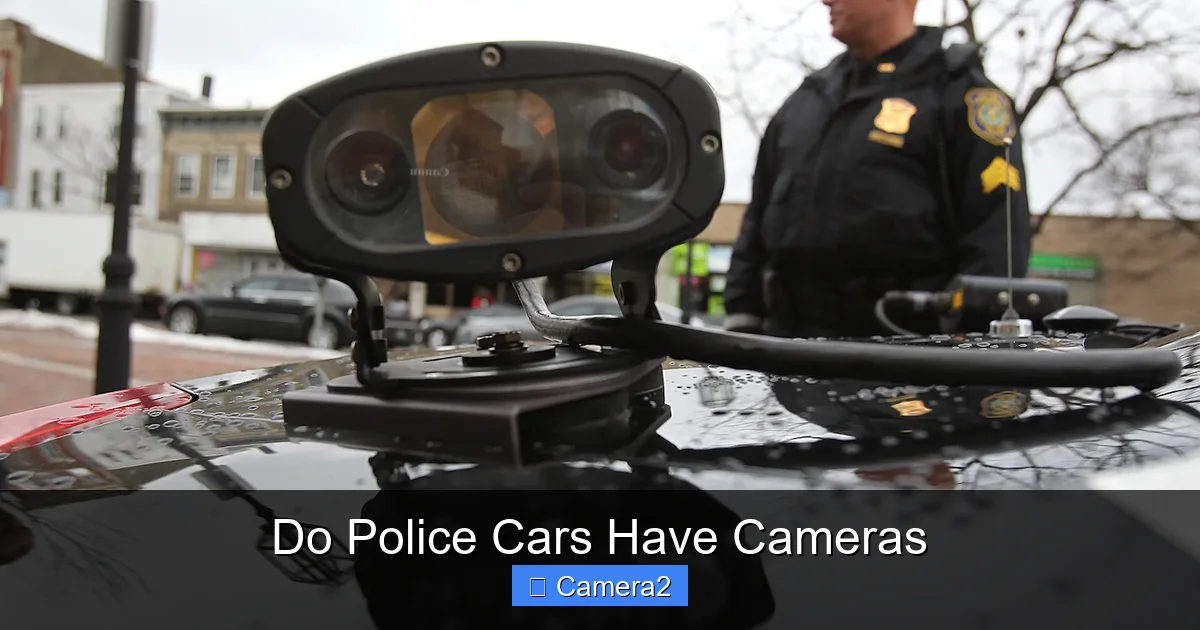
Visual guide about Do Police Cars Have Cameras
Image source: motorbiscuit.com
2.2 Automatic Incident Detection
When the vehicle’s siren or lights are activated, a sensor sends a signal to the camera system to start recording. Some models also detect sudden braking or a rapid change in speed, triggering “event mode” automatically.
2.3 Data Transfer and Storage
After a shift, footage is downloaded to a secure server—often via encrypted Wi‑Fi or a removable USB/SSD. Many departments use cloud‑based storage, which adds redundancy and makes it easier for supervisors to review video.
2.4 Reducing Blind Spots
To cover angles that a single dash cam can’t see, departments may install a second camera on the passenger side or a rear‑view unit. This helps capture interactions that happen on the sidewalk or behind the vehicle.
3. Legal Landscape: When Can Police Cameras Record?
3.1 State‑Specific Rules
Each state sets its own guidelines for video and audio capture. Some states, like California, require officers to inform drivers that they are being recorded. Others allow audio only if the officer is a party to the conversation.
3.2 Federal Guidelines
The Department of Justice’s Law Enforcement Use of Body‑Worn Cameras policy recommends that agencies adopt clear policies on activation, retention, and public access, but it is not legally binding.
3.3 Privacy Exceptions
Officers typically turn cameras off when entering private homes, hospital rooms, or other areas where a reasonable expectation of privacy exists. This mirrors rules for other surveillance tools, such as the cameras discussed in are there cameras in elevators.
3.4 Public Access to Footage
Many states have Freedom of Information Act (FOIA)‑style requests that let citizens obtain video. However, redaction for privacy (faces of minors, victims, etc.) is common.
4. Benefits of Police Car Cameras
4.1 Evidence Collection
Video provides an objective record that can be used in court. In traffic citations, a dash‑cam clip can prove whether a driver ran a red light or not.
4.2 Officer Safety
Knowing a recording is happening can deter aggression from suspects. Studies show departments with cameras experience fewer complaints and lower rates of use‑of‑force incidents.
4.3 Training Tool
Supervisors review footage to coach officers on de‑escalation techniques, proper protocol, and legal compliance.
4.4 Public Trust
Transparent video evidence helps build community confidence. When footage is released promptly after a high‑profile incident, it can clarify what actually occurred.
5. Common Concerns and Misconceptions
5.1 “Are the cameras always on?”
Most systems record only when the vehicle is on duty—usually when the lights, siren, or a specific button is engaged. Continuous recording is rare because of storage limits and privacy considerations.
5.2 “Do they record sound?”
Audio capture varies. In states that allow it, the dash cam records both video and sound. For an overview of audio capabilities, read do dash cameras record sound.
5.3 “Can I block a police car’s camera?”
Attempting to obstruct a dash cam is illegal in many jurisdictions and could be treated as tampering with law‑enforcement equipment.
5.4 “What about privacy inside the car?”
When a police officer is not present, the interior cabin camera is usually disabled. Policies differ, but most departments respect the privacy of passengers when no officer is in the vehicle.
6. Practical Tips for Citizens
6.1 Know Your Rights
If you’re stopped, you can politely ask whether the officer is recording. In many places, they must disclose this.
6.2 Request Footage
Follow your state’s FOIA process to request dash‑cam video after an incident. Include the date, time, location, and officer badge number if known.
6.3 Preserve Your Own Evidence
Using a personal dash cam or smartphone video can complement police footage, especially if you believe the recording is incomplete.
6.4 Stay Calm and Cooperative
Being respectful can reduce tension and increase the likelihood that the officer follows proper recording protocol.
Conclusion
So, do police cars have cameras? Absolutely—most modern patrol vehicles are equipped with a suite of video tools that record forward, interior, and sometimes rear views. These cameras serve multiple purposes: they gather evidence, protect officers, and promote transparency. While the technology is powerful, it is balanced by legal safeguards that protect privacy and define how recordings can be used.
Understanding the capabilities, legal limits, and your own rights empowers you to navigate any encounter with confidence. Whether you’re curious about the tech, worried about privacy, or need video for a legal matter, knowing what’s behind the lens makes the road a little clearer for everyone.
Frequently Asked Questions
Do all police departments use dash cams?
Most large departments have adopted dash cams, but smaller or rural agencies may still be transitioning due to budget constraints.
Can police dash cams record audio?
Audio recording depends on state law. Some states allow it with officer consent; others prohibit it unless the officer is a party to the conversation.
How long is police car footage kept?
Retention periods vary—typically 30 to 90 days for routine stops, but evidence for criminal cases can be stored for years.
Can I request the video from my traffic stop?
Yes. Submit a public‑records request to the agency that handled the stop, following your state’s FOIA procedures.
What happens if a police officer forgets to turn on the camera?
Failure to activate a required camera can result in disciplinary action and may affect the admissibility of any evidence from that encounter.
Are police car cameras the same as body‑worn cameras?
They are separate devices, but many systems sync them so that when the dash cam starts, the body‑worn camera starts automatically.