What Is Treble on Speakers
Treble controls the high-frequency sounds in your audio system, bringing clarity to vocals, instruments, and subtle details. When you adjust treble correctly, you avoid harshness while keeping every note crisp and distinct. Understanding what is treble on speakers helps you tune your setup for movies, music, and gaming with confidence. This guide breaks down the science, settings, and practical tips you need to master your sound.
Audio can feel like a puzzle sometimes. You turn a knob or slide a bar, and suddenly the sound changes in a way that feels hard to describe. That is exactly why understanding what is treble on speakers matters so much. Treble is one of the main building blocks of sound, and it controls the bright, sharp, and detailed parts of what you hear. When you get it right, music feels alive and dialogue stays crisp. When you get it wrong, everything can sound thin, harsh, or flat.
Many people skip over treble settings because they seem confusing at first. The good news is that the basics are simple once you know what to listen for. You do not need to be an audio engineer to make real improvements. You just need to understand how high frequencies work, how your speakers handle them, and how small adjustments can change the whole experience. This guide walks you through everything in plain language, so you can tune your system with confidence.
Before we dive in, it helps to think about how we hear sound in everyday life. A bird chirping, a cymbal shimmer, a singer hitting a bright note, or the subtle rustle of fingers on a guitar string all live in the upper range of audio. Those details give sound its shape and personality. Treble is the control that lets you bring those details forward or pull them back, depending on what you want from your listening experience.
Key Takeaways
- Treble handles high frequencies: It shapes sounds above 2,000 Hz, affecting clarity, sparkle, and detail in your audio.
- Balance is everything: Too much treble causes harshness, while too little makes sound dull and muddy.
- Room acoustics matter: Hard surfaces reflect high frequencies, so your treble settings may need adjustment based on your space.
- Speaker placement changes perception: Moving speakers closer or farther from walls alters how treble reaches your ears.
- Use the equalizer wisely: Small adjustments of 2-3 dB are usually enough to fix brightness or dullness.
- Match treble to your content: Music, movies, and podcasts each benefit from slightly different treble profiles.
- Test with familiar tracks: Use songs you know well to judge whether your treble settings sound natural and clear.
📑 Table of Contents
- What Is Treble on Speakers and How It Works
- Why Treble Settings Matter for Everyday Listening
- How to Adjust Treble for the Best Sound
- Common Treble Problems and Simple Fixes
- Choosing Speakers and Settings for Better Treble
- Quick Tips for Tuning Treble Like a Pro
- Expert Insights on Treble and Sound Quality
- Key Takeaways for Better Treble Control
What Is Treble on Speakers and How It Works
Treble refers to the high-frequency range in audio. In simple terms, it covers the brighter sounds that add detail, air, and clarity to what you listen to. When people ask what is treble on speakers, they are really asking how their system handles those upper notes and how much emphasis those notes get. This range usually starts around 2,000 Hz and extends upward, though the exact cutoff can vary by system and speaker design.
High frequencies are important because they carry a lot of information. They help you hear the attack of a drum, the texture of a vocal, and the subtle shimmer of instruments. Without enough treble, audio can feel dull or distant. With too much treble, the same audio can become sharp, fatiguing, or even painful over time. The goal is not to maximize treble, but to shape it so it sounds natural and balanced.
The Role of High Frequencies in Sound
High frequencies are often the first thing your ears notice when you listen closely. They give sound its sense of space and definition. For example, the crisp edge of a snare drum or the bright breath in a vocal performance comes from this range. When treble is set well, you can distinguish instruments more easily and feel more connected to the music or dialogue.
At the same time, high frequencies are sensitive. Small changes can make a big difference in how audio feels. That is why many systems let you adjust treble in small steps rather than large jumps. A gentle boost can add openness, while a slight cut can calm harshness. The best setting usually depends on your speakers, your room, and your personal taste.
How Treble Differs From Midrange and Bass
Sound is often divided into three broad zones. Bass covers the low, deep tones. Midrange sits in the middle and carries much of the body of vocals and instruments. Treble handles the upper detail and brightness. Thinking in these three zones makes it easier to understand why a sound system can feel full but still lack clarity, or feel sharp but lack warmth.
If bass is the foundation and midrange is the structure, treble is the finish. It adds the final layer of detail that helps sound feel complete. A system with strong bass and midrange but weak treble may sound big and warm, yet blurry. A system with strong treble but weak bass may sound thin and brittle. Good audio usually comes from balance, not from pushing one range to the extreme.
Why Treble Settings Matter for Everyday Listening
Treble is not just a technical setting for audio enthusiasts. It affects how you experience almost everything you listen to on a daily basis. If you watch movies, treble helps dialogue stay clear even when sound effects get loud. If you listen to music, it helps instruments separate from one another instead of blending into a muddy wash. If you game, it can make footsteps, reload sounds, and environmental cues easier to notice.
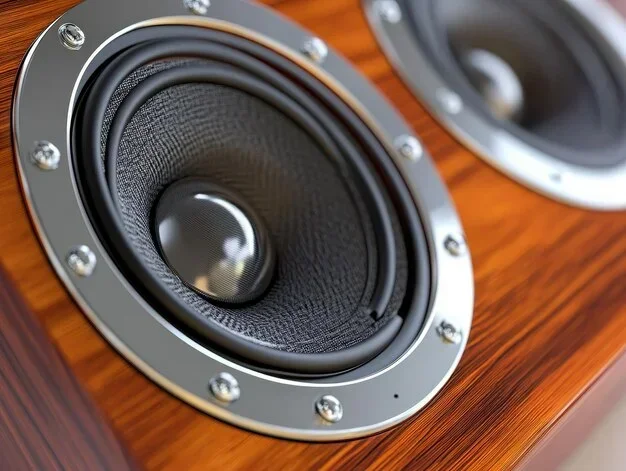
Visual guide about high fidelity stereo speakers closeup
Image source: img.freepik.com
A lot of people do not realize that their default treble setting may not match their room or their preferences. Factory settings are often designed to sound acceptable in many situations, but they are not always ideal for your specific setup. That is why learning what is treble on speakers and how to adjust it can make a noticeable difference in your everyday listening.
Clearer Vocals and Dialogue
One of the biggest benefits of good treble control is clearer speech. Vocals sit mostly in the midrange, but the upper edge of that range helps syllables stay distinct. When treble is too low, voices can sound muffled or far away. When it is set well, words feel more present and easier to follow, which is especially useful during movies, podcasts, and video calls.
This is also why some listeners prefer a slight treble lift for spoken content. It can make voices feel more open without making them harsh. The key is to avoid overdoing it, because too much brightness can make long listening sessions tiring. A balanced approach usually works best for everyday use.
Better Detail in Music and Movies
Music lovers often notice treble most when they listen closely to complex tracks. The touch of a hi-hat, the breath in a vocal line, or the shimmer of a string section all depend on high-frequency detail. When treble is well tuned, those small elements come through without overwhelming the rest of the sound. Movies benefit in a similar way, especially during atmospheric scenes where subtle background cues matter.
Good treble also helps create a sense of space. It can make a recording feel more open and realistic, as if the sound is happening around you rather than coming from a single box. That does not mean brighter is always better. It means the right amount of treble helps preserve the detail the recording already contains.
How to Adjust Treble for the Best Sound
Adjusting treble is usually straightforward once you know what you are aiming for. Most systems give you a treble control, a high-frequency EQ band, or a tone setting. The exact names vary, but the idea is the same: you are deciding how much emphasis the system should place on the upper range. The best results come from making small changes and listening carefully after each one.
A practical approach is to start from a neutral position and then adjust based on what you hear. If the sound feels dull, try a small increase. If it feels sharp or irritating, try a small decrease. It often helps to test with content you know well, because familiar music or dialogue makes problems easier to spot. The more you listen, the easier it becomes to tell when treble is helping or hurting the sound.
Using Equalizer Settings With Care
Equalizers can be powerful, but they are easy to misuse. A common mistake is boosting treble too much in an attempt to make audio sound more exciting. That can work for a moment, but it often creates fatigue and masks other details. A better habit is to make gentle changes and give your ears time to adjust. Small moves usually sound more natural than dramatic ones.
It also helps to think about the whole sound, not just one slider. If you raise treble a lot, you may need to check whether the midrange still feels balanced. If you cut treble too much, the system may lose its sense of air. The most satisfying settings usually come from listening to the full picture rather than chasing one isolated effect.
Matching Treble to Your Room and Setup
Your room changes how treble reaches your ears. Hard walls, glass surfaces, and bare floors can reflect high frequencies, making the sound brighter than expected. Softer furniture, rugs, and curtains can soften those reflections. Because of that, the same speaker can sound different in two rooms, even with the same treble setting.
Speaker placement matters too. A speaker placed close to a wall may produce stronger reflections, which can affect the high end. Moving it slightly can change how bright or smooth the sound feels. If your audio seems too sharp, it may not be a treble problem at all. It might be a placement or room-acoustics issue. That is why it helps to look at the whole setup before making big adjustments.
Common Treble Problems and Simple Fixes
Treble issues usually show up in a few familiar ways. Sometimes the sound feels too bright and irritating. Sometimes it feels flat and lifeless. Sometimes certain songs sound fine while others feel harsh. These problems are common, and most of them have simple fixes once you know what to look for. The key is to identify whether the issue comes from the setting, the speakers, the room, or the source material.
When you understand what is treble on speakers and how it interacts with the rest of the system, troubleshooting becomes much easier. Instead of randomly turning knobs, you can make targeted changes and test the results. That saves time and leads to better sound faster.
Too Much Treble and Harsh Sound
Harshness is one of the most common complaints. It often happens when high frequencies are boosted too much or when the speakers naturally emphasize the upper range. The result can be a sharp, brittle sound that becomes uncomfortable during longer listening sessions. In some cases, certain frequencies stand out more than others, which makes the problem feel even more noticeable.
A good first fix is to lower the treble slightly and listen again. If the sound improves, you may have found the issue. If it still feels harsh, try checking the speaker placement and reducing reflective surfaces near the listening area. Sometimes a small move or a bit of soft furnishing makes a bigger difference than another EQ tweak. It can also help to try different source material, since some recordings are naturally brighter than others.
Too Little Treble and Dull Audio
On the other end, some systems sound dull when treble is set too low. Audio may feel heavy, soft, or lacking in detail. Vocals can lose their presence, and instruments may blend together more than they should. This often happens when someone lowers treble to avoid harshness but goes too far in the other direction.
If your sound feels lifeless, try a small treble increase and see whether the audio becomes more natural. The goal is not to make it bright for the sake of brightness. The goal is to restore clarity and detail. If a small boost does not help, check whether the speakers are capable of clear high-frequency output and whether anything is blocking or muffling them. Sometimes the problem is physical, not electronic.
Choosing Speakers and Settings for Better Treble
Not all speakers handle treble the same way. Some are designed to sound warm and smooth, while others aim for a more detailed and lively presentation. That means your speaker choice can influence how much treble adjustment you need. If you know what kind of sound you prefer, it becomes easier to pick equipment and settings that match your taste instead of fighting against it.
It also helps to think about how you listen. A setup for relaxed background music may not need the same treble profile as a setup for critical listening or home theater use. The best configuration is the one that fits your habits and your space. When you understand what is treble on speakers in practical terms, you can make choices that improve your experience every day.
Matching Speaker Type to Your Listening Habits
Different speakers bring different strengths. Some emphasize smoothness, which can make them forgiving and pleasant for long sessions. Others emphasize detail, which can be exciting when you want to hear every nuance. Neither approach is automatically better. It depends on what you listen to and how you like your audio to feel.
If you enjoy vocal-heavy music, podcasts, or movies, you may appreciate a speaker that keeps the high end clear without becoming sharp. If you listen to energetic music and want a lively feel, you may prefer a system with a bit more brightness. The important part is consistency. A speaker that matches your preferences will usually need less tweaking and feel more natural over time.
When to Use a Professional Setup or Calibration
Sometimes the easiest path is to let a more structured setup process do the work. Many modern systems include calibration tools, preset modes, or guided EQ options. These can be helpful if you are unsure where to start. They are not a replacement for listening, but they can give you a solid starting point and reduce guesswork.
If you want the best results, use calibration as a baseline and then adjust based on your own ears. Presets can be useful, but your room and your taste still matter. A setting that works in one space may not work in another. That is why a little careful listening goes a long way, even when you have helpful tools available.
Quick Tips for Tuning Treble Like a Pro
If you want faster, cleaner results, a few simple habits can make a big difference. These tips are easy to apply and do not require special equipment. They are mostly about listening carefully, making small changes, and avoiding the urge to chase a perfect sound that does not exist.
- Start neutral: Begin with the treble near the middle or default position, then adjust from there.
- Make small moves: Change the setting in small steps so you can hear the effect clearly.
- Use familiar tracks: Test with songs or movies you know well, because they make problems easier to spot.
- Check at different volumes: Treble can feel different at low and high volume, so listen at the levels you actually use.
- Watch for fatigue: If your ears feel tired, the treble may be too bright for long sessions.
- Consider the room: Rugs, curtains, and furniture can soften harsh reflections and improve clarity.
- Trust balance over brightness: Clear sound is good, but harsh sound is not the same as better sound.
Expert Insights on Treble and Sound Quality
Experienced listeners usually agree on one thing: treble should support the rest of the sound, not dominate it. The best settings tend to feel natural, with enough detail to keep things interesting but not so much that the audio becomes stressful. That balance is what turns a decent setup into a genuinely enjoyable one.
Another useful insight is that personal preference matters more than chasing a single perfect setting. Some people like a little extra air and sparkle. Others prefer a smoother, softer top end. Both can be right, depending on the listener and the content. The smartest approach is to learn what you enjoy, then build your settings around that instead of following a rigid rule.
It is also worth remembering that source quality affects what treble can do. A well-recorded track gives you more detail to work with, while a poor recording may never sound truly crisp no matter how you adjust the controls. Good settings can improve what is there, but they cannot create detail that the source does not contain. Keeping that in mind helps you set realistic expectations and avoid frustration.
Key Takeaways for Better Treble Control
Treble is one of the easiest controls to overlook and one of the easiest to misuse. Once you understand it, though, it becomes a powerful tool for shaping how your audio feels. Clear vocals, detailed music, and comfortable listening all depend on getting the high end right. The best results usually come from balance, patience, and a little careful listening.
If you remember nothing else, remember this: treble should make sound clearer, not sharper. When you adjust it with that goal in mind, you will avoid most of the common pitfalls and enjoy a more natural listening experience. That is the real value of understanding what is treble on speakers and using it wisely.
Frequently Asked Questions
What does treble do on speakers?
Treble controls the high-frequency part of sound, which affects clarity, detail, and brightness. It helps vocals, instruments, and subtle effects sound more defined and open.
Is more treble always better?
No, more treble is not always better. Too much can make audio sound harsh, sharp, or tiring, while the right amount keeps sound clear and natural.
How do I know if my treble is set too high?
If the sound feels irritating, brittle, or uncomfortable during longer listening sessions, the treble may be too high. Harsh vocals and overly sharp cymbals are common signs.
How do I fix dull or muddy sound?
Start by raising the treble slightly and testing familiar music or dialogue. If the sound stays dull, check speaker placement, room reflections, and whether anything is blocking the speakers.
Should treble settings change for music and movies?
They can. Music may benefit from a little more detail and air, while movies often sound best with clear dialogue and controlled brightness. The best setting depends on your preference and your content.
Can room acoustics affect treble?
Yes, room acoustics can change how treble sounds a lot. Hard surfaces reflect high frequencies, while softer materials can reduce brightness and make the sound smoother.
=== CONCLUSION ===
Understanding what is treble on speakers gives you much more control over how your audio sounds every day. Treble shapes the bright, detailed part of sound, and when it is balanced well, your music feels clearer, your dialogue feels sharper, and your overall listening experience feels more natural. The best settings are usually the ones that add clarity without creating harshness.
The easiest way to improve is to start small, listen carefully, and make changes based on what you actually hear. Your speakers, your room, and your personal taste all matter, so there is no single perfect setting for everyone. Once you learn how treble affects your system, you can tune it with confidence and enjoy sound that feels both detailed and comfortable.