What Is the Lifetime of a Projector
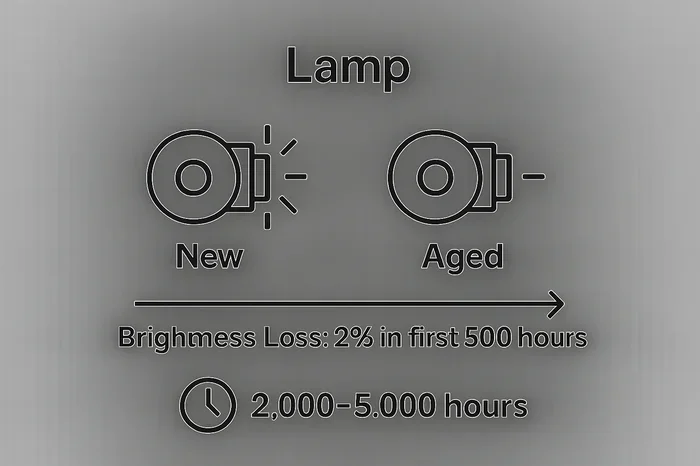
The lifetime of a projector depends on its light source, how you use it, and how well you maintain it. Most lamp-based models last between 2,000 and 5,000 hours, while LED and laser projectors can shine for 20,000 hours or more. Understanding these numbers helps you plan replacements and get the best value from your investment.
So, what is the lifetime of a projector? The simple answer is that it varies by the type of light source, how often you use it, and how well you care for it. A projector is not a set-and-forget device. Its light engine, heat management, and air filters all play a role in how many years of service you get. In this guide, we will break down the real numbers behind projector longevity, compare different technologies, and share practical steps to stretch your projector’s life as far as possible.
Whether you use a portable projector for movie nights or a business projector for daily meetings, understanding its lifespan helps you plan your budget. You will learn the average hours for each type, the factors that shorten or extend that life, and clear signs that tell you it is time to retire the old unit. Let us walk through everything you need to know.
Key Takeaways
- Lamp projectors typically last 2,000–5,000 hours before the bulb needs replacement.
- LED projectors can run for 20,000–30,000 hours, making them ideal for home theaters.
- Laser projectors offer the longest life, often exceeding 25,000 hours with consistent brightness.
- Proper ventilation and filter cleaning can add years to any projector’s lifespan.
- Dimming the image when full brightness is not needed reduces wear on the light source.
- Knowing when to replace vs. repair saves money and prevents downtime during important presentations.
📑 Table of Contents
What Is the Lifetime of a Projector?
When we talk about the lifetime of a projector, we usually measure it in hours of usage. A projector that sits in a closet for one movie a month will outlast one that runs eight hours a day in a classroom. Manufacturers rate projectors by their light source hours, and those numbers give you a solid baseline. However, the true lifetime also depends on how the projector ages in your specific environment.
For most users, a projector lasts between 3 and 10 years. That range is wide because usage patterns differ so much. A home theater projector used only on weekends might easily hit the 10-year mark, while a corporate projector running 40 hours a week may need a new lamp after just three years. The key is to match your expectations with the right technology and maintenance routine.
Types of Projector Light Sources and Their Lifespans
Not all projectors are built the same way. The light source is the biggest factor in how long a projector will last. Here is a look at the three main types you will find on the market today.
| Light Source | Average Lifespan (Hours) | Typical Use Case | Replaceable Part? |
|---|---|---|---|
| Traditional Lamp | 2,000 – 5,000 | Business, classrooms, budget home theaters | Yes, lamp module |
| LED | 20,000 – 30,000 | Home theater, portable, outdoor | No, built into the engine |
| Laser | 25,000 – 35,000+ | Large venues, high-end home theater, digital signage | Sealed, lasts the life of the unit |
Lamp-Based Projectors
Lamp-based projectors have been the standard for decades. They use a high-intensity discharge bulb that produces bright, vibrant images. The projector lamp life typically ranges from 2,000 to 5,000 hours. If you run your projector for 4 hours every evening, that lamp will last roughly 1.5 to 3 years. After that, the image starts to fade, and colors may shift. Replacing a lamp module costs between $100 and $300, depending on the model. This is the most common ongoing expense for projector owners.
LED Projectors
LED projectors use light-emitting diodes instead of a traditional bulb. The LED projector lifespan is dramatically longer—often 20,000 to 30,000 hours. That means if you watch 4 hours of content daily, an LED projector could last over 13 years without any light source replacement. The trade-off is that early LED models were dimmer, but modern LED and hybrid LED-laser projectors now deliver excellent brightness. They also turn on instantly and do not suffer from the gradual dimming that lamp projectors do.
Laser Projectors
Laser projectors represent the cutting edge of projection technology. A laser projector longevity of 25,000 hours or more makes them the clear choice for heavy use. They maintain consistent brightness throughout their life, unlike lamps that slowly fade. Laser projectors are more expensive upfront, but their projector cost per hour of ownership is often lower over time because you never need to buy a replacement bulb. They are perfect for auditoriums, classrooms, and dedicated home theaters.
Factors That Affect Projector Lifespan
Even the best projector will not last long if you do not take care of it. Several factors determine how many years of service you will get. Understanding these can help you avoid common pitfalls.
Usage Hours and Brightness Settings
The more you use your projector, the faster it wears out. This is simple math. Running a lamp projector at full brightness for 8 hours a day will wear out the bulb much faster than using it at 50% brightness for 2 hours a day. Many projectors have an eco mode or economy setting that reduces brightness slightly but dramatically extends the light source life. If you are not projecting in a brightly lit room, try using eco mode. It is one of the easiest ways to boost projector longevity.
Environment and Ventilation
Projectors generate a lot of heat. They need airflow to stay cool. Placing a projector in a cramped cabinet or on a carpeted floor can block vents and cause overheating. Overheating shortens the life of the bulb, LED array, or laser module. Just as a good CPU cooler keeps your computer from overheating, proper projector placement and ventilation are essential. Always leave several inches of space around the vents and avoid using the projector in dusty environments without a protective cover.
Maintenance and Filter Care
Most projectors have an air filter that traps dust. A clogged filter restricts airflow and causes the internal temperature to rise. This leads to premature wear on the light engine. Cleaning or replacing the filter every few months is a simple habit that pays off. For projector maintenance, check your owner’s manual for the recommended schedule. In a home environment with pets or smokers, you may need to clean the filter more often.
Humidity and Temperature Control
Projectors do not like extreme temperatures or high humidity. Operating your projector in a room that is too hot or too cold can stress the electronics and the light source. Aim for a room temperature between 60°F and 75°F (15°C and 24°C). Avoid placing the projector near radiators or in direct sunlight. High humidity can cause condensation inside the lens, which leads to mold and foggy images. A dry, climate-controlled room is the best environment for any projector.
Common Mistakes That Shorten Projector Life
- Running the projector in a dusty room without cleaning the filter regularly.
- Turning the projector off immediately after use instead of letting the fan cool it down.
- Blocking the vents by placing the projector on a soft surface or inside a closed cabinet.
- Using the wrong brightness setting for the ambient light in the room.
- Ignoring warning signs like flickering or color shifts until the projector stops working.
- Leaving the projector plugged in during a storm can cause power surges that damage the circuitry.
- Using abrasive cleaners on the lens can scratch the glass and permanently degrade image quality.
How to Extend Your Projector’s Life
You can take several simple steps to get the most hours out of your projector. These habits are easy to adopt and make a big difference over time.
Regular Cleaning and Filter Replacement
Dust is the number one enemy of any projector. Use a soft, dry cloth to wipe the exterior and a can of compressed air to clean the vents. If your projector has a washable filter, rinse it gently and let it dry completely before reinserting. For replaceable filters, follow the manufacturer’s schedule. This small effort prevents overheating and keeps the internal components healthy.
Smart Power Habits
Always let the projector’s fan run after you turn it off. The cooling cycle is designed to bring the temperature down gradually. Cutting power immediately can trap heat inside the unit. Also, avoid moving the projector while it is still warm. Sudden temperature changes can cause condensation on the internal optics, which is just as damaging as overheating.
Quick Tip: If you use your projector daily, invest in a surge protector. Power spikes can damage the delicate electronics. A simple surge protector adds a layer of insurance that costs very little.
Maintenance Schedule
Creating a simple maintenance schedule keeps your projector running smoothly. Here is a basic routine:
- Monthly: Check the air filter and clean if needed.
- Every 3 months: Inspect the vents for dust buildup.
- Every 6 months: Clean the lens with a microfiber cloth.
- Annually: Replace the air filter if it is not washable.
Sticking to this schedule prevents most problems before they start. It takes only a few minutes each month and can add years to your projector’s life.
Investment and Timing Your Purchase
Much like investing in the right PC can extend its lifespan, choosing a projector with a longer-lasting light source saves you money in the long run. If you know you will use the projector heavily, spending a bit more on a laser or LED model pays for itself within a few years. On the other hand, if you only use a projector occasionally, a lamp-based model might be perfectly fine and easier to replace.
Signs Your Projector Is Reaching the End of Its Life
Projectors do not just stop working one day. They give you warning signs. Learning to recognize these signals can help you plan a replacement before you are stuck with a dark screen in the middle of a movie or presentation.
Dimming Image and Color Shifts
The most obvious sign is a loss of brightness. If the image looks washed out even after cleaning the lens and adjusting settings, the light source is likely fading. Lamp projectors often show a gradual dimming over weeks or months. LED and laser projectors maintain brightness much longer, but even they can develop color shifts if the diodes or laser modules degrade. If you find yourself constantly increasing the brightness to compensate, it is time to consider a replacement.
Unusual Noises and Overheating
A projector that starts making loud clicking, grinding, or buzzing noises is telling you something is wrong. The fan may be failing, or dust may be clogging the internal components. Overheating will also trigger automatic shutoffs in modern projectors. If your projector powers down during use and then restarts after cooling, you have a thermal issue that needs attention. Ignoring these signs can lead to permanent damage to the light engine or motherboard.
When to Replace vs. Repair Your Projector
Deciding whether to repair or replace a projector depends on the cost of the repair, the age of the unit, and your needs.
Cost Analysis: Repair or Replace?
Replacing a lamp is relatively inexpensive, usually under $300. If your projector is otherwise in good shape, a new lamp can give you another 2,000–5,000 hours. However, if the projector needs a new LED engine or laser module, the cost can exceed half the price of a new unit. In that case, replacement is the smarter choice. Always get a quote from a certified service center before committing to a major repair.
The Investment Perspective
Just as timing your laptop purchase can save you money, timing your projector replacement matters too. If your projector is more than 5 years old and requires frequent repairs, it is often more cost-effective to buy a new one. Newer models are also more energy-efficient and often come with better color accuracy and smart features. Look at the projector cost per hour of your old unit versus a new model to make an informed decision.
Conclusion
The lifetime of a projector is not a single number—it is a combination of technology, usage habits, and care. A lamp projector will serve you well for a few years with periodic bulb replacements. An LED projector can easily last a decade or more. A laser projector offers the best of both worlds: extreme longevity and consistent image quality. By choosing the right type, maintaining it properly, and watching for early warning signs, you will get the most value from your investment.
Take a few minutes today to check your projector’s filter and ventilation. Small habits lead to big savings. Now you know exactly what to expect from your projector and how to keep it shining bright for years to come.
Frequently Asked Questions
How many hours does a projector lamp last?
Most projector lamps last between 2,000 and 5,000 hours. If you use your projector for 4 hours a day, that translates to roughly 1.5 to 3 years of lamp life. Eco mode can extend this to the upper end of the range.
Can I use a projector every day?
Yes, but daily use will wear out the light source faster. If you plan to use a projector every day, choose an LED or laser model. These technologies are built for heavy, continuous use and will last much longer than a traditional lamp projector.
How do I know if my projector bulb needs replacing?
Look for a dimming image, color shifts, or a message on the display indicating the lamp life is low. Many projectors also flash a warning light. If the image appears noticeably dimmer even after cleaning the lens, it is time for a replacement.
Is it worth repairing an old projector?
It depends on the repair cost and the age of the unit. A new lamp is usually worth the cost. But if the repair involves the light engine or laser module and costs more than half a new projector, replacement is the better option.
What is the best projector for long-term use?
Laser and LED projectors offer the longest lifespans. They do not require frequent bulb replacements and maintain brightness over thousands of hours. They are ideal for home theaters, classrooms, and businesses that need reliable, long-lasting projection.
Does projector brightness fade over time?
Yes, all projectors experience some brightness decay. Lamp projectors fade gradually as the bulb ages. LED and laser projectors hold their brightness much longer, often maintaining over 80% of their original output for most of their rated lifespan.