Is It Legal to Have Cameras in Hotel Rooms

Ever wondered if hotels can legally place cameras in guest rooms? The short answer is no—privacy laws and hotel policies generally forbid it, but loopholes exist. This guide breaks down the legal landscape, explains your rights, and offers practical steps to protect yourself during any stay.
Key Takeaways
- Federal privacy laws protect guests: The Fourth Amendment and various statutes make secret recording in private hotel rooms illegal.
- State laws vary widely: Some states have stricter “two‑consent” rules, while others impose heavy penalties for any hidden camera.
- Hotels must disclose surveillance: Common areas can be monitored, but guest rooms require explicit consent or signage.
- Penalties are severe: Fines, criminal charges, and civil lawsuits can follow violations.
- Know the signs: Look for tiny lenses, unusual wires, and check for “no recording” policies in the room handbook.
- Take action safely: Document evidence, report to management, and contact local law enforcement if you suspect a camera.
- Protect your privacy: Use camera‑detecting apps, portable blockers, and travel with a “privacy kit” for peace of mind.
📑 Table of Contents
- Introduction: Why This Question Matters
- 1. The Legal Foundations: Federal Laws and Constitutional Rights
- 2. State Laws: A Patchwork of Consent Rules
- 3. Hotel Policies: What the Industry Says
- 4. How to Detect Hidden Cameras in Your Hotel Room
- 5. What To Do If You Find a Camera
- 6. Preventive Measures for Future Stays
- Conclusion: Your Right to Privacy Is Not Negotiable
Introduction: Why This Question Matters
Traveling can feel like opening a new chapter—different city, new hotel, fresh experiences. But what if, behind the plush pillows and soft lighting, a hidden camera is watching you? The idea sounds like a plot from a thriller, yet real‑life incidents have sparked headlines and lawsuits. Understanding is it legal to have cameras in hotel rooms is essential for anyone who values privacy.
In this article, we’ll walk through the legal framework, explore state‑by‑state nuances, and give you hands‑on tips to spot and deal with unwanted surveillance. Think of it as a friendly chat over coffee, with clear, simple language and practical examples you can use right away.
1. The Legal Foundations: Federal Laws and Constitutional Rights
1.1 The Fourth Amendment and Expectation of Privacy
The U.S. Constitution’s Fourth Amendment protects people against unreasonable searches and seizures. Courts have repeatedly ruled that a hotel room is a “private space” where guests have a reasonable expectation of privacy. This means any hidden recording device placed without consent can be considered an illegal search.
Visual guide about Is It Legal to Have Cameras in Hotel Rooms
Image source: gd-hbimg.huaban.com
1.2 Federal Statutes That Apply
Several federal statutes reinforce this protection:
- Video Voyeurism Prevention Act (2004): Criminalizes the use of visual recording devices to capture a person’s private areas without consent, especially in places where there is an expectation of privacy.
- Electronic Communications Privacy Act (ECPA): Makes it illegal to intercept electronic communications without authorization.
- Travelers’ Protection Act: While not a stand‑alone law, it guides federal agencies to enforce privacy standards in travel accommodations.
If a hotel violates these statutes, the guest can pursue criminal charges and civil damages.
2. State Laws: A Patchwork of Consent Rules
2.1 Two‑Consent vs. One‑Consent States
Most states follow a “one‑consent” rule: only one party needs to consent to a recording. However, when it comes to video in private spaces, many states have upgraded to “two‑consent” or “all‑parties‑consent” rules. For example:
Visual guide about Is It Legal to Have Cameras in Hotel Rooms
Image source: i-blog.csdnimg.cn
- California: Strict two‑consent law; recording in a private room without all parties’ permission is a misdemeanor.
- New York: Similar two‑consent requirement, with penalties up to $5,000 per violation.
- Texas: One‑consent for audio, but video in private areas still requires consent.
2.2 State Penalties and Civil Remedies
Violations can lead to:
- Criminal misdemeanors or felonies (depending on intent and frequency).
- Fines ranging from $1,000 to $10,000 per incident.
- Victims may sue for damages, including emotional distress, loss of reputation, and punitive damages.
Because laws differ, it’s wise to check the specific statutes of the state where the hotel is located.
3. Hotel Policies: What the Industry Says
3.1 Standard Disclosure Practices
Reputable hotel chains publish privacy policies that clearly state cameras are only used in public areas—lobbies, elevators, parking garages, and sometimes conference rooms. They must display signage where surveillance exists. If a hotel places a camera inside a guest room, it must obtain explicit written consent from the guest.
Visual guide about Is It Legal to Have Cameras in Hotel Rooms
Image source: k.sinaimg.cn
3.2 Exceptions and Grey Areas
Some hotels claim the need for “security cameras” in suites for safety, especially in high‑risk locations. While not illegal per se, they must still inform guests and obtain consent. This is where you might see a line in the room handbook stating, “This suite is equipped with an internal security camera for guest safety. By staying here, you consent to recording.” If you never saw such a notice, the camera is likely illegal.
3.3 Real‑World Cases
In 2022, a major hotel chain settled a $2.5 million lawsuit after hidden cameras were discovered in several rooms. The case highlighted the importance of transparent policies and regular audits.
4. How to Detect Hidden Cameras in Your Hotel Room
4.1 Visual Inspection Checklist
Before you unpack, do a quick sweep:
- Check smoke detectors, clocks, and USB chargers for unusual lenses.
- Look behind mirrors, picture frames, and ventilation grates.
- Inspect the TV and any smart devices; some can be hacked to act as cameras.
4.2 Use Technology to Your Advantage
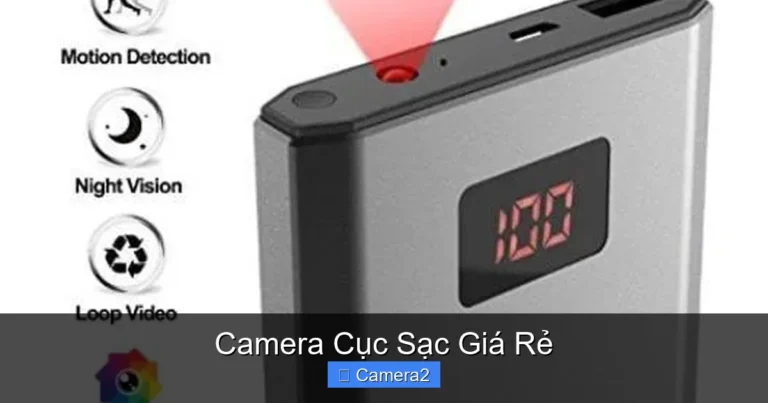
Several smartphone apps can detect infrared light emitted by camera lenses. Simply turn off the lights, open the app, and scan the room. You can also bring a portable camera detector—a small device that beeps when it senses a lens.
4.3 Practical Tips for Peace of Mind
- Cover suspicious lenses with a piece of tape.
- Place a small, bright LED flashlight near potential camera spots; the reflection can reveal hidden lenses.
- Carry a “privacy kit” with a travel‑size lock, a portable door alarm, and a foldable privacy screen.
For more ideas on protecting private spaces, see our article on Are You Allowed To Have Cameras In Your Bedroom.
5. What To Do If You Find a Camera
5.1 Document the Evidence
Take photos or videos of the suspected device, note its exact location, and record the time you discovered it. This documentation will be crucial if you need to involve law enforcement or pursue a civil claim.
5.2 Report to Hotel Management Immediately
Ask for a manager, present your evidence, and request a room change. Reputable hotels will investigate promptly and may offer compensation for the inconvenience.
5.3 Contact Local Authorities
If the hotel’s response is unsatisfactory, call the local police department. In many states, recording in a private room without consent is a criminal offense, and law enforcement can seize the device as evidence.
5.4 Follow Up Legally
Consider filing a civil lawsuit for invasion of privacy. Consult an attorney who specializes in privacy law; they can help you assess damages and navigate the legal process.
6. Preventive Measures for Future Stays
6.1 Choose Hotels with Strong Privacy Records
Research reviews on sites like TripAdvisor and look for mentions of “security” or “privacy.” Hotels that openly discuss their camera policies are less likely to hide cameras.
6.2 Use “Secure” Booking Channels
Booking directly through the hotel’s official website often provides clearer policy details than third‑party sites, which may obscure fine print.
6.3 Travel With a Privacy Checklist
Create a short checklist to run through each check‑in:
- Ask about any cameras in the room.
- Inspect the room using the visual checklist.
- Test Wi‑Fi for unusual devices (some routers can show connected hardware).
6.4 Stay Informed About Emerging Tech
New “mini‑spy” cameras can be as small as a button or a USB charger. Keeping up with tech news helps you recognize what to look for. For example, Are There Cameras In Elevators discusses similar surveillance concerns in other public spaces, giving you a broader perspective on where hidden cameras might appear.
Conclusion: Your Right to Privacy Is Not Negotiable
Whether you’re on a business trip or a vacation, the answer to is it legal to have cameras in hotel rooms is clear: without your explicit consent, it is illegal in virtually every jurisdiction. Federal statutes, state consent laws, and hotel policies all work together to protect your privacy.
By staying informed, performing a quick visual sweep, and knowing how to act if you discover a device, you can travel with confidence. Remember, the best defense is awareness—carry a simple detection tool, read the hotel’s privacy notice, and never assume a room is camera‑free without checking.
Safe travels, and may your next stay be both comfortable and completely private.
Frequently Asked Questions
Is it legal for a hotel to install a hidden camera in a guest room?
No. In the United States, both federal law and most state laws forbid secret recording in private spaces like hotel rooms without the guest’s explicit consent.
Can a hotel legally place cameras in public areas such as the lobby or hallway?
Yes. Hotels may use surveillance in common areas for security, but they must post clear signage indicating that recording is taking place.
What should I do if I find a camera in my hotel room?
Document the device with photos or video, report it to hotel management immediately, and contact local law enforcement if the response is inadequate.
Do all states treat hidden camera violations the same way?
No. Some states require consent from all parties (two‑consent states) and impose harsher penalties, while others follow a one‑consent rule but still consider hidden cameras in private rooms illegal.
Are there any tools I can use to detect hidden cameras?
Yes. Smartphone apps that detect infrared light, portable camera detectors, and simple visual inspections (checking smoke detectors, clocks, and vents) are effective methods.
Can I sue a hotel for invading my privacy with a hidden camera?
Absolutely. Victims can pursue civil lawsuits for invasion of privacy, emotional distress, and punitive damages, often in addition to any criminal charges.