Hp Laptop with Wireless Mouse
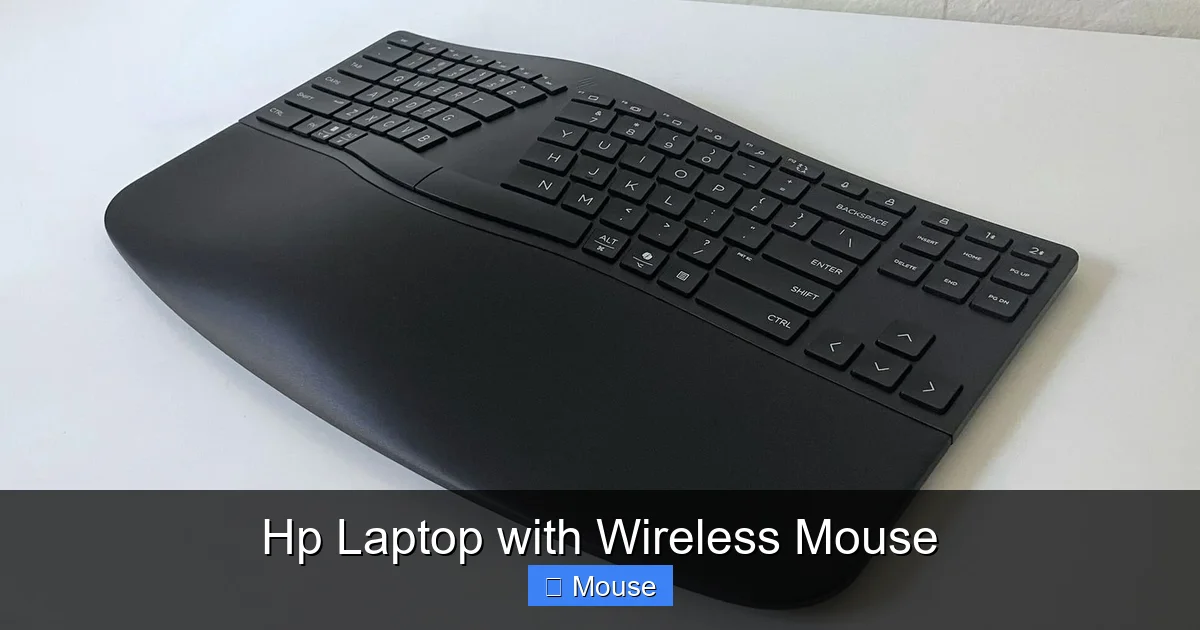
Looking for a seamless way to boost your HP laptop’s usability? Adding a wireless mouse gives you freedom, precision, and comfort without the clutter of cords. This guide walks you through choosing the right mouse, setting it up, and troubleshooting common issues so you can work or game with confidence.
Key Takeaways
- Better ergonomics: A wireless mouse reduces strain compared to touchpads.
- Plug‑and‑play setup: Most HP laptops pair with Bluetooth or USB receivers in minutes.
- Battery life matters: Look for mice with long‑lasting power or rechargeable options.
- Compatibility: Verify that the mouse works with Windows 11/10 and HP’s built‑in drivers.
- Travel‑friendly: Compact, ambidextrous designs fit easily in a laptop bag.
- Troubleshooting tips: Simple steps can fix lag, connectivity, or driver issues.
- Cost vs. features: Balance price with DPI, programmable buttons, and build quality.
📑 Table of Contents
- Introduction: Why Pair an HP Laptop with a Wireless Mouse?
- 1. Choosing the Right Wireless Mouse for Your HP Laptop
- 2. How to Pair Your Wireless Mouse with an HP Laptop
- 3. Optimizing Performance and Comfort
- 4. Troubleshooting Common Issues
- 5. Enhancing Mobility: Travel Tips for the HP Laptop + Wireless Mouse Duo
- Conclusion
Introduction: Why Pair an HP Laptop with a Wireless Mouse?
When you first open an HP laptop, the built‑in touchpad feels fine for quick clicks. But as the day goes on, you might notice wrist fatigue, imprecise selections, or the occasional “sticky” cursor. Adding a wireless mouse changes the game. It gives you a larger, more comfortable surface to work on, smoother tracking for design or gaming, and the freedom to move the mouse away from the laptop’s edge.
In this article we’ll explore everything you need to know about using an HP laptop with a wireless mouse. From picking the perfect model to pairing it, troubleshooting hiccups, and keeping everything secure—consider this your friendly, step‑by‑step companion.
1. Choosing the Right Wireless Mouse for Your HP Laptop
1.1. Connection Types: Bluetooth vs. USB Receiver
Most wireless mice fall into two camps:
Visual guide about Hp Laptop with Wireless Mouse
Image source: laptopinventory.com
- Bluetooth: Uses the laptop’s built‑in Bluetooth radio. No dongle means one less thing to lose, and you can pair multiple devices.
- 2.4 GHz USB Receiver: A tiny dongle that plugs into a USB‑A port. It often offers a stronger, interference‑free signal, especially in crowded Wi‑Fi areas.
If your HP laptop has Bluetooth 5.0 (common on newer models), a Bluetooth mouse keeps your USB ports free for other accessories. For older HP models with limited Bluetooth support, a USB receiver is the safest bet.
1.2. DPI and Sensor Quality
DPI (dots per inch) measures how far the cursor moves on screen per inch of mouse travel. For everyday tasks, 800–1200 DPI is plenty. Graphic designers, video editors, or gamers may prefer 2000 DPI or higher. Look for optical or laser sensors that promise “no jitter” and work on most surfaces.
1.3. Battery Life and Power Options
Wireless mice typically run on AA/AAA batteries or have built‑in rechargeable cells. A mouse with a 12‑month battery life is ideal for travelers. If you prefer charging, choose a model with USB‑C fast charge—just plug it into your HP laptop’s port.
1.4. Ergonomics and Form Factor
Consider how you hold a mouse. Right‑handed, left‑handed, or ambidextrous designs are available. Look for a shape that supports a natural hand position, a thumb rest, and a textured grip. Compact “travel” mice are great for backpacks, while larger ergonomic models suit long work sessions.
1.5. Must‑Have Features
- Programmable buttons for shortcuts.
- Scroll wheel with tilt‑to‑horizontal scrolling.
- On‑board memory to store settings.
- Compatibility with Windows 11/10 and HP’s driver suite.
For a curated list of top picks, see our guide on good wireless mouse for laptop.
2. How to Pair Your Wireless Mouse with an HP Laptop
2.1. Bluetooth Pairing Steps
1. Turn on the mouse and enable Bluetooth mode (usually a switch or button).
2. On your HP laptop, click Start → Settings → Devices → Bluetooth & other devices.
3. Click “Add Bluetooth or other device,” select “Bluetooth,” and wait for the mouse name to appear.
4. Choose the mouse, confirm any pairing code if prompted, and you’re set.
Need a visual walk‑through? Check out how to pair wireless mouse with laptop for screenshots.
2.2. Using a USB Receiver
1. Insert the tiny receiver into an available USB‑A port on your HP laptop.
2. Turn on the mouse; most receivers work instantly—no drivers needed.
3. If the cursor doesn’t appear, press the “Connect” button on the mouse (often on the bottom) and wait a few seconds.
For deeper details, read adding a wireless mouse to a laptop.
2.3. Updating Drivers and Firmware
HP laptops usually include generic HID drivers, but for advanced features (like button programming), install the mouse manufacturer’s software. Visit the maker’s website, download the latest driver, and run the installer. After installation, restart your laptop to ensure proper detection.
3. Optimizing Performance and Comfort
3.1. Adjusting Pointer Speed and Sensitivity
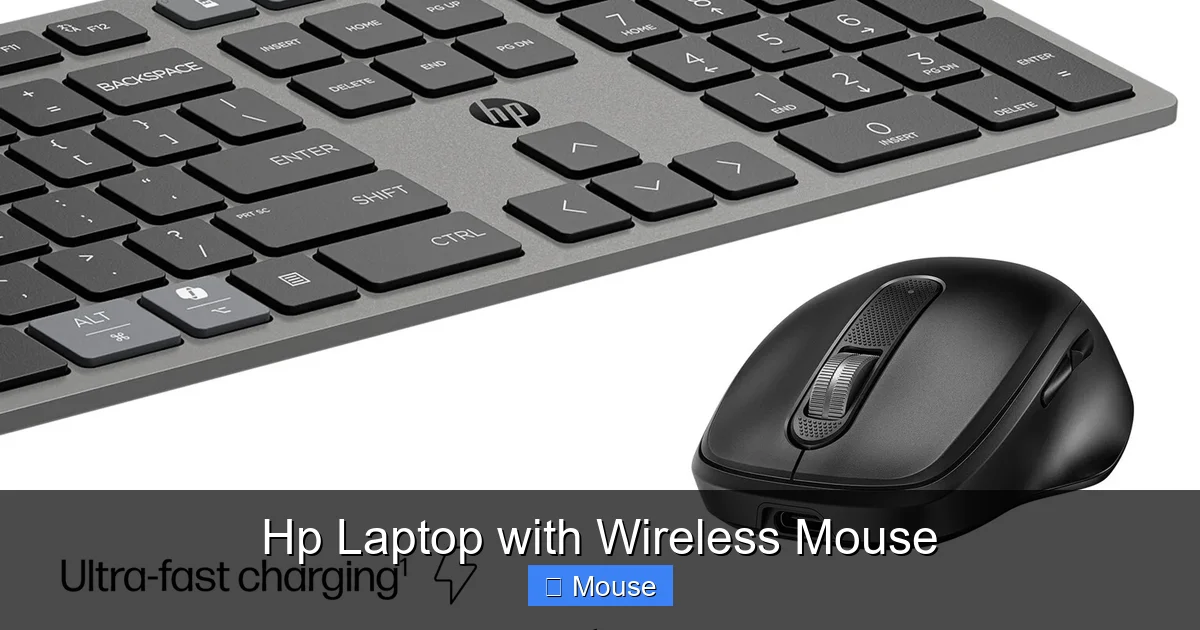
Go to Settings → Devices → Mouse. Slide the “Cursor speed” bar to match your preference. For fine‑tuned DPI changes, use the mouse’s dedicated DPI button (if available).
Visual guide about Hp Laptop with Wireless Mouse
Image source: notebookcheck.net
3.2. Customizing Buttons for Productivity
Most premium mice let you assign macros. Set a button to open your favorite app, switch virtual desktops, or execute a common keyboard shortcut. This reduces reliance on the touchpad and speeds up workflow.
3.3. Reducing Lag and Interference
- Keep the USB receiver away from other 2.4 GHz devices (Wi‑Fi routers, Bluetooth headsets).
- Use a mouse pad with a smooth surface to improve sensor tracking.
- For Bluetooth, ensure the laptop’s Bluetooth adapter isn’t disabled in Device Manager.
3.4. Ergonomic Tips for Long Sessions
Place the mouse at elbow height, keep your wrist straight, and take a short break every hour. If you experience wrist pain, switch to an ergonomic mouse or a vertical design.
4. Troubleshooting Common Issues
4.1. Mouse Not Connecting
First, confirm the mouse has power. Then, try the following:
- Restart Bluetooth on the HP laptop.
- Remove and re‑insert the USB receiver.
- Check for Windows updates that might affect HID drivers.
If problems persist, consult mouse not working on hp laptop for a step‑by‑step checklist.
4.2. Cursor Jumps or Stutters
Clean the sensor with a soft cloth, use a mouse pad, and move the receiver away from metal objects. Low battery can also cause erratic behavior—replace or recharge the mouse.
4.3. Bluetooth Pairing Failures
Delete the mouse from the paired devices list, then repeat the pairing process. Ensure the laptop’s Bluetooth is set to “discoverable.” If the laptop has multiple Bluetooth adapters (e.g., a dongle plus built‑in), disable the extra one.
4.4. Driver Conflicts
Open Device Manager, expand “Mice and other pointing devices,” right‑click the mouse entry, and select “Uninstall device.” Then, restart the laptop; Windows will reinstall a generic driver, often clearing the conflict.
5. Enhancing Mobility: Travel Tips for the HP Laptop + Wireless Mouse Duo
5.1. Packing Smart
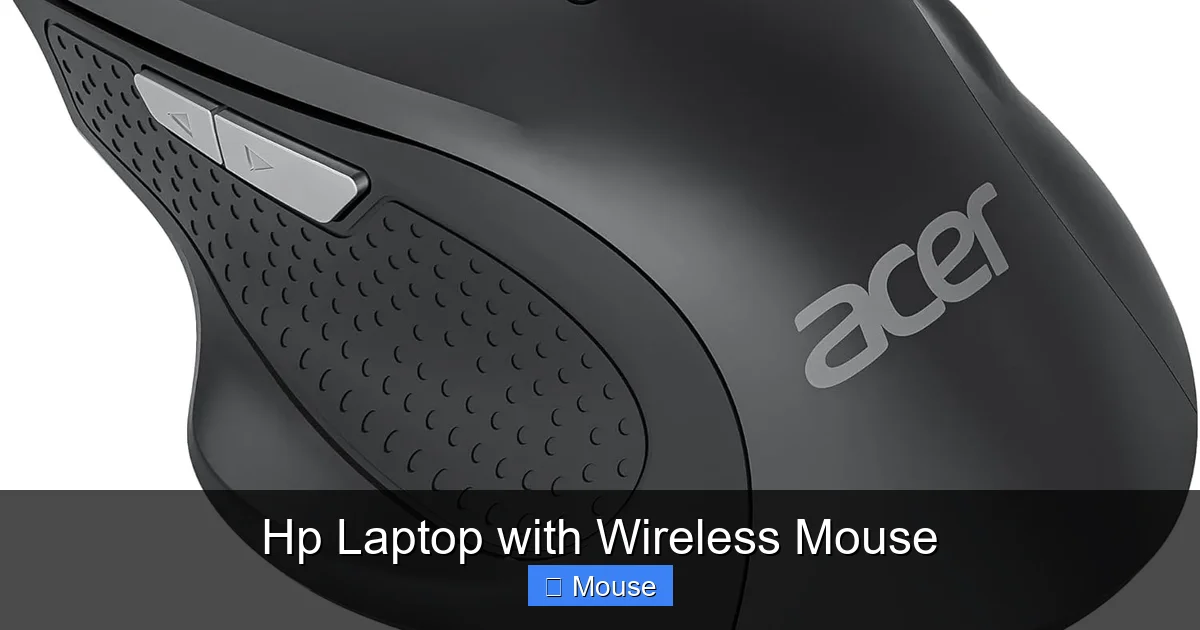
Choose a compact mouse that slides into a laptop sleeve. Some models come with a protective case that doubles as a travel pouch.
Visual guide about Hp Laptop with Wireless Mouse
Image source: m.media-amazon.com
5.2. Battery Management on the Road
Carry a spare AA battery or a small USB‑C power bank. If your mouse is rechargeable, a quick 10‑minute charge can give several hours of use.
5.3. Security Considerations
When using Bluetooth in public places, enable “pairing mode” only when you need to connect. Turn off Bluetooth after you’re done to prevent unauthorized connections.
Conclusion
Pairing an HP laptop with a wireless mouse is a small upgrade that delivers big returns: improved ergonomics, faster navigation, and a clutter‑free workspace. By selecting the right mouse, following simple pairing steps, and applying a few performance tweaks, you’ll enjoy a smoother, more productive computing experience—whether you’re at a desk, in a coffee shop, or on a plane. Keep the troubleshooting tips handy, and you’ll rarely encounter a hiccup. Happy clicking!
Frequently Asked Questions
Can I use any wireless mouse with my HP laptop?
Yes. Most Bluetooth or 2.4 GHz USB mice work with HP laptops running Windows 10 or 11. Just ensure the mouse’s system requirements match your OS version.
Do I need to install drivers for a wireless mouse?
Basic functionality works with Windows’ built‑in drivers. For extra features like programmable buttons, download the manufacturer’s software.
Why does my mouse lag when I’m gaming?
Lag can be caused by low battery, interference from other 2.4 GHz devices, or an outdated driver. Try a fresh battery, move the receiver, and update the driver.
Is it safe to use Bluetooth in public places?
Yes, but keep Bluetooth turned off when not in use and only enable pairing mode when you need to connect. This reduces the risk of unwanted connections.
How do I improve the tracking accuracy of my mouse?
Use a smooth mouse pad, keep the sensor clean, and adjust DPI settings to suit the surface you’re on.
Can I use the same wireless mouse with multiple devices?
Many Bluetooth mice can pair with several devices and switch between them with a button press. USB‑receiver mice usually work with only one device at a time unless you have multiple receivers.