What Do Tv Capacitors Do
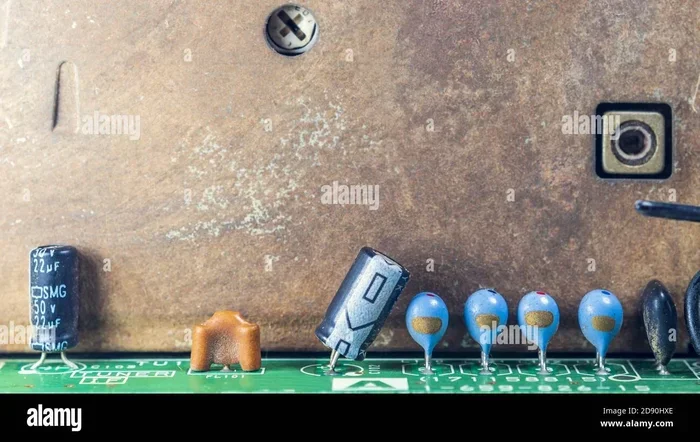
TV capacitors store and release electrical energy to keep your television running smoothly. They regulate voltage, filter noise, and stabilize power delivery across every circuit board. When these small components fail, your TV can show display issues, audio distortion, or won’t turn on at all. Understanding how TV capacitors work helps you spot problems early and decide whether to repair or replace your set.
Every television contains tiny electronic components that work behind the scenes to deliver the picture and sound you enjoy. Among the most important of these are TV capacitors. These small cylindrical parts may look simple, but they perform critical functions that keep your set operating correctly. Without them, your television would be nothing more than a blank screen.
Whether you are a curious viewer or someone dealing with a faulty TV, understanding what TV capacitors do gives you valuable insight into how your device works. This guide breaks down everything you need to know in plain, straightforward language. You will learn how capacitors function, what signs of failure look like, and how to handle common problems.
Key Takeaways
- Energy Storage: TV capacitors store electrical energy and release it when needed to keep circuits running smoothly.
- Voltage Regulation: They stabilize voltage levels across the television’s circuit boards to prevent damage.
- Common Failure Signs: Bulging tops, leaking fluid, and audio or display problems signal a failing capacitor.
- Multiple Types: Electrolytic, ceramic, and film capacitors each serve different roles inside your TV.
- Preventable: Proper ventilation and surge protectors can significantly extend capacitor lifespan.
- DIY Possible: Replacing a capacitor is doable with basic tools, but safety precautions are essential.
- Professional Help: Complex failures or warranty concerns are best handled by a qualified technician.
📑 Table of Contents
What Do Tv Capacitors Do?
At their core, TV capacitors store electrical energy and release it when the circuit needs it. Think of them like small rechargeable batteries that operate thousands of times per second. They smooth out electrical currents, filter out unwanted noise, and ensure steady power reaches every part of your television.
Capacitors are found on nearly every circuit board inside your TV. From the power supply board to the main board and even the T-con board that controls the display, these components are everywhere. They handle tasks like voltage regulation, energy storage, and signal filtering. Without functioning capacitors, your TV would experience power surges, audio static, and flickering screens.
The capacitor function in a television is similar to what you find in many electronic devices. They charge up when power is available and discharge it when the circuit demands a burst of energy. This constant cycle of charging and discharging keeps your television running at a stable level. It is one of the most fundamental processes in television electronics.
How TV Capacitors Work Inside Your Television
Energy Storage and Release
A capacitor stores energy in an electric field between two conductive plates. When voltage flows into the capacitor, it builds up a charge. When the circuit needs power, the capacitor releases that stored energy quickly. This process happens in milliseconds and keeps your TV responsive and stable.
In a television, this is especially important during moments when power demand spikes. For example, when a bright scene flashes on screen, the display panel needs more power instantly. The capacitor delivers that extra energy without delay. This energy storage capability is what makes capacitors so essential to smooth television operation.
Voltage Regulation
Your TV plugs into a wall outlet that supplies alternating current. The internal electronics need direct current at specific voltage levels. Capacitors help convert and regulate this power. They smooth out voltage fluctuations that could otherwise damage sensitive components like the LED backlight or the processor board.
Without proper voltage regulation, your television would be vulnerable to power spikes and drops. A power supply capacitor specifically handles this job on the main power board. It ensures that every other component receives clean, steady power at the correct voltage level.
Signal Filtering
Capacitors also act as filters for electrical signals. They block unwanted frequencies while allowing the desired signal to pass through. This is critical for both audio and video processing. A capacitor in the audio circuit, for instance, helps remove static and hum from the sound output. If you have ever noticed clean, crisp audio from your TV, you can thank the capacitors working behind the scenes.
Similarly, in the video processing path, capacitors filter out electrical noise that could cause visual artifacts. These electronic components work tirelessly to ensure that what you see on screen is clear and free from interference.
Types of Capacitors Found in TVs
Not all capacitors are the same. Your television uses several different types, each designed for a specific purpose. Understanding these types helps you appreciate the complexity of modern TV design and the role each capacitor type plays.
Electrolytic Capacitors
Electrolytic capacitors are the most common type you will find inside a television. They have a cylindrical shape and often sit upright on the circuit board. These capacitors handle high capacitance values, which means they can store a lot of electrical energy. They are primarily used in the power supply section where large amounts of energy need to be stored and released quickly.
One thing to watch for with electrolytic capacitors is their lifespan. Over time, the electrolyte inside can dry out or leak. This is the most common reason for capacitor failure in older televisions. When an electrolytic capacitor fails, it often shows visible signs like a bulging top or brown residue on the board.
Ceramic Capacitors
Ceramic capacitors are small, disc-shaped components that handle lower capacitance values. They are used for high-frequency filtering and decoupling in television circuits. You will find them scattered across the main board and the T-con board. They are very reliable and rarely fail, making them a dependable choice for signal filtering tasks.
These capacitors do not have polarity, which means you can install them in either direction on the circuit board. This makes them simpler to work with during repairs. Their small size also allows manufacturers to fit many of them into tight spaces on the board.
Film Capacitors
Film capacitors use a thin plastic film as the dielectric material. They offer excellent stability and low loss, which makes them ideal for audio and signal processing circuits in TVs. You will often find film capacitors in the audio amplifier section where sound quality matters most.
These components are known for their long lifespan and consistent performance. They handle temperature changes well, which is important inside a television that can heat up during extended use. Film capacitors contribute to the overall reliability of your TV’s audio system.
Common Signs of Capacitor Failure in TVs
When a capacitor starts to fail, your TV will usually give you warning signs. Catching these early can save you from a complete television breakdown. Here are the most common capacitor symptoms to watch for.
Visual Clues on the Circuit Board
The easiest way to spot a failing capacitor is to look at it directly. A healthy capacitor should have a flat top. If the top is bulging or domed, that is a clear sign of failure. You might also notice a brown or oily residue leaking from the top. This leakage is a strong indicator that the capacitor has gone bad.
In some cases, the capacitor may not show visible damage but will still be malfunctioning. This is why TV repair professionals often use a multimeter to test capacitance values. A visual inspection alone is not always enough to confirm a problem.
Audio and Display Problems
Failing capacitors can cause a range of performance issues. You might notice crackling or distorted audio coming from your TV. This happens when the capacitor in the audio circuit can no longer filter signals properly. In some cases, the distortion can sound similar to blown speakers, making it hard to tell the source of the problem at first.
Display issues are another common symptom. You might see flickering, horizontal lines, or a dimming screen. These problems often trace back to the power supply board where capacitors regulate voltage to the display panel. If the capacitors cannot deliver stable power, the picture quality suffers.
In more severe cases, the TV might not turn on at all. The power supply capacitor may have completely failed, cutting off power to the entire unit. Before you assume the worst, it is worth checking whether the capacitors on the power board are the culprit.
Intermittent Power Issues
Sometimes a failing capacitor causes intermittent problems. The TV might turn on, work for a few minutes, then shut off. Or it might take a long time to power up. These erratic behaviors often point to a capacitor that is losing its ability to hold a charge. The component is still partially working but cannot sustain consistent performance.
If you notice these patterns, it is worth investigating further. Intermittent issues tend to worsen over time. A capacitor that is starting to degrade will continue to get worse until it fails completely.
How to Replace Capacitors in Your TV
Replacing a capacitor in a television is one of the more straightforward repairs you can attempt. With the right tools and some patience, many homeowners can handle this job themselves. However, safety always comes first when working with electronic devices.
Tools and Safety Precautions
Before you start, make sure you have the right tools. You will need a screwdriver set, a soldering iron with solder, a desoldering pump or solder wick, and a replacement capacitor matched to the original specifications. Always unplug the TV and wait at least ten minutes before opening the case. Capacitors can hold a charge even when the TV is unplugged, and touching the wrong component can give you a dangerous shock.
Wear protective gloves and safety glasses if possible. Work on a clean, dry surface with good lighting. If you are not comfortable with a soldering iron, it is best to seek professional help. Mishandling the circuit board can cause more damage than the original capacitor issue.
Step-by-Step Replacement Process
First, remove the back panel of the television. Locate the circuit board where the faulty capacitor sits. Take a photo or note the polarity markings before you remove anything. Capacitors have a positive and negative lead, and installing them backwards will cause problems.
Use the soldering iron to heat the joints on each lead of the old capacitor. Pull it away gently as the solder melts. Clean the pads with a solder wick to remove any leftover solder. Insert the new capacitor in the same position, matching the polarity markings. Solder each lead carefully and trim any excess wire.
Once the replacement is complete, reassemble the TV and test it. If the problem was caused by a bad capacitor, you should see immediate improvement. Always double-check your work before powering on the device.
Preventing Capacitor Problems Before They Start
The best way to deal with capacitor issues is to prevent them from happening in the first place. A few simple habits can extend the life of the components inside your television and keep it running smoothly for years.
Proper Ventilation and Cooling
Heat is the enemy of capacitors. Over time, excessive heat causes the electrolyte inside electrolytic capacitors to evaporate faster. This shortens their lifespan and increases the risk of failure. Make sure your TV has adequate ventilation around it. Do not place it in a closed cabinet without airflow, and keep it away from heat sources like radiators or direct sunlight.
If your TV has vents on the back or sides, do not block them with furniture or decorations. Good airflow keeps the internal temperature down and protects all electronic components, not just the capacitors. A cool TV is a long-lasting TV.
Power Surge Protection
Power surges can stress capacitors significantly. A sudden spike in voltage forces the components to handle more energy than they were designed for. Over time, this wears them down and leads to premature failure. Using a quality surge protector or a UPS (uninterruptible power supply) can shield your TV from these damaging spikes.
During electrical storms, it is a good idea to unplug your television entirely. Lightning strikes can cause massive voltage surges that overwhelm even the best surge protectors. Taking this simple precaution can save you from costly TV repair bills.
Regular Maintenance
Dust buildup inside your TV can trap heat and accelerate component degradation. Periodically open the back panel (with the TV unplugged) and gently remove dust with a soft brush or compressed air. This simple maintenance step improves airflow and keeps everything running cooler.
Also, avoid frequent power cycling. Turning your TV on and off rapidly puts stress on the capacitors as they charge and discharge repeatedly. Use the standby mode when you are not watching, and give the set a few seconds between power cycles.
When to Call a Professional for TV Capacitor Issues
While capacitor replacement is a manageable DIY project for many people, there are times when professional help is the better choice. If your television is still under warranty, opening the case may void the coverage. In that case, contact the manufacturer or an authorized service center first.
Also, if you are dealing with multiple failed capacitors or damage to the circuit board, the problem may go deeper than just one component. A professional technician can diagnose the root cause and make sure the entire system is working correctly. Sometimes a failed capacitor is a symptom of a larger issue, like a failing voltage regulator or a short circuit on the board.
If you are uncomfortable working with soldering equipment or high-voltage electronics, there is no shame in calling a pro. A qualified technician has the experience and tools to handle the repair safely and efficiently. The cost of professional repair is often much lower than replacing an entire television.
Understanding what TV capacitors do empowers you as a consumer. You can make informed decisions about maintenance, repair, and when it is time to invest in a new set. Whether you tackle the repair yourself or hire a professional, this knowledge helps you get the best outcome for your television.
Capacitors are small but mighty components that form the backbone of your TV’s electrical system. From regulating voltage to filtering signals and storing energy, they keep everything running as it should. Taking care of them through proper usage and maintenance ensures your television delivers a great viewing experience for years to come.
Next time you settle in to watch your favorite show, remember the tiny capacitors working hard inside your set. They may be small, but their impact on your viewing experience is enormous. Keep them healthy, and your TV will keep giving you years of reliable entertainment.
Frequently Asked Questions
How long do TV capacitors typically last?
Most electrolytic capacitors in a television last between 5 and 10 years under normal conditions. Ceramic and film capacitors can last even longer, often the entire lifespan of the TV. However, heat exposure and power surges can significantly shorten this lifespan.
Can a TV work with a bad capacitor?
In some cases, yes. A TV with a partially failed capacitor might still turn on and display a picture, but with reduced quality such as flickering, dimness, or audio distortion. A completely failed capacitor often prevents the TV from powering on at all.
Are all TV capacitors the same?
No. Televisions use several types of capacitors including electrolytic, ceramic, and film capacitors. Each type has a different capacitance value, voltage rating, and role within the circuit. Always match the replacement capacitor to the original specifications exactly.
How much does it cost to replace a TV capacitor?
A single capacitor costs only a few dollars. If you replace it yourself, the total cost is minimal. Professional repair typically ranges from $50 to $150 depending on the complexity and your location. Compare this to the cost of a new TV, and repair often makes more sense.
What causes TV capacitors to fail?
The most common causes are heat exposure, power surges, and natural aging. Electrolytic capacitors contain a liquid electrolyte that can dry out over time. Poor ventilation, high ambient temperatures, and frequent power surges all accelerate this degradation process.
Can I use my TV if a capacitor is bulging?
It is not recommended. A bulging capacitor is already damaged and will continue to degrade. Using the TV with a failing capacitor can lead to further damage to other components on the circuit board. Replace it as soon as possible to avoid more expensive repairs.