What Satellites Does Dish Network Use
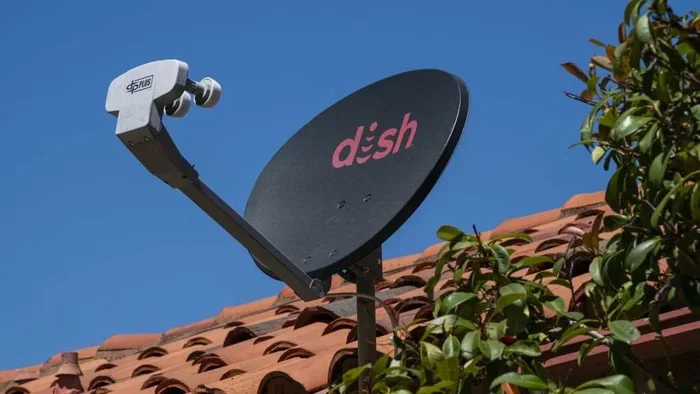
Dish Network relies on a fleet of geostationary satellites to deliver thousands of TV channels across the United States. The primary satellites operate in the Ku-band and Ka-band frequency ranges, using advanced transponders to beam high-definition and 4K content directly to your dish antenna. Understanding the satellite technology behind Dish Network helps you troubleshoot signal issues and make informed decisions about your setup.
Have you ever wondered what satellites Dish Network uses to bring your favorite shows right to your living room? The answer is more fascinating than you might think. Dish Network operates a sophisticated fleet of satellites that beam thousands of channels directly to your home. Whether you are a casual viewer or a dedicated sports fan, understanding how these satellites work can help you appreciate the technology behind your screen.
The satellite system behind Dish Network is built on decades of innovation in satellite television technology. These spacecraft orbit thousands of miles above Earth, relaying signals that carry everything from local news to blockbuster movies. In this article, we will break down exactly what satellites Dish Network uses, how they work, and why they matter for your viewing experience.
Key Takeaways
- Dish Network uses a constellation of geostationary satellites positioned above the equator to provide consistent coverage across North America.
- Ku-band and Ka-band frequencies are the primary bands used for transmitting TV signals to residential dish antennas.
- The DISH-1 satellite (EchoStar IX) serves as one of the key satellites in the fleet for central U.S. coverage.
- LNB converters on your dish play a critical role in capturing and downconverting satellite signals for your receiver.
- Dish Network’s satellite technology supports HD and 4K channels, delivering high-quality picture and sound to subscribers.
- Signal strength and dish alignment directly impact your viewing experience, making proper installation essential.
- Dish Network also offers streaming alternatives through its internet-based services, complementing its satellite infrastructure.
📑 Table of Contents
- The Dish Network Satellite Fleet
- How Dish Network Satellites Transmit Signals
- The Role of the LNB in Satellite Reception
- Satellite Coverage and Geographic Reach
- Dish Network’s Transition to Hybrid Services
- Common Satellite Issues and How to Fix Them
- The Future of Dish Network Satellite Technology
- Final Thoughts
The Dish Network Satellite Fleet
Dish Network operates a constellation of satellites positioned in geostationary orbit. This means the satellites stay fixed relative to a point on Earth, which makes them perfect for consistent television broadcasting. The fleet includes several satellites that cover different regions of the United States.
Each satellite in the Dish Network fleet carries multiple transponders. A transponder is essentially a relay station that receives signals from ground stations and beams them back down to Earth. The more transponders a satellite has, the more channels it can carry. Modern Dish Network satellites can handle hundreds of channels simultaneously.
Key Satellites in the Dish Network Fleet
Several satellites form the backbone of Dish Network’s service. The most important ones include:
- DISH-1 (EchoStar IX) – Positioned at 148 degrees west, this satellite covers the central and western United States. It carries a large number of HD channels and is one of the primary satellites for Dish Network subscribers.
- DISH-2 (EchoStar X) – Located at 77 degrees west, this satellite serves the eastern parts of the country. It helps ensure that viewers in different regions receive consistent channel lineups.
- DISH-3 and newer satellites – These additional spacecraft provide backup coverage and expanded capacity. They also support the growing demand for 4K content and additional channel packages.
Each satellite has a specific job. Some focus on national channels, while others handle local broadcasts or special packages. Together, they create a seamless network that delivers content to millions of homes.
How Dish Network Satellites Transmit Signals
The way Dish Network sends signals from space to your home is a marvel of modern engineering. The process starts at a ground station where content is uplinked to the satellite. The satellite then amplifies the signal and sends it back to Earth. Your dish antenna captures this signal and passes it to your receiver.
Dish Network primarily uses two frequency bands for its satellite transmissions:
- Ku-band – This is the most common band used for residential satellite TV. It operates between 12 and 18 GHz and provides excellent picture quality for HD channels. Most standard Dish Network dishes are designed to receive Ku-band signals.
- Ka-band – This higher-frequency band operates between 26 and 40 GHz. It allows for greater bandwidth, which means more channels and better quality. Dish Network uses Ka-band for some of its premium packages and 4K content.
The satellite signal travels at the speed of light, so there is virtually no delay between the broadcast and your screen. However, factors like weather, obstructions, and dish alignment can affect the quality of the signal your receiver gets.
When you are setting up your system, you might need to check your satellite signal strength to ensure everything is working properly. A well-aligned dish makes a huge difference in the number of channels you can access and the quality of the picture you receive.
The Role of the LNB in Satellite Reception
You have probably seen the small cone-shaped piece sitting on top of your satellite dish. That is called the LNB, or Low Noise Block converter. It is one of the most important components in your entire setup.
The LNB does two critical things. First, it captures the weak signal coming from the satellite. Second, it downconverts the signal to a lower frequency that your receiver can process. Without a functioning LNB, your dish would not be able to deliver any channels to your television.
Dish Network uses different types of LNBs depending on the satellite configuration. Some dishes use single-output LNBs, while others use multiswitch LNBs that can support multiple receivers. If you have a DVR or multiple TVs connected to one dish, you likely have a more advanced LNB setup.
Here are some quick tips for keeping your LNB in good shape:
- Check the LNB for physical damage after storms or heavy winds.
- Make sure the LNB is properly aligned with the satellite.
- Replace the LNB if you notice signal dropouts or poor picture quality.
- Keep the LNB clean and free of debris, bird droppings, or ice buildup.
The LNB is your gateway to thousands of hours of entertainment. Taking care of it will extend the life of your entire Dish Network setup.
Satellite Coverage and Geographic Reach
One of the biggest advantages of satellite TV is its wide coverage area. Unlike cable, which requires physical infrastructure in your neighborhood, satellite TV works almost anywhere you can point a dish at the sky. This makes it a great option for rural and remote areas.
Dish Network’s satellite constellation is designed to cover the entire continental United States. The different satellites in the fleet overlap in their coverage zones, which ensures that viewers across the country receive a consistent experience. Whether you live in a major city or a small town, the satellites overhead can deliver your favorite channels.
However, there are some limitations. Satellite signals require a clear line of sight to the sky. Tall buildings, dense trees, and mountainous terrain can block or weaken the signal. This is why proper dish placement is so important during installation.
If you live in an area with challenging terrain, you might want to explore options like the 0931 What Network or 0991 What Network services that complement your satellite setup for local connectivity. These network technologies work alongside your satellite service to keep you connected.
Dish Network’s Transition to Hybrid Services
While satellite TV remains the core of Dish Network’s offerings, the company has been expanding into internet-based services. This hybrid approach gives subscribers more flexibility in how they watch their favorite content.
Dish Network now offers streaming options that work alongside its satellite service. These internet-based features allow you to watch content on your phone, tablet, or computer, even when you are away from home. The company has also embraced SaaS (Software as a Service) models, which means some of its features are delivered through cloud-based platforms rather than traditional hardware.
This shift toward hybrid services means that Dish Network is not just about satellites anymore. It is about creating a complete entertainment ecosystem that works across multiple devices and platforms. The satellites remain the backbone for live TV and premium channels, but the internet layer adds convenience and flexibility.
If you are curious about how these different technologies work together, understanding the basics of each component helps. The satellite dish handles the live broadcast feed, while the internet connection powers on-demand features and streaming apps. Together, they give you the best of both worlds.
Common Satellite Issues and How to Fix Them
Even with the best technology, satellite TV can sometimes have issues. Here are some of the most common problems Dish Network subscribers face and how to address them.
Signal Loss During Bad Weather – Heavy rain, snow, or thick clouds can temporarily block the satellite signal. This is known as rain fade. In most cases, the signal returns once the weather clears. If you experience frequent signal loss, consider upgrading to a larger dish or a higher-quality LNB.
Obstructions – New buildings, trees, or construction near your home can block the satellite signal. If you notice a drop in channel availability, check for new obstructions in the line of sight between your dish and the satellite. Trimming branches or repositioning the dish can often solve the problem.
Receiver Problems – Sometimes the issue is not with the satellite or the dish but with the receiver itself. A simple reset or firmware update can often fix freezing or channel access issues. Make sure your receiver is connected properly and has the latest software.
Dish Misalignment – Wind, storms, or even gradual shifting can move your dish slightly out of position. If you lose signal suddenly, check the alignment. You can use a signal meter or the Dish Network app to help you realign the dish accurately.
Most of these issues are easy to fix and do not require professional help. However, if you are unsure, Dish Network’s customer support team can walk you through troubleshooting steps or schedule a technician visit.
The Future of Dish Network Satellite Technology
The satellite TV industry is constantly evolving. Dish Network continues to invest in newer and more powerful satellites that can deliver even better quality and more channels. The next generation of satellites promises improved bandwidth, faster signal processing, and support for advanced features like 8K resolution.
As streaming continues to grow in popularity, Dish Network is adapting its satellite technology to work hand-in-hand with internet services. The goal is to provide a seamless experience where satellite and streaming content are equally accessible. This hybrid model is likely to define the future of home entertainment.
For now, the satellites that Dish Network uses remain the foundation of its service. They deliver reliable, high-quality programming to millions of homes across America. Whether you are watching a live game, a movie marathon, or the evening news, those satellites are working hard above you to make it all possible.
Final Thoughts
The satellites that Dish Network uses are more than just pieces of hardware floating in space. They are the lifeline of a service that brings entertainment, news, and sports to millions of households every day. From the Ku-band and Ka-band frequencies to the LNB on your roof, every component plays a vital role in delivering your favorite content.
Understanding how these satellites work gives you a deeper appreciation for the technology and helps you take better care of your equipment. Keep your dish clean, your LNB in good condition, and your receiver updated, and you will enjoy a reliable and high-quality viewing experience for years to come.
Dish Network’s satellite fleet continues to evolve, and with it, the quality and variety of channels available to subscribers. The company’s commitment to innovation ensures that satellite TV remains a strong choice in an increasingly digital world.
Frequently Asked Questions
How many satellites does Dish Network use?
Dish Network operates a fleet of multiple satellites, with the primary ones positioned at different orbital slots to cover the entire United States. The exact number changes as the company launches new satellites and retires older ones, but the fleet typically includes at least four to six active satellites at any given time.
What frequency bands does Dish Network use for its satellites?
Dish Network primarily uses the Ku-band (12 to 18 GHz) and Ka-band (26 to 40 GHz) frequency ranges for satellite television transmission. Ku-band is the standard for most residential channels, while Ka-band is used for premium packages and 4K content delivery.
Can I see the Dish Network satellites from my home?
Yes, with the right equipment. Dish Network satellites orbit approximately 22,000 miles above Earth in geostationary orbit. Using a satellite finder or a telescope with the correct coordinates, you can locate the specific satellites that serve your area.
What should I do if I lose my satellite signal?
Start by checking your dish alignment and making sure there are no new obstructions like trees or buildings blocking the line of sight. A simple receiver reset can also resolve many signal issues. If the problem persists, contact Dish Network support for further troubleshooting.
Does Dish Network use the same satellites for all its packages?
Most Dish Network packages use the same core satellites, but some premium channels or regional packages may rely on specific satellites. Your receiver automatically tunes to the correct satellite based on your channel lineup and package.
How has Dish Network’s satellite technology improved over the years?
Dish Network has transitioned from older Ku-band-only satellites to modern spacecraft that support both Ku-band and Ka-band frequencies. Newer satellites offer higher bandwidth, better signal quality, and support for HD and 4K channels, providing a significantly improved viewing experience compared to earlier generations.
=== CONCLUSION ===
The satellites that Dish Network uses form a powerful and reliable system that brings entertainment directly to your home. From the geostationary orbit high above Earth to the small dish on your roof, every part of the process is designed to deliver the best possible viewing experience. Whether you are watching live sports, streaming a movie, or catching up on the news, the technology behind Dish Network works silently to keep you connected.
By understanding the satellites, frequencies, and equipment involved, you become a more informed subscriber. You can troubleshoot issues faster, maintain your equipment better, and make smarter decisions about your entertainment setup. Dish Network’s satellite technology continues to advance, promising even better quality and more channels in the years ahead.