Cctv Camera Power Supply 12v
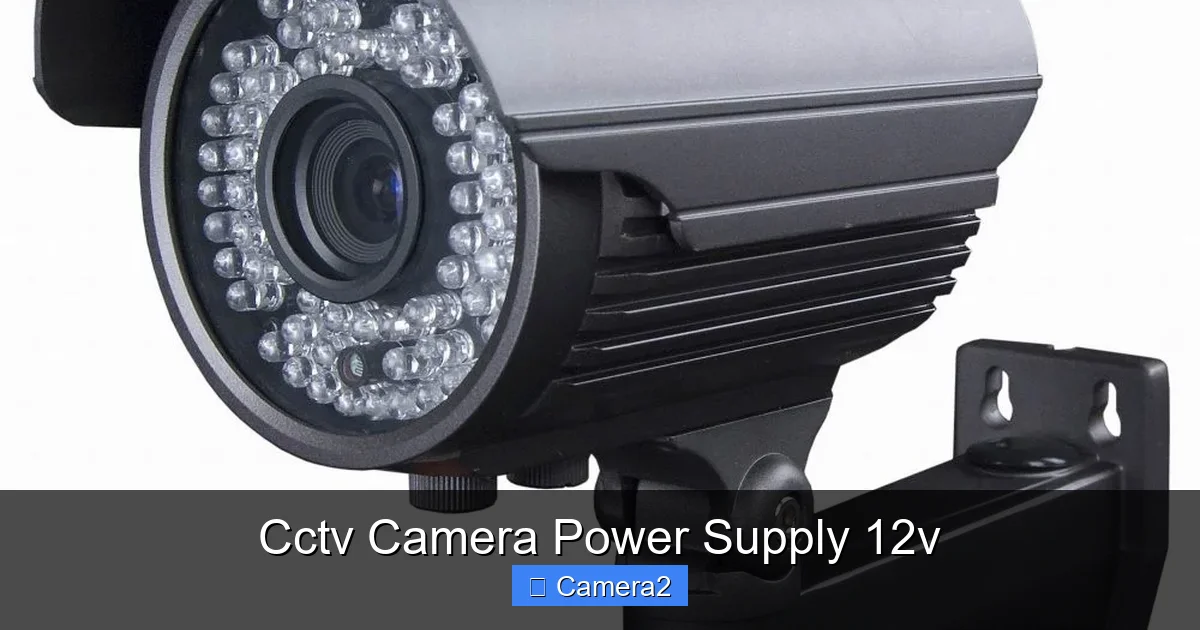
Looking for a stable 12‑volt power source for your CCTV system? This guide breaks down everything you need to know about CCTV camera power supply 12V units—from how they work to choosing the right one for home or business. Get practical wiring tips, safety advice, and top product picks so your cameras stay powered up 24/7.
Key Takeaways
- Match voltage and current: Ensure the supply delivers 12 V and enough amperage for all connected cameras.
- Choose the right type: Linear regulators, switching supplies, and PoE injectors each have pros and cons.
- Safety first: Look for overload protection, short‑circuit protection, and proper ventilation.
- Wire correctly: Use the right gauge, keep runs short, and consider voltage drop.
- Plan for expansion: Pick a supply with headroom for future cameras or accessories.
- Quality matters: Certified brands reduce the risk of flicker, noise, and premature failure.
- Installation tips: Mount in a dry, ventilated spot and secure connections with heat‑shrink tubing.
📑 Table of Contents
- Introduction: Why a Dedicated 12V Power Supply Matters
- 1. Understanding the Basics of 12V Power Supplies
- 2. Types of CCTV Power Solutions
- 3. Calculating Power Requirements for Your Setup
- 4. Installation Tips for a Reliable Power Connection
- 5. Top Picks: Recommended CCTV Camera Power Supply 12V Models
- 6. Maintenance and Troubleshooting
- Conclusion: Power Your CCTV with Confidence
Introduction: Why a Dedicated 12V Power Supply Matters
When you set up a CCTV system, the camera’s image quality is only half the story. The other half is power. Most analog and many IP cameras run on a stable 12‑volt DC source. Using the wrong supply can cause flickering, brown‑out frames, or even damage the camera’s internal circuitry.
In this friendly guide, we’ll walk you through everything you need to know about CCTV camera power supply 12V units. Think of it as a chat with a tech‑savvy friend who wants you to get the best, most reliable power without breaking the bank.
1. Understanding the Basics of 12V Power Supplies
What Is a 12V Power Supply?
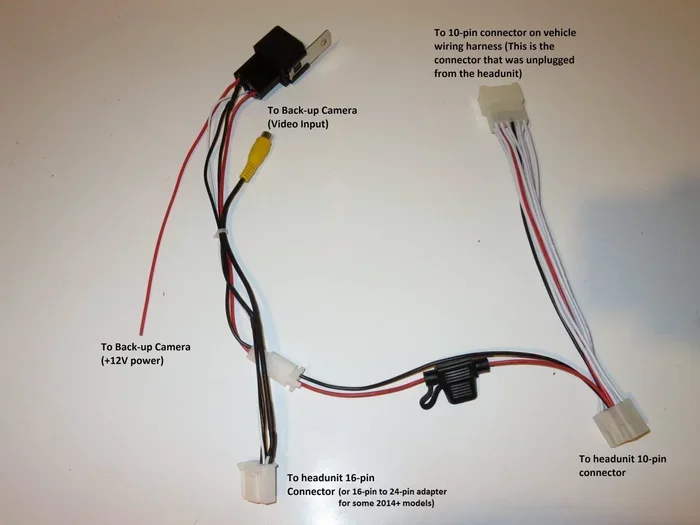
A 12V power supply converts the higher voltage from your mains (usually 110 V or 220 V AC) to a low‑voltage 12 V DC output. This output powers the camera’s sensor, processor, and any built‑in infrared LEDs.
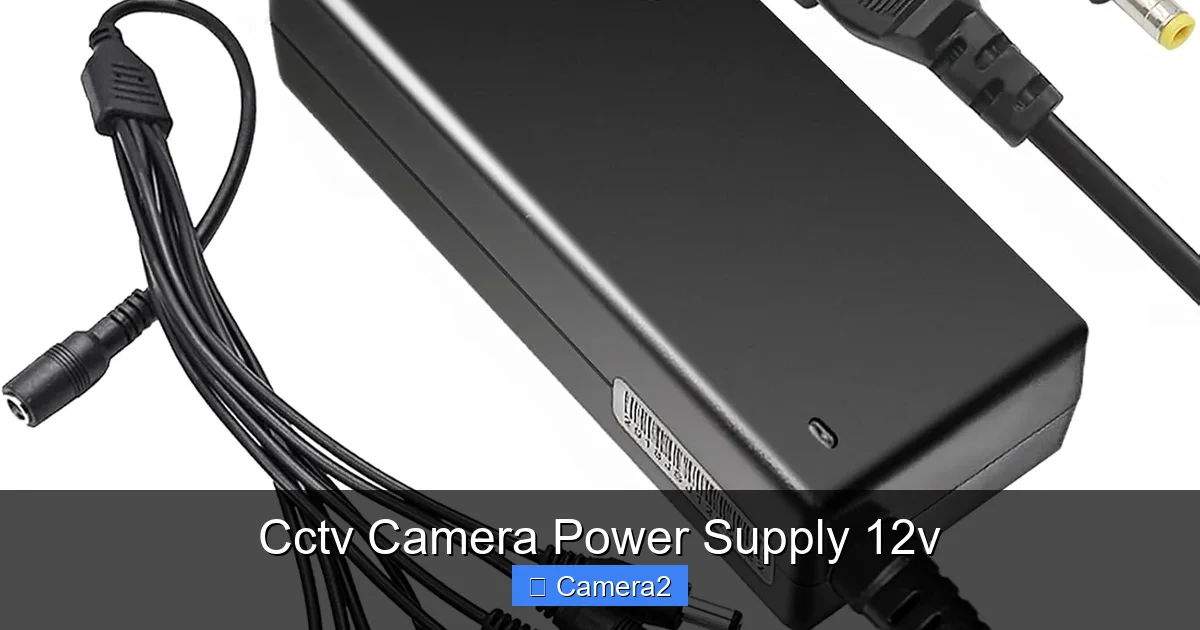
Visual guide about Cctv Camera Power Supply 12v
Image source: m.media-amazon.com
Linear vs. Switching Supplies
- Linear regulators: Simple, low noise, but bulky and less efficient. They waste more heat.
- Switching (SMPS) supplies: Light, highly efficient, and can handle higher current. Slightly more electrical noise, but modern designs filter it well.
Key Specifications to Check
- Voltage: Must be exactly 12 V (±5 %).
- Current (Amperage): Add up the current draw of each camera (usually 0.3‑0.8 A) and add a safety margin of 20‑30 %.
- Power factor: A higher PF (0.9+) means the supply uses less reactive power.
- Protection features: Over‑voltage, over‑current, short‑circuit, and thermal shutdown.
2. Types of CCTV Power Solutions
Standalone 12V DC Power Adapters
These look like the typical wall wart you see with routers. They’re easy to install—just plug into an outlet and run a short cable to the camera. Ideal for a few cameras or a single outdoor unit.
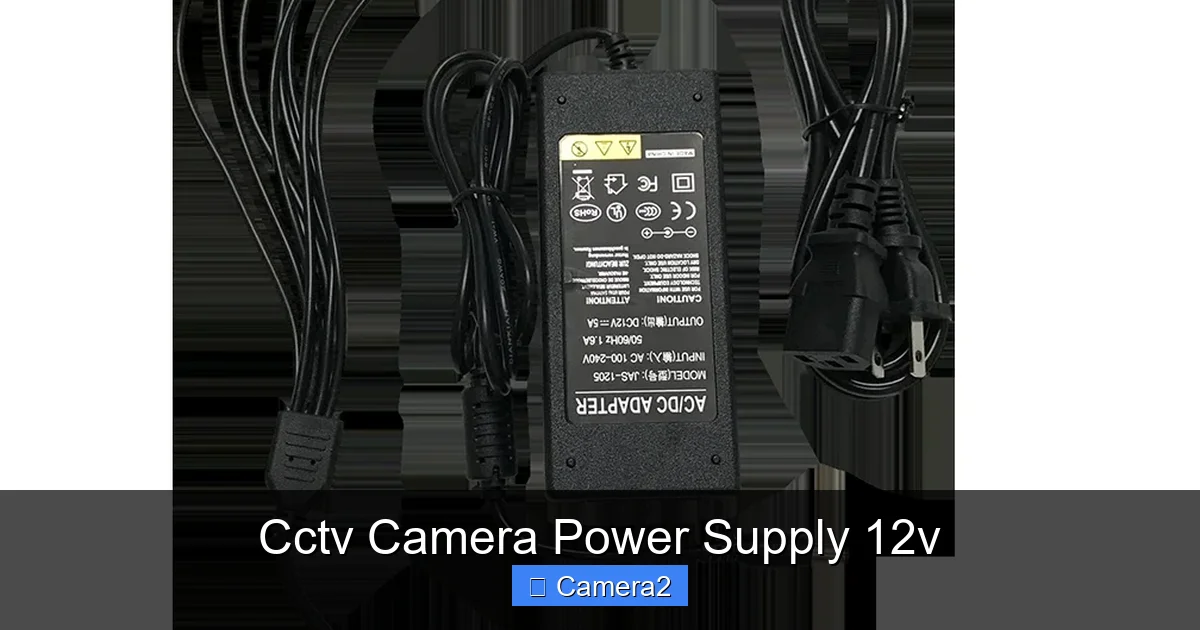
Visual guide about Cctv Camera Power Supply 12v
Image source: ellipsesecurity.com
Power over Ethernet (PoE) Injectors and Switches
PoE delivers both data and 12‑48 V power over a single Cat5e/6 cable. For 12 V cameras, a PoE injector with a 12 V DC output (or a PoE splitter set to 12 V) can simplify wiring. This is a popular choice for larger installations, such as a 16 Channel Security Camera System.
Centralized Power Distribution Units (PDUs)
In commercial settings, a rack‑mounted PDU supplies 12 V to dozens of cameras via a distribution block. These units often include surge protection and monitoring capabilities.
Solar‑Powered Options
If you’re installing cameras in remote locations, a solar panel paired with a charge controller and a 12 V battery can keep things running off‑grid. See our Birdhouse With Solar Powered Camera for a real‑world example.
3. Calculating Power Requirements for Your Setup
Step‑by‑Step Calculation
- List each camera’s current draw (check the spec sheet, typically 0.5 A).
- Multiply by the number of cameras. Example: 8 cameras × 0.5 A = 4 A.
- Add 20 % headroom: 4 A × 1.2 = 4.8 A.
- Select a power supply that delivers at least 12 V / 5 A.
Considering Voltage Drop
Long cable runs can cause voltage drop, especially with thin wires. Use the formula:
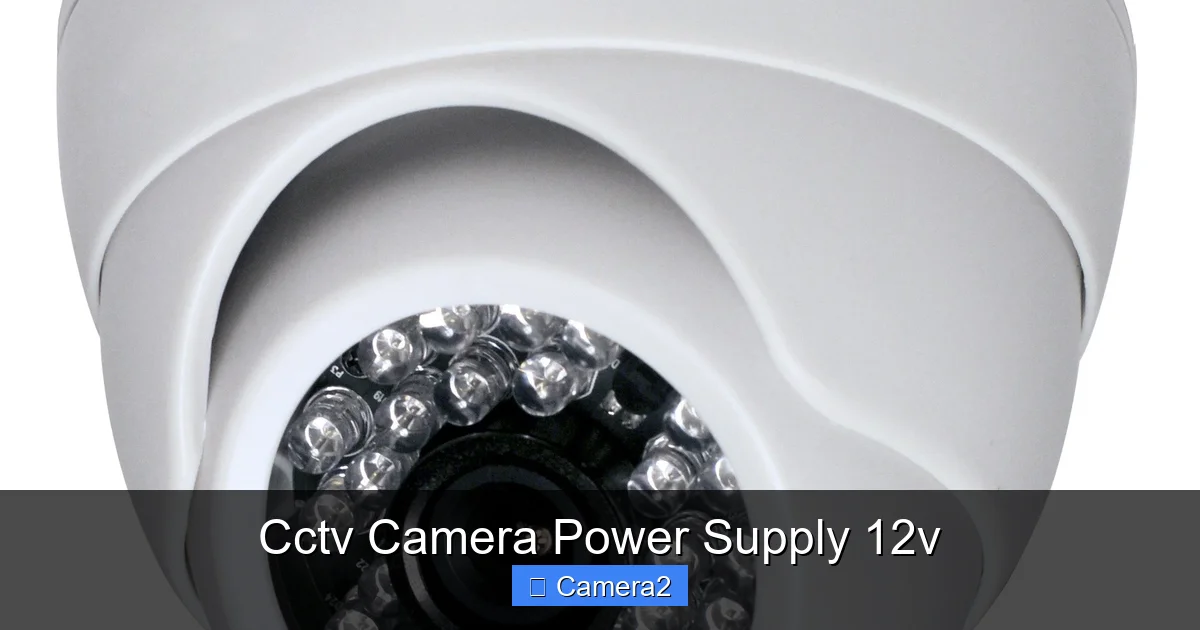
Visual guide about Cctv Camera Power Supply 12v
Image source: freepngimg.com
Voltage Drop (V) = 2 × Length (ft) × Current (A) × Resistance (Ω/ft)
Choosing a thicker gauge (e.g., 18 AWG instead of 22 AWG) reduces loss. For runs over 100 ft, a higher‑capacity supply helps maintain full 12 V at the camera.
4. Installation Tips for a Reliable Power Connection
Choosing the Right Location
- Mount the supply in a dry, ventilated area away from direct sunlight.
- Keep it off the ground to avoid moisture and accidental impact.
- Use a weather‑proof enclosure if the unit is outdoors.
Wiring Best Practices
- Use stranded copper wire for flexibility.
- Secure connections with crimp connectors and seal with heat‑shrink tubing.
- Label each cable run for easy troubleshooting.
Testing Before You Finish
Power on the supply and use a multimeter to verify 12 V at each camera’s input. Check for any flicker or intermittent loss. If you notice voltage sag, either shorten the cable run or upgrade to a higher‑amp supply.
Safety Checks
- Ensure the supply’s fuse rating matches the circuit breaker.
- Verify grounding of the power unit to prevent electrical shock.
- Install a surge protector if the cameras are in a lightning‑prone area.
5. Top Picks: Recommended CCTV Camera Power Supply 12V Models
Budget Friendly: 12V / 5A Wall Adapter
Perfect for a small home setup with 2‑3 cameras. Look for brands offering UL certification and a built‑in fuse.
Mid‑Range: 12V / 10A Switching Supply
Handles up to 8 cameras comfortably. Features include over‑current protection and a metal housing for better heat dissipation.
Professional Grade: 12V / 20A Rack‑Mount PDU
Ideal for commercial installations like a Commercial Security Camera Installation Latexo. Comes with remote monitoring, temperature sensors, and modular output blocks.
Eco‑Friendly: Solar‑Battery Kit (12V)
Combine a 30 W solar panel, a 12 V 20 Ah deep‑cycle battery, and a charge controller. Great for wildlife monitoring or remote parking lots—see how we used a similar setup in our Parking Lot Security Camera Footage article.
6. Maintenance and Troubleshooting
Regular Checks
- Inspect connectors every 6 months for corrosion.
- Verify the output voltage with a multimeter during seasonal temperature changes.
- Clean dust from the supply’s vents to avoid overheating.
Common Issues and Fixes
- Camera flickers: Likely voltage drop—shorten cable or upgrade supply.
- No video feed: Check fuse, then test the supply’s output.
- Overheating supply: Ensure proper ventilation; consider a fan‑cooled model.
Conclusion: Power Your CCTV with Confidence
Choosing the right CCTV camera power supply 12V is a blend of matching specs, planning for future growth, and installing safely. By following the guidelines above, you’ll give your cameras a steady, clean power source that lasts for years. Remember, a well‑powered camera means clearer footage, fewer false alarms, and peace of mind for you or your business.
Frequently Asked Questions
What amperage do I need for a 12V CCTV camera?
Each camera typically draws 0.3‑0.8 A. Add the total for all cameras and include a 20‑30 % safety margin to select the right supply.
Can I use a regular 12V phone charger for my CCTV camera?
Only if the charger provides enough current and has protection features. Most phone chargers are limited to 1‑2 A, which may be insufficient for multiple cameras.
Is a PoE injector better than a standalone 12V adapter?
PoE simplifies wiring by combining data and power, making it ideal for larger setups. Standalone adapters are fine for a few cameras or where Ethernet isn’t used.
How do I prevent voltage drop on long cable runs?
Use thicker gauge wire (e.g., 18 AWG), keep runs under 100 ft when possible, and consider a higher‑capacity power supply to compensate.
Do solar‑powered CCTV systems need a 12V power supply?
Solar panels charge a 12V battery, and a charge controller regulates output to a stable 12V for the cameras, acting as the power supply.
What safety features should I look for in a 12V power supply?
Over‑current, short‑circuit, over‑voltage, and thermal shutdown protections are essential to protect both the supply and your cameras.