Security Camera That Can Read License Plates
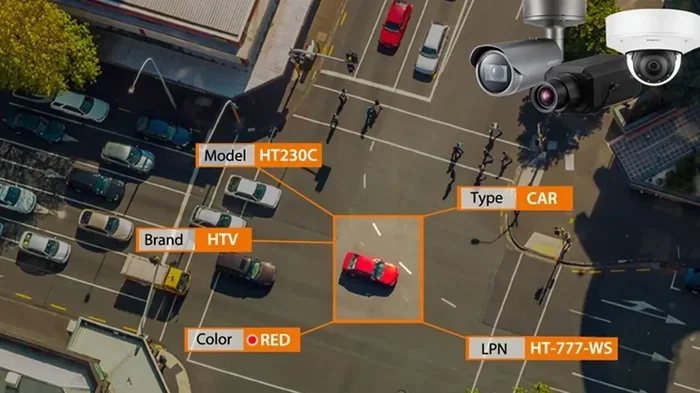
A security camera that can read license plates changes how you manage parking lots and driveways. These cameras use special lenses and fast shutter speeds to capture clear plate numbers. You can track vehicles, boost safety, and solve disputes with solid video proof. This guide shows you what to look for and how to set up your system for success.
If you manage a parking lot, a gated community, or even a busy driveway, you know how hard it can be to identify a vehicle after the fact. A security camera that can read license plates solves that problem by capturing clear, usable plate numbers. This kind of camera is not just a regular surveillance lens. It is built to handle motion, distance, and changing light so you can see the plate instead of a blurry shape.
In this guide, we will walk through what makes these cameras different, how to choose the right one, and how to place it for the best results. You will also learn about lighting, storage, and common mistakes that ruin plate captures. By the end, you will know how to build a setup that gives you clear, reliable plate footage when you need it most.
Key Takeaways
- High resolution matters: Choose a camera with at least 4K resolution to capture small plate details clearly.
- Shutter speed is key: Fast shutter speeds reduce motion blur when cars move quickly through your frame.
- Lighting affects results: Infrared illuminators and proper placement help you capture plates at night.
- Angle and height count: Mount your camera at the right height and angle to face the plate directly.
- Storage and retention: Use enough storage to keep footage long enough for reviews and disputes.
- Legal awareness: Check local rules before recording plates in shared or public spaces.
- System integration: Pair your camera with monitoring tools for real-time alerts and easier review.
📑 Table of Contents
- What Makes a Security Camera That Can Read License Plates Different
- Best Placement for Clear Plate Capture
- Lighting and Night Capture for License Plate Reading
- Storage, Retention, and Reviewing Plate Footage
- Legal and Privacy Considerations
- Common Mistakes That Ruin Plate Readability
- Expert Tips for Better Plate Capture
- Choosing the Right System for Your Needs
- Conclusion
What Makes a Security Camera That Can Read License Plates Different
A regular security camera can show you that a car passed by. A security camera that can read license plates goes further by capturing the actual characters on the plate. That difference comes down to lens quality, sensor speed, and how the camera handles fast movement. You need a sharp image, a fast shutter, and enough light to keep the plate readable.
Resolution and Detail
Resolution is the first thing many people check. Higher resolution gives you more pixels across the plate, which helps you see letters and numbers clearly. A 4K security camera is a strong choice for plate reading because it captures fine detail even when the car is a few car lengths away. Lower resolution can work in tight spaces, but it often leaves plates fuzzy at distance.
Shutter Speed and Motion Handling
Cars do not sit still. If your camera shutter is too slow, the plate will blur as the vehicle moves. A fast shutter freezes motion and keeps the plate edges sharp. This is especially important on roads or driveways where cars pass quickly. Look for cameras that let you adjust shutter speed or that handle motion well by default.
Lens Quality and Focus
A good lens matters just as much as the sensor. A sharp lens keeps the plate area crisp instead of soft. Some cameras let you focus on a specific zone, which is helpful when you know where cars will pass. A fixed focus camera can still work if you mount it at the right distance and test the framing before you finalize the install.
Best Placement for Clear Plate Capture
Even the best camera will struggle if it sits in the wrong spot. Placement is one of the biggest factors in getting readable plates. You want a clear view of the plate, minimal glare, and a steady angle that matches the flow of traffic.
Height and Angle
Mount the camera high enough to see the car clearly, but not so high that the plate becomes tiny. A lower angle often works better for plate capture because it faces the plate more directly. If the camera looks down at a steep angle, the plate can appear distorted or too small. Test the view with a car in the expected path before you lock everything in.
Distance and Frame Coverage
Keep the camera close enough that the plate stays large in the frame. If the area is long or wide, you may need more than one camera. You can also use a narrower field of view to zoom in on the plate zone. The trade-off is that a narrower view covers less of the scene, so balance detail with coverage.
Avoiding Glare and Shadows
Sunlight, headlights, and reflections can wash out a plate. Try to place the camera where the plate is lit evenly. Avoid pointing directly into bright sunlight or strong reflections from windows and polished surfaces. If you have trouble with glare, adjust the angle slightly or add controlled lighting to the area.
Lighting and Night Capture for License Plate Reading
Daytime plate capture is one thing. Night capture is another. A security camera that can read license plates needs help when the sun goes down. Plates often reflect light in tricky ways, and headlights can blow out the image if the camera is not set up well.
Infrared and Illuminators
Infrared light helps cameras see in the dark without bright visible lamps. An IR illuminator for security camera use can improve night plate capture by adding steady light where you need it. This is useful in parking lots, alleys, and driveways where ambient light is low. The goal is even illumination so the plate does not come out dark or washed out.
Balancing Light and Exposure
Too much light can be as bad as too little. Headlights may cause overexposure, while shadows can hide part of the plate. If your camera supports exposure settings, tweak them to keep the plate readable without losing the rest of the scene. In some setups, a small amount of visible light paired with infrared works better than infrared alone.
Testing at Night
Do not assume the setup is good just because it looks fine during the day. Test the camera after dark with cars passing through the same path. Check whether the plate stays readable as vehicles move. If the image is too dark or too bright, adjust the angle, lighting, or exposure until the plate comes through clearly.
Storage, Retention, and Reviewing Plate Footage
Clear footage is useful only if you can save and find it later. A security camera that can read license plates should fit into a storage plan that matches your needs. If you are tracking repeated issues, you may want longer retention. If you only need occasional proof, a smaller setup may be enough.
How Much Storage You May Need
Higher resolution and continuous recording use more space. If the camera records all day, storage fills faster than with motion-based recording. Think about how often cars pass and how long you want to keep clips. A 16 channel security camera system can help if you need multiple views, but each camera adds to the storage load. Plan for enough space so you do not lose important clips too soon.
Organizing Footage for Quick Review
When an incident happens, you do not want to scroll through hours of video. Use timestamps, folders, or event tags if your system supports them. Some setups let you search by time or motion event, which speeds up review. The easier it is to find the right clip, the faster you can confirm a plate number.
Backup and Access
Keep important footage safe with a backup plan. If your main recorder fails, you do not want to lose the only copy of a useful clip. If you need remote access, make sure you can view footage securely from another device. A multi family residential live security camera monitoring setup can be helpful when several people need to check activity without digging through files manually.
Legal and Privacy Considerations
Before you install a security camera that can read license plates, it is smart to understand the rules where you live. Plates are visible in public, but how you record, store, and use that footage can still matter. The goal is to protect your property without creating unnecessary privacy problems.
Public vs. Private Spaces
Rules can differ depending on whether the camera points at a private driveway, a shared parking area, or a public street. In private spaces, you usually have more flexibility, but you still want to be thoughtful about where the camera points. If the area is shared, let people know that recording is in place when possible. Clear signage can reduce confusion and complaints.
Retention and Use of Footage
Keep footage only as long as you need it. If you store plate data for a long time, make sure you have a reason and a secure place for it. Avoid sharing clips broadly unless needed for a valid issue. If you ever need to provide footage for a dispute or report, keep the file intact and unaltered.
Local Rules and Common Sense
Local rules can affect what you can record and how you use it. If you want a quick overview of state-level expectations, you can review South Carolina security camera laws as one example of how location matters. It is also wise to check rules for apartments, HOAs, or commercial properties if your setup falls into one of those categories.
Common Mistakes That Ruin Plate Readability
A lot of plate capture problems come from simple setup issues. Avoiding these mistakes can save you time and improve your results a lot.
Mistake 1: Mounting Too High
When the camera hangs too high, the plate can shrink in the frame and lose detail. Lower the camera or narrow the view so the plate stays large enough to read.
Mistake 2: Ignoring Motion Blur
If cars move fast and the shutter is slow, the plate turns blurry. Adjust shutter speed or reposition the camera to reduce movement across the frame.
Mistake 3: Poor Lighting
Dark areas and strong glare both cause problems. Add controlled lighting or adjust the angle so the plate is lit evenly.
Mistake 4: Overcrowding the Frame
If the camera tries to cover too much, the plate may be too small. Focus on the lane or entry point where you most need plate data.
Mistake 5: Skipping Night Tests
A setup that looks great in daylight can fail after sunset. Always test at night before you consider the install finished.
Expert Tips for Better Plate Capture
If you want dependable results, a few practical habits make a big difference. These tips help you get clearer plates without overcomplicating the system.
- Aim for the plate zone: Frame the camera around the spot where plates will pass, not just the whole vehicle.
- Use a stable mount: A shaky mount can soften the image and make plate text harder to read.
- Keep the lens clean: Dust and smudges reduce sharpness, especially at night.
- Check both directions: If cars pass both ways, make sure the camera handles the angle that matters most.
- Review real examples: Test with actual cars, not just parked ones, so you see how motion affects the image.
- Use the right accessories: A dome cover for security camera protection can help in rough environments, while a quality power setup keeps the system steady.
Choosing the Right System for Your Needs
The best setup depends on what you are trying to do. A small driveway has different needs than a busy parking lot. Think about traffic, distance, light, and how often you need to review footage.
Small Residential Setups
For a home driveway or a short private lane, one well-placed camera may be enough. Focus on clarity, angle, and night performance. If the area is small, you can often get readable plates without a huge system.
Parking Lots and Shared Areas
Larger spaces may need more coverage and better storage. A parking lot security camera footage setup should cover entries, exits, and problem spots. If you manage a shared property, clear placement and good retention matter even more because multiple people may rely on the footage.
Commercial Properties
Businesses often need stronger coverage and more organized review tools. A commercial security camera installation plan should account for traffic flow, lighting, and the areas that need the most attention. If you want a broader view of local service options, you can look at the range of security camera services in Portland as an example of how professional installers approach these projects.
Conclusion
A security camera that can read license plates is one of the most useful tools for parking lots, driveways, and shared properties. It gives you clear evidence, better oversight, and a stronger way to handle disputes or suspicious activity. The key is to choose a camera with enough resolution, place it at the right height and angle, and support it with good lighting and storage.
Take the time to test your setup in different conditions, especially at night. Small adjustments in angle, exposure, and mounting can make a huge difference in readability. With the right plan, you can capture plate numbers you can actually use instead of blurry guesses.
Frequently Asked Questions
What makes a camera good at reading license plates?
A security camera that can read license plates needs sharp resolution, fast motion handling, and good lighting. The lens must keep the plate area clear, and the shutter must reduce blur when cars move.
Can a regular security camera read license plates?
Sometimes, but not reliably. A regular camera may show the car, yet the plate can still look blurry or too small. A camera designed for plate capture usually performs much better.
Where should I mount a license plate camera?
Mount it where the plate is visible and large enough in the frame. A direct angle works better than a steep downward view, and the camera should avoid strong glare or backlighting.
Do these cameras work at night?
They can, but night performance depends on lighting and exposure. Infrared help and careful placement often improve results when ambient light is low.
How much storage do I need for plate footage?
That depends on resolution, recording mode, and how long you want to keep clips. Continuous recording uses more space, while motion-based recording can reduce storage needs.
Is it legal to record license plates?
In many places, plates are visible in public, but local rules can still affect how you use the footage. It is smart to check local expectations, especially for shared or private property.