Do Movie Theaters Have Night Vision Cameras

Movie theaters do use cameras, but night‑vision models are rare. Most locations rely on standard low‑light CCTV to monitor safety, while privacy laws limit where cameras can point. Understanding the technology and regulations helps you feel more comfortable during late‑night screenings.
Key Takeaways
- Standard CCTV is common: Theaters install regular security cameras that work in dim lighting.
- True night‑vision is limited: Infrared or thermal night‑vision cameras are rarely used inside auditoriums.
- Privacy laws matter: Cameras cannot be aimed at the screen or directly at patrons’ faces.
- Placement focuses on entrances: Most cameras monitor lobbies, ticket counters, and exits.
- Technology evolves: New low‑light sensors are improving visibility without invasive night‑vision.
- Employee safety is a priority: Cameras help deter theft and protect staff during off‑hours.
- Know your rights: You can ask a theater manager about their surveillance policies.
📑 Table of Contents
- Introduction
- What Types of Cameras Do Theaters Usually Install?
- Where Are Cameras Actually Placed?
- Legal Landscape: What the Law Says About Surveillance in Theaters
- How Night‑Vision Technology Works (In Simple Terms)
- Practical Tips for Movie‑Goers
- Future Trends: Smarter, Safer Surveillance
- Conclusion
Introduction
Walking into a darkened movie theater at midnight can feel a little spooky. The lights are low, the seats are empty, and the only sound is the hum of the projector. It’s natural to wonder what’s watching you from the shadows. Do movie theaters have night vision cameras? The short answer is: most theaters use regular low‑light CCTV, not true night‑vision gear. Let’s dive into why that is, how the cameras work, and what the law says about filming you while you enjoy a popcorn‑filled adventure.
In this guide we’ll break down the types of cameras you might encounter, the reasons theaters choose certain technology, and practical tips for protecting your privacy. By the end, you’ll know exactly what’s behind those tiny lenses and whether you need to worry about being recorded after the credits roll.
What Types of Cameras Do Theaters Usually Install?
Standard Low‑Light CCTV
Most movie theaters rely on conventional security cameras equipped with “low‑light” sensors. These cameras have larger image sensors and faster lenses that can capture clear video even when the ambient light is dim. They do not emit infrared light; instead, they simply make the most of whatever light is available.
- Advantages: Affordable, easy to install, and provide sufficient detail for security purposes.
- Limitations: Image quality drops in total darkness, but theaters rarely have completely black areas because of exit signs, emergency lighting, and the glow from the screen.
Infrared (IR) Night‑Vision Cameras
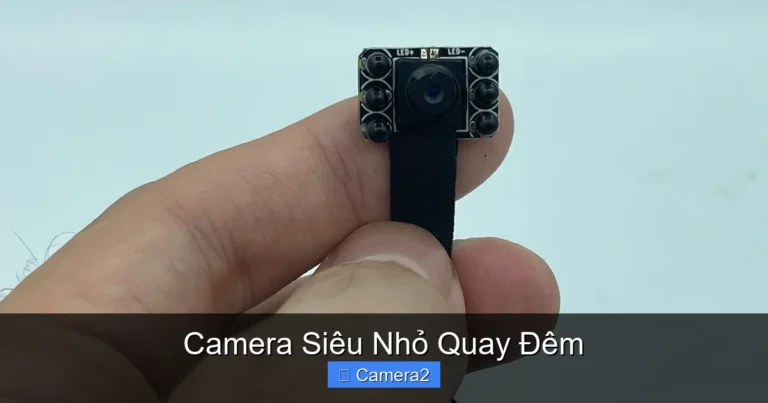
Infrared cameras use an invisible light source (IR LEDs) to illuminate a scene. The camera’s sensor can see this IR light, producing a black‑and‑white image that looks “night‑vision‑like.”
While IR cameras are common in parking lots and warehouses, they are seldom placed inside auditoriums. The main reasons are privacy concerns and the fact that the screen’s own light usually provides enough illumination for standard low‑light cameras.
Thermal Cameras
Thermal imaging detects heat rather than visible light. These devices are great for spotting intruders in total darkness, but they are expensive and produce images that lack facial detail. Because of the cost and the limited need for heat‑based detection inside a theater, thermal cameras are almost never used for regular surveillance.
Why Not Full Night‑Vision Everywhere?
There are three big reasons theaters avoid true night‑vision cameras inside the viewing area:
- Privacy laws: Many jurisdictions restrict cameras that can see people’s faces in areas where they have an expectation of privacy.
- Cost vs. benefit: Night‑vision equipment is pricier, and the added capability offers little extra security in a well‑lit lobby.
- Audience experience: Infrared LEDs can produce a faint glow that might distract viewers during a dark film.
Where Are Cameras Actually Placed?
Entrances and Ticket Counters
Most cameras sit at the main doors, concession stands, and ticket kiosks. These spots capture clear images of anyone entering or leaving the building, which helps deter theft and identify troublemakers.

Visual guide about Do Movie Theaters Have Night Vision Cameras
Image source: i.ytimg.com
Hallways and Restrooms (Outside Only)
Hallways leading to the auditoriums are monitored to watch for suspicious activity. Restrooms are a special case: cameras are allowed only outside the stalls, never inside where privacy is expected. This follows the same rules that apply to other public spaces like elevators (Are There Cameras In Elevators).
Back‑of‑House Areas
Staff-only zones such as projection rooms, storage closets, and employee break rooms often have cameras. These areas are not open to the public, so the privacy expectations differ, and night‑vision may be used here to protect expensive equipment.
Why Not Inside the Auditorium?
Theater owners avoid placing cameras facing the screen or directly at seats. Not only does this raise privacy questions, but it also interferes with the viewing experience. If a camera were to capture the bright light from the screen, the footage could be overexposed, making it useless for security.
Legal Landscape: What the Law Says About Surveillance in Theaters
Federal and State Regulations
In the United States, there is no single federal law governing CCTV in private businesses. Instead, state privacy statutes and local ordinances dictate where cameras can be placed and what they can record. Common themes include:

Visual guide about Do Movie Theaters Have Night Vision Cameras
Image source: autos.yahoo.com.tw
- Prohibition of audio recording without consent in many states.
- Requirement to post clear signage indicating that video surveillance is in use.
- Restrictions on recording in “private areas” such as restrooms and changing rooms.
Consent and Signage
Most theaters display a notice near the entrance stating, “This premises is under video surveillance.” This simple notice satisfies the legal requirement for consent in many jurisdictions. If you never see a sign, you can politely ask the manager about their policy.
Comparison to Other Public Spaces
Similar privacy rules apply to other venues. For example, parking garages and elevators also use cameras strategically while respecting privacy zones.
How Night‑Vision Technology Works (In Simple Terms)
Infrared Illumination
IR cameras have tiny LED lights that emit infrared rays—light we cannot see. The camera’s sensor picks up the reflected IR light, turning it into a grayscale image. This works well in total darkness but creates a slightly grainy picture.
Thermal Imaging
Thermal cameras detect heat differences. Warm bodies stand out against cooler backgrounds. This technology is excellent for detecting intruders in total darkness but is overkill for a theater where the main concern is monitoring people, not heat signatures.
Low‑Light Sensors
Modern CCTV chips (like Sony’s Exmor series) have larger pixels and built‑in noise reduction. They can capture color video in lighting as low as 0.01 lux—about the brightness of a full moon. This is why many theaters can rely on standard cameras without adding IR.
Practical Tips for Movie‑Goers
Know Your Rights
If you’re uncomfortable, ask the theater manager where cameras are located. They should be able to point out the visible lenses and explain the type of system they use.
Protect Your Privacy
- Cover your face with a hat or scarf if you’re especially concerned about facial recognition.
- Avoid bringing devices that record audio in jurisdictions where it’s prohibited without consent.
- Stay aware of signage indicating surveillance.
Safety Benefits
Remember that cameras are primarily there to keep you safe. They deter shoplifting, help staff respond to emergencies, and provide evidence if an incident occurs. The presence of cameras can make a theater a safer environment for everyone.
Future Trends: Smarter, Safer Surveillance
AI‑Powered Analytics
Some modern systems incorporate artificial intelligence to detect unusual behavior, such as a person lingering near an emergency exit. These analytics run on the video feed without storing personal data, balancing security and privacy.
Improved Low‑Light Performance
Advances in sensor technology mean future cameras will need even less light to produce clear images. This could eliminate the need for any IR illumination, keeping the theater completely dark for the audience while still providing crisp footage for security staff.
Integration with Access Control
Many theaters are linking cameras with badge readers for staff. When a staff member swipes in, the system can automatically pull up the camera view of that entrance, making it easier to verify identities.
Conclusion
So, do movie theaters have night vision cameras? In most cases, the answer is no. Theaters typically rely on standard low‑light CCTV that works well enough in the dim lighting of a lobby and auditorium. True night‑vision or thermal cameras are reserved for back‑of‑house areas where extra security is needed.
The key takeaway is that cameras are there to protect you, not to invade your privacy. By understanding where cameras are placed, what technology they use, and the laws that guide them, you can enjoy your late‑night movie with peace of mind.
Frequently Asked Questions
Do movie theaters use infrared cameras?
Some theaters may use infrared (IR) cameras in back‑of‑house areas, but they rarely place IR cameras inside the auditorium because of privacy concerns and potential distraction to viewers.
Are there any cameras in the theater’s restrooms?
No. Laws prohibit cameras inside restrooms. You may see cameras outside the doors for security, but they cannot record inside the stalls.
Can I request to see a theater’s surveillance footage?
Generally, only law enforcement or the theater’s security team can access footage. As a patron, you can request information about camera placement, but you won’t be given the video itself.
Do night‑vision cameras record audio?
Most surveillance cameras, including night‑vision models, are video‑only. Recording audio often requires separate consent and is regulated more strictly.
How do night‑vision cameras affect my movie experience?
Because most theaters avoid night‑vision cameras in the viewing area, they have little to no impact on the movie experience. The low‑light CCTV used for security is discreet and does not interfere with the screen.
What should I do if I feel uncomfortable with the cameras?
Ask a manager about camera locations and policies. If you’re still uneasy, you can choose a different theater or attend a screening at a time when you feel more comfortable.