Good Vintage Speakers for Vinyl
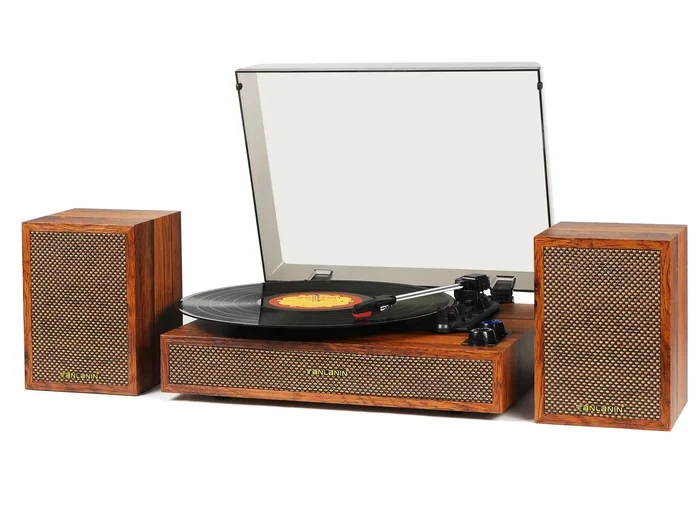
Finding good vintage speakers for vinyl can transform your listening experience. These classic speakers often deliver warm analog sound that modern gear struggles to match. You will learn what to look for, how to test used speakers, and which vintage speaker brands deserve your attention.
Key Takeaways
- Vintage speakers often deliver unique tonal character: Many older speakers use paper cones and classic crossover designs that create a warm, natural sound perfect for vinyl playback.
- Match speaker impedance and sensitivity to your amp: Check speaker impedance and sensitivity ratings to ensure your vintage amplifier or modern receiver can drive them properly.
- Inspect physical condition carefully: Look for torn surrounds, cracked cones, oxidized terminals, and loose wiring before buying any used speakers.
- Not all old speakers are worth keeping: Some vintage models sound dated or lack bass control, so focus on well-regarded designs from known vintage speaker brands.
- Simple maintenance restores performance: Cleaning terminals, checking capacitors, and replacing worn foam surrounds can bring old speakers back to life.
- Room size and placement matter: Even excellent classic speakers will underperform if placed badly, so position them away from walls and balance the soundstage.
- Trust your ears over specs alone: Analog audio is subjective, so always listen to vinyl records you know well before purchasing any pair of speakers.
📑 Table of Contents
- Why Vintage Speakers Still Sound Special for Vinyl
- How to Choose Good Vintage Speakers for Vinyl
- Top Vintage Speaker Brands Worth Considering
- What to Inspect When Buying Used Speakers
- Setting Up Vintage Speakers for the Best Sound
- Common Mistakes When Shopping for Vintage Speakers
- Quick Tips for Buying and Enjoying Vintage Speakers
- Key Comparison: Vintage Speakers at a Glance
- Final Thoughts on Good Vintage Speakers for Vinyl
Why Vintage Speakers Still Sound Special for Vinyl
Vinyl records have a warm analog sound that many listeners love. That sound often pairs beautifully with older speakers. Good vintage speakers for vinyl can bring out the texture of brass, the softness of vocals, and the natural decay of acoustic instruments. Modern speakers sometimes aim for tight accuracy. Vintage designs often aim for a more relaxed, musical presentation. That difference matters a lot when you play records all afternoon.
Many classic speakers use simple crossover networks and traditional cone materials. These choices can create a smooth top end and a forgiving midrange. If you enjoy turntable audio with a relaxed vibe, older speakers may suit you well. You do not need the most accurate system to enjoy music. You need a system that makes you want to sit down and listen.
Of course, not every old speaker is a gem. Some models sound thin, harsh, or bass-light. The goal is to find proven designs that still hold up today. When you choose carefully, you can build a setup that feels timeless. You also get a piece of audio history on your shelf.
What Makes Vinyl Different From Digital Playback
Vinyl playback has a continuous groove that moves a stylus through physical vibrations. That process creates a signal path that many people describe as organic. The sound can feel less chopped and more flowing. It also carries subtle surface noise and room interactions that become part of the experience.
Digital audio is incredibly precise. That precision is great for clarity. It can also expose every flaw in a speaker. Vintage speakers often soften tiny imperfections in a pleasing way. That quality is one reason good vintage speakers for vinyl remain so popular among record lovers.
The Appeal of Classic Speaker Design
Older speakers often feature visible craftsmanship. You may see large magnets, fabric tweeters, and sturdy cabinets. Many were built to last for decades. Some designs used wide-range drivers or simple two-way layouts. These choices can create a unified sound that feels coherent.
You may also notice a different approach to bass. Some vintage speakers rely on larger enclosures or tuned ports. Others use sealed boxes for tight, controlled low end. Either way, the goal was usually musicality first. That focus aligns well with the character of vinyl.
How to Choose Good Vintage Speakers for Vinyl
Choosing good vintage speakers for vinyl starts with your goals. Do you want warm vocals, strong bass, or a detailed soundstage? Your answer shapes everything else. A small bookshelf pair may suit a cozy room. A larger floorstanding model may suit a bigger space. Think about where you will listen most often.
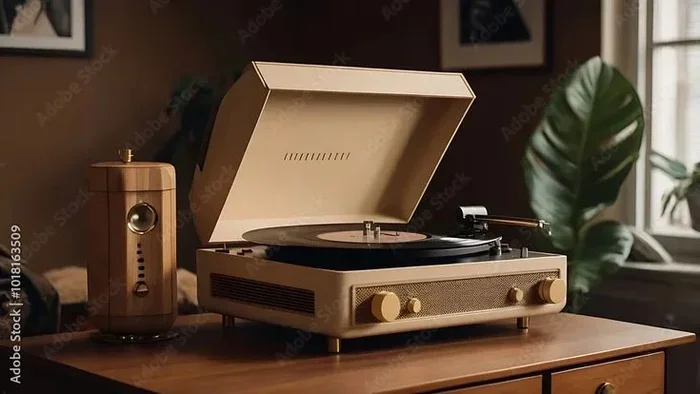
Visual guide about vintage speakers vinyl record player
Image source: i.pinimg.com
Next, check the technical basics. Look at speaker impedance, sensitivity, and power handling. These numbers help you match speakers to your amplifier. If you use a modest receiver, very inefficient speakers may sound quiet or weak. If you use a powerful amp, you have more freedom. Still, balance matters more than raw power.
Also think about your records. If you listen to jazz, folk, or classic rock, you may prefer a smooth midrange. If you enjoy modern production, you may want clearer highs and tighter bass. There is no single perfect choice. The best pair is the one that makes your favorite albums sound right to you.
Speaker Impedance and Amp Matching
Many vintage speakers use 4-ohm or 8-ohm designs. Some older amplifiers expect a certain load. If the speaker impedance is too low, the amp may work harder than intended. If it is too high, you may lose some control. Matching matters for both safety and sound quality.
Sensitivity is just as important. A speaker with low sensitivity needs more power to reach the same volume. A more efficient speaker can sound lively with less drive. When shopping for used speakers, ask how they perform with typical home amplifiers. That question can save you disappointment later.
Listening Priorities for Vinyl Collectors
Start with the music you know best. Play a few familiar albums and listen for balance. Ask yourself simple questions. Are the vocals natural? Does the bass feel muddy or controlled? Do cymbals sound smooth or sharp? Your answers reveal a lot about the speaker’s character.
Do not chase perfect measurements. Vinyl is about enjoyment. A speaker that sounds engaging on your records is often better than one that looks impressive on paper. If possible, bring a small selection of records to test any used pair before buying.
Top Vintage Speaker Brands Worth Considering
Several vintage speaker brands have strong reputations for musical sound. Some made classic home speakers that still turn up on the used market. Others built specialty models for audio enthusiasts. The right brand depends on your budget, room, and taste. Below are a few names that often appear in serious vinyl setups.
You will notice that many of these brands made multiple series over the years. A brand name alone does not guarantee greatness. Model numbers matter. A well-regarded series from a known maker can be a smart find. A random budget model from the same brand may not be.
Classic Home Speaker Lines
Some of the most sought-after older speakers came from established home audio lines. These models often emphasized balanced tone and reliable construction. They were designed for long-term listening, not just showroom impact. That design philosophy suits vinyl very well.
When researching a model, look for consistent feedback from listeners who use analog sources. Some speakers shine with streaming or CDs but feel less special on records. Others truly come alive with vinyl. Read descriptions carefully and focus on tonal character, not just features.
Specialized Vintage Audio Designs
There are also older speakers built with unique driver arrangements or enclosure ideas. Some use wide-range units. Some use separate woofers and tweeters with simple crossover points. These designs can sound distinctive and engaging. They may also require more careful placement.
If you enjoy experimenting, these models can be fun. You may need to adjust toe-in, spacing, and listening distance. That extra effort can pay off with a rich, personal sound. Just remember that classic speakers with unusual designs are not always the easiest to live with.
What to Inspect When Buying Used Speakers
Used speakers can be excellent value. They can also hide problems. Before you buy good vintage speakers for vinyl, inspect them closely. Start with the cabinets. Look for cracks, loose joints, and damaged veneer. Cosmetic wear is one thing. Structural damage is another.
Then check the drivers. Shine a light on the cones and surrounds. Look for tears, ripples, or dry rot. Foam surrounds can age badly over time. Paper cones can also suffer if they were stored in poor conditions. Even small damage can affect sound quality.
Checking Cones, Surrounds, and Terminals
Press gently on the cone if the seller allows it. The movement should feel smooth and controlled. Listen for rubbing or scraping sounds. Those noises can indicate a damaged voice coil or misaligned driver. Also inspect the terminals. Oxidation can weaken the connection and hurt performance.
If the speakers have grilles, remove them for a closer look. Grilles can hide a lot. You want to see the actual driver surface. If possible, ask whether the speakers have been powered on recently. A quick listening test is always better than a visual inspection alone.
Testing Sound Before You Buy
Bring a small amplifier or ask the seller to use one you trust. Play music with a wide range of frequencies. Try a track with deep bass, bright vocals, and dynamic peaks. Listen for distortion, buzzing, or weak output. A pair that sounds fine at low volume may struggle when pushed.
If you cannot test in person, ask for a detailed video. A simple recording can reveal severe issues. It cannot replace a live listen, but it helps. For turntable audio setups, ask the seller whether the speakers were used with vinyl or mostly with digital sources. That context can be useful.
Setting Up Vintage Speakers for the Best Sound
Even excellent speakers need good setup. Placement changes everything. Start by keeping the speakers away from corners unless you want more bass buildup. A few inches of space can smooth out the low end. If the speakers are on the floor, consider isolation pads or small stands. That can reduce vibration and sharpen clarity.
Next, aim the speakers toward your listening position. Small changes in toe-in can affect imaging and high-frequency balance. Move them a little, listen, and repeat. This process is simple, but it works. Vintage designs often reward careful adjustment.
Placement and Room Interaction
Rooms shape sound more than many people expect. Hard walls, glass windows, and bare floors can make a setup sound bright or boomy. Soft furniture, rugs, and curtains can calm reflections. If your room feels too lively, try moving the speakers slightly off-axis from the walls.
Bass is especially sensitive to room placement. A speaker that sounds thin in one spot may sound full in another. If your vinyl setup feels weak in the low end, try shifting the speakers a few feet. You may be surprised by how much changes.
Simple Maintenance to Restore Performance
Old speakers often need a little care. Clean the terminals with contact cleaner if needed. Check cable connections and make sure they are tight. If the surrounds are cracked, consider professional reconing or replacement. That can restore flexibility and extend the life of the drivers.
Dust the cabinets and drivers gently. Avoid harsh chemicals. If the crossover contains older capacitors, a technician can advise whether service is wise. Not every vintage speaker needs repair, but a quick inspection can prevent future trouble. Taking care of analog audio gear is part of the hobby, and it is usually rewarding.
Common Mistakes When Shopping for Vintage Speakers
One common mistake is buying based only on appearance. A beautiful cabinet does not guarantee good sound. Another mistake is ignoring compatibility. A beautiful pair of vintage speaker brands may not work well with your amplifier or room. Always think about the whole system.
People also forget to consider maintenance. Some older speakers need new surrounds or terminal work. That does not make them bad purchases. It just means you should price that risk into your decision. A bargain is not a bargain if it needs major repairs.
Overlooking Amp Matching and Room Size
A large, floorstanding speaker may overwhelm a small room. A tiny bookshelf speaker may disappear in a big space. Match the speaker size to your listening area. Also check whether your amp can handle the load comfortably. If you are unsure, review basic amp matching advice before you buy. For a deeper look at whether you need extra power, you can read this guide on amplifiers for speakers.
Chasing Nostalgia Instead of Sound Quality
Nostalgia is powerful. It can make any old object feel special. But sound quality should come first. If a vintage speaker sounds harsh, boxy, or dull, it may not be worth it. The best good vintage speakers for vinyl are the ones that still deliver a satisfying listen today. Choose the music, not just the memory.
Quick Tips for Buying and Enjoying Vintage Speakers
Here are a few practical tips to keep in mind:
- Define your sound goal first: Decide whether you want warmth, detail, or strong bass before shopping.
- Bring familiar records: Use albums you know well when testing any used speakers.
- Check the full system: Make sure your amp, cables, and room can support the speakers.
- Start small if needed: A modest pair of used speakers can be a smart first step.
- Plan for basic care: Keep terminals clean and inspect surrounds from time to time.
- Listen for enjoyment: If a speaker makes you want to stay and listen, that is a strong sign.
Key Comparison: Vintage Speakers at a Glance
The table below gives a simple comparison of common vintage speaker types. Use it as a starting point, not a final verdict. Every model is different, and your room matters a lot.
| Speaker Type | Typical Strengths | Watch Outs | Best For |
|---|---|---|---|
| Small bookshelf models | Tight imaging, easy placement, lower cost | Limited deep bass, less room-filling power | Small rooms, focused listening |
| Larger floorstanding models | Fuller bass, wider soundstage, higher output | Needs more space, may overwhelm small rooms | Larger rooms, relaxed listening |
| Two-way classic designs | Simple tuning, smooth midrange, musical tone | Crossover choices vary widely by model | Vocals, jazz, classic rock |
| Three-way designs | More driver separation, broader range handling | Can be larger, may need careful setup | Detailed listening, varied genres |
Final Thoughts on Good Vintage Speakers for Vinyl
Finding good vintage speakers for vinyl is part research, part listening, and part patience. The reward is a sound that can feel warm, engaging, and personal. You are not just buying speakers. You are choosing a voice for your records. That voice should suit your music, your room, and your habits.
Take your time. Test what you can. Inspect the condition closely. Match the speakers to your amplifier and space. If you do those things, you can find a pair that brings your vinyl collection to life. And once you hear the right pair, you will understand why classic speakers still have such a loyal following.
Frequently Asked Questions
Are vintage speakers better for vinyl than modern speakers?
Not always, but they can be a great match. Many older speakers offer a warm, relaxed tone that suits analog records well. The best choice depends on your taste, room, and the specific model you choose.
What should I look for when buying used speakers for vinyl?
Check the cones, surrounds, terminals, and cabinet condition. Listen for distortion, buzzing, or weak output if possible. It also helps to test the speakers with music you know well.
Do vintage speakers need special amplification for vinyl?
They usually need an amplifier that matches their impedance and sensitivity. Some vintage speakers are efficient and easy to drive. Others need a capable amp to sound their best.
Can old speakers sound harsh or dated with vinyl records?
Yes, some older models can sound bright, thin, or uneven. That is why model selection matters more than age alone. A well-designed vintage speaker can still sound excellent today.
How much should I spend on good vintage speakers for vinyl?
That depends on your budget and the condition of the speakers. A modest pair can be a smart starting point. Higher prices do not always guarantee better sound for your specific setup.
Do I need to replace foam surrounds on older speakers?
Not always, but it helps to inspect them carefully. Foam surrounds can degrade over time. If they are cracked or brittle, replacement can improve flexibility and sound quality.