How to Match Speakers with Amp
Matching your speakers with the right amplifier is crucial for great sound and safe operation. You need to check impedance, power ratings, and sensitivity to avoid damage. This guide explains how to match speakers with amp setups easily. Get ready to build a system that sounds amazing without blowing your equipment.
Getting great sound from your audio system is not just about buying expensive gear. It is about making sure everything works together. When you how to match speakers with amp correctly, you get clear audio without distortion. You also protect your equipment from damage. Many people make the mistake of focusing only on wattage. But there is much more to consider.
Your amplifier sends power to your speakers. If the power is too high, you can blow the speakers. If the power is too low, the sound will be weak. You also need to think about resistance. This is called impedance. It is measured in ohms. Getting this wrong can hurt your amplifier. So, let us dive into the details. You will learn what to look for.
Key Takeaways
- Impedance Matching: Ensure speaker ohm ratings work with your amplifier to prevent overheating.
- Power Handling: Match RMS power ratings rather than peak power for clean audio.
- Sensitivity Matters: High sensitivity speakers need less power to produce loud sound.
- Wiring Configuration: Series and parallel wiring changes total impedance seen by the amp.
- Headroom: Leave some power headroom to avoid clipping and distortion.
- Quality Over Quantity: A better amp often sounds better than just more watts.
- Testing: Always test your system at low volume before cranking it up.
📑 Table of Contents
Understanding Speaker Impedance
Impedance is one of the most important factors. It is the resistance your speakers offer to the electrical signal. You will see this number on the back of your speaker. It is usually 4 ohms, 6 ohms, or 8 ohms. Your amplifier also has a rated impedance. You need to make sure they are compatible.
What Happens If Impedance Is Too Low?
If you connect speakers with lower impedance than your amp can handle, trouble starts. The amp will try to push too much current. This causes heat. Too much heat can damage the amplifier. It might shut down to protect itself. In worst cases, it can burn out. You should always check the manual.
What Happens If Impedance Is Too High?
Higher impedance is usually safer for the amp. But it can reduce power output. Your sound might not be as loud as you want. It is generally better to be slightly higher than lower. However, you want the closest match for best performance. Understanding speaker impedance matching helps you avoid these issues.
Power Ratings Explained
Watts are what most people look at first. But not all watts are the same. You need to understand RMS versus peak power. RMS stands for Root Mean Square. This is the continuous power a speaker can handle. Peak power is the maximum burst it can take for a short time. Always focus on RMS ratings.

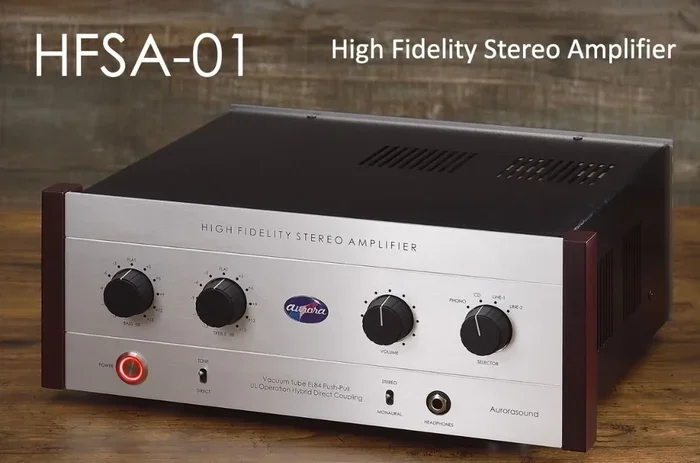
Visual guide about high fidelity stereo speakers amplifier
Image source: luxuryradios.com
Matching Amplifier Power to Speakers
Your amplifier should not be vastly more powerful than your speakers. A good rule is to have the amp rated slightly higher than the speaker RMS. This gives you headroom. Headroom means the amp is not working at its limit. This reduces distortion. If the amp is too weak, you will turn it up too high. This causes clipping. Clipping damages speakers.
You can find more details on general connections in our guide on how to wire speakers to amp. This helps you understand the physical setup too.
Underpowered vs Overpowered
Many think underpowering is safe. It is not. When you push a weak amp, it distorts. This sends bad signals to the speakers. Overpowering is risky too. But a clean signal from a stronger amp is often better. Just do not crank it to the max. Balance is key when you match speakers with amp power levels.
Speaker Sensitivity and Efficiency
Sensitivity is another key term. It measures how loud a speaker gets with a certain amount of power. It is measured in decibels (dB). A speaker with high sensitivity needs less power. A speaker with low sensitivity needs more power. This matters if you have a low-power amplifier.
Why Sensitivity Matters
If you have a 10-watt amp, do not buy low sensitivity speakers. They will be quiet. Look for speakers with 90 dB sensitivity or higher. This ensures you get good volume. It also helps you save energy. You do not need to drive the amp hard. This is a vital part of speaker amplifier compatibility.
Wiring Configurations and Impedance
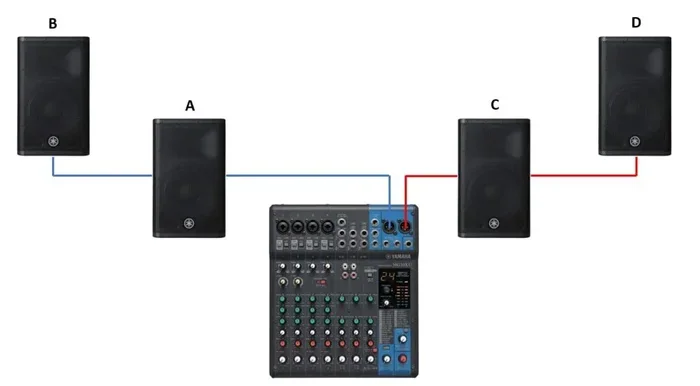
Sometimes you have more speakers than amplifier channels. You might want to wire multiple speakers to one channel. This changes the total impedance. You need to calculate this carefully. There are two main ways to wire speakers. These are series and parallel.
Series Wiring
In series wiring, you connect the positive of one speaker to the negative of the next. This adds the impedance values. For example, two 4-ohm speakers in series become 8 ohms. This is safer for most amplifiers. It reduces the load on the amp. But it also reduces power output.
Parallel Wiring
In parallel wiring, you connect all positives together and all negatives together. This lowers the total impedance. Two 4-ohm speakers in parallel become 2 ohms. This is dangerous for many amps. Only do this if your amp supports 2-ohm loads. You can learn more about specific setups in our article on how to wire 4 speakers to 2 channel amp.
Here is a quick comparison of wiring methods:
| Wiring Type | Impedance Effect | Best For |
|---|---|---|
| Series | Adds impedance | Lower power amps |
| Parallel | Lowers impedance | High power amps |
| Series-Parallel | Mix of both | Multiple speakers |
Monitoring Speaker Health
Even with a perfect match, speakers can fail. You need to know the signs. Distortion is a big clue. If the sound gets fuzzy at high volumes, something is wrong. You might also hear rattling. This means the cone is damaged. You should check your speakers regularly.
Signs of Damage
Listen for buzzing sounds. This often means a blown voice coil. You can also check physically. Gently push the speaker cone. It should move smoothly. If it feels stuck, it might be bad. We have a detailed guide on how to check if speakers are blown. It is worth reading before you blame your amp.
Sometimes the issue is not the speaker but the connection. Loose wires cause bad sound. Check your terminals. Ensure everything is tight. This simple step solves many problems. It ensures your matching speakers to amplifier efforts are not wasted.
Final Tips for a Great Setup
Take your time when setting up. Do not rush the connections. Double-check your polarity. Positive should go to positive. Negative to negative. If you mix them up, the sound will be thin. You might also damage the speakers over time. You can learn how to check polarity on speakers with multimeter to be sure.
Start with low volume. Turn the system on slowly. Listen for strange noises. If everything sounds good, you are set. Enjoy your music. A well-matched system lasts longer. It sounds better too. You will notice the difference in clarity.
Expert Insight
Many experts suggest leaving 20% headroom. This means your amp can deliver 20% more power than the speaker RMS. This prevents clipping during loud peaks. It is a safe zone for your gear. Always prioritize clean sound over maximum volume.
Common Mistakes to Avoid
- Ignoring ohm ratings
- Using peak power instead of RMS
- Wiring speakers incorrectly
- Turning volume up too fast
- Forgetting to check polarity
By avoiding these errors, you ensure success. You now know how to match speakers with amp like a pro. Your audio journey will be much smoother.
Frequently Asked Questions
Can I use 8 ohm speakers with a 4 ohm amp?
Yes, you can usually use 8 ohm speakers with a 4 ohm amp. The amplifier will see a higher impedance load, which is generally safe. However, you may get slightly less power output than expected.
What happens if I match speakers with too much power amp?
If your amplifier is much more powerful than your speakers, you risk blowing the speakers. You must be careful not to turn the volume up too high. Keeping the gain low helps prevent damage.
How do I know if my speakers are compatible with my amp?
Check the impedance and power handling on both devices. Ensure the ohm rating matches what the amp supports. Also compare the RMS power ratings for a good balance.
Is it better to have more amp power or more speaker power?
It is usually better to have an amp with slightly more power than the speaker RMS rating. This provides headroom and prevents distortion. An underpowered amp can cause clipping which damages speakers.
Does speaker sensitivity affect how I match them with an amp?
Yes, sensitivity determines how loud your speakers will get with less power. High sensitivity speakers are great for low-power amplifiers. Low sensitivity speakers need more power to reach the same volume.
Can I wire multiple speakers to one amplifier channel?
You can wire multiple speakers to one channel, but you must calculate the total impedance. Series wiring increases ohms while parallel wiring decreases them. Make sure the total load is safe for your amplifier.