Largest Nvme M 2 Ssd
The largest NVMe M.2 SSDs now reach up to 8TB of storage, giving users massive speed and space in a tiny form factor. Whether you need a high-capacity NVMe M.2 SSD for gaming, video editing, or data storage, there are powerful options from brands like Samsung, Crucial, and WD. In this guide, we break down the biggest NVMe M.2 drives, their speeds, prices, and which one fits your workflow best.
When you need serious storage without sacrificing speed, nothing beats a large NVMe M.2 SSD. These tiny drives pack terabytes of space and deliver speeds that make traditional hard drives look ancient. Whether you are building a new PC or upgrading an existing one, finding the right high-capacity drive can be a game changer.
The largest NVMe M.2 SSD options on the market today go all the way up to 8TB. That is enough space to store thousands of games, hours of 4K video footage, and massive data sets. But bigger is not always better. You need to balance capacity, speed, price, and compatibility to find the right fit.
In this guide, we will walk you through everything you need to know about the biggest NVMe M.2 SSDs available. We will cover top picks, key specs, pricing, and practical advice so you can make a confident choice. Let us dive in.
Key Takeaways
- Massive Capacities Available: The largest NVMe M.2 SSDs now go up to 8TB, far beyond what most people need.
- Speed Meets Storage: These drives offer blazing fast PCIe Gen4 and Gen5 speeds alongside huge storage space.
- Multiple Brands to Choose From: Samsung, Crucial, WD, and others all compete in the high-capacity NVMe M.2 space.
- Price Varies Widely: A 4TB drive costs much less than an 8TB model, so your budget matters.
- Form Factor Matters: Most large NVMe M.2 SSDs use the 2280 size, which fits most modern PCs.
- Best for Heavy Workloads: Video editors, gamers, and data professionals benefit most from these large drives.
- Check Compatibility First: Not every motherboard supports the largest NVMe M.2 SSDs, so verify your slots.
📑 Table of Contents
- What Makes an NVMe M.2 SSD the “Largest”?
- Top Largest NVMe M.2 SSDs on the Market
- How to Choose the Right Largest NVMe M.2 SSD for You
- Price Comparison of the Largest NVMe M.2 SSDs
- Common Mistakes When Buying a Large NVMe M.2 SSD
- Expert Tips for Getting the Most From Your Large NVMe M.2 SSD
- Final Thoughts on the Largest NVMe M.2 SSD
What Makes an NVMe M.2 SSD the “Largest”?
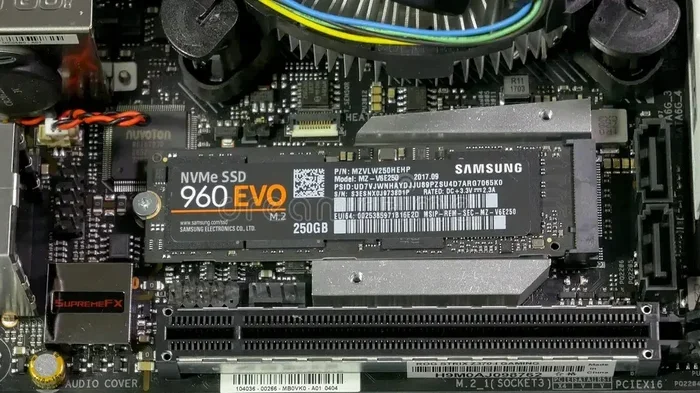
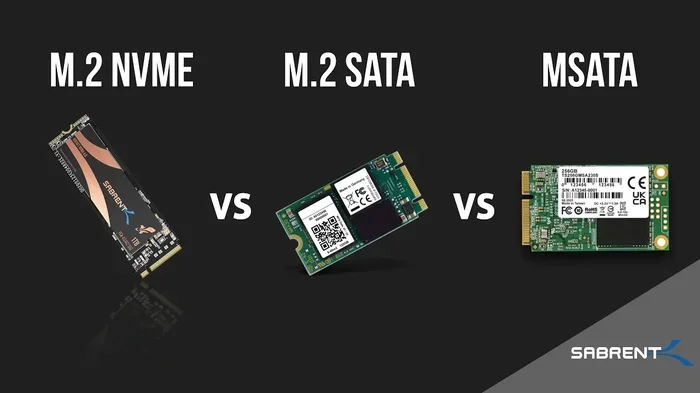
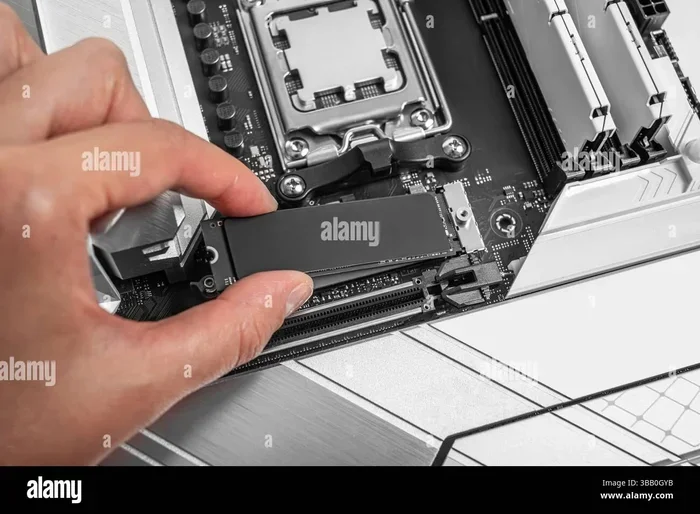
When we talk about the largest NVMe M.2 SSD, we mean the highest storage capacity available in the M.2 form factor using NVMe technology. The M.2 shape is a small, rectangular stick that plugs directly into your motherboard. NVMe stands for Non-Volatile Memory Express, which is a fast protocol that lets these drives communicate with your system at incredible speeds.
Here are the key factors that define a large NVMe M.2 SSD:
- Capacity: This is the storage size. Today, the largest options start at 4TB and go up to 8TB.
- Form Factor: Most large NVMe M.2 SSDs use the 2280 size, meaning 22mm wide and 80mm long.
- Interface: PCIe Gen4 and Gen5 are the fastest interfaces available for M.2 drives right now.
- NAND Type: TLC (Triple-Level Cell) NAND offers a good balance of speed, endurance, and cost for large drives.
- Controller: The internal chip that manages data flow. Better controllers mean faster and more reliable performance.
Understanding these basics helps you compare drives more easily. A drive with 8TB of capacity but an older PCIe Gen3 interface will not feel as fast as a 4TB Gen5 model. Always look at the full picture, not just the storage number.
Top Largest NVMe M.2 SSDs on the Market
Several brands now offer high-capacity NVMe M.2 SSDs that stand out. Here are the top contenders you should consider. Each one brings something different to the table in terms of speed, endurance, and value.
Crucial T705 — Best Overall Large NVMe M.2 SSD
The Crucial T705 is one of the most exciting large-capacity NVMe M.2 SSDs available right now. It uses the PCIe Gen5 interface, which means it pushes data at incredible rates. With capacities up to 4TB, it gives you plenty of room for games, projects, and media files.
Here is what makes the Crucial T705 stand out:
- Sequential read speeds up to 12,400 MB/s
- Sequential write speeds up to 11,800 MB/s
- Available in 1TB, 2TB, and 4TB capacities
- Excellent endurance with a high TBW rating
- Competitive pricing for a Gen5 drive
If you want a fast large NVMe M.2 SSD that handles heavy workloads without breaking the bank, the Crucial T705 is a top pick. It is perfect for creators who need to move huge files quickly.
Samsung 990 Pro — The Premium Large Capacity Choice
Samsung has long been a leader in the SSD world, and the Samsung 990 Pro carries that reputation forward. While it uses PCIe Gen4 rather than Gen5, it still delivers outstanding performance. Available in up to 4TB, this drive is a favorite among professionals and enthusiasts alike.
Key highlights of the Samsung 990 Pro include:
- Read speeds up to 7,450 MB/s
- Write speeds up to 6,900 MB/s
- V-NAND TLC technology for reliability
- Strong random read/write performance
- Excellent thermal management
The Samsung 990 Pro is a proven performer. It may not be the absolute fastest on paper, but its consistency and reliability make it a solid choice for anyone who needs a dependable large NVMe M.2 SSD.
WD Black SN850X — Great for Gaming and Creative Work
Western Digital’s WD Black SN850X is another strong player in the large NVMe M.2 SSD category. It targets gamers and content creators who want both speed and capacity. The drive is available in up to 4TB and delivers very competitive performance.
Notable features of the WD Black SN850X:
- Read speeds up to 7,300 MB/s
- Write speeds up to 6,600 MB/s
- Available in 1TB, 2TB, and 4TB sizes
- WD Software for monitoring and management
- Good sustained write performance under heavy loads
This drive is a great option if you want a large NVMe M.2 SSD that balances gaming performance with creative workloads. It runs cool and stays reliable over long sessions.
How to Choose the Right Largest NVMe M.2 SSD for You
Not every large NVMe M.2 SSD is the right choice for every user. Your needs, budget, and system compatibility all play a role. Here is a practical guide to help you decide.
Consider Your Storage Needs
Think about how much data you actually have and how fast it will grow. If you are a casual gamer with a few hundred games, a 2TB drive might be enough. But if you edit 4K video or work with massive data sets, you will want to look at 4TB or larger options.
Here is a quick breakdown of common use cases:
- Gaming: 2TB to 4TB handles most game libraries comfortably.
- Video Editing: 4TB or more gives you room for raw footage and project files.
- General Use: 1TB to 2TB is plenty for everyday tasks and a moderate game library.
- Data Storage: 4TB to 8TB suits professionals who store large archives.
Check Your Motherboard Compatibility
Not every motherboard can handle the largest NVMe M.2 SSDs. Before you buy, check these things:
- Does your motherboard have an M.2 slot?
- Does the slot support PCIe Gen4 or Gen5?
- What is the maximum supported capacity?
- Does the slot share bandwidth with other components?
Using a Gen5 drive in a Gen4 slot will still work, but you will not get the full Gen5 speeds. Similarly, older boards may not support the newest large-capacity drives properly. Always check your motherboard manual first.
Balance Speed and Price
Larger NVMe M.2 SSDs cost more, and so do faster ones. A 4TB Gen5 drive like the Crucial T705 will cost more than a 4TB Gen4 drive like the Samsung 990 Pro. Think about what speed you actually need. For most users, Gen4 speeds are more than enough. Only choose Gen5 if you specifically need that extra performance boost.
Price Comparison of the Largest NVMe M.2 SSDs
Price is always a big factor when buying a large NVMe M.2 SSD. Here is a simple comparison of popular options and their approximate prices. Keep in mind that prices can change, so check current deals before purchasing.
| Drive | Max Capacity | Interface | Read Speed | Approx. Price (4TB) |
|---|---|---|---|---|
| Crucial T705 | 4TB | PCIe Gen5 | 12,400 MB/s | $350 – $400 |
| Samsung 990 Pro | 4TB | PCIe Gen4 | 7,450 MB/s | $300 – $350 |
| WD Black SN850X | 4TB | PCIe Gen4 | 7,300 MB/s | $290 – $340 |
| Crucial T700 | 8TB | PCIe Gen5 | 12,400 MB/s | $600+ |
As you can see, there is a clear trade-off between capacity, speed, and cost. The Crucial T705 offers excellent value if you want Gen5 speeds at a reasonable price. If you prefer a proven brand with a solid track record, the Samsung 990 Pro is hard to beat.
For those who truly need the absolute maximum, the 8TB models represent the cutting edge of what is possible right now. These drives are expensive but offer unmatched storage in a tiny M.2 package.
Common Mistakes When Buying a Large NVMe M.2 SSD
Many people make avoidable mistakes when shopping for a large NVMe M.2 SSD. Here are the most common ones and how to dodge them.
Ignoring Thermal Performance
Large NVMe drives can run hot, especially under heavy loads. If your motherboard does not have a heatsink, consider buying an M.2 heatsink or a drive with a built-in one. Overheating can cause throttling, which slows your drive down when you need it most.
Forgetting About Endurance
Capacity is not the only spec that matters. Look at the TBW (Terabytes Written) rating, which tells you how much data you can write over the drive’s lifetime. Higher TBW means longer lasting performance, which matters more for drives that handle constant heavy writes.
Assuming Bigger Is Always Faster
A 4TB drive is not automatically faster than a 2TB drive. The interface (Gen4 vs Gen5) and the controller matter more for speed. Always check the actual read and write speeds, not just the capacity.
Not Planning for Future Needs
Storage needs grow fast. If you buy a 1TB drive today, you might wish you had gone with a 2TB or 4TB model in a year or two. It is often worth spending a little extra now to avoid upgrading again soon.
Expert Tips for Getting the Most From Your Large NVMe M.2 SSD
Once you have your largest NVMe M.2 SSD installed, a few simple steps can help you get the best performance and longevity out of it.
- Keep Your Drivers Updated: Check the manufacturer’s website for the latest NVMe drivers. Updated drivers often improve compatibility and performance.
- Enable TRIM: TRIM helps your SSD maintain speed over time by clearing unused data blocks. Make sure it is enabled in your operating system.
- Monitor Drive Health: Most SSD manufacturers offer free software that lets you check drive health, temperature, and remaining lifespan.
- Avoid Filling the Drive Completely: Leave at least 10-15% of the drive free for optimal performance and wear leveling.
- Use the Right Slot: If your motherboard has multiple M.2 slots, check which one offers the best bandwidth. Some slots share lanes with other components.
These tips might seem small, but they can make a big difference in how your large NVMe M.2 SSD performs over months and years of use.
Final Thoughts on the Largest NVMe M.2 SSD
The largest NVMe M.2 SSD options available today give you incredible storage and speed in a tiny package. Whether you pick the Crucial T705 for Gen5 performance, the Samsung 990 Pro for proven reliability, or the WD Black SN850X for gaming, you are getting a drive that will transform your computing experience.
Take the time to consider your actual needs, check your motherboard compatibility, and balance speed with price. The right large NVMe M.2 SSD will serve you well for years to come. Happy upgrading!
Frequently Asked Questions
What is the largest NVMe M.2 SSD available today?
The largest NVMe M.2 SSDs currently available go up to 8TB. These high-capacity drives use PCIe Gen5 technology and offer incredible speeds alongside massive storage space. They are ideal for professionals who need the most storage possible in a compact M.2 form factor.
Is a 4TB NVMe M.2 SSD worth the price?
For many users, a 4TB NVMe M.2 SSD is absolutely worth it. If you are a video editor, gamer, or data professional, the extra storage space and fast speeds can save you time and frustration. Prices for 4TB drives have dropped significantly in recent years, making them more accessible than ever.
What is the difference between PCIe Gen4 and Gen5 NVMe M.2 SSDs?
PCIe Gen5 NVMe M.2 SSDs offer roughly double the speed of Gen4 models. Gen5 drives can reach read speeds above 12,000 MB/s, while Gen4 drives typically max out around 7,000 MB/s. For most everyday tasks, Gen4 is more than fast enough, but Gen5 is great for heavy workloads that demand maximum throughput.
Can any motherboard support the largest NVMe M.2 SSDs?
Not all motherboards support the largest NVMe M.2 SSDs. You need to check that your board has an M.2 slot, that the slot supports PCIe Gen4 or Gen5, and that it can handle the drive’s capacity. Always consult your motherboard manual before purchasing a large NVMe drive.
How long do large NVMe M.2 SSDs last?
Large NVMe M.2 SSDs typically last many years under normal use. Their lifespan depends on the TBW (Terabytes Written) rating, which indicates how much data you can write before the drive starts to wear out. Most high-capacity NVMe drives have TBW ratings in the thousands, making them very durable for everyday and professional use.
Do I need a heatsink for a large NVMe M.2 SSD?
A heatsink is not always required, but it helps. Large NVMe M.2 SSDs can generate significant heat during heavy workloads. If your motherboard does not have a built-in M.2 heatsink, adding one can prevent thermal throttling and keep your drive running at top speeds. It is a small investment that can make a big difference.