Why Does Apple Keep Lightning Instead of Usb C
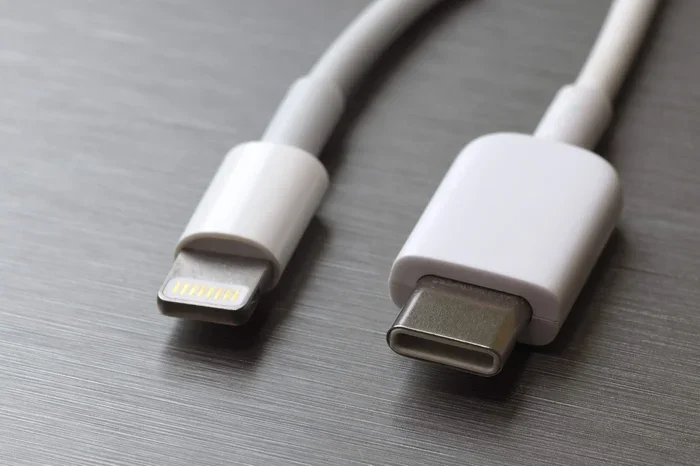
Apple has stuck with its Lightning connector for years while the rest of the world moved to USB-C. The reasons involve profits, proprietary control, and a massive accessory ecosystem. This guide breaks down every major factor behind Apple’s decision and what it means for your devices.
Apple has a long history of doing things its own way. From the first iPhone to the latest iPad, the company has always preferred proprietary designs over industry standards. The Lightning connector is one of the most visible examples of this approach.
While nearly every other smartphone maker switched to USB-C years ago, Apple kept its Lightning connector for almost a decade. This decision has confused many users. It has also sparked countless debates among tech fans and industry experts. So why does Apple keep Lightning instead of USB-C? Let us break it all down.
The answer is not simple. It involves money, control, design philosophy, and even government regulations. Understanding these factors helps you see the full picture. It also helps you make better choices about your own tech setup.
Key Takeaways
- Proprietary Control: Apple uses Lightning to maintain full control over its accessory ecosystem and MFi certification revenue.
- Massive Revenue Stream: Lightning cables and accessories generate significant profit for Apple through licensing fees.
- EU Regulations Are Pushing Change: New laws are forcing Apple to eventually adopt USB-C across its lineup.
- USB-C Is the Universal Standard: Most other brands have already embraced USB-C for charging and data transfer.
- Some Apple Devices Still Use Lightning: AirPods, older iPads, and iPhones (before iPhone 15) rely on Lightning connectors.
- Adapters Bridge the Gap: You can use USB-C adapters and cables like the M 2 Nvme Ssd To Usb 3 1 Adapter to connect Lightning devices to modern USB-C setups.
📑 Table of Contents
- The History of Apple’s Lightning Connector
- Why Apple Sticks With Lightning
- The USB-C World Everyone Else Adopted
- The EU Regulation Push
- Apple Devices Still Using Lightning in 2024
- What This Means for You as a User
- Common Mistakes People Make With Lightning and USB-C
- Expert Insights on Apple’s Connector Strategy
- Key Takeaways
- Conclusion
The History of Apple’s Lightning Connector
Apple introduced the Lightning connector in 2012. It replaced the older 30-pin dock connector that had been around since 2003. The Lightning connector was smaller, reversible, and much more durable than its predecessor.
A Bold Move at the Time
When Apple launched Lightning, it was a big deal. The connector was tiny compared to other options available. It allowed Apple to make thinner devices. It also gave Apple full control over the connector design and licensing.
At the time, most Android phones used micro-USB cables. Apple saw an opportunity. By creating its own connector, Apple could build a profitable ecosystem around its devices. Every Lightning cable and accessory had to go through Apple’s MFi certification program.
This program ensures quality and compatibility. But it also means Apple charges a licensing fee for every Lightning accessory sold. Over the years, this has generated billions of dollars in revenue.
Why Apple Sticks With Lightning
Apple has several reasons for keeping the Lightning connector. Some are financial. Some are strategic. And some are simply about brand identity.
Profit From the Accessory Ecosystem
This is probably the biggest reason. Apple makes money every time someone buys a Lightning cable or accessory. The MFi certification program requires manufacturers to pay Apple a fee. This creates a steady stream of income.
Think about how many Lightning cables people own. Most households have at least two or three. Multiply that by millions of Apple device users worldwide. The revenue adds up fast.
If Apple switched to USB-C, it would lose control over this ecosystem. Anyone could make USB-C cables without paying Apple. The licensing revenue would disappear almost overnight.
Control Over the User Experience
Apple is known for controlling every aspect of the user experience. The Lightning connector gives Apple that control. From the cable quality to the charging speed, Apple decides how the connection works.
USB-C is an open standard. Anyone can design USB-C products. This means Apple cannot guarantee the same level of quality control. Some cheap USB-C cables can damage devices or charge slowly. Apple prefers to avoid that risk.
Design Flexibility
The Lightning connector is small and versatile. Apple has used it in many devices over the years. From iPhones to iPads to Magic Keyboards, Lightning has been a reliable connector.
USB-C is also small, but Apple has its own design language. Switching to a new connector requires redesigning hardware and software. This costs money and takes time. Apple weighs these costs carefully before making any change.
The USB-C World Everyone Else Adopted
While Apple held on to Lightning, the rest of the tech world embraced USB-C. Today, USB-C is the standard for charging, data transfer, and audio across most devices.
What USB-C Offers
USB-C brings many benefits to the table. It supports faster data transfer speeds. It can deliver more power for quicker charging. It is also reversible, just like Lightning.
Many accessories now use USB-C. For example, if you want high-quality audio, you can grab a pair of Best Usb Type C Headphones that work with almost any modern device. This kind of universal compatibility is what USB-C does best.
USB-C also supports video output. You can connect your phone to a monitor with a single cable. This is incredibly useful for professionals and casual users alike.
The Adapter Gap
One challenge with Lightning is the lack of universal compatibility. If you travel, you may need adapters to connect your Lightning devices to USB-C chargers or computers.
Adapters like the Nvme Ssd To Usb Adapter show how the USB-C ecosystem has expanded. These adapters make it easy to connect different devices and storage solutions. Lightning users miss out on this kind of seamless connectivity.
Cross-Platform Convenience
USB-C works across platforms. You can use the same cable for an Android phone, a Windows laptop, and even a Nintendo Switch. This cross-platform convenience is a huge selling point.
Apple users cannot say the same. You need a Lightning cable for your iPhone. A USB-C cable for your iPad (newer models). And possibly a different cable for your Mac. This fragmentation can be frustrating.
The EU Regulation Push
Governments around the world have noticed Apple’s refusal to adopt USB-C. The European Union took the biggest step toward forcing change.
EU USB-C Mandate
In 2022, the European Union passed a law requiring all smartphones to use USB-C by the end of 2024. This law directly targets Apple and its Lightning connector.
The goal is simple. Reduce electronic waste. Make life easier for consumers. And create a universal charging standard that works everywhere.
Apple initially resisted the regulation. The company argued that strict rules stifle innovation. But eventually, Apple had no choice. The iPhone 15 lineup finally switched to USB-C in 2023.
What This Means for Apple
The EU mandate forced Apple’s hand. But it did not change Apple’s overall philosophy overnight. Apple still uses Lightning in several products. AirPods, the Magic Keyboard, and some iPad models still rely on the old connector.
Apple will likely phase out Lightning gradually. The company prefers to do things on its own timeline. Even with the EU law pushing change, Apple maintains a strong grip on its accessory ecosystem.
Global Ripple Effects
The EU law has influenced other countries too. Brazil, the UK, and India have all considered similar regulations. This global pressure makes it harder for Apple to keep Lightning much longer.
However, Apple is a master of adaptation. The company has already started transitioning its products. The iPhone 15 and newer models use USB-C. The iPad Air and iPad Pro also switched to USB-C. Only the base iPad and some accessories still use Lightning.
Apple Devices Still Using Lightning in 2024
Despite the shift to USB-C, several Apple devices still rely on Lightning. Here is a quick look at what is still using the old connector.
- iPhone 14 and older: All iPhones before the iPhone 15 use Lightning.
- Base iPad (10th generation): Apple’s entry-level iPad still uses Lightning.
- AirPods (most models): The charging case uses a Lightning cable.
- Magic Keyboard: Apple’s keyboard for iPad uses Lightning for charging.
- Apple Pencil (1st generation): This stylus charges via Lightning.
- Various accessories: Many Apple cables, adapters, and docks still use Lightning.
If you own any of these devices, you will need Lightning cables for now. This also means you need to keep Lightning adapters handy if you want to connect them to USB-C chargers or computers.
What This Means for You as a User
The Lightning vs. USB-C debate affects you in real ways. Understanding these impacts helps you make smarter buying decisions.
Cable Chaos
If you use both Apple and non-Apple devices, you probably have a drawer full of different cables. You need Lightning cables for your iPhone. USB-C cables for your other gadgets. This cable chaos is annoying and wasteful.
The transition to USB-C on newer iPhones helps reduce this problem. But if you have older devices, you still need Lightning cables. Keep a few spares around. They are still essential for many Apple products.
Accessory Costs
Lightning accessories are often more expensive than their USB-C counterparts. Part of this is due to Apple’s licensing fees. Part of it is because the Lightning market is smaller now.
As more devices move to USB-C, Lightning accessories will become harder to find. Prices may go up as supply decreases. This is another reason to consider upgrading to newer USB-C Apple devices when possible.
Future-Proofing Your Setup
If you are building a new tech setup, go with USB-C where you can. USB-C is the future. It is the universal standard that almost every device maker supports.
For now, you can bridge the gap with adapters. Whether you need a simple charging adapter or a more complex M 2 Nvme Ssd To Usb 3 1 Adapter for storage, USB-C adapters give you flexibility.
Quick Tips for Managing Both Connectors
- Keep a USB-C to Lightning cable in your bag at all times.
- Label your cables so you never grab the wrong one.
- Invest in a multi-port USB-C charger to reduce cable clutter.
- Buy MFi-certified Lightning cables to ensure safety and compatibility.
- Plan your device upgrades around the USB-C transition.
Common Mistakes People Make With Lightning and USB-C
There are a few mistakes that many users make when dealing with these two connector types. Avoiding them saves you time and money.
Buying cheap uncertified cables: Non-certified Lightning cables can damage your devices. They may not charge properly or transfer data reliably. Always look for MFi certification.
Assuming all USB-C cables are the same: USB-C cables vary widely in quality and capabilities. Some only support charging. Others support fast data transfer and video output. Check the specs before you buy.
Ignoring the transition timeline: Apple is moving to USB-C. Holding onto old Lightning-only devices too long means you miss out on the universal connector experience. Plan your upgrades wisely.
Not using adapters when needed: If you have a mix of Lightning and USB-C devices, adapters are your best friend. They bridge the gap until you can fully transition.
Expert Insights on Apple’s Connector Strategy
Industry analysts believe Apple’s attachment to Lightning is fading. The company has already made the switch on its flagship iPhone. Other products will likely follow in the next few years.
Some experts think Apple will keep Lightning on a few niche products even after the main transition. The Magic Keyboard and Apple Pencil might hold on to Lightning for a while longer. But the writing is on the wall. USB-C is the future.
Apple’s decision to eventually adopt USB-C also opens up new possibilities. USB-C supports faster charging speeds and more data bandwidth. This means future Apple devices could charge faster and transfer files quicker than ever before.
The company has also been investing in wireless solutions. MagSafe and wireless charging reduce the need for cables altogether. But for now, USB-C remains the most practical wired option.
Key Takeaways
- Proprietary Control: Apple uses Lightning to maintain full control over its accessory ecosystem and MFi certification revenue.
- Massive Revenue Stream: Lightning cables and accessories generate significant profit for Apple through licensing fees.
- EU Regulations Are Pushing Change: New laws are forcing Apple to eventually adopt USB-C across its lineup.
- USB-C Is the Universal Standard: Most other brands have already embraced USB-C for charging and data transfer.
- Some Apple Devices Still Use Lightning: AirPods, older iPads, and iPhones (before iPhone 15) rely on Lightning connectors.
- Adapters Bridge the Gap: You can use USB-C adapters and cables to connect Lightning devices to modern USB-C setups.
Conclusion
Apple’s decision to keep the Lightning connector comes down to control, profit, and design philosophy. The company has benefited enormously from its proprietary connector. But the world is moving toward USB-C, and Apple has no choice but to follow.
The iPhone 15 marked a turning point. Apple finally embraced USB-C on its most important device. Other products will likely follow. The Lightning era is slowly coming to an end.
If you are currently dealing with Lightning devices, do not worry. You can still find cables and adapters easily. And when it is time to upgrade, USB-C devices offer unmatched compatibility and convenience.
The bottom line is simple. USB-C is here to stay. Apple knows it. The industry knows it. And soon, even the last Lightning holdouts will make the switch.
Frequently Asked Questions
Why did Apple use Lightning for so long instead of USB-C?
Apple used Lightning because it gives the company control over its accessory ecosystem and generates revenue through MFi licensing fees. The proprietary connector also aligns with Apple’s philosophy of controlling the user experience from start to finish.
Will all Apple devices eventually switch to USB-C?
Most likely yes. Apple has already switched the iPhone 15 and newer models to USB-C. The company is gradually moving its entire lineup to USB-C, especially with EU regulations pushing for a universal standard.
Can I use a USB-C cable with my Lightning iPhone?
You can use a USB-C to Lightning cable to charge your Lightning iPhone. This cable has a USB-C connector on one end and a Lightning connector on the other. It works with USB-C chargers and computers.
Is USB-C better than Lightning for charging speed?
USB-C generally supports faster charging speeds than Lightning, especially with USB Power Delivery. Newer iPhones with USB-C can charge significantly faster than older Lightning models.
Are Lightning cables still worth buying in 2024?
Yes, if you still own Lightning devices like older iPhones, AirPods, or certain iPads. Lightning cables are still available and necessary for those devices. Just make sure to buy MFi-certified cables for safety.
How does the EU USB-C law affect Apple users?
The EU law forced Apple to switch its iPhones to USB-C starting with the iPhone 15. It also pushes Apple to adopt USB-C across more products over time. This means future Apple devices will use the same connector as most other tech gadgets.