How to Match Speakers and Amps
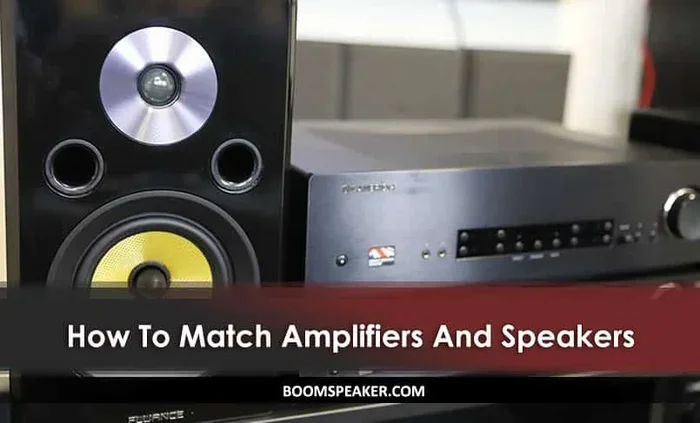
Matching speakers and amps is the key to great sound and safe equipment. You need to check impedance, power ratings, and sensitivity before connecting anything. This guide explains every step in simple terms so you can build a system that sounds amazing without blowing your speakers.
Key Takeaways
- Impedance matters most: Always match speaker impedance (ohms) to your amplifier’s stable range to avoid damage.
- Power headroom is safe: Choose an amp that delivers 1.5 to 2 times the speaker’s RMS power for clean sound.
- Sensitivity affects volume: High-sensitivity speakers need less power to reach loud levels, while low-sensitivity models need more.
- Wiring changes impedance: Series and parallel wiring alter total ohms, so calculate carefully before connecting multiple speakers.
- Avoid clipping at all costs: Underpowered amps driven too hard cause distortion that destroys speakers faster than overpowering them.
- Check manufacturer specs: Always read both the speaker and amplifier manuals before making connections.
- Test gradually: Start with low volume, verify sound quality, and increase levels slowly to catch problems early.
📑 Table of Contents
Understanding How to Match Speakers and Amps
Building a great audio system starts with one simple goal. You want your music to sound clear, loud, and safe. The best way to achieve that is learning how to match speakers and amps correctly. Many people skip this step and regret it later. A bad match can cause weak sound, distorted audio, or even permanent damage. The good news is that the process is easier than it looks. You just need to understand a few core concepts and check the right numbers.
Think of your amplifier as the muscle and your speakers as the voice. The amp sends power to the speakers. The speakers turn that power into sound. If the muscle is too weak, the voice struggles. If the muscle is too aggressive, the voice gets strained. A proper match keeps everything balanced. You get clean bass, crisp highs, and reliable performance. This guide walks you through every step in plain language. You will learn what specs matter, how to read them, and how to avoid common mistakes.
Why Impedance Is the First Thing to Check
Impedance is the most important number when you learn how to match speakers and amps. It measures how much electrical resistance your speakers offer to the amplifier. You will usually see it listed in ohms. Common values are 4 ohms, 6 ohms, and 8 ohms. The amplifier also has a safe impedance range. If you connect speakers outside that range, the amp may overheat or shut down. In worse cases, the output stage can fail.

Visual guide about audio equipment matching speakers amplifier
Image source: gearpatrol.com
What Ohms Really Mean for Your System
Lower ohms mean the speakers draw more current from the amp. Higher ohms draw less current. That sounds simple, but it changes how much work the amplifier must do. A 4-ohm load is harder to drive than an 8-ohm load. Some amplifiers handle 4 ohms easily. Others only support 8 ohms or higher. Always check the amp’s minimum impedance rating before connecting anything.
Series and Parallel Wiring Basics
If you plan to run multiple speakers, wiring changes the total impedance. Series wiring adds the ohms together. Two 4-ohm speakers in series create an 8-ohm load. Parallel wiring drops the total ohms. Two 4-ohm speakers in parallel create a 2-ohm load. That can be dangerous if your amp is not stable at 2 ohms. Many beginners make this mistake when upgrading car audio or home systems. If you want to run four speakers on a two-channel setup, you need to plan carefully. You can read our guide on how to wire 4 speakers to 2 channel amp for step-by-step wiring options.
Quick Tips for Impedance Safety
- Check the amplifier’s minimum ohm rating first.
- Calculate total load before connecting multiple speakers.
- Use a multimeter to verify speaker ohms if labels are unclear.
- Never assume all speakers in a system have the same impedance.
Power Ratings Explained in Simple Terms
Power ratings cause a lot of confusion. Manufacturers list many numbers, and not all of them tell the full story. When you learn how to match speakers and amps, focus on RMS power instead of peak power. RMS stands for root mean square. It shows the continuous power a speaker or amplifier can handle over time. Peak power is just a short burst number. It looks impressive on a box, but it does not reflect real-world use.
RMS Power and Why It Matters
Your speaker’s RMS rating tells you how much continuous power it can handle safely. Your amplifier’s RMS output tells you how much continuous power it can deliver. A good rule is to match these numbers closely. You do not need exact perfection, but you do want them in the same ballpark. If your speakers handle 100 watts RMS each, an amp that delivers around 100 to 150 watts RMS per channel is a solid choice. This gives you enough power without pushing the system into stress.
Headroom and Clean Sound
Headroom is the extra power available above the normal listening level. More headroom means the amp can handle sudden loud passages without straining. That reduces distortion and keeps your speakers safer. Many audio experts suggest choosing an amplifier with 1.5 to 2 times the speaker’s RMS rating. This does not mean you will blast the speakers at max power. It means the amp operates comfortably at normal volumes. If you want to understand the broader relationship between power and sound, check our article on difference between subs and speakers for more context on how different drivers use power.
Common Power Mistakes
- Chasing peak watts instead of RMS ratings.
- Pairing a weak amp with high-power speakers and turning it up too loud.
- Assuming a bigger amp always destroys speakers.
- Ignoring channel count and trying to drive too many speakers from one channel.
Sensitivity and Real-World Volume
Sensitivity is another key factor in how to match speakers and amps. It tells you how efficiently a speaker turns power into sound. You will usually see it measured in decibels, or dB, at one watt of power from one meter away. A higher number means the speaker plays louder with less power. A lower number means it needs more power to reach the same volume.
High vs Low Sensitivity Speakers
High-sensitivity speakers are great if you use a lower-power amplifier. They can sound loud and lively without demanding a lot of watts. Low-sensitivity speakers often sound very detailed, but they need a stronger amplifier to shine. If you pair a low-sensitivity speaker with a small amp, the system may sound quiet or thin. If you pair a high-sensitivity speaker with a huge amp, you may get plenty of volume, but you must control the gain carefully to avoid harshness.
Matching Sensitivity to Your Listening Habits
Think about how you actually listen. Do you enjoy background music at moderate levels? A high-sensitivity speaker and a modest amp may be perfect. Do you host parties or listen to dynamic music with loud peaks? You may want a more powerful amplifier and speakers that can handle the extra energy. Sensitivity is not about quality by itself. It is about how much power you need to reach your desired listening level comfortably.
Practical Matching Steps for Home and Car Audio
Now let’s put everything together. Learning how to match speakers and amps is easier when you follow a clear process. The steps are similar for home stereos, home theater, and car audio. The main difference is the environment and the wiring layout. Start with the specs, then plan the connections, and finally test the system carefully.
Step 1: Gather the Spec Sheets
Find the speaker manual or product page. Note the impedance, RMS power, and sensitivity. Then find the amplifier manual. Note the stable impedance range, RMS output per channel, and the number of channels you plan to use. Write these numbers down. Comparing them side by side makes the decision much easier.
Step 2: Check Impedance Compatibility
Make sure the speaker load falls within the amplifier’s safe range. If you have one pair of 8-ohm speakers, most home amps will handle them easily. If you have 4-ohm speakers, confirm the amp supports 4 ohms. For car audio, the rules are similar, but the wiring often gets more complex. If you need to connect multiple speakers to a single channel, you may want to review how to wire 2 channel amp to 4 speakers for safe load planning.
Step 3: Match Power With Headroom
Aim for an amplifier RMS output that is close to the speaker RMS rating, with a little extra headroom. If the amp is much weaker, you may push it into clipping. Clipping creates harsh distortion and can damage tweeters quickly. If the amp is much stronger, you can still use it safely as long as you control the volume and gain. The real danger is turning a weak amp all the way up, not using a strong amp responsibly.
Step 4: Plan Your Connections
Decide how many speakers you will connect to each channel. Single speaker per channel is the simplest and safest setup. Multiple speakers require careful wiring and impedance math. If you are adding a subwoofer, the setup changes a bit because subs often use mono blocks or dedicated channels. You can learn more about integrating low-frequency drivers in our guide on how to tap into rear speakers for subs if you are working with a car system.
Step 5: Set Gain and Test Slowly
Start with the amplifier gains low. Play music at a moderate level. Listen for distortion, buzzing, or harsh edges. Increase the gain gradually until the sound is clean and full. Then stop. More gain is not always better. If you hear cracking or rattling, back off immediately. That is often the first sign of a mismatch or a failing driver.
Expert Insight
Many experienced builders say the best system is the one that sounds clean at the volume you actually use. A well-matched moderate system usually sounds better than an overpowered system driven poorly. Focus on clarity, control, and safety first. Raw numbers matter, but real listening matters more.
Common Mistakes to Avoid
Even simple setups can go wrong if you rush. Here are the most common errors people make when learning how to match speakers and amps. Avoiding these pitfalls saves money and protects your gear.
Mistake 1: Ignoring Minimum Impedance
Some amplifiers tolerate lower ohms, and some do not. Connecting a load that is too low can cause overheating and shutdown. Always verify the minimum rating before wiring.
Mistake 2: Confusing Peak Power With RMS
Peak numbers look huge, but they do not represent steady performance. Build your match around RMS values for realistic results.
Mistake 3: Overdriving a Small Amp
A small amplifier turned up to the max can distort badly. That distortion often hurts speakers more than a larger amp running cleanly. If your amp struggles, upgrade the amp before pushing it harder.
Mistake 4: Poor Gain Settings
Too much gain creates distortion even when the system is well matched. Set gains carefully and test with the music you actually listen to.
Mistake 5: Skipping Polarity Checks
If speakers are wired out of phase, the sound can feel thin and confused. Bass may seem to disappear. Always check positive and negative connections. If you are unsure how to verify wiring, see our guide on how to check polarity on speakers with multimeter for a simple testing method.
Common Mistakes Quick List
- Mismatching impedance loads.
- Using peak watts instead of RMS.
- Cranking a weak amp into clipping.
- Setting gain too high.
- Wiring speakers out of phase.
- Forgetting to check channel count and total load.
Final Checks Before You Power Up
Before you turn everything on, do a quick inspection. Verify every connection is tight and correct. Confirm the speaker polarity matches across channels. Make sure the amplifier has proper ventilation. If you are installing car audio, check that the power wire, ground, and fuse are installed safely. If you are setting up home audio, confirm the receiver or amp is set to the correct speaker impedance if it has that option.
Once you power up, start at a low volume. Listen for clean bass, clear mids, and smooth highs. Try a few different tracks. If the sound stays clean as you raise the volume, your match is likely solid. If the sound distorts, warms up too fast, or feels uneven, pause and review your setup. Sometimes the fix is as simple as lowering the gain or correcting a wiring mistake.
Conclusion
Learning how to match speakers and amps does not have to be complicated. Focus on impedance, RMS power, sensitivity, and clean gain settings. Take your time, read the specs, and test the system gradually. A good match gives you better sound, safer operation, and gear that lasts longer. Whether you are building a home stereo, a home theater, or a car audio system, the same basic principles apply. Start with the numbers, plan the wiring, and trust your ears. When everything lines up, your music will sound exactly the way it should.
Frequently Asked Questions
What happens if my speakers have lower impedance than my amp supports?
The amplifier may overheat, shut down, or fail over time because the low-ohm load draws too much current. Always check the amp’s minimum impedance rating before connecting speakers. If the load is too low, rewire the speakers or choose a different amplifier.
Is it better to have a more powerful amp than my speakers can handle?
A more powerful amp is usually safe if you control the volume and gain properly. The bigger risk is often a weak amp pushed into clipping, which creates distortion that can damage speakers. Use the stronger amp responsibly and avoid maxing it out all the time.
How do I know if my speakers and amp are well matched?
The sound should stay clean at your normal listening levels, with no cracking, buzzing, or harsh distortion. The amplifier should not run excessively hot during normal use. If the system sounds smooth and controlled, your match is likely solid.
Can I connect four speakers to a two-channel amplifier?
Yes, but you need to plan the wiring carefully so the total impedance stays within the amp’s safe range. Series, parallel, or series-parallel wiring can change the load significantly. If you are unsure, review a wiring guide or calculate the final ohm load before connecting everything.
What is RMS power and why should I care about it?
RMS power shows the continuous power a speaker can handle or an amplifier can deliver over time. It is more useful than peak power for real-world matching because it reflects steady performance. Building your setup around RMS numbers gives you a safer and more reliable system.
Do I need to check speaker polarity when matching amps and speakers?
Yes, correct polarity helps all speakers move in sync and keeps the sound full and focused. If wires are reversed, the audio can sound thin or unclear, especially in the bass. A quick polarity check during installation can save you from confusing sound issues later.