Does Graphics Card Brand Matter for Gaming Performance
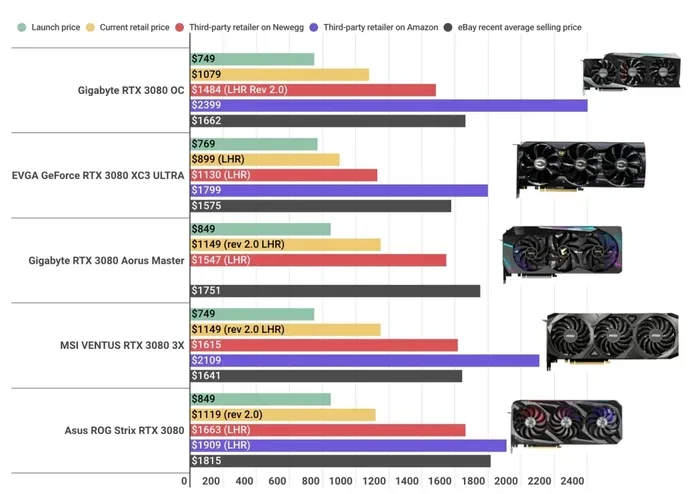
Does graphics card brand matter for gaming performance? The short answer is yes and no. While brand influences quality, support, and features, the actual GPU chip and model matter far more than the logo on the card.
Does graphics card brand matter for gaming performance? This is a question that pops up in every gaming forum and Reddit thread. Gamers argue about it constantly. Some swear by one brand. Others insist the other is better. The truth sits somewhere in the middle, and it is more nuanced than most people think.
When you are building or upgrading a gaming PC, the graphics card is the single most important component. It handles rendering, frame rates, ray tracing, and everything you see on screen. So choosing the right one matters a lot. But does the brand printed on the card actually affect how well it performs? Let us break this down in a way that makes sense.
In this guide, we will look at what really drives gaming performance. We will compare the two big brands. We will explore when brand name actually matters and when it does not. By the end, you will know exactly what to focus on when picking your next graphics card.
Key Takeaways
- Brand alone does not determine gaming performance. The GPU chip, VRAM, and clock speed are what really drive frame rates.
- NVIDIA and AMD each have strengths. NVIDIA leads in ray tracing and DLSS, while AMD often offers better value at mid-range prices.
- Third-party card models vary widely. Factory-overclocked cards from brands like ASUS or MSI can outperform reference designs.
- Driver support and software matter. NVIDIA’s GeForce Experience and AMD’s Adrenalin both impact how smoothly your card runs games.
- Budget and use case should guide your choice. A well-chosen mid-range card beats a brand name with no real-world advantage.
- Check best specs for a gaming PC to build a balanced system.
📑 Table of Contents
Why Graphics Card Brand Gets So Much Attention
Brand loyalty runs deep in the PC hardware world. People pick a side early. They stick with it for years. This creates strong opinions. And those opinions often shape buying decisions more than real-world data does.
There are a few reasons why brand gets so much attention. First, marketing plays a huge role. Both major companies spend billions on advertising. They create emotional connections with their customers. Second, community and ecosystem matter. NVIDIA has built a massive software ecosystem. AMD has its own loyal following with strong value propositions.
Third, past experiences shape opinions. Someone who had a great NVIDIA card in 2018 might still trust the brand today. Someone who had a bad AMD experience might avoid it forever. These biases are real, and they can cloud judgment. That is why it helps to look at the facts rather than the brand name.
The Role of Brand Perception
Brand perception is powerful. It affects how people feel about a product before they even test it. If a brand has a reputation for reliability, people assume all its cards are great. If a brand had a bad launch, people assume every card from that brand is flawed. Neither assumption is entirely true.
For example, a single bad product launch from a brand can hurt its reputation for years. But that same brand might release an outstanding card the next year. The brand does not change. The products do. This is why evaluating each card on its own merits is so important.
NVIDIA vs AMD: The Big Two
The GPU market is dominated by two companies: NVIDIA and AMD. Intel has tried to enter the space, but it is still very much a newcomer. So when people ask about graphics card brands, they are usually comparing these two giants.
Both companies make excellent products. But they take different approaches. Understanding these differences helps you make a smarter choice.
NVIDIA’s Strengths
NVIDIA has long been the market leader in discrete GPUs. Here is what the company does well:
- Ray tracing performance: NVIDIA’s RT cores are industry-leading. Games with real-time lighting and reflections look stunning on NVIDIA cards.
- DLSS technology: Deep Learning Super Sampling uses AI to boost frame rates without sacrificing image quality. It is a game-changer for many titles.
- Driver stability: NVIDIA is widely praised for consistent and reliable driver updates. Gamers rarely run into major issues.
- Software ecosystem: GeForce Experience, NVIDIA Reflex, and Broadcast features add real value beyond raw gaming performance.
- High-end dominance: At the top of the market, NVIDIA cards often lead in raw performance numbers.
If you want the best gaming GPU for ray tracing and AI-enhanced features, NVIDIA has a strong case. You can explore options in our guide on the best graphics cards for 4K gaming.
AMD’s Strengths
AMD has closed the gap significantly over the past few generations. Here is what AMD does well:
- Value for money: AMD cards often deliver more performance per dollar. This is especially true in the mid-range segment.
- FSR technology: FidelityFX Super Resolution is an open alternative to DLSS. It works on both AMD and NVIDIA cards.
- Power efficiency: AMD’s newer RDNA architecture is very power-efficient. You get strong performance without a massive power bill.
- Multi-monitor support: AMD has historically offered strong multi-display capabilities out of the box.
- Strong 1080p and 1440p performance: AMD’s mid-range cards punch well above their price point.
AMD is a fantastic choice for gamers who want solid performance without paying a premium. If you are on a tighter budget, check out our guide on best budget graphics cards for gaming.
What Really Matters More Than Brand Name
Here is the part most people overlook. Brand name is just one piece of the puzzle. Several other factors have a much bigger impact on real-world gaming performance.
GPU Chip and Architecture
The actual GPU chip inside the card matters more than who made it. NVIDIA’s RTX 4070 and AMD’s RX 7800 XT are different brands, but they compete in the same price range. The architecture inside each chip determines how efficiently it processes graphics.
Newer architectures bring improvements in speed, efficiency, and features. A newer AMD card can easily beat an older NVIDIA card, even though they are different brands. This is why looking at the specific model and generation matters far more than the logo.
VRAM and Memory Bandwidth
VRAM is the memory your graphics card uses to store textures and frame data. More VRAM generally means better performance at higher resolutions. But it is not just about quantity. Memory bandwidth matters too. A card with fast VRAM and high bandwidth will outperform a card with more slow VRAM.
For 1080p gaming, 8GB of VRAM is usually enough. For 1440p, 12GB or more is ideal. For 4K gaming, you want 16GB or higher. These specs matter regardless of whether the card comes from NVIDIA or AMD.
Clock Speed and Boost Clock
Clock speed determines how fast the GPU processes instructions. Higher clock speeds generally mean better performance. But it is not the whole story. The boost clock is the maximum speed the card can reach under load. Thermal design and cooling also play a role in how long a card can sustain high clock speeds.
Cooling and Thermal Design
This is where third-party brands really shine. Both NVIDIA and AMD release reference designs. But companies like ASUS, MSI, EVGA, Sapphire, and PowerColor build their own versions with better cooling. These cards often run cooler and quieter. They also tend to clock higher for longer periods.
So while the brand of the GPU (NVIDIA or AMD) matters less, the brand of the card manufacturer can make a real difference. A well-cooled card from a reputable board partner will often outperform a reference design from the same GPU.
Driver Support and Software
Graphics card drivers are the software that connects your GPU to your games. Good drivers mean better performance, fewer bugs, and smoother gameplay. NVIDIA has historically led in driver quality and frequency of updates. AMD has improved dramatically in recent years, but NVIDIA still holds an edge in this area for many gamers.
Software features also matter. NVIDIA’s DLSS, Reflex, and Broadcast tools add functionality beyond gaming. AMD’s FSR and Anti-Lag offer similar benefits. These software ecosystems can influence your overall experience, even if they do not change raw performance numbers.
How Brand Affects Your Gaming Experience
So how does brand actually affect your day-to-day gaming? Let us look at the real-world impact.
For most gamers, the answer is: not as much as you might think. A well-chosen AMD card will give you the same smooth frame rates as a similarly specced NVIDIA card. The games will look the same. The experience will feel identical.
Where brand does make a difference is in the extras. If you care about ray tracing and AI upscaling, NVIDIA has a slight edge today. If you care about raw value and power efficiency, AMD often wins. If you care about software features and ecosystem integration, NVIDIA’s tools are more mature.
For budget gaming, AMD is hard to beat. For high-end 4K gaming with ray tracing, NVIDIA currently has the lead. But these are trends, not absolute rules. Always check benchmarks for the specific card you are considering.
When Brand Does Matter
There are specific situations where brand does matter:
- Ray tracing and DLSS: NVIDIA’s dedicated hardware gives it a clear advantage here.
- Content creation: NVIDIA’s CUDA cores are widely supported in creative apps like Premiere Pro and Blender.
- Multi-GPU setups: NVIDIA’s SLI and AMD’s CrossFire have different levels of game support.
- Laptop GPUs: NVIDIA dominates the mobile GPU market, offering more options and better optimization.
- Long-term support: NVIDIA tends to support older cards with drivers for longer periods.
For programming and professional workloads, the GPU brand can matter more. Check out our article on is a graphics card necessary for programming to learn more about GPU needs for work tasks.
When Brand Does Not Matter
In most gaming scenarios, brand is secondary. Here is when it does not matter much:
- 1080p and 1440p gaming: Both brands deliver excellent performance at these resolutions.
- Esports titles: Games like Fortnite, Valorant, and CS2 run well on both NVIDIA and AMD cards.
- Budget builds: The best card for your price point matters more than the brand.
- Mid-range performance: The gap between similarly priced cards from both brands is very small.
- General use: Browsing, streaming, and light gaming work equally well on either brand.
Third-Party Card Brands: Does the Manufacturer Matter?
This is a different question from GPU brand. When you buy a graphics card, you are usually buying it from a third-party manufacturer. These companies take the GPU chip from NVIDIA or AMD and build their own card around it. They add their own coolers, memory configs, and factory overclocks.
So does the card manufacturer matter? Yes, it can. Here is why:
- Cooling solutions: Better cooling means lower temperatures and quieter operation.
- Factory overclocks: Some cards come out of the box running faster than reference designs.
- Build quality: Premium brands use better components and offer longer warranties.
- Software utilities: Brands like ASUS and MSI offer their own software for monitoring and tuning.
- Aesthetics: RGB lighting and design choices are purely personal preference.
Popular card manufacturers include ASUS, MSI, Gigabyte, EVGA, Sapphire, and XFX. Each has its own strengths. Reading reviews from specific models is always a good idea before buying.
Comparing Top Board Partners
Here is a quick look at some of the most well-known card brands and what they are known for:
- ASUS: Known for premium build quality and innovative cooling designs.
- MSI: Offers a great balance of performance and price.
- Gigabyte: Strong value options with solid cooling.
- EVGA: Historically a top NVIDIA partner (note: EVGA exited the GPU market in 2022).
- Sapphire: A leading AMD card partner with excellent cooling solutions.
- PowerColor: Offers aggressive factory overclocks at competitive prices.
The card manufacturer can affect performance by a few percent. This is not huge, but it can matter if you are chasing every last frame. For most gamers, though, the difference is minor and often not worth paying a large premium for.
The Bottom Line: Does Brand Matter?
So, does graphics card brand matter for gaming performance? The honest answer is: it matters less than most people think. The GPU chip, its architecture, VRAM, and clock speeds are what drive real performance. Both NVIDIA and AMD make excellent cards at every price point.
Brand does matter when it comes to software features, driver support, and specific technologies like ray tracing. It also matters when choosing a card manufacturer, since cooling and build quality can affect long-term performance and reliability.
For most gamers, the best approach is simple. Pick the card that offers the best performance for your budget and use case. Do not let brand loyalty or brand bias steer your decision. Check benchmarks. Read reviews. Compare specs. And choose the card that fits your needs.
If you are still unsure about what to look for in a gaming setup, our article on is a graphics card necessary for programming can help you think through your GPU needs from a different angle.
The graphics card market is competitive. Both NVIDIA and AMD are pushing each other to innovate. This competition is great for consumers. You get better cards, better features, and better prices every generation. Focus on the specs, the benchmarks, and your own gaming needs. The brand will take care of itself.
Frequently Asked Questions
Is NVIDIA always better than AMD for gaming?
No, NVIDIA is not always better. AMD offers excellent performance, especially in the mid-range segment. The best card depends on your budget, the games you play, and the features you value. Always compare specific models rather than assuming one brand is superior.
Does the graphics card brand affect FPS?
Not directly. FPS depends on the GPU chip, VRAM, clock speed, and game optimization. Two cards from different brands with similar specs will deliver similar FPS. The brand logo on the card does not change how fast it renders frames.
Should I buy a graphics card based on brand reputation?
Brand reputation can be a starting point, but it should not be the deciding factor. Look at benchmarks, read reviews, and compare specs for the specific model you are considering. A lesser-known brand with strong specs can outperform a popular brand with weak ones.
Does the card manufacturer matter as much as the GPU brand?
The card manufacturer affects cooling, noise levels, and factory overclocks. These factors can influence performance by a small margin. But the GPU brand (NVIDIA or AMD) and the specific GPU model matter far more for overall gaming performance.
Which brand is better for budget gaming?
AMD often provides better value for budget gaming. Their mid-range cards offer strong performance per dollar. That said, NVIDIA also has competitive budget options. Check current benchmarks to find the best card for your price range.
Will switching GPU brands improve my gaming experience?
Switching brands alone will not dramatically change your experience if you choose a card with similar specs. Focus on the specific model, its performance in the games you play, and features that matter to you like ray tracing or upscaling technology.