7900 Xt Vs Rtx 4080
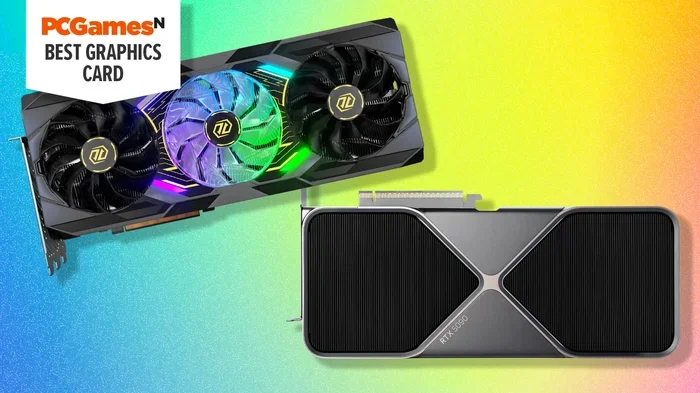
The AMD Radeon RX 7900 XT and the NVIDIA RTX 4080 are two of the most powerful graphics cards available today. This guide breaks down their specs, real-world gaming performance, and value so you can pick the right GPU with confidence. Whether you care about ray tracing, frame rates, or budget, you will find the answer right here.
The 7900 Xt Vs Rtx 4080 debate is one of the biggest conversations in PC gaming right now. Both graphics cards promise incredible performance, but they take very different approaches. AMD focused on raw power and massive memory. NVIDIA leaned on smart software features and ray tracing technology. If you are shopping for a new GPU, this comparison will help you make a smart choice.
We will walk through every important detail. From core specs to real-world gaming tests, we cover it all. You will learn which card fits your budget, your favorite games, and your setup. By the end, you will know exactly which GPU deserves your money.
Let us dive into the 7900 Xt Vs Rtx 4080 showdown and find the winner for you.
Key Takeaways
- More VRAM: The RX 7900 XT offers 20 GB of GDDR6 memory, giving it a big advantage in memory-heavy 4K games.
- Better Ray Tracing: The RTX 4080 uses third-generation RT cores and DLSS 3, making it the clear winner for ray tracing performance.
- Superior Value: The 7900 XT costs roughly half the price of the RTX 4080, making it a fantastic budget-friendly option.
- Power Efficiency: The RTX 4080 delivers more performance per watt, running cooler and quieter than the 7900 XT.
- Upscaling Tech: NVIDIA DLSS 3 and AMD FSR 3 both boost frame rates, but DLSS 3 offers slightly better image quality.
- Best for 1440p: Both cards excel at 1440p gaming, but the RTX 4080 pulls ahead in most titles by a small margin.
- Future-Proofing: The 7900 XT’s 20 GB VRAM pool helps keep your setup ready for upcoming demanding games.
📑 Table of Contents
What Are the Specs? Understanding the Core Differences
Before we talk about gaming performance, let us look at what is inside each card. The specs tell a big part of the story. Here is a quick look at the key differences between these two powerful GPUs.
AMD Radeon RX 7900 XT Specs
The RX 7900 XT uses AMD’s RDNA 3 architecture. It comes with 20 gigabytes of GDDR6 memory. That is a huge amount of video RAM. The card has 5,376 stream processors. It uses a 384-bit memory bus, giving it a memory bandwidth of 960 gigabytes per second. AMD designed this card to compete in the high-end gaming space. The raw rasterization power is very strong. It handles 4K gaming well in most titles. The big VRAM pool is a major advantage for future games.
NVIDIA GeForce RTX 4080 Specs
The RTX 4080 uses NVIDIA’s Ada Lovelace architecture. It comes with 16 gigabytes of GDDR6X memory. The card has 9,728 CUDA cores. It uses a 256-bit memory bus. The memory bandwidth sits at 717 gigabytes per second. NVIDIA focused on efficiency with this chip. The Ada Lovelace architecture delivers more work per watt. The card also features third-generation tensor cores. These power DLSS and other AI-driven features. Ray tracing performance is a big focus for NVIDIA here.
Gaming Performance: Who Wins at the Benchmarks?
Raw numbers only tell part of the story. Real-world gaming performance is what matters most to most buyers. Let us look at how these cards perform in actual games.
1080p and 1440p Gaming
At 1080p, both cards are overkill in a good way. You will get buttery smooth frame rates in every game. The RTX 4080 pulls ahead slightly in most titles. But the difference is small at this resolution. At 1440p, the 7900 Xt Vs Rtx 4080 gap starts to show more clearly. The RTX 4080 tends to win by about 10 to 15 percent. This is thanks to its stronger CUDA core count and DLSS support. However, the RX 7900 XT still delivers excellent frame rates.
4K Gaming Performance
4K gaming is where things get really interesting. The RX 7900 XT has 20 GB of VRAM. This gives it a big edge in memory-heavy 4K titles. Some games eat up VRAM fast at 4K resolution. The 7900 XT handles these situations better. The RTX 4080 still performs very well at 4K. But it can struggle in a few games that demand lots of VRAM. DLSS 3 helps a lot here. It boosts frame rates without hurting image quality much. Without DLSS, the RTX 4080 would fall further behind at 4K.
Quick Tip: If you are gaming at 1440p or 4K, always enable upscaling features like DLSS or FSR. They boost your frame rates significantly with barely any loss in visual quality.
Ray Tracing and Upscaling: DLSS vs FSR
Ray tracing is one of the most important features in modern GPUs. It makes lights and reflections look incredibly realistic. Both cards support ray tracing, but they handle it very differently.
RTX 4080 Ray Tracing and DLSS
NVIDIA has a big lead in ray tracing hardware. The RTX 4080 has third-generation RT cores. These handle ray tracing calculations much faster. NVIDIA also has DLSS 3 with Frame Generation. This AI tech creates extra frames on the fly. It can nearly double your frame rate in supported games. DLSS quality has improved a lot over the years. Many gamers say it is nearly indistinguishable from native rendering. The Frame Generation feature is a game-changer for ray tracing performance.
RX 7900 XT Ray Tracing and FSR
AMD’s ray tracing performance is good but not as strong. The 7900 XT has second-generation RT cores. They work well but are not as fast as NVIDIA’s. AMD offers FSR 3 as its upscaling solution. FSR works on both AMD and NVIDIA cards. It is more open than DLSS, which is a big plus. However, FSR image quality is slightly behind DLSS in most tests. The gap is small, but it is there. For pure ray tracing performance, the RTX 4080 wins. For open upscaling, FSR has the edge.
Power Consumption and Thermals
Power use matters for your electricity bill and your cooling setup. Let us compare how much power each card draws under load.
The RX 7900 XT has a total board power of 315 watts. The RTX 4080 draws 320 watts. These numbers are very close. But how they use that power is different. The RTX 4080 is more efficient per watt. It delivers more performance per watt of power consumed. This means it runs cooler and quieter under load. The RX 7900 XT runs warm and can get loud. You will need a good case airflow to keep it happy.
If you are building a compact system or care about noise levels, this is an important factor. The RTX 4080 has the clear advantage in thermals and power efficiency.
Common Mistake: Many buyers forget to check their power supply capacity. The RTX 4080 recommends a 700-watt PSU, while the 7900 XT recommends a 650-watt unit. Always make sure your power supply can handle your GPU before you buy.
Price and Value: Which Card Gives You More Bang for Your Buck?
Price is always a big factor when picking a graphics card. The 7900 Xt Vs Rtx 4080 comparison would not be complete without talking about cost.
The RX 7900 XT launched at around 700 dollars. The RTX 4080 launched at around 1200 dollars. That is a huge price gap. The 7900 XT costs about half as much as the 4080. This makes it a very compelling value pick. For gamers on a budget, the RX 7900 XT is hard to beat. You get 20 GB of VRAM and strong 1440p performance. The RTX 4080 is worth the extra money if you need the best of everything. Its ray tracing and DLSS features are unmatched.
Keep in mind that prices change over time. Check current prices before you buy. Sometimes deals make the more expensive card more tempting. Also, consider your whole system. If you are building a gaming laptop or a desktop, other parts matter too. Make sure your power supply and cooling can handle the card you choose.
Which Card Should You Buy?
After all this comparison, which one is right for you? Here is a quick guide to help you decide.
Buy the RX 7900 XT if you want the best value. It is great for 1440p gaming and solid at 4K. The 20 GB of VRAM future-proofs your setup. If you do not care as much about ray tracing, this card is perfect. It also pairs well with a system like an RTX 4080 Laptop 64GB RAM setup if you are considering a laptop alternative.
Buy the RTX 4080 if you want the absolute best performance. It is the king of ray tracing. DLSS 3 Frame Generation is a fantastic feature. If you have the budget and want the top-tier experience, go with NVIDIA. You can also look at prebuilt gaming PCs with RTX 4080-class GPUs if you want a ready-to-go solution without the hassle of building.
Both cards are excellent. You cannot go wrong with either one. The right choice depends on your needs and your wallet.
In the end, the 7900 Xt Vs Rtx 4080 battle comes down to what you value most. Raw VRAM and value favor AMD. Ray tracing and smart software favor NVIDIA. Pick the one that fits your gaming style.
Frequently Asked Questions
Is the 7900 XT better than the RTX 4080?
It depends on what you care about. The 7900 XT offers better value and more VRAM at a lower price. The RTX 4080 wins in ray tracing and DLSS performance. For pure rasterization, the gap is small and both cards deliver excellent results.
Can the RTX 4080 run 4K gaming smoothly?
Yes, the RTX 4080 handles 4K gaming very well. With DLSS enabled, you can expect smooth frame rates in most titles. Without DLSS, some demanding games may dip below 60 frames per second at 4K resolution.
Does the 7900 XT support ray tracing?
Yes, the RX 7900 XT supports hardware ray tracing. However, its ray tracing performance is not as strong as the RTX 4080. AMD uses FSR for upscaling, which works well but trails DLSS slightly in image quality.
How much power does the RTX 4080 use?
The RTX 4080 has a total board power of 320 watts. It is slightly more power-hungry than the 7900 XT on paper, but it is also more efficient per watt. This means better performance for each watt of power consumed.
Is 20 GB of VRAM on the 7900 XT overkill?
Right now, 20 GB is more than most games need. But future games and higher resolutions will demand more VRAM. The large memory pool on the 7900 XT helps future-proof your build and keeps you ready for upcoming titles.
Should I wait for the next generation instead of buying either card?
If you need a card now, both the 7900 XT and RTX 4080 are great choices. Waiting might save you money, but current prices are already quite competitive. Consider your immediate gaming needs before deciding to wait.
=== CONCLUSION ===
The 7900 Xt Vs Rtx 4080 comparison shows two very strong graphics cards with different strengths. AMD gives you more VRAM and better value. NVIDIA delivers superior ray tracing and AI-powered features. Both cards will serve gamers well for years to come.
Think about what matters most to you. Budget, performance, ray tracing, or future-proofing. Once you know your priorities, the right choice becomes clear. Either way, you are getting a fantastic GPU that will handle modern gaming with ease.
Happy gaming, and enjoy your new graphics card no matter which one you pick!