Is Usb C Equal to Type C

Yes, USB C and Type C are essentially the same thing. The terms USB-C and USB Type-C refer to the same connector shape and design. However, not all USB-C ports support the same speeds or features, which can cause confusion. This guide explains everything you need to know.
You have probably seen the term USB C and Type C used interchangeably. Maybe you have wondered if they mean the same thing. The short answer is yes. But the full story is a bit more interesting than that.
USB Type-C, often called USB-C, is a connector standard that has taken the tech world by storm. It is small, reversible, and fast. You will find it on laptops, phones, tablets, and even gaming consoles. But here is the thing that trips many people up. Just because a port is USB-C does not mean it works the same way across all devices. The connector shape is the same, but the technology behind it can vary a lot.
In this article, we will clear up all the confusion. We will explain what USB-C really is, how it compares to older connectors, and why the term “Type C” and “USB C” are used to mean the same thing. By the end, you will never second-guess yourself at the electronics store again.
Key Takeaways
- USB-C and Type-C are the same connector: They are interchangeable terms for the same oval-shaped port.
- USB-C is just a shape, not a speed: A USB-C port can support different protocols and speeds depending on the hardware.
- Thunderbolt 3 and 4 use USB-C connectors: But not every USB-C port is a Thunderbolt port.
- USB-C is reversible: You can plug it in either way, unlike older USB connectors.
- Not all USB-C cables are equal: Cables vary in speed, power delivery, and data transfer capabilities.
- USB-C is replacing older connectors: It is now standard on most laptops, phones, and tablets.
📑 Table of Contents
What Is USB-C?
USB-C stands for Universal Serial Bus Type-C. It is a connector standard developed by the USB Implementers Forum, also known as USB-IF. This group includes companies like Apple, Microsoft, Intel, and many others. They all agreed on a single connector design that could replace older USB shapes.
The USB-C connector is small and oval-shaped. It is about the size of a micro USB connector but with a more symmetrical design. This means you can plug it in either direction. No more flipping the cable three times to get it right. That alone was a huge win for users everywhere.
USB-C is not just one thing. It is a physical connector that can carry different types of data and power. A single USB-C port can support USB 3.2, USB4, Thunderbolt 3, or Thunderbolt 4. It can also carry video signals through DisplayPort Alt Mode. This versatility is what makes USB-C so popular today.
The Shape and Design of USB-C
The USB-C connector has a very specific shape. It is a rounded oval with a symmetrical design. Both ends of a USB-C cable are identical, so you can use either side. The connector has 24 pins inside, which allow it to handle high-speed data, video, and power all at the same time.
Compared to older USB connectors, USB-C is much smaller. It is smaller than a standard USB-A plug. This compact size is one reason it fits so well on thin laptops and small phones. The reversible design also means no more worrying about which way is up.
What Is USB Type-C?
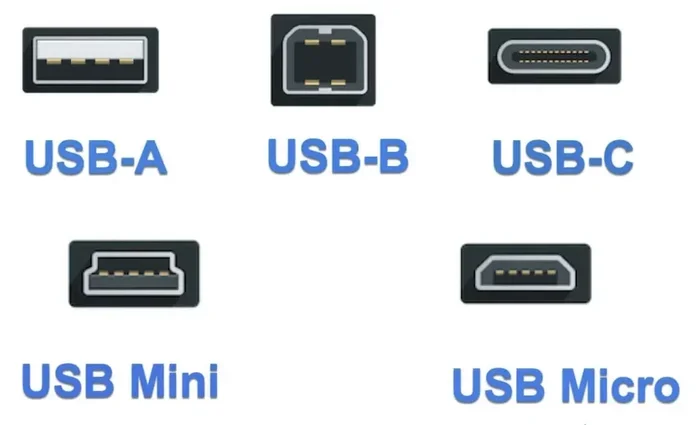
USB Type-C is the official name for the connector we all call USB-C. The “Type” part comes from the USB naming convention. USB has different connector types, like Type-A and Type-B. Type-C is simply the latest addition to that family.
When people say “USB C,” they are using a shorthand for “USB Type-C.” There is no technical difference between the two terms. They refer to the exact same connector and port. The official specification document from USB-IF uses the name “USB Type-C,” but the industry has widely adopted the shorter “USB-C” term.
Some people get confused because they see “USB-C” on a cable and “Type-C” on a device. Rest assured, they are the same thing. A USB-C cable will fit into a Type-C port and vice versa. The naming is just a matter of style and convention.
A Brief History of USB Type-C
USB Type-C was first announced in 2014. It took several years for the connector to become widely adopted. Early USB-C devices sometimes had compatibility issues. But over time, the standard matured and became the go-to connector for most modern devices. Today, USB-C is required on many new devices thanks to regulations in the European Union and other regions.
USB-C vs Type-C: Are They Really the Same?
To put it simply, USB-C and Type-C are the same connector. There is no difference in shape, size, or pin layout. The terms are 100% interchangeable in everyday use. When you buy a “USB-C cable,” it will work in any “Type-C port.”
However, the confusion often comes from what the port can do, not what it looks like. Two devices can both have USB-C ports, but one might be much faster than the other. This is because USB-C is just the connector. The protocol or standard running through it can be different.
Think of it like a wall outlet. The shape of the outlet is the same, but the electrical supply behind it can vary. A USB-C port might support 10 Gbps data transfer, or it might only support 480 Mbps. The connector looks identical in both cases.
Why the Naming Confusion Exists
The confusion comes from how companies market their products. Some brands say “USB-C” while others say “Type-C.” Some even use terms like “USB 3.1 Type-C” or “Thunderbolt USB-C.” These phrases describe what the port can do, not a different connector type.
When shopping for accessories, always look past the name. Check the actual specifications. A USB-C adapter or cable might be labeled differently by different brands, but the physical connection will be the same.
USB-C vs Other USB Connectors
USB-C is not the only USB connector out there. Let us compare it to the older types you may still have around your house.
USB-C vs USB-A
USB-A is the flat, rectangular connector you have probably used for years. It is the standard connector on desktop computers and older devices. USB-A only plugs in one way, which can be frustrating. USB-C is smaller, reversible, and much faster in its latest versions.
Most modern laptops still include at least one USB-A port for backward compatibility. But the trend is moving toward USB-C only. Many new laptops now have no USB-A ports at all. If you need to connect older USB-A devices, a simple USB-C adapter solves the problem easily.
USB-C vs Micro USB
Micro USB was the standard charging and data connector for phones and small devices for many years. It is smaller than USB-A but larger than USB-C. Micro USB only plugs in one way, and it is much slower than USB-C.
USB-C replaced Micro USB in most modern devices. If you have a phone or tablet made after 2018, there is a good chance it uses USB-C. The transition happened quickly because USB-C is faster and more versatile.
USB-C vs Mini USB
Mini USB was an even older connector type. It was used on some cameras and portable devices before Micro USB took over. Mini USB is now largely obsolete. USB-C has completely replaced it in modern devices.
Comparison Table: USB Connector Types
| Feature | USB-A | USB-C | Micro USB |
|---|---|---|---|
| Reversible | No | Yes | No |
| Connector Shape | Rectangular | Oval | Small Rectangular |
| Max Data Speed | Up to 10 Gbps (USB 3.2) | Up to 40 Gbps (USB4) | Up to 480 Mbps (USB 2.0) |
| Power Delivery | Up to 15W (USB-PD not native) | Up to 240W with USB-PD | Up to 2.5W |
| Common Use | Desktops, printers, drives | Laptops, phones, tablets | Older phones, cameras |
USB-C Speed and Capabilities
One of the biggest reasons USB-C became so popular is its speed and versatility. But not all USB-C connections are created equal. The speed and features depend on the protocol and cable being used.
USB-C Data Transfer Speeds
Here are the main USB standards and their speeds when using a USB-C connector:
- USB 2.0: Up to 480 Mbps. This is the slowest standard and is found on some older or cheaper cables.
- USB 3.2 Gen 1: Up to 5 Gbps. This is the same speed as USB 3.0.
- USB 3.2 Gen 2: Up to 10 Gbps. Common on modern laptops and external drives.
- USB4: Up to 40 Gbps. The newest standard with support for multiple protocols.
- Thunderbolt 3: Up to 40 Gbps. Uses the USB-C connector and is very common on laptops.
- Thunderbolt 4: Up to 40 Gbps with stricter certification requirements. Offers the best compatibility.
As you can see, the USB-C connector can support a wide range of speeds. A basic USB-C cable might only support USB 2.0 speeds, while a premium cable can handle 40 Gbps with Thunderbolt 4. Always check the cable specifications to know what you are getting.
USB-C Power Delivery
USB Power Delivery, or USB-PD, is a game-changer. It allows USB-C ports to deliver up to 240 watts of power. This means you can charge laptops, monitors, and even some desktop computers through a single USB-C cable.
Before USB-PD, charging speeds were much lower. Most USB-A ports could only deliver about 7.5 watts. USB-C with USB-PD can charge a laptop in a fraction of the time. Many external SSDs and portable drives now use USB-C for both data and charging through a single cable.
Video Output Through USB-C
Many USB-C ports support video output through DisplayPort Alt Mode or Thunderbolt. This means you can connect a monitor directly to your laptop using a USB-C cable. No extra dongle or adapter needed in most cases. Some laptops can even drive two 4K displays through a single USB-C port.
If your laptop does not support video over USB-C natively, a simple USB-C to HDMI adapter or docking station can fill the gap. Just make sure the dock supports video output before you buy it.
Common USB-C Myths
There are several myths about USB-C that cause a lot of confusion. Let us clear them up.
Myth 1: All USB-C cables are the same. This is not true. USB-C cables vary widely in quality and capability. Some only support USB 2.0 speeds, while others support Thunderbolt 4. Always check the cable rating before buying.
Myth 2: USB-C means fast charging. USB-C is just a connector shape. The charging speed depends on the charger and the device’s power delivery support. A cheap USB-C charger may charge slowly, even though the connector is the same.
Myth 3: Thunderbolt and USB-C are the same thing. Thunderbolt 3 and 4 use the USB-C connector shape, but they are not the same. Thunderbolt adds extra capabilities and requires special certification. Not every USB-C port supports Thunderbolt.
Myth 4: USB-C is only for data and charging. USB-C can carry video, audio, data, and power simultaneously. This is one of its biggest advantages over older connectors. A single USB-C cable can do the work of three or four older cables.
How to Choose the Right USB-C Cable
With so many USB-C cables on the market, choosing the right one can be tricky. Here are some tips to help you make the right choice.
First, check what your device supports. If your laptop has a Thunderbolt 4 port, you need a Thunderbolt-certified cable to get the full speed. If you just need basic charging and data transfer, a standard USB-C cable will work fine.
Second, look for the USB-IF certification logo. This ensures the cable meets official standards and will work reliably. Cheap uncertified cables can cause slow speeds, charging problems, or even damage your device.
Third, consider the length you need. Longer USB-C cables may have slightly slower speeds due to signal loss. For best results, keep cables under 2 meters, especially for high-speed data transfer.
If you are connecting external storage, a quality USB-C external SSD or enclosure can make a big difference in performance. The right cable paired with a fast drive gives you the best experience.
Conclusion
So, is USB C equal to Type C? Yes, they are the same thing. USB-C and USB Type-C are just two ways of saying the same connector. The connector is small, reversible, and incredibly versatile. It has become the standard for modern devices across the tech industry.
But remember, USB-C is just the shape of the connector. What the port can actually do depends on the underlying standard. A USB-C port might support blazing-fast Thunderbolt 4 speeds, or it might be limited to basic USB 2.0. Always check the specifications before you assume what a USB-C connection can do.
Understanding the difference between the connector and the protocol will save you time, money, and frustration. The next time you shop for cables, chargers, or adapters, you will know exactly what to look for. USB-C is here to stay, and it is only going to become more important in the years ahead.
Frequently Asked Questions
Is USB-C the same as Type-C?
Yes, USB-C and Type-C are exactly the same connector. They are interchangeable terms for the same oval-shaped, reversible port. The official name is USB Type-C, but most people simply call it USB-C.
Can I use a USB-C cable with a Type-C port?
Absolutely. Since USB-C and Type-C are the same connector, any USB-C cable will work in any Type-C port. The cable and port are designed to be fully compatible with each other.
Does USB-C support fast charging?
USB-C itself is just a connector shape. Fast charging depends on the USB Power Delivery standard and the charger. Many USB-C devices support fast charging, but you need a compatible charger and cable to get the fastest speeds.
Can USB-C carry video signals?
Yes, many USB-C ports support video output through DisplayPort Alt Mode or Thunderbolt. You can connect a monitor directly to a laptop or phone using a USB-C cable. Some devices can even drive multiple 4K displays through a single USB-C port.
Why are there different USB-C cable speeds?
USB-C is just the connector shape, not a speed standard. The cable’s internal wiring and certification determine its maximum speed. A basic USB-C cable might only support 480 Mbps, while a premium Thunderbolt cable can handle 40 Gbps.
Is Thunderbolt the same as USB-C?
No, but they are related. Thunderbolt 3 and 4 use the USB-C connector shape, but Thunderbolt adds extra capabilities and requires special certification. Not every USB-C port supports Thunderbolt, so always check your device specifications.