Hard Case for Camera Lenses
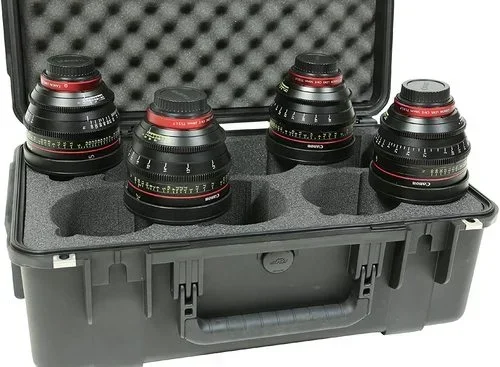
A hard case for camera lenses is the safest way to protect your expensive glass from drops, dust, and moisture. Whether you travel often or shoot outdoors, the right protective lens storage keeps your equipment in perfect condition. In this guide, you will learn how to pick the right size, material, and features for your needs. We also share practical tips for packing, organizing, and maintaining your gear long term.
Key Takeaways
- Durability matters most: A hard case for camera lenses should use tough materials like polycarbonate, aluminum, or reinforced foam to survive bumps and falls.
- Size and fit are critical: Choose a protective lens storage option that matches your exact focal lengths and leaves enough room for padding.
- Weather resistance protects your gear: Look for rubber seals, waterproof zippers, and sturdy latches to block dust and moisture.
- Organization saves time: Dividers, custom foam inserts, and clear pockets help you find each lens quickly during a shoot.
- Portability affects daily use: Lightweight travel cases and compact lens bags are easier to carry when you shoot on location.
- Maintenance extends lifespan: Clean the interior, check seals, and replace worn padding to keep your hard camera case working well.
- Budget and value go hand in hand: A well-built case costs more upfront but prevents costly lens repairs and replacements later.
📑 Table of Contents
Why a Hard Case for Camera Lenses Is Essential
Your lenses are the heart of your camera setup. They capture the details, the light, and the mood of every image. When you carry them in a soft bag or a loose backpack, they face many risks. A bump against a doorframe can scratch the front element. A sudden rainstorm can seep into a poorly sealed pouch. Even rough handling at airports or train stations can loosen internal parts.
A hard case for camera lenses solves these problems with a solid outer shell and reliable padding. It creates a strong barrier between your gear and the outside world. You do not have to worry as much about accidental drops, crushing weight, or rough transport. This peace of mind matters a lot when you shoot for clients, travel to new locations, or store valuable glass at home.
Many photographers start with a simple cloth bag and later upgrade to a rigid case after a close call. That moment of panic when you hear a clunk against a hard surface is a strong lesson. Once you understand the value of protective lens storage, it becomes much easier to justify the investment. Your lenses last longer, perform better, and stay ready for the next shot.
What Makes a Hard Case Different From Soft Bags
Soft bags are flexible and light. They work well for casual outings and short trips. They also compress easily in a crowded backpack. However, they offer limited protection against impact. A hard camera case uses a rigid structure that keeps its shape under pressure. It does not collapse when something heavy sits on top of it.
Hard cases also give you more control over the interior space. You can line the inside with custom foam, dividers, or sleeves that hold each lens in place. Soft bags often rely on loose compartments that shift during travel. With a rigid shell, your gear stays exactly where you put it. That stability reduces scratches and prevents lenses from knocking into each other.
Who Benefits Most From Rigid Lens Protection
Travel photographers benefit greatly because they move through busy airports, taxis, and unfamiliar streets. Wildlife shooters also gain a lot because they often hike over rough ground with heavy telephoto lenses. Event photographers use hard cases when they transport multiple lenses between venues. Even hobbyists who keep premium glass at home can use a sturdy case for safe storage.
Anyone who owns expensive optics should think about long-term protection. A single cracked element or bent mount can cost far more than a quality case. If you treat your lenses as long-term investments, a hard case for camera lenses becomes a smart part of your workflow.
Choosing the Right Size and Fit
Size is one of the first things to check when shopping for a hard case for camera lenses. A case that is too large feels bulky and wastes space. A case that is too small forces you to squeeze lenses in or leave some behind. The goal is a snug fit with enough room for padding and easy access.
Start by listing the lenses you use most often. Note their diameter, length, and weight. A large telephoto lens needs more depth than a small prime. If you shoot with a mix of focal lengths, consider a modular design that lets you rearrange the interior. Some cases come with removable foam blocks. Others use adjustable dividers that you can move as your collection grows.
Measuring Your Lenses Correctly
Use a soft tape measure or a ruler to check the widest part of each lens. Include any attached lens caps or hoods if you plan to store them together. Write down the length from the mount to the front tip. For zoom lenses, measure at both the shortest and longest positions. This gives you a realistic range for fit planning.
Do not forget the weight factor. Heavy lenses need firm support so they do not shift around. If a case feels flimsy under the weight of your gear, it may not be the best match. A good protective lens storage setup balances interior space with sturdy support.
Planning for Future Gear
Your lens collection will likely change over time. You may add a fast prime, a macro optic, or a compact wide-angle later. Choose a case that leaves some empty space for growth. A little extra room lets you add foam inserts or padded sleeves without replacing the whole case.
Think about your shooting style too. If you often carry one lens and a backup, a compact travel case works well. If you pack for full-day shoots, a larger rig with room for accessories makes more sense. The right size depends on how you actually work, not just on what you own today.
Materials and Build Quality
The outer shell is the main defense for your lenses. Strong materials resist cracks, dents, and wear from daily use. Many quality cases use polycarbonate, ABS plastic, or aluminum. Each option has its own strengths. Polycarbonate is tough and often lighter than metal. Aluminum feels premium and offers excellent rigidity. Reinforced plastic with a textured finish can also hold up very well over time.
Inside the case, padding plays a huge role. High-density foam absorbs shocks and cushions each lens. Some designs use custom-cut foam so every compartment matches a specific item. Others use soft dividers or removable inserts. The best choice depends on how often you change gear and how much flexibility you want.
Hard Shell vs Hybrid Designs
A full hard shell gives maximum protection. It works well for air travel, long hikes, and storage in rough environments. Hybrid designs mix a rigid frame with softer panels or zippered sections. These can feel lighter and more flexible while still offering solid protection. They often appeal to photographers who want a balance between durability and portability.
If you shoot mostly in cities and carry your gear short distances, a hybrid style may feel comfortable. If you travel frequently or work in dusty, wet, or crowded places, a full rigid case usually makes more sense. Match the build style to your real-world conditions.
Hardware, Latches, and Zippers
Small details matter a lot. Strong latches keep the case closed during bumps. Quality zippers glide smoothly and resist jamming. Rubber seals around the edges help block dust and light moisture. Some cases include pressure-equalization valves for air travel, which can reduce the chance of seal stress during altitude changes.
Check the handle and shoulder strap too. A sturdy handle makes it easier to lift the case from overhead bins or car trunks. A padded strap helps when you carry heavier loads for longer periods. These features may seem minor, but they improve daily use a great deal.
Weather Resistance and Environmental Protection
Weather can damage lenses in many ways. Rain can reach the front element or seep into seams. Dust can settle on glass and marks can appear when you wipe it away. Humidity can also affect the inside of a case if it stays sealed with moist air trapped inside. A good hard case for camera lenses helps reduce these risks.
Look for features that support weather protection. Tight seals, covered zippers, and durable outer fabric all help. Some cases are built with waterproof materials or water-resistant coatings. Even if the case is not fully submersible, it should handle sudden splashes and light rain without panic.
Dust, Moisture, and Temperature Care
Dust is one of the most common enemies of clean glass. A closed hard case keeps out loose particles when you are not shooting. When you open the case, do it in a clean area if possible. Wipe the interior occasionally so dirt does not collect around your lenses.
Moisture control matters too. If you move from a cold place to a warm one, condensation can form. Let the case breathe for a moment before sealing it again. Silica packs or moisture-absorbing inserts can help in humid climates. Just remember to check them regularly and replace them when they become saturated.
Temperature swings can also affect gear. Avoid leaving a case in direct sun on a hot car seat or near strong heaters. A protective lens storage setup works best when it stays in a stable environment. That habit protects both the case and the lenses inside.
Using Your Case in Rain or Harsh Conditions
If you expect wet weather, place your case on a stable surface before opening it. Keep the lid facing up so water does not run inside. If the case has a water-resistant exterior, wipe off any heavy splashes before storage. After a wet shoot, let the lenses dry properly before putting them back in the case for long-term storage.
For harsh environments like beaches, deserts, or muddy trails, clean the outside of the case often. Sand and grit can wear down zippers and latches. A quick rinse with fresh water and a soft cloth can extend the life of the hardware. Small maintenance steps keep the case reliable.
Organization, Access, and Portability
Protection is only half the story. You also need easy access when the moment matters. A well-organized hard case for camera lenses helps you grab the right optic fast. That speed can make a real difference during events, sunrise shoots, or fast-changing travel scenes.
Think about how you work. Do you prefer to keep lenses in fixed spots or move them around often? Fixed foam inserts give a clean, tailored layout. Adjustable dividers offer more flexibility. Some photographers like clear pockets for caps, filters, and cleaning cloths. Others keep those items in a separate pouch to reduce clutter.
Designing a Layout That Works
Start with your most-used lens in the easiest-to-reach position. Place heavier items lower or near the center so the case feels balanced. Keep front caps and rear caps together so you do not lose them. If you carry filters or lens pens, give them a dedicated spot that does not require digging.
A simple layout often works best. Too many compartments can slow you down. The goal is to know exactly where each item lives. When every lens has a home, you spend less time searching and more time shooting.
Travel-Friendly Features
Portability matters if you carry your case all day. A compact shape fits better in taxis, trains, and small hotel rooms. Lightweight construction reduces fatigue during long walks. Some cases include external straps, pass-through points, or carry handles that make movement easier.
If you fly often, check the case dimensions against common baggage rules for your usual airlines. A case that slides under a seat or fits in a carry-on bag can save time and stress. For road trips, a case that stacks neatly in the trunk helps you pack other gear too.
Quick Tips for Faster Access
- Label your compartments: Use small tags or a simple map so you can find items in low light.
- Keep caps attached when possible: This reduces loose parts and speeds up packing.
- Store lenses in shooting order: Place the ones you use first near the top or front.
- Carry a microfiber cloth inside: A clean cloth nearby helps you wipe a lens before a quick shot.
- Do a pre-shoot check: Confirm that every lens is secure before you leave home.
Maintenance, Longevity, and Buying Advice
A hard case lasts longer when you care for it properly. Clean the interior every few months, especially if you shoot in dusty or wet conditions. Check the foam for compression or cracks. If the padding no longer holds a lens firmly, replace the insert or add new foam. Tighten loose latches and lubricate stiff zippers only with products safe for the material.
Inspect the seals and corners regularly. Small wear spots can turn into bigger problems if ignored. If the case gets a deep scratch or dent, evaluate whether the structure is still strong. Cosmetic damage may be fine, but cracks near latch points deserve attention.
Common Mistakes to Avoid
One common mistake is forcing lenses into a case that is too tight. That pressure can scratch barrels or stress mounts. Another mistake is storing damp gear in a sealed case for too long. Moisture trapped inside can lead to fogging or mildew over time. Some photographers also overload the case with accessories that do not belong there, which makes it harder to close and carry.
Do not ignore the case just because it looks fine on the outside. Open it, check the interior, and feel whether the padding still works as intended. Good protective lens storage requires a little attention, but that attention pays off in fewer problems later.
Budget, Value, and Final Buying Tips
Price varies a lot across cases. Basic models may be enough for occasional use. Higher-end designs often bring better materials, stronger seals, and more refined interiors. Think about how often you will use the case and how much your lenses are worth. A mid-range option can be the sweet spot for many photographers.
Before buying, read the dimensions carefully and compare them with your gear list. If possible, test the fit with your most important lenses. Check how the case feels when fully loaded. Make sure the handle, strap, and closures work smoothly. A hard case for camera lenses should protect your gear without making your day harder.
When you choose well, the case becomes a reliable part of your kit. It travels with you, protects your investment, and keeps your lenses ready for the next opportunity. That kind of confidence is worth a lot when you are behind the camera.
Conclusion
A hard case for camera lenses is more than just a box for storage. It is a practical shield that protects your glass from impact, dust, moisture, and daily wear. The best case matches your lens sizes, fits your travel habits, and gives you fast access when it matters. By focusing on materials, weather resistance, organization, and maintenance, you can choose a setup that serves you for years.
Take a moment to review your current gear and think about where your lenses spend most of their time. If they often travel in backpacks, cars, or unpredictable environments, upgrading to a sturdy protective lens storage solution is a smart move. With the right case, you can shoot with more confidence and worry less about what might happen to your equipment along the way.
Frequently Asked Questions
What is the best material for a hard case for camera lenses?
The best material depends on your needs, but polycarbonate, reinforced plastic, and aluminum are all strong choices. Polycarbonate offers a good balance of toughness and weight, while aluminum gives excellent rigidity. Look for a case with high-density foam inside so each lens stays cushioned and secure.
How do I choose the right size for my lens collection?
Measure the diameter and length of each lens you plan to carry, including caps or hoods if you store them together. Then choose a case that fits those dimensions with enough room for padding and a little future growth. A snug but comfortable fit usually works better than a case that is too loose or too tight.
Can a hard case fully protect lenses from water damage?
A hard case can greatly reduce water and dust exposure, especially if it has tight seals and water-resistant materials. However, no case is a substitute for proper drying and careful handling in heavy rain. After wet use, let your lenses dry before sealing them inside for long-term storage.
Should I use custom foam or adjustable dividers inside the case?
Custom foam gives a tailored fit and keeps each lens locked in place, which is great if your gear list stays stable. Adjustable dividers offer more flexibility if you change lenses often or plan to add new gear later. Many photographers prefer a mix of both for a balanced setup.
How often should I clean and inspect my camera case?
It is a good habit to inspect the case every few months, or more often if you shoot in dusty or wet conditions. Check the foam, seals, zippers, and latches for wear or damage. Wipe the interior and exterior as needed so dirt and grit do not affect the hardware over time.
Is a hard case better than a backpack for transporting lenses?
A hard case usually offers stronger impact protection and more stable interior storage, while a backpack can be more comfortable for carrying many items at once. If your priority is maximum protection for valuable lenses, a hard case is often the better choice. If you need to carry a full kit plus personal items, a backpack may suit daily use better.