How to Detect Night Vision Camera in Theatre
Wondering how to detect night vision camera in theatre? This guide walks you through practical signs, handy gadgets, and easy DIY tests so you can spot covert lenses before a show starts. Stay safe, stay aware, and enjoy the performance without worry.
Key Takeaways
- Know the tell‑tale signs: Reflections, heat signatures, and unusual LED glows often reveal hidden night vision cameras.
- Use everyday tools: Smartphone apps, infrared flashlights, and simple mirror tricks can expose covert lenses.
- Understand the tech: Most night vision cameras rely on infrared LEDs or image intensifiers that behave predictably.
- Legal perspective matters: Laws vary by state, but most public theatres have privacy rules that limit covert recording.
- Take action safely: If you spot a camera, document it, notify theatre management, and consider contacting authorities.
- Combine methods for best results: A layered approach—visual scan, electronic detection, and smartphone checks—offers the highest success rate.
- Stay updated: New camera designs emerge, so keep your detection skills fresh with periodic reviews.
📑 Table of Contents
Introduction: Why You Might Need to Know How to Detect Night Vision Camera in Theatre
Going to the movies or a live performance should be a relaxing escape. Yet, with the rise of tiny surveillance devices, many people wonder how to detect night vision camera in theatre settings. Whether you’re concerned about privacy, protecting intellectual property, or simply curious, learning the basics can give you confidence.
Night vision cameras are designed to see in low‑light environments. They often hide behind decorative fixtures, under seats, or inside ventilation grates. Because theatres are dimly lit, these devices can operate unnoticed. This article breaks down the most effective, friend‑friendly ways to spot them, step by step.
1. Understanding Night Vision Technology
What Makes a Night Vision Camera Different?
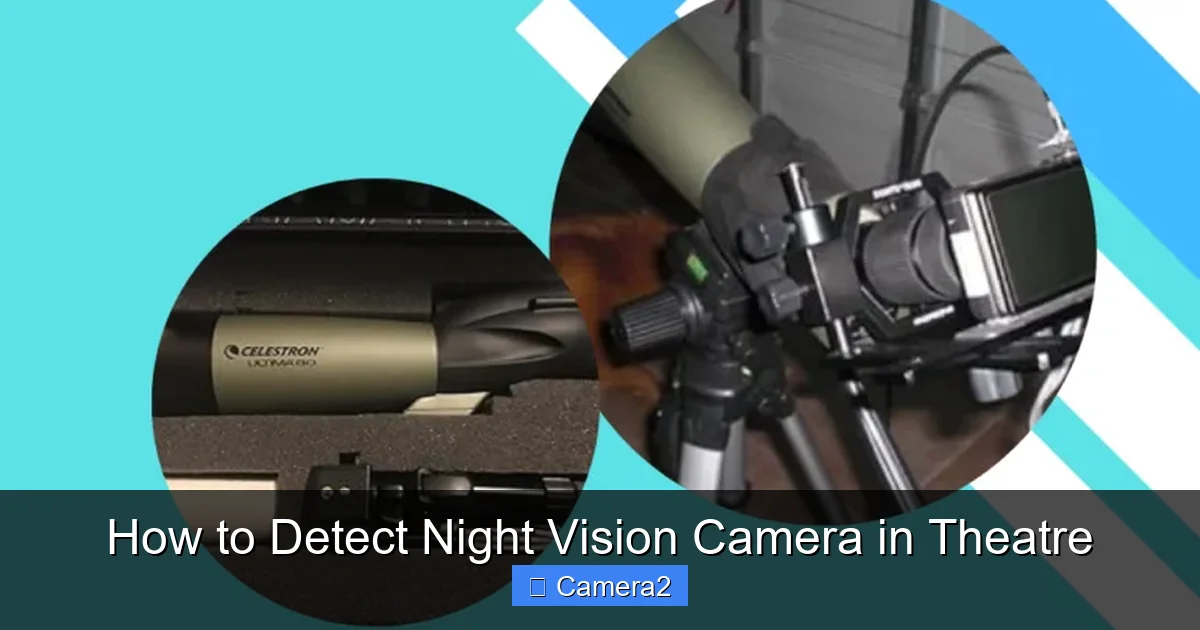
Traditional cameras need visible light. Night vision cameras, however, use either infrared (IR) illumination or image intensifier tubes. The two main types are:
Visual guide about How to Detect Night Vision Camera in Theatre
Image source: thenightvisionguru.com
- Infrared (IR) cameras: Emit invisible IR light and capture the reflected glow. You can often see a faint red or purple sparkle when the IR LEDs are active.
- Image intensifier cameras: Amplify existing light, including near‑infrared, to produce a visible image. They usually have a “green” glow on the sensor.
Both types can be concealed behind ordinary objects. Knowing their visual cues is the first step in learning how to detect night vision camera in theatre environments.
Why Theatres Are Prime Targets
The low lighting and large open spaces make theatres perfect for covert surveillance. Some reasons people might install hidden cameras include:
- Protecting valuable equipment or costumes.
- Monitoring staff for safety compliance.
- Illicit recording of performances for piracy.
Regardless of motive, the presence of a hidden lens can feel invasive. That’s why mastering how to detect night vision camera in theatre is valuable for every audience member.
2. Visual Inspection Techniques
Scanning the Room with Your Eyes
The simplest way to learn how to detect night vision camera in theatre is a careful visual sweep. Follow these steps:
Visual guide about How to Detect Night Vision Camera in Theatre
Image source: cameraguidepro.com
- Enter the auditorium and let your eyes adjust for 30 seconds.
- Look for any small, round or rectangular objects that seem out of place—especially near exits, lighting rigs, and speaker mounts.
- Watch for a faint red or purple glow when the house lights dim. IR LEDs may become visible for a split second.
Even a quick glance can reveal a hidden lens if you know what to look for.
Using a Flashlight or Smartphone Torch
Turn on a bright flashlight and sweep it across suspicious areas. The light will reflect off the camera lens, creating a small “glint.” If you notice a consistent reflection that doesn’t belong to a stage prop, you may have found a camera.
Smartphone torches work just as well—just make sure the beam is strong enough to catch a glint from a few feet away.
Mirror Trick
Hold a small hand mirror at an angle and scan the ceiling, walls, and under seats. Mirrors can reveal lenses hidden behind fixtures because the reflection shows the lens curvature that your eye might miss.
3. Electronic Detection Tools
Smartphone Apps That Scan for IR Light
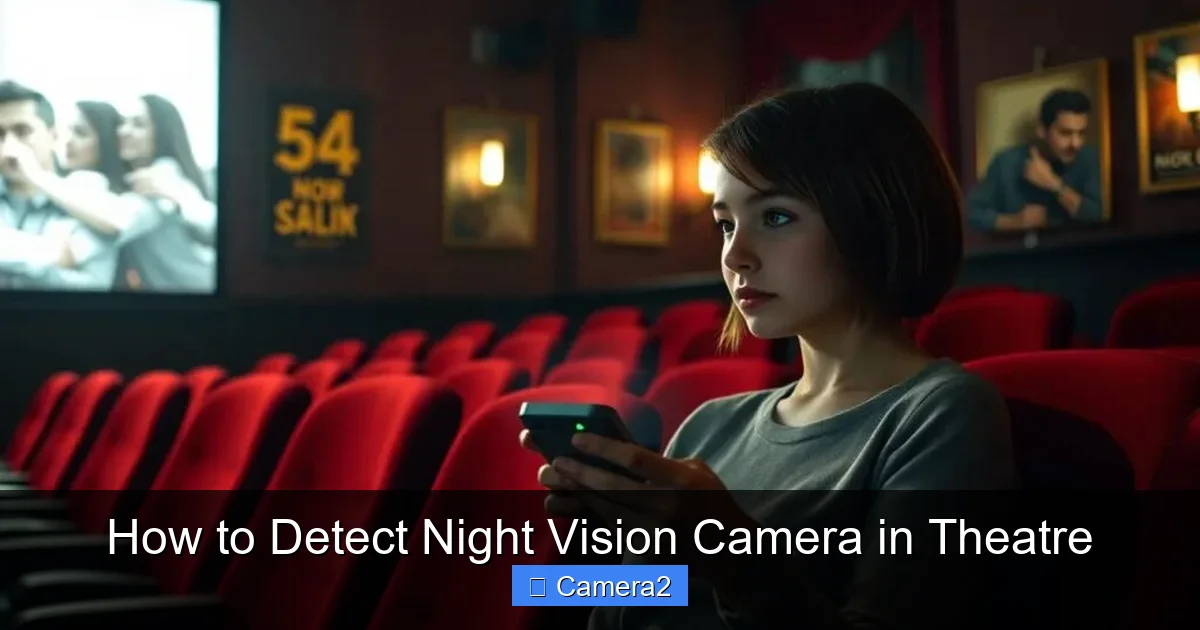
Many modern phones have cameras that can see near‑infrared light. Download a free app like “IR Light Detector” or “Night Vision Detector.” Open the app, point the camera at dark areas, and watch for bright spots—those are likely IR LEDs.
Visual guide about How to Detect Night Vision Camera in Theatre
Image source: tutorials-db.com
Using this method repeatedly will teach you how to detect night vision camera in theatre with just your phone.
Dedicated IR Scanners
If you want a more professional approach, consider a handheld IR scanner. These devices emit a low‑power IR beam and display any reflected IR sources. They’re inexpensive (under $30) and can quickly highlight hidden cameras.
RF (Radio Frequency) Detectors
Some night vision cameras transmit video wirelessly. An RF detector can pick up the signal. Turn the detector on, walk slowly through the theatre, and note any spikes in signal strength. While not every camera uses RF, this tool adds another layer to your detection strategy.
4. Practical DIY Tests
The “Phone Camera Test”
Turn off the theatre’s house lights (or wait for intermission). Open your phone’s camera app and point it at the stage and audience area. Switch to video mode and look for any bright spots that appear only on the phone screen—not to the naked eye. Those are likely IR LEDs, indicating a night vision camera.
Using an Infrared Flashlight
Purchase a cheap IR flashlight (often sold for pet owners). Shine it around the auditorium. If a hidden camera is active, its IR LEDs will reflect the flashlight’s beam, creating a visible “hot spot” on the camera’s sensor.
Temperature Check with a Thermal Camera
Night vision cameras generate heat while operating. If you have access to a thermal imaging phone attachment, scan the room for warm spots that don’t match the surrounding fixtures. A small, localized heat source could be a camera in use.
5. Legal and Ethical Considerations
Are Hidden Cameras Legal in Theatres?
Most states prohibit covert recording in places where there is a reasonable expectation of privacy. While a public theatre may have a lower expectation, many jurisdictions still require signage if recording is happening. Knowing how to detect night vision camera in theatre can help you enforce your rights.
What to Do If You Find a Camera
1. Document: Take photos or video of the suspected device without touching it.
2. Notify Management: Calmly inform the theatre manager and show your evidence.
3. Contact Authorities: If the manager dismisses your concern, call local law enforcement. Provide the documentation you gathered.
Privacy vs. Security Balance
Theatre owners may install cameras for legitimate security reasons, but they should be disclosed and placed in public view. Covert night vision cameras that target audience members cross the line into privacy invasion. Understanding how to detect night vision camera in theatre empowers you to hold venues accountable.
6. Maintaining Ongoing Vigilance
Make Detection a Habit
Every time you attend a performance, take a quick mental note of the lighting rigs and any unusual fixtures. Over time, you’ll develop an eye for spotting hidden lenses.
Stay Updated on New Technologies
Manufacturers constantly shrink camera sizes and improve IR illumination. Follow tech blogs or subscribe to newsletters about surveillance tech to keep your detection skills fresh.
Share Knowledge
Tell friends and fellow theatre‑goers how to spot hidden devices. A community that knows how to detect night vision camera in theatre is less likely to be surprised by covert surveillance.
Conclusion
Knowing how to detect night vision camera in theatre doesn’t require expensive equipment or a degree in engineering. By combining visual checks, simple smartphone tools, and a few DIY tricks, you can confidently spot hidden lenses before the curtain rises. Remember to respect legal boundaries, document any findings, and share what you learn with others. Your vigilance helps keep the theatre a safe, private space for everyone.
Frequently Asked Questions
Can I use my regular smartphone camera to find night vision cameras?
Yes. Many phones can detect near‑infrared light. Using a camera app in a dark area often reveals bright spots where IR LEDs are active.
Do night vision cameras work in total darkness?
Infrared‑based cameras emit their own IR light, so they can see in complete darkness. Image intensifier cameras need at least a little ambient light, but they amplify it.
Is it illegal for a theatre to have hidden cameras?
It depends on local laws. Generally, covert recording where patrons expect privacy is illegal. Public venues must provide notice if cameras are used.
What should I do if I spot a camera during a performance?
Document the device discreetly, alert theatre staff, and if necessary, contact law enforcement with your evidence.
Are there any free tools to help detect hidden cameras?
Free smartphone apps that detect IR light and basic mirror tricks are effective and cost‑free methods for spotting hidden lenses.
Can a thermal camera help find hidden night vision cameras?
Yes. Active cameras generate heat, and a thermal imaging attachment can highlight warm spots that don’t match surrounding fixtures.