How to Fix Mouse Pad on Laptop
Dealing with a broken mouse pad on your laptop can be incredibly frustrating, but most touchpad issues are fixable at home without professional help. This comprehensive guide walks you through the most common causes of touchpad problems and provides step-by-step solutions to get your mouse pad working again. Whether your touchpad is unresponsive, erratic, or completely disabled, you’ll find the fix you need right here.
[FEATURED IMAGE_PLACEHOLDER]
There are few things more annoying than sitting down to work on your laptop only to discover that your mouse pad has stopped working. You tap, you swipe, you click — and nothing happens. Your cursor sits frozen on the screen like it’s glued in place. Before you panic or rush to a repair shop, take a deep breath. Learning how to fix mouse pad on laptop is something most people can handle themselves with a little patience and guidance.
The truth is that touchpad problems are among the most common laptop issues users face. They can range from simple accidental toggles to more complex driver conflicts. The good news? Most of these problems have straightforward solutions you can try in just a few minutes. In this guide, we’ll cover every major cause of touchpad failure and walk you through the exact steps to get your mouse pad back in working order.
Key Takeaways
- Check for accidental disable: Most laptop touchpad issues occur because users accidentally disable the touchpad using a keyboard shortcut, and re-enabling it takes just seconds.
- Update or reinstall drivers: Outdated or corrupted touchpad drivers are a leading cause of malfunction, and updating them through Device Manager often resolves the issue.
- Adjust touchpad settings: Windows and macOS have built-in touchpad settings that may have been changed accidentally, causing the mouse pad to behave unexpectedly.
- Rule out hardware issues: If software fixes don’t work, the touchpad may have a physical problem requiring professional repair or replacement.
- Use external mouse as backup: While troubleshooting your touchpad, connecting a USB or wireless mouse ensures you can continue working without interruption.
- Perform system restore: If the touchpad stopped working after a recent update or software change, rolling back your system can restore functionality.
- Keep your laptop clean: Dirt, moisture, and debris around the touchpad edges can interfere with its sensors and cause erratic behavior.
📑 Table of Contents
- Understanding Why Your Laptop Mouse Pad Stops Working
- Quick Fixes to Try First
- How to Fix Mouse Pad on Laptop Through Settings
- Updating and Reinstalling Touchpad Drivers
- Advanced Troubleshooting Methods
- Handling Hardware-Related Touchpad Problems
- Alternative Solutions While Your Touchpad Is Down
- Preventing Future Touchpad Problems
- When to Seek Professional Help
- Conclusion
Understanding Why Your Laptop Mouse Pad Stops Working
Before diving into solutions, it helps to understand what might be causing the problem. A laptop touchpad is a sophisticated piece of hardware that relies on both physical sensors and software drivers to function. When either component runs into trouble, the entire system can fail.
Common Software Causes
Software issues are responsible for the majority of touchpad failures. A recent Windows update might have changed your touchpad settings without you realizing it. A driver could have become corrupted during a system crash. Or you might have accidentally disabled the touchpad through a keyboard shortcut — something that happens more often than you’d think.
Malware and conflicting software can also interfere with touchpad functionality. If you recently installed new programs or noticed unusual behavior on your laptop, this could be related to your mouse pad problem.
Common Hardware Causes
Hardware problems are less common but still possible. Spilled liquid near the touchpad area can damage the internal sensors. Physical impact from dropping your laptop can disconnect the touchpad ribbon cable. Over time, wear and tear can also degrade the touchpad’s sensitivity.
Dirt, oil from your fingers, and debris accumulating around the touchpad edges can also cause erratic behavior or complete failure. Regular cleaning can prevent many of these issues.
Quick Fixes to Try First
When your mouse pad stops working, start with these simple solutions. They resolve the majority of touchpad problems and take just a few minutes to attempt.
Visual guide about How to Fix Mouse Pad on Laptop
Image source: buildahottub.com
Check for Accidental Touchpad Disable
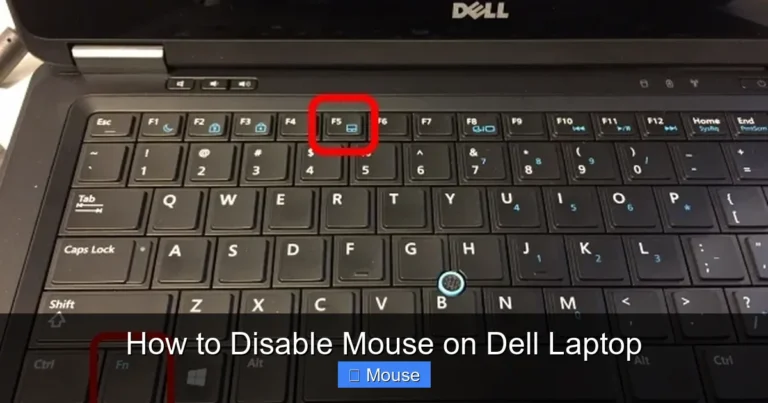
The single most common reason a laptop touchpad stops working is that someone accidentally turned it off. Most laptops have a dedicated function key combination that toggles the touchpad on and off. On many models, this is Fn + F7, Fn + F9, or Fn + F5, though the exact combination varies by manufacturer.
Look for a small touchpad icon on your function keys. Press that key combination once and test your touchpad. If it starts working again, problem solved! If you’re not sure which key to press, check your laptop’s user manual or search online for your specific model.
Restart Your Laptop
Never underestimate the power of a simple restart. If your touchpad has become unresponsive due to a temporary software glitch, restarting your laptop can clear the problem instantly. A restart refreshes all running processes and can resolve conflicts that are preventing your touchpad from functioning.
Save all your work, shut down your laptop completely, wait about 10 seconds, and then power it back on. Test the touchpad immediately after the laptop boots up.
Connect an External Mouse Temporarily
While you’re troubleshooting, having an external USB mouse connected can make the process much easier. You’ll be able to navigate your laptop’s settings and menus without struggling with keyboard shortcuts. Any basic USB mouse will work — you don’t need anything fancy.
If you don’t have a USB mouse available, you can also use keyboard navigation. In Windows, pressing Tab moves between elements, Enter selects items, and the arrow keys help you navigate menus. This can be a lifesaver when your touchpad isn’t cooperating.
How to Fix Mouse Pad on Laptop Through Settings
If the quick fixes didn’t work, it’s time to dig into your laptop’s settings. Both Windows and macOS have built-in touchpad configuration options that might need adjustment.
Visual guide about How to Fix Mouse Pad on Laptop
Image source: bhg.com
Windows Touchpad Settings
In Windows 10 and 11, follow these steps to check your touchpad settings:
- Open Settings by pressing Windows + I
- Navigate to Bluetooth & devices (Windows 11) or Devices (Windows 10)
- Click on Touchpad
- Make sure the touchpad toggle is set to On
While you’re in the touchpad settings, check the sensitivity level. If it’s set too low, the touchpad might not register your touches. Set it to medium or high sensitivity and see if that helps. Also, verify that gestures like two-finger scrolling and tap-to-click are enabled if you normally use those features.
Enable Touchpad in BIOS/UEFI
In some cases, the touchpad might be disabled at the BIOS level. To check this:
- Restart your laptop and press the BIOS key during startup (usually F2, F10, Del, or Esc)
- Navigate to the Advanced or System Configuration tab
- Look for Internal Pointing Device or Touchpad settings
- Ensure it’s set to Enabled
- Save changes and exit
Be careful when navigating the BIOS — only change the touchpad setting unless you know exactly what you’re doing.
macOS Trackpad Settings
If you’re using a MacBook, the process is slightly different:
- Click the Apple menu and select System Settings (or System Preferences on older versions)
- Click Trackpad
- Verify that Tap to click and other settings are configured to your preference
- Check the Tracking speed slider and adjust if needed
Mac users should also check if Ignore built-in trackpad when mouse or wireless trackpad is present is enabled. If you have a Bluetooth mouse connected, this setting could be disabling your trackpad automatically.
Updating and Reinstalling Touchpad Drivers
Driver issues are one of the leading causes of touchpad problems. If your touchpad drivers are outdated, corrupted, or missing, your mouse pad simply won’t work correctly. Here’s how to fix that.
Visual guide about How to Fix Mouse Pad on Laptop
Image source: techinstructs.com
Updating Touchpad Drivers on Windows
To update your touchpad drivers, follow these steps:
- Right-click the Start button and select Device Manager
- Expand the Mice and other pointing devices category
- Right-click your touchpad (it might be listed as “HID-compliant mouse,” “Synaptics TouchPad,” “ELAN TouchPad,” or “I2C HID Device”)
- Select Update driver
- Choose Search automatically for drivers
Windows will search for and install the latest driver available. After the update, restart your laptop and test the touchpad.
Reinstalling Touchpad Drivers
If updating doesn’t work, try completely reinstalling the driver:
- Open Device Manager as described above
- Right-click your touchpad device and select Uninstall device
- Check the box that says Attempt to remove the driver for this device
- Click Uninstall
- Restart your laptop — Windows will automatically reinstall the default driver
This process essentially gives your touchpad a fresh start, which can resolve deep-seated driver conflicts.
Downloading Drivers from Manufacturer Websites
For the best results, download touchpad drivers directly from your laptop manufacturer’s website. Companies like Dell, HP, Lenovo, and ASUS maintain driver download pages for every model they produce. Visit the support section of your manufacturer’s website, enter your laptop model number, and download the latest touchpad or pointing device driver available for your operating system.
Our guide on how to fix touchpad mouse on laptop provides additional manufacturer-specific instructions that can help you identify the right driver for your device.
Advanced Troubleshooting Methods
If basic fixes and driver updates haven’t resolved the issue, it’s time to try some more advanced troubleshooting techniques.
Visual guide about How to Fix Mouse Pad on Laptop
Image source: images.ctfassets.net
Run the Hardware Troubleshooter
Windows includes a built-in hardware troubleshooter that can automatically detect and fix many touchpad problems:
- Open Settings and go to System > Troubleshoot > Other troubleshooters (Windows 11)
- Find Keyboard or Hardware and Devices troubleshooter
- Click Run and follow the on-screen instructions
The troubleshooter will scan your system for hardware-related issues and attempt to fix them automatically.
Perform a System Restore
If your mouse pad stopped working after a recent Windows update or software installation, a system restore can roll your laptop back to a previous state when the touchpad was working:
- Open the Start menu and type Create a restore point
- Click System Restore
- Choose a restore point from a date when your touchpad was functioning
- Follow the prompts to complete the restoration
System restore won’t affect your personal files, but it will remove programs and drivers installed after the restore point date.
Check for Windows Updates
Sometimes a pending Windows update can cause touchpad issues, and installing the latest updates can fix the problem:
- Open Settings and go to Windows Update
- Click Check for updates
- Install any available updates and restart your laptop
Microsoft frequently releases patches that fix hardware compatibility issues, including touchpad problems.
Disable Conflicting Software
Third-party mouse management software or accessibility tools can sometimes conflict with your touchpad. If you have programs like AutoHotkey, custom mouse drivers, or accessibility software running, try disabling them temporarily to see if the touchpad starts working.
You can also try booting into Safe Mode to determine if a third-party program is causing the issue. If the touchpad works in Safe Mode but not in normal mode, a software conflict is likely the culprit.
Handling Hardware-Related Touchpad Problems
Sometimes the issue isn’t software at all — it’s a physical problem with the touchpad itself.
Visual guide about How to Fix Mouse Pad on Laptop
Image source: autorivet.com
Clean Your Touchpad Properly
Dirt, oil, and grime can build up on and around your touchpad, interfering with its ability to detect your fingers. Here’s how to clean it safely:
- Turn off your laptop and unplug it
- Dampen a microfiber cloth with a small amount of isopropyl alcohol (70% or higher)
- Gently wipe the touchpad surface in circular motions
- Use a dry part of the cloth to remove any remaining moisture
- Let the touchpad dry completely before turning your laptop back on
Avoid using paper towels, as they can scratch the touchpad surface. Never spray liquid directly onto the touchpad.
Check for Physical Damage
Inspect your touchpad for any visible signs of damage. Look for cracks, dents, or areas where the touchpad surface feels different from the rest. If you recently dropped your laptop or spilled liquid on it, internal damage might be the cause of your touchpad problems.
Physical damage typically requires professional repair. Contact your laptop manufacturer or a certified repair technician for an assessment.
Check Internal Connections
If you’re comfortable opening your laptop, you can check whether the touchpad ribbon cable is properly connected. Over time, vibrations and movement can cause this cable to become loose. However, opening your laptop may void your warranty, so only attempt this if your laptop is out of warranty and you have experience with hardware repairs.
Alternative Solutions While Your Touchpad Is Down
While you’re working on fixing your mouse pad, there are several ways to keep being productive on your laptop.
Visual guide about How to Fix Mouse Pad on Laptop
Image source: connecticuthomecare.org
Use Keyboard Shortcuts
Windows offers extensive keyboard shortcut support that can help you navigate without a touchpad or mouse:
- Alt + Tab: Switch between open windows
- Windows + D: Show or hide the desktop
- Ctrl + Shift + Esc: Open Task Manager
- Windows + E: Open File Explorer
- Alt + F4: Close the current window
Learning these shortcuts can make you more efficient even when your touchpad is working perfectly.
Connect a Wireless Mouse
A wireless mouse is an excellent backup solution. Most wireless mice connect via USB receiver or Bluetooth and work immediately without any setup. If you need help setting one up, check out our guide on how to connect wireless mouse to a laptop for step-by-step instructions.
Use Windows Accessibility Features
Windows includes a feature called Mouse Keys that lets you control the cursor using your numeric keypad:
- Go to Settings > Accessibility > Mouse
- Turn on Mouse Keys
- Use the numeric keypad to move the cursor (8 for up, 2 for down, 4 for left, 6 for right)
- Press 5 to click and + to double-click
This feature is designed for accessibility but works great as a temporary mouse replacement.
Preventing Future Touchpad Problems
Once you’ve fixed your mouse pad, take these steps to prevent similar issues from happening again.
Visual guide about How to Fix Mouse Pad on Laptop
Image source: timeoutdubai.com
Keep Drivers Updated
Make it a habit to check for driver updates regularly. Set a reminder to visit your laptop manufacturer’s support page every few months to download the latest touchpad drivers. Keeping your drivers current prevents many compatibility issues before they start.
Be Careful with Keyboard Shortcuts
Since accidentally disabling the touchpad is such a common problem, consider familiarizing yourself with your laptop’s touchpad toggle shortcut. Some laptops allow you to disable the function key shortcut entirely through BIOS settings, which can prevent accidental toggles.
Maintain a Clean Workspace
Keep the area around your touchpad clean and dry. Avoid eating over your laptop, as crumbs can find their way under the touchpad edges. Wash your hands before using your laptop to reduce oil buildup on the touchpad surface.
Install System Updates Promptly
While updates can sometimes cause touchpad problems, they more often fix them. Keeping your operating system up to date ensures you have the latest bug fixes and hardware compatibility improvements.
If you ever find yourself unable to recover your touchpad and need to work without one, our article on how to right click on laptop without mouse covers all the essential mouse-free techniques you’ll need.
When to Seek Professional Help
Most touchpad issues can be resolved with the methods described above. However, there are situations where professional repair is the best option:

Visual guide about How to Fix Mouse Pad on Laptop
Image source: res.cloudinary.com
- The touchpad shows visible physical damage like cracks or deep scratches
- Liquid was spilled on or near the touchpad
- The laptop was dropped or experienced significant impact
- None of the software troubleshooting steps have worked after multiple attempts
- The touchpad works intermittently, suggesting a loose internal connection
If your laptop is still under warranty, contact the manufacturer directly. They’ll often repair or replace the touchpad at no cost. For out-of-warranty laptops, a local computer repair shop can typically replace a touchpad for a reasonable fee.
Conclusion
Learning how to fix mouse pad on laptop is a valuable skill that can save you time, money, and frustration. Most touchpad problems stem from simple causes like accidental disabling, outdated drivers, or incorrect settings — all of which you can fix yourself in minutes. Start with the easiest solutions, like checking for accidental toggles and restarting your laptop, before moving on to more advanced troubleshooting like driver updates and system restores.
Remember that patience is key when troubleshooting hardware issues. Work through each solution one at a time, testing your touchpad after each step. And always have a backup plan, like an external mouse, so you can stay productive while you work on the fix.
With the knowledge from this guide, you’re well-equipped to handle virtually any touchpad issue that comes your way. Your mouse pad will be back to smooth, responsive tracking before you know it.
Frequently Asked Questions
Why did my laptop mouse pad suddenly stop working?
Your laptop mouse pad may have stopped working due to accidental disablement via a keyboard shortcut, outdated or corrupted drivers, recent software updates that changed touchpad settings, or a temporary system glitch. Start by pressing the touchpad toggle key combination (usually Fn + F7 or Fn + F9) and restarting your laptop, as these resolve the majority of sudden touchpad failures.
How do I re-enable a disabled touchpad on my laptop?
To re-enable a disabled touchpad, press the function key combination that toggles the touchpad on and off — commonly Fn + F7, Fn + F9, or Fn + F5 depending on your laptop model. You can also go to Settings > Bluetooth & devices > Touchpad (on Windows 11) and ensure the touchpad toggle is turned On.
Can a Windows update break my laptop touchpad?
Yes, Windows updates can sometimes interfere with touchpad functionality by changing settings, installing incompatible drivers, or introducing bugs. If your touchpad stopped working immediately after an update, try updating the touchpad driver through Device Manager or performing a system restore to a point before the update was installed.
How do I know if my touchpad problem is hardware or software related?
To determine whether your touchpad issue is hardware or software related, try booting your laptop into Safe Mode. If the touchpad works in Safe Mode but not in normal Windows, the problem is likely software-related (driver or program conflict). If the touchpad doesn’t work in Safe Mode either, it’s probably a hardware issue requiring professional repair.
Is it worth repairing a broken laptop touchpad?
Whether repairing a broken laptop touchpad is worth it depends on the age and value of your laptop. For newer or high-end laptops, professional touchpad replacement is usually a worthwhile investment. For older laptops, the repair cost might approach the value of the device, in which case using an external mouse or upgrading to a new laptop might be more practical.
How can I use my laptop if the touchpad is completely broken?
If your touchpad is completely broken, you can connect a USB or wireless mouse for regular navigation. You can also use Windows Mouse Keys (found in Settings > Accessibility > Mouse) to control the cursor with your numeric keypad, or rely on keyboard shortcuts like Alt + Tab and Windows + D to navigate without a pointing device.