Mouse on Laptop Not Working Acer

Dealing with a mouse on your Acer laptop that suddenly stops working can be incredibly frustrating, especially when you’re in the middle of something important. The good news is that most mouse issues on Acer laptops are fixable with a few simple troubleshooting steps. In this guide, we’ll walk you through everything from basic checks to advanced solutions to get your mouse working again.
Key Takeaways
- Check the basics first: Always start with simple solutions like restarting your laptop, checking physical connections, and ensuring the touchpad isn’t accidentally disabled.
- Driver issues are common: Outdated or corrupted mouse drivers are one of the leading causes of mouse problems on Acer laptops and can usually be fixed through Device Manager.
- Function key shortcuts matter: Most Acer laptops have a dedicated function key (usually F7 or F9) that can accidentally disable the touchpad without you realizing it.
- Windows settings can interfere: Touchpad settings in Windows, including palm rejection and sensitivity settings, can cause the mouse to appear unresponsive.
- Hardware problems are possible: If software fixes don’t work, the issue could be a damaged touchpad, loose internal connection, or faulty USB port.
- External mouse troubleshooting: If using an external mouse, try different USB ports, check the mouse on another device, and ensure Bluetooth is properly paired.
- Prevention is key: Regular driver updates, careful handling of your laptop, and proper shutdown procedures can prevent most mouse issues from occurring.
📑 Table of Contents
- Introduction: When Your Acer Laptop Mouse Stops Working
- Understanding the Different Types of Mouse Issues on Acer Laptops
- Quick Fixes: The First Things You Should Try
- Software Solutions: Fixing Driver and Settings Issues
- Advanced Troubleshooting for Persistent Mouse Problems
- External Mouse Troubleshooting for Acer Laptops
- When to Consider Hardware Repair
- Preventing Future Mouse Issues on Your Acer Laptop
- Conclusion: Getting Your Acer Laptop Mouse Back on Track
Introduction: When Your Acer Laptop Mouse Stops Working
You’re sitting at your desk, ready to tackle your work or browse the web, and suddenly your mouse on your Acer laptop stops working. The cursor won’t move. Clicks aren’t registering. You’re left staring at the screen, wondering what went wrong. Don’t panic — you’re definitely not alone in this experience.
Mouse issues on Acer laptops are among the most common problems users face. Whether you’re using the built-in touchpad or an external USB or Bluetooth mouse, there are dozens of reasons why it might stop responding. The frustrating part is that it often happens at the worst possible time — right before a deadline, during an important video call, or when you’re in the middle of a gaming session.
The great news is that most mouse problems on Acer laptops can be resolved without a trip to the repair shop. In this comprehensive guide, we’ll explore every possible cause and walk you through step-by-step solutions. By the end, you’ll have the knowledge to diagnose and fix your mouse issue quickly and confidently. Let’s dive in and get your Acer laptop mouse working again.
Understanding the Different Types of Mouse Issues on Acer Laptops
Before we jump into solutions, it’s important to understand what type of mouse problem you’re experiencing. Not all mouse issues are the same, and identifying the specific symptom can help you find the right fix much faster.
Touchpad Not Responding at All
This is the most common complaint among Acer laptop users. You swipe your finger across the touchpad, and absolutely nothing happens. The cursor stays frozen in place. This could be caused by a disabled touchpad, a driver issue, or even a hardware malfunction. Many users accidentally disable their touchpad through a keyboard shortcut and don’t even realize it.
Cursor Moving Erratically or Jumping
Sometimes the mouse works, but it doesn’t behave normally. The cursor might jump around the screen, move in the wrong direction, or respond to touches that you didn’t make. This is often related to touchpad sensitivity settings, palm rejection issues, or dirt and moisture on the touchpad surface.
External Mouse Not Detected
If you’re using an external mouse — whether USB or Bluetooth — and your Acer laptop isn’t recognizing it, the problem could be with the mouse itself, the USB port, Bluetooth connectivity, or the mouse drivers. This is a different set of troubleshooting steps compared to touchpad issues.
Clicking or Scrolling Not Working
Your cursor moves fine, but when you try to click or scroll, nothing happens. This is often a software issue related to touchpad settings or driver configurations. It can also be caused by physical damage to the touchpad buttons or the mouse itself.
Quick Fixes: The First Things You Should Try
When your mouse on your Acer laptop stops working, start with these simple solutions. They might seem too basic, but you’d be surprised how often they resolve the issue immediately.
Restart Your Laptop
I know, I know — “have you tried turning it off and on again?” It sounds like a cliché, but restarting your laptop genuinely fixes a huge percentage of mouse problems. A restart clears temporary glitches, refreshes drivers, and resets hardware connections. Before you spend an hour troubleshooting, just restart your Acer laptop and see if the mouse starts working again.
Check the Function Key for Touchpad Toggle
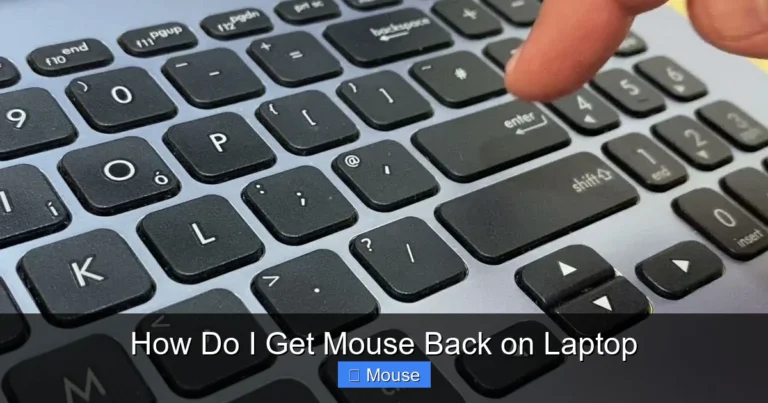
Here’s one that catches almost everyone off guard. Acer laptops come with a function key that toggles the touchpad on and off. On most Acer models, this is F7 or F9, though it can vary depending on your specific model. Look for a small touchpad icon on one of your function keys. You might have accidentally pressed Fn + F7 (or the relevant key) and disabled your touchpad without even knowing it.
To fix this, simply press Fn and the touchpad function key simultaneously. You should see a notification on your screen indicating that the touchpad has been enabled. If you’re not sure which key it is, check your Acer laptop’s user manual or look for the icon on your keyboard.
Check Physical Connections for External Mice
If you’re using an external mouse, make sure it’s properly connected. For USB mice, try unplugging the mouse and plugging it into a different USB port. Sometimes a specific USB port can fail while others work perfectly fine. For Bluetooth mice, make sure Bluetooth is turned on in your Windows settings and that the mouse is properly paired.
Also, take a moment to inspect the mouse itself. Check for any visible damage to the cable, ensure the USB connector isn’t bent or broken, and if it’s a wireless mouse, make sure the batteries are charged or replaced.
Clean Your Touchpad
This is one that many people overlook. Dirt, oil from your fingers, and moisture can accumulate on your touchpad surface and interfere with its ability to detect your finger movements. Use a soft, slightly damp cloth to gently clean the touchpad. Make sure your fingers are clean and dry before using it again. A clean touchpad is a responsive touchpad.
Software Solutions: Fixing Driver and Settings Issues
If the quick fixes didn’t solve your problem, it’s time to dig a little deeper into the software side of things. Driver issues and Windows settings are among the most common causes of mouse problems on Acer laptops.
Update or Reinstall Mouse Drivers
Drivers are the software that allows your operating system to communicate with your hardware. When mouse drivers become outdated, corrupted, or incompatible, your mouse can stop working entirely. Here’s how to fix driver issues on your Acer laptop:
First, right-click on the Start button and select Device Manager. Look for Mice and other pointing devices and click the arrow to expand it. You should see your touchpad and any external mice listed here. If you see a yellow warning triangle next to any device, that indicates a driver problem.
Right-click on the problematic device and select Update driver. Choose Search automatically for drivers and let Windows find and install the latest driver. If that doesn’t work, try right-clicking again and selecting Uninstall device. Don’t worry — after you restart your laptop, Windows will automatically reinstall the driver.
For Acer-specific drivers, you can also visit the official Acer support website. Enter your laptop’s model number, navigate to the drivers section, and download the latest touchpad driver. Installing the manufacturer’s driver often works better than the generic Windows driver.
Check Windows Touchpad Settings
Windows has several touchpad settings that can affect how your mouse behaves. Sometimes these settings get changed accidentally or after a Windows update. Here’s how to check and adjust them:
Go to Settings > Bluetooth & devices > Touchpad. Make sure the touchpad toggle is turned On. Scroll down and check the sensitivity settings — if it’s set to low sensitivity, your touchpad might not register light touches. You can also adjust the tap-to-click settings, scroll and zoom options, and three-finger or four-finger gestures here.
One setting that often causes confusion is Leave touchpad on when a mouse is connected. If this is turned off and you have an external mouse plugged in, your touchpad will automatically disable. Make sure this setting is configured according to your preference.
Disable Tablet Mode
If your Acer laptop is in tablet mode, the touchpad might be disabled automatically. Tablet mode is designed for touchscreen use and often turns off the touchpad to prevent accidental inputs. To check if tablet mode is on, go to Settings > System > Tablet and make sure tablet mode is turned off when you’re using your laptop in its standard configuration.
Run the Windows Hardware Troubleshooter
Windows has a built-in troubleshooter that can automatically detect and fix hardware issues. To access it, go to Settings > System > Troubleshoot > Other troubleshooters. Look for the Keyboard or Hardware and Devices troubleshooter and run it. While it’s not specifically designed for mice, it can sometimes detect and fix related issues.
You can also try the command-line approach. Open Command Prompt as an administrator and run the command msdt.exe /id DeviceDiagnostic. This will launch the hardware diagnostic tool that can identify problems with your mouse and touchpad.
Advanced Troubleshooting for Persistent Mouse Problems
If you’ve tried all the basic and software solutions and your mouse on your Acer laptop is still not working, it’s time to try some more advanced troubleshooting techniques.
Check for Windows Updates
Sometimes a Windows update can cause compatibility issues with your mouse drivers. Conversely, a pending Windows update might contain a fix for your specific problem. Go to Settings > Windows Update and check for any available updates. Install all pending updates and restart your laptop. This can resolve driver conflicts and other system-level issues that affect your mouse.
If your mouse problem started right after a Windows update, you might need to roll back that specific update. Go to Settings > Windows Update > Update history > Uninstall updates and remove the most recent update to see if that fixes the issue.
Perform a System Restore
If your mouse was working fine recently and suddenly stopped, a System Restore can revert your laptop to a previous state when everything was functioning correctly. Type Create a restore point in the Windows search bar, open the System Properties window, and click System Restore. Choose a restore point from a date when your mouse was working properly and follow the prompts.
Keep in mind that System Restore won’t affect your personal files, but it will remove any programs or drivers installed after the restore point date. This is a powerful tool that can fix many issues caused by recent changes to your system.
Check BIOS Settings
In rare cases, the touchpad might be disabled in your laptop’s BIOS settings. To access the BIOS on an Acer laptop, restart your computer and press F2 repeatedly as it boots up. Once in the BIOS, look for touchpad or pointing device settings. Make sure the touchpad is set to Enabled. The exact location of this setting varies by model, so you might need to explore the BIOS menus a bit.
Be careful when navigating the BIOS — don’t change any settings you’re unsure about. If you accidentally change something, you can usually restore default settings by selecting Load Setup Defaults or a similar option.
Test in Safe Mode
Booting into Safe Mode can help you determine if the problem is caused by third-party software or drivers. In Safe Mode, Windows loads only the essential drivers and services. If your mouse works in Safe Mode but not in normal mode, that tells you a third-party program or driver is causing the conflict.
To boot into Safe Mode, hold the Shift key while clicking Restart from the Start menu. Navigate to Troubleshoot > Advanced options > Startup Settings > Restart. After your laptop restarts, press 4 or F4 to start in Safe Mode. Test your mouse in Safe Mode and see if it works.
External Mouse Troubleshooting for Acer Laptops
If you’re specifically having trouble with an external mouse on your Acer laptop, there are some additional steps you should take that are different from touchpad troubleshooting.
USB Mouse Not Working
When a USB mouse stops working on your Acer laptop, the first thing to try is a different USB port. Acer laptops typically have multiple USB ports, and one might have failed while others work fine. Try plugging the mouse into each port one at a time to see if any of them work.
If the mouse doesn’t work in any USB port, try it on a completely different computer. If it doesn’t work there either, the mouse itself is likely broken and needs to be replaced. If it works on another computer but not on your Acer laptop, the issue is with your laptop’s USB controllers or drivers.
You can also try uninstalling the USB controllers in Device Manager. Expand Universal Serial Bus controllers, right-click each USB Root Hub, and select Uninstall device. After restarting, Windows will reinstall the USB controllers fresh, which can resolve USB-related mouse issues.
Bluetooth Mouse Connection Issues
Bluetooth mice can be particularly finicky. If your Bluetooth mouse isn’t working on your Acer laptop, start by making sure Bluetooth is turned on. Go to Settings > Bluetooth & devices and ensure the Bluetooth toggle is on.
Next, remove the mouse from your Bluetooth devices list and pair it again from scratch. Click the three dots next to your mouse in the Bluetooth devices list and select Remove device. Then click Add device and follow the pairing instructions for your specific mouse.
Also, make sure your mouse has fresh batteries. A low battery can cause intermittent connectivity issues that are hard to diagnose. If your mouse uses rechargeable batteries, charge it fully before testing again.
Wireless Mouse with USB Receiver
If you’re using a wireless mouse with a USB receiver (like a Logitech Unifying receiver), the troubleshooting is similar to USB mice. Try different USB ports, and make sure the receiver is fully inserted. Some wireless mice have a reset button on the bottom — try pressing it to re-establish the connection between the mouse and receiver.
Interference from other wireless devices can also cause problems. If you have many Bluetooth devices, Wi-Fi routers, or other wireless peripherals nearby, try moving them away from your mouse and receiver to reduce interference.
When to Consider Hardware Repair
Sometimes, despite your best efforts, the problem is hardware-related. Here are some signs that your mouse issue might require professional repair or replacement.
Physical Damage to the Touchpad
If your Acer laptop’s touchpad has been physically damaged — perhaps from a drop, liquid spill, or excessive pressure — no amount of software troubleshooting will fix it. Signs of physical damage include cracks in the touchpad surface, a touchpad that feels loose or uneven, or visible damage around the edges of the touchpad.
In this case, you’ll need to have the touchpad replaced by a professional. Contact Acer support or visit a certified repair center. If your laptop is still under warranty, the repair might be covered at no cost to you.
Loose Internal Connections
The touchpad in your Acer laptop is connected to the motherboard by a thin ribbon cable. Over time, this cable can become loose or disconnected, especially if your laptop has been dropped or handled roughly. If your touchpad stopped working after your laptop was bumped or transported, a loose internal connection could be the culprit.
Fixing this requires opening up your laptop, which can void your warranty if not done properly. If you’re comfortable with laptop repair, you can find disassembly guides for your specific Acer model online. Otherwise, it’s best to take it to a professional.
USB Port Failure
If none of your USB ports are working with an external mouse (and the mouse works fine on other computers), you might have a USB port failure. This can happen due to physical damage, electrical surges, or simply wear and tear over time. A repair technician can diagnose whether the USB ports need to be replaced or if there’s a deeper motherboard issue.
Preventing Future Mouse Issues on Your Acer Laptop
Once you’ve gotten your mouse working again, you’ll want to take steps to prevent the problem from happening again. Here are some practical tips to keep your Acer laptop’s mouse in top condition.
Keep Drivers Updated
Make it a habit to check for driver updates regularly. You can set Windows to automatically download driver updates, or you can periodically visit the Acer support website to check for the latest drivers for your specific model. Updated drivers not only fix bugs but also improve performance and compatibility.
Handle Your Laptop with Care
Avoid eating or drinking near your laptop to prevent crumbs and liquid from getting into the touchpad. When transporting your laptop, use a protective case or sleeve. Don’t press too hard on the touchpad — modern touchpads are sensitive enough to respond to light touches, and excessive pressure can damage the sensors over time.
Regularly Clean Your Touchpad
Make touchpad cleaning part of your regular laptop maintenance routine. Wipe it down with a soft, lint-free cloth at least once a week. If you notice the touchpad becoming less responsive, a thorough cleaning might be all it needs.
Use a Mouse Pad or External Mouse
If you find yourself using your Acer laptop for extended periods, consider using an external mouse. This reduces wear and tear on the built-in touchpad and provides a more comfortable experience for tasks that require precise cursor control. An external mouse is also easier to replace than a built-in touchpad if something goes wrong.
Create System Restore Points
Before installing new software, drivers, or Windows updates, create a system restore point. This gives you a safety net to fall back on if something goes wrong. It takes just a few seconds and can save you hours of troubleshooting later.
Conclusion: Getting Your Acer Laptop Mouse Back on Track
Having your mouse stop working on your Acer laptop is never a fun experience, but as you can see, there are plenty of solutions to try before resorting to professional repair. Start with the basics — restart your laptop, check the function key toggle, and inspect your connections. If those don’t work, move on to driver updates, Windows settings, and more advanced troubleshooting techniques.
Remember that most mouse issues on Acer laptops are software-related and can be fixed at home with a little patience and the right approach. Driver problems, accidental touchpad disabling, and Windows settings conflicts are far more common than actual hardware failures. By following the steps in this guide, you should be able to diagnose and resolve the majority of mouse problems you’ll encounter.
If you’ve exhausted all the troubleshooting options and your mouse still isn’t working, don’t hesitate to reach out to Acer’s customer support or visit a certified repair center. Sometimes professional help is the fastest and most cost-effective solution, especially if your laptop is still under warranty. The important thing is to stay calm, work through the solutions systematically, and you’ll have your mouse working again in no time.
Frequently Asked Questions
Why did my Acer laptop touchpad suddenly stop working?
Your Acer laptop touchpad may have stopped working due to accidental disabling via the function key (usually Fn + F7), outdated or corrupted drivers, a recent Windows update, or a temporary software glitch. Start by pressing the touchpad toggle key and restarting your laptop to see if that resolves the issue.
How do I enable the touchpad on my Acer laptop?
To enable the touchpad on your Acer laptop, press the Fn key along with the function key that has a touchpad icon (typically F7 or F9). You can also enable it through Windows by going to Settings > Bluetooth & devices > Touchpad and making sure the toggle is turned on.
Can a Windows update cause mouse problems on Acer laptops?
Yes, Windows updates can sometimes cause mouse problems on Acer laptops by introducing driver conflicts or changing system settings. If your mouse stopped working after an update, try rolling back the update through Settings > Windows Update > Update history, or update your touchpad drivers from the Acer support website.
How do I know if my Acer laptop mouse issue is hardware or software related?
To determine if your mouse issue is hardware or software related, try booting your Acer laptop into Safe Mode. If the mouse works in Safe Mode, the problem is likely software-related (drivers or settings). If it doesn’t work in Safe Mode either, it could be a hardware issue requiring professional repair.
What should I do if my external mouse isn’t working on my Acer laptop?
If your external mouse isn’t working on your Acer laptop, try plugging it into a different USB port, testing it on another computer, checking the batteries (for wireless mice), and updating or reinstalling the mouse drivers through Device Manager. If the mouse works on other devices but not your laptop, the issue is likely with your laptop’s USB ports or drivers.
Is it worth repairing a broken touchpad on an Acer laptop?
Whether it’s worth repairing a broken touchpad depends on the age and value of your Acer laptop. If the laptop is relatively new and the repair cost is reasonable, it’s usually worth fixing. However, if the laptop is older and the repair cost is high, you might be better off using an external mouse or investing in a new laptop.