How to Reset the Mouse on a Laptop
Is your laptop mouse acting up? Don’t panic. This guide shows you exactly how to reset the mouse on a laptop using simple troubleshooting steps that work for both touchpads and external mice. Whether your cursor is frozen, jumping around, or completely unresponsive, you’ll find the fix you need right here.
Key Takeaways
- Restart first: A simple laptop restart fixes most mouse issues instantly and should always be your first step.
- Check function keys: Accidentally disabling the touchpad with a function key combo is one of the most common causes of a dead mouse.
- Update drivers: Outdated or corrupted mouse drivers cause erratic cursor behavior and can be fixed through Device Manager.
- Reset touchpad settings: Windows and macOS both offer built-in settings to restore the mouse to default configurations.
- External mouse troubleshooting: For USB or wireless mice, try different ports, replace batteries, and re-pair Bluetooth connections.
- Hardware issues happen: Sometimes the problem is physical damage, and knowing when to seek professional help saves time and money.
- Prevention matters: Regular driver updates and careful handling of your laptop prevent most mouse problems from occurring in the first place.
📑 Table of Contents
- How to Reset the Mouse on a Laptop: The Complete Guide
- Why Your Laptop Mouse Stops Working
- The Quick Fix: Restart Your Laptop
- How to Reset the Touchpad on a Laptop
- How to Reset an External Mouse on a Laptop
- Advanced Troubleshooting Methods
- How to Unlock a Disabled Mouse on a Laptop
- When to Seek Professional Help
- Preventing Future Mouse Problems
- Conclusion
How to Reset the Mouse on a Laptop: The Complete Guide
There is nothing more frustrating than sitting down to work on your laptop and discovering that the mouse is not working. Maybe the cursor is frozen in place. Maybe it is jumping all over the screen like it has a mind of its own. Or maybe it just disappeared entirely. Whatever the issue, you need a solution fast.
Learning how to reset the mouse on a laptop is one of the most useful tech skills you can have. It does not matter if you are using a touchpad or an external mouse. The same basic principles apply. In this guide, we will walk you through every method you need to know. From the simplest fixes to more advanced troubleshooting, you will find the answer here.
We have helped thousands of people solve their mouse problems over the years. The good news is that most issues can be resolved in just a few minutes. So grab a cup of coffee and let us get your mouse working again.
Why Your Laptop Mouse Stops Working
Before we jump into the solutions, it helps to understand why these problems happen in the first place. Knowing the cause makes it much easier to find the right fix.

Visual guide about How to Reset the Mouse on a Laptop
Image source: variety.com
Accidental Touchpad Disabling
This is the number one reason people think their mouse is broken. Most laptops have a function key or a double-tap zone on the touchpad that turns it off. You probably hit it by accident without even realizing it. It happens to everyone.
Outdated or Corrupted Drivers
Drivers are the software that lets your operating system communicate with the mouse hardware. When these drivers become outdated or get corrupted, the mouse starts behaving strangely. Windows updates can sometimes cause this issue too.
Software Conflicts
Sometimes a new program or a recent update conflicts with your mouse settings. This is especially common after major Windows updates or when you install new peripheral software.
Hardware Problems
Physical damage, loose connections, or worn-out batteries in wireless mice can all cause the mouse to stop responding. These issues require a different approach than software problems.
The Quick Fix: Restart Your Laptop
We know this sounds too simple. But restarting your laptop really does fix the majority of mouse issues. Here is why it works and how to do it properly.
Why Restarting Helps
When you restart your laptop, you are clearing out temporary files, resetting driver states, and giving the operating system a fresh start. Any software glitch that was causing the mouse to malfunction gets wiped clean. Think of it as giving your laptop a fresh cup of coffee in the morning.
How to Restart Properly
Do not just close the lid. That puts the laptop to sleep, which does not fully reset anything. Instead, click the Start menu, select the Power icon, and choose Restart. Wait for the laptop to fully shut down and boot back up. This usually takes about one to two minutes.
If your mouse is completely unresponsive and you cannot click anything, hold down the physical power button for about ten seconds. This forces a hard shutdown. Then press the power button again to turn the laptop back on.
When Restarting Is Not Enough
If the mouse still does not work after a restart, do not worry. We have plenty more methods to try. Move on to the next sections for more targeted solutions.
How to Reset the Touchpad on a Laptop
The built-in touchpad is the most common mouse on any laptop. When it stops working, you need to know how to reset it properly. Here are the best methods for both Windows and Mac users.

Visual guide about How to Reset the Mouse on a Laptop
Image source: linkedhelper.com
Check the Function Key Toggle
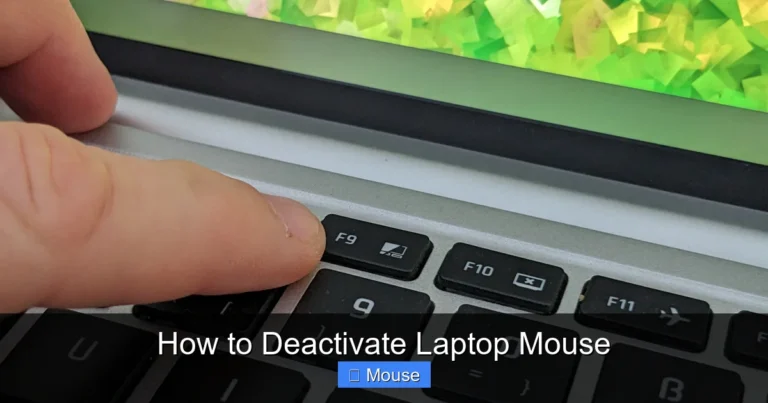
Almost every laptop has a function key that toggles the touchpad on and off. Look at the top row of your keyboard for an icon that looks like a touchpad with a line through it. On most laptops, you press the Fn key plus that function key to toggle it.
Common combinations include Fn plus F5, F7, or F9 depending on your laptop brand. HP laptops often use F5 or F6. Dell laptops typically use F3 or F5. Lenovo laptops usually use F6 or F8. If you are not sure which key it is, look for the touchpad icon on your function keys.
Some laptops also let you double-tap the top-left corner of the touchpad to toggle it. Try that as well if the function key does not seem to work.
Reset Touchpad Settings in Windows
Windows gives you full control over your touchpad settings. Here is how to access and reset them.
First, open the Settings app by pressing the Windows key plus I. Then click on Bluetooth and devices. Select Touchpad from the menu. Here you will see all your touchpad options.
Make sure the touchpad toggle is turned on. Scroll down and look for a Reset button if available. Some Windows versions let you reset touchpad settings to default. If you see this option, click it and confirm.
While you are here, check the sensitivity settings. If the sensitivity is set too low, the touchpad might not respond to light touches. Set it to medium or high and see if that helps.
Reset Touchpad Settings on Mac
Mac users have it a little easier. Open System Settings from the Apple menu. Then click on Trackpad. Here you can adjust tracking speed, click settings, and gesture controls.
If your trackpad is acting strange, try unchecking all the gesture boxes and then re-enabling them one by one. This helps identify if a specific gesture setting is causing the problem.
You can also reset the SMC (System Management Controller) on Intel-based Macs. Shut down your Mac, then press Shift plus Control plus Option on the left side of the keyboard and the power button at the same time. Hold for ten seconds, then release and turn your Mac back on.
Update or Reinstall Touchpad Drivers
Driver issues are a very common cause of touchpad problems. Here is how to fix them on Windows.
Right-click the Start button and select Device Manager. Expand the Mice and other pointing devices section. You should see your touchpad listed there. It might be called Synaptics Touchpad, ELAN Touchpad, or something similar.
Right-click on the touchpad device and select Update driver. Choose Search automatically for drivers. Windows will look for the latest driver and install it.
If updating does not work, try uninstalling the driver instead. Right-click the device and select Uninstall device. Do not worry. When you restart your laptop, Windows will automatically reinstall the default driver. This fresh install often fixes stubborn touchpad issues.
For more detailed help with touchpad problems, check out our guide on how to fix touchpad mouse on laptop.
How to Reset an External Mouse on a Laptop
External mice are great for productivity and gaming. But they can have their own set of problems. Here is how to reset both USB and wireless external mice.

Visual guide about How to Reset the Mouse on a Laptop
Image source: creativefabrica.com
Reset a USB Mouse
USB mice are the simplest to troubleshoot. Start by unplugging the mouse from the USB port. Wait about ten seconds, then plug it back in. Windows should automatically detect and reinstall the mouse.
If that does not work, try a different USB port. Sometimes a specific USB port stops working properly. Also, try the mouse on a different computer if you have one available. This helps you determine if the problem is with the mouse or the laptop.
Check the USB cable for any visible damage. Frayed cables or bent connectors can cause intermittent connectivity issues. If the cable looks damaged, it might be time for a new mouse.
Reset a Wireless Mouse
Wireless mice add a few more variables to troubleshoot. Start with the basics. Check the batteries. Low batteries are the most common reason wireless mice stop working. Replace them with fresh ones and see if that solves the problem.
If your mouse uses a USB receiver, unplug it and plug it back in. Try a different USB port as well. Some USB 3.0 ports can cause interference with wireless receivers, so try a USB 2.0 port if available.
For Bluetooth mice, go to your Bluetooth settings and remove the mouse from the paired devices list. Then put the mouse into pairing mode and reconnect it. This essentially resets the Bluetooth connection from scratch.
If you need help setting up a new wireless connection, our article on how to connect a wireless mouse to a laptop walks you through the entire process.
Reset Mouse Settings in Windows
Windows stores mouse settings that can sometimes cause problems. To reset them, open Settings and go to Bluetooth and devices. Click on Mouse.
Here you can adjust the primary mouse button, cursor speed, and scroll settings. If any of these seem off, click the Restore defaults button if available. You can also adjust the pointer speed to something comfortable.
For more advanced settings, click on Additional mouse settings. This opens the classic Mouse Properties dialog. Here you can adjust double-click speed, pointer trails, and other options. Click Apply after making changes.
Advanced Troubleshooting Methods
If the basic methods did not work, it is time to try some more advanced techniques. These methods solve the trickier mouse problems that most people encounter.
Run the Windows Hardware Troubleshooter
Windows has a built-in troubleshooter that can automatically detect and fix hardware issues. Open Settings and go to System. Click on Troubleshoot, then Other troubleshooters. Find the Hardware and Devices troubleshooter and click Run.
The troubleshooter will scan your system for problems and attempt to fix them automatically. This can take a few minutes. Follow any on-screen instructions it gives you.
Check for Windows Updates
Sometimes a Windows update includes fixes for known mouse and touchpad issues. Open Settings and go to Windows Update. Click Check for updates and install any available updates. Restart your laptop after installing updates.
It is also worth checking for optional updates. Click on Advanced options, then Optional updates. Look for any driver updates related to your mouse or touchpad and install them.
Boot into Safe Mode
Safe Mode starts Windows with only the essential drivers and services. If your mouse works in Safe Mode, that means a third-party program or driver is causing the problem.
To boot into Safe Mode, hold the Shift key while clicking Restart from the Start menu. This opens the recovery environment. Go to Troubleshoot, then Advanced options, then Startup Settings. Click Restart and press 4 to boot into Safe Mode.
Test your mouse in Safe Mode. If it works fine, start disabling startup programs one by one to find the culprit. Open Task Manager, go to the Startup tab, and disable suspicious programs. Restart normally after each change to test.
Perform a System Restore
If the mouse problem started recently, a System Restore can roll your laptop back to a time when everything was working fine. This does not delete your personal files, but it does remove recently installed programs and drivers.
Search for Create a restore point in the Start menu. Click on System Restore and follow the wizard. Choose a restore point from before the mouse problem started. Let the process complete and then test your mouse.
How to Unlock a Disabled Mouse on a Laptop
Sometimes the mouse is not broken. It is just locked or disabled. This is actually one of the easiest problems to fix once you know what to look for.
Use the Keyboard Shortcut
As we mentioned earlier, the Fn key combination is the most common way to accidentally disable a touchpad. But there are other keyboard shortcuts that can lock the mouse too.
On some laptops, pressing Ctrl plus Alt plus Delete and then pressing Escape can unlock a frozen mouse. This interrupts whatever process was causing the freeze.
Windows also has a feature called Mouse Keys that lets you control the cursor with the numeric keypad. If this gets enabled accidentally, it can make the regular mouse seem unresponsive. Press Left Alt plus Left Shift plus Num Lock to toggle Mouse Keys off.
Check Device Manager for Disabled Devices
Open Device Manager by right-clicking the Start button. Expand the Mice and other pointing devices section. Look for any device with a down arrow icon. This means the device is disabled.
Right-click the disabled device and select Enable device. Your mouse should start working immediately. If you see a yellow triangle icon instead, that indicates a driver problem. Right-click and select Update driver.
If you are using an HP laptop and the touchpad is locked, our guide on how to unlock mouse on HP laptop has brand-specific instructions that can help.
Check BIOS Settings
In rare cases, the touchpad might be disabled in the BIOS. To check this, restart your laptop and press the BIOS key during startup. This is usually F2, F10, or Delete depending on your laptop brand.
Once in the BIOS, look for an Internal Pointing Device or Touchpad setting. Make sure it is set to Enabled. Save your changes and exit. The laptop will restart with the touchpad enabled.
When to Seek Professional Help
Sometimes the problem is beyond what you can fix at home. Here are the signs that you might need professional assistance.

Visual guide about How to Reset the Mouse on a Laptop
Image source: i.ytimg.com
Physical Damage
If your laptop has been dropped, spilled on, or physically damaged, the mouse problem might be hardware-related. Cracked touchpad surfaces, loose internal connectors, or damaged USB ports all require professional repair.
Persistent Issues After All Troubleshooting
If you have tried every method in this guide and the mouse still does not work, there might be a deeper hardware or software issue. A professional technician can run diagnostic tests to pinpoint the exact problem.
Warranty Considerations
If your laptop is still under warranty, do not attempt any repairs yourself. Contact the manufacturer or the retailer where you purchased the laptop. Opening the laptop or attempting hardware repairs can void your warranty.
Most manufacturers offer free repairs or replacements for hardware defects covered under warranty. It is always worth checking your warranty status before paying for repairs.
Preventing Future Mouse Problems
Now that your mouse is working again, let us talk about how to keep it that way. A little prevention goes a long way.
Keep Drivers Updated
Set Windows to automatically update drivers. You can also periodically check the laptop manufacturer’s website for the latest touchpad and chipset drivers. Updated drivers fix bugs and improve performance.
Handle Your Laptop with Care
Avoid eating or drinking near your laptop. Crumbs and liquid spills are major causes of touchpad failure. Keep your laptop clean by wiping the touchpad regularly with a soft, slightly damp cloth.
Use a Mouse Pad or External Mouse
If you do a lot of work on your laptop, consider using an external mouse. This reduces wear and tear on the built-in touchpad. It is also more comfortable for extended use.
Be Careful with Function Keys
Know which function key toggles your touchpad and be mindful when typing. Some laptops let you disable the touchpad toggle function entirely in the settings. This prevents accidental disabling.
Conclusion
Learning how to reset the mouse on a laptop is a skill that will save you time and frustration for years to come. Most mouse problems have simple solutions. A quick restart, a function key toggle, or a driver update is usually all it takes.
Remember to start with the simplest fixes first. Restart your laptop. Check if the touchpad was accidentally disabled. Update your drivers. Work your way through the methods in this guide until you find the one that works.
If nothing seems to work, do not hesitate to seek professional help. Sometimes the issue is hardware-related and requires expert attention. But in most cases, you can fix the problem yourself with the steps we have outlined here.
Your laptop mouse is an essential tool. Keep it in good shape, and it will serve you well for a long time. Happy computing.
Frequently Asked Questions
How do I reset my laptop mouse if the cursor is frozen?
First, try pressing Ctrl plus Alt plus Delete and then pressing Escape. If that does not work, hold the power button for ten seconds to force a shutdown, then restart. A restart clears most temporary glitches that cause a frozen cursor.
What function key turns the touchpad on and off?
It depends on your laptop brand. HP laptops typically use Fn plus F5 or F6. Dell laptops use Fn plus F3 or F5. Lenovo laptops use Fn plus F6 or F8. Look for a touchpad icon on your function keys to find the right one.
How do I reset my mouse drivers in Windows?
Open Device Manager, expand Mice and other pointing devices, right-click your mouse or touchpad, and select Uninstall device. Restart your laptop and Windows will automatically reinstall the default driver. This fresh install often fixes driver-related issues.
Why does my laptop touchpad keep getting disabled?
This usually happens because of accidental function key presses. Some laptops also have a double-tap zone on the touchpad that toggles it off. You can disable this feature in your touchpad settings to prevent it from happening.
Can I use my laptop if the touchpad is broken?
Yes, you can connect an external USB or wireless mouse to your laptop. This is actually a great temporary or permanent solution if your touchpad stops working. Most external mice work plug-and-play without any setup required.
How do I know if my mouse problem is hardware or software?
Boot your laptop into Safe Mode. If the mouse works in Safe Mode, the problem is likely software-related. If it still does not work in Safe Mode, the issue is probably hardware-related and may require professional repair.