How to Tell If a Smoke Detector Is a Camera
Wondering if that ceiling‑mounted smoke detector is actually spying on you? We break down the tell‑tale signs, from tiny lens spots to hidden wiring, so you can spot a camera fast. Follow our simple steps and keep your home privacy‑secure.
Key Takeaways
- Look for lenses: A tiny glass disc or pinhole is the most obvious clue.
- Check the wiring: Video‑capable units need extra power or data cables.
- Use your phone’s camera: Smartphone apps can reveal infrared LEDs that normal eyes miss.
- Listen for audio: Some spy smoke detectors include built‑in microphones.
- Know the legal side: Home‑installed cameras are usually legal, but hidden ones can violate privacy laws.
- Test the device: Disconnect power or cover the vent to see if anything changes.
- Seek professional help: Certified electricians can safely verify a device’s true purpose.
📑 Table of Contents
- Introduction: Why This Question Matters
- 1. Visual Inspection: The First Line of Defense
- 2. Wiring and Power Checks
- 3. Smartphone and App Techniques
- 4. Legal and Ethical Considerations
- 5. Practical Steps to Confirm or Dispel Suspicion
- 6. What to Do If You Find a Spy Camera
- Conclusion: Stay Curious, Stay Safe
Introduction: Why This Question Matters
It’s a scene straight out of a thriller: you walk into a room, glance up at the ceiling, and wonder if that ordinary‑looking smoke detector is actually a hidden camera. The idea isn’t new—spy gadgets have been disguised as everyday objects for decades. But with smart homes becoming more common, the line between safety device and surveillance tool can blur.
Knowing how to tell if a smoke detector is a camera isn’t just about curiosity. It’s about protecting your privacy, ensuring your home complies with local laws, and feeling comfortable in your own space. In this guide we’ll walk you through visual clues, technical tests, and practical tips that anyone can use—no special equipment required.
1. Visual Inspection: The First Line of Defense
1.1 Spot the Lens or Pin‑hole
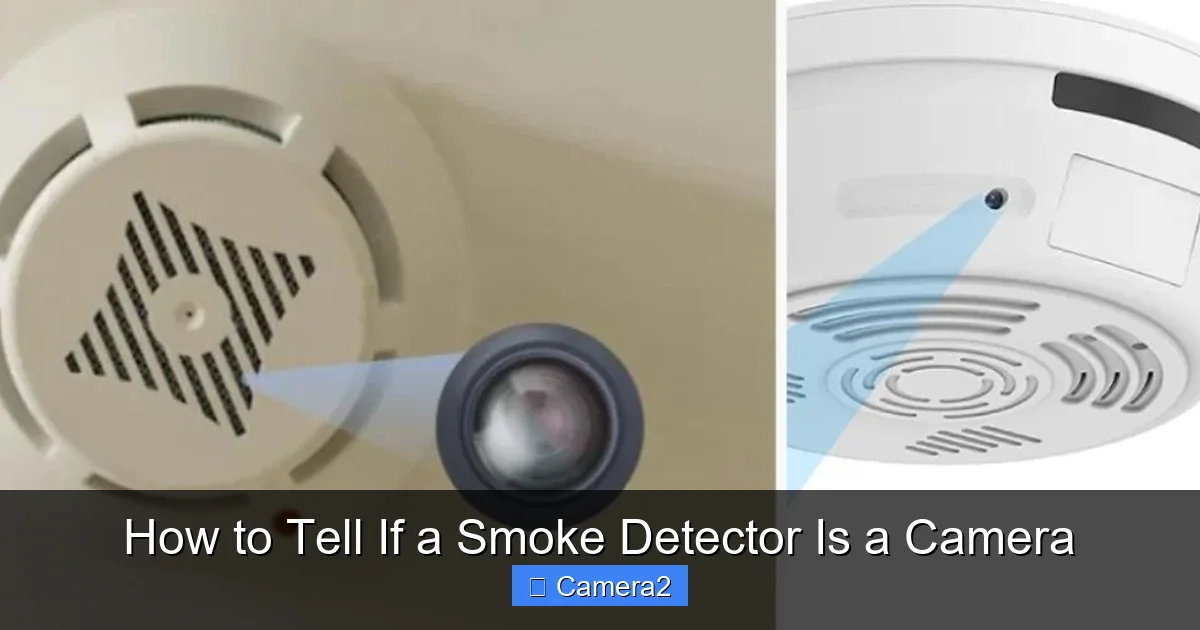
The most obvious indicator that a smoke detector could be a camera is a small, clear glass piece or a pin‑hole that looks out of place. Real smoke detectors usually have a smooth, matte finish with no reflective surfaces.
Visual guide about How to Tell If a Smoke Detector Is a Camera
Image source: dfellavideo.com
- Look for a circular glass disc about 5‑10 mm in diameter.
- Check for a tiny black dot—often a lens cover for a hidden camera.
- Use a flashlight at an angle; a lens will reflect light differently than plastic.
1.2 Examine the Shape and Mounting
Most standard smoke detectors are round or rectangular with a vent pattern for air flow. Spy versions sometimes have a slightly bulkier body to house a sensor and a lens.
- If the device feels heavier than usual, that could be a clue.
- Look for seams or screw caps that seem unusually tight.
1.3 Look for Infrared (IR) LEDs
Many covert cameras use IR LEDs for night vision. Turn off the lights and use your smartphone camera; IR LEDs appear as faint purple or white dots.
Tip: Point your phone’s camera directly at the detector. If you see a small glowing point that’s not visible to the naked eye, you may have found an IR LED.
2. Wiring and Power Checks
2.1 Follow the Cables
Traditional smoke detectors are powered by a 9‑volt battery or a simple low‑voltage AC line. A camera needs more power and often a data cable (Ethernet or coax). Open the detector (after turning off power at the breaker) and look at the wiring.
Visual guide about How to Tell If a Smoke Detector Is a Camera
Image source: resemom.jp
- Extra thick wires or a separate power plug can indicate video equipment.
- Presence of a network cable (RJ‑45) is a strong sign of a camera.
2.2 Check for a Battery Pack
Most smoke detectors have a removable battery compartment. If the compartment is sealed or missing, the unit may be hard‑wired for continuous power—a requirement for most cameras.
2.3 Use a Multimeter (Optional)
If you’re comfortable with basic electronics, a multimeter can confirm voltage levels. Cameras often run on 5 V or 12 V DC, while smoke detectors usually run on 9 V DC. Different readings can be a hint.
3. Smartphone and App Techniques
3.1 IR Detection Apps
There are free apps that turn your phone into an IR detector. Simply launch the app, point at the ceiling, and watch for glowing spots. This method works even in daylight.
Visual guide about How to Tell If a Smoke Detector Is a Camera
Image source: safetywish.com
3.2 Network Scanners
If the device is connected to Wi‑Fi, a network scanner (like Fing) can reveal an unknown IP address broadcasting video. Look for devices named “camera,” “IPCam,” or anything unfamiliar.
3.3 Audio Detection
Some spy smoke detectors also capture audio. Use a sound‑meter app to see if the unit emits a low‑level hum when powered—another red flag.
4. Legal and Ethical Considerations
4.1 What the Law Says
In most U.S. states, installing a camera in a private area without consent is illegal. However, a homeowner can legally place cameras in their own home. The problem arises when a device is hidden in a location where occupants expect privacy, like a bedroom or bathroom.
For a deeper dive on camera legality in specific settings, read our article on Is It Illegal To Have A Camera In A Classroom.
4.2 Employer and Rental Situations
Landlords must disclose surveillance devices. If you’re renting and suspect a hidden camera, you have the right to request an inspection.
4.3 Privacy‑First Practices
- Always ask for consent before installing any camera.
- Label devices clearly if they serve dual purposes (e.g., smoke detection + security).
- Store recorded footage securely and delete it when no longer needed.
5. Practical Steps to Confirm or Dispel Suspicion
5.1 Power‑Down Test
Turn off the circuit breaker for the detector, then watch the device. If a small LED or indicator stays on, it may be drawing power from another source—possible for a camera.
5.2 Cover the Vent
Temporarily cover the smoke detector’s vent with a piece of tape. If the alarm still sounds, you’ve likely disabled the smoke sensor, indicating the device may be something else.
5.3 Use a Mirror
Hold a small hand mirror at an angle to see inside the housing. You might spot a lens or circuit board that isn’t part of a typical detector.
5.4 Call a Professional
If you’re still unsure, hire a licensed electrician or a security specialist. They can safely open the unit and verify its components.
6. What to Do If You Find a Spy Camera
6.1 Document the Evidence
Take photos of the device, note the location, and record any serial numbers. This documentation is essential if you need to involve law enforcement.
6.2 Report to Authorities
Contact local police or a consumer protection agency. In many jurisdictions, unauthorized surveillance is a criminal offense.
6.3 Replace the Device
Remove the suspicious unit and replace it with a certified smoke detector. Make sure the new device meets local fire safety standards.
6.4 Strengthen Home Security
Consider installing a visible security camera system. Visible cameras deter hidden ones and give you control over what is recorded.
Conclusion: Stay Curious, Stay Safe
Finding out how to tell if a smoke detector is a camera doesn’t require special gadgets—just a keen eye, a few simple tools, and a bit of curiosity. By following the visual checks, wiring inspections, and smartphone tricks outlined above, you can protect your privacy and act confidently whether you discover a harmless detector or an unwanted spy.
Remember, knowledge is power. Keep this guide handy, share it with friends, and enjoy a home that’s both safe from fire and free from hidden eyes.
Frequently Asked Questions
Can a smoke detector really contain a hidden camera?
Yes. Modern spy gadgets are often disguised as everyday items, and a smoke detector is a popular choice because it’s usually placed high on the ceiling where a camera has a good view.
What is the easiest visual clue that a detector is a camera?
The presence of a tiny glass lens or a pin‑hole that looks different from the vent openings is the most straightforward sign.
Do all hidden cameras need extra wiring?
Most video devices need more power than a standard battery‑operated smoke detector, so you’ll often see extra or thicker wires, or a dedicated power plug.
Is it illegal to install a hidden camera in my own home?
Generally it’s legal to place cameras in your own private spaces, but hiding them in areas where guests expect privacy (like bathrooms) can violate state privacy laws.
Can I use my smartphone to detect an infrared LED?
Yes. Point your phone’s camera at the detector in a dark room; IR LEDs appear as faint purple or white dots that the naked eye can’t see.
What should I do if I discover a spy camera in a smoke detector?
Document the device, report it to local law enforcement, and replace it with a certified smoke detector. Consider consulting a professional electrician for safe removal.