How to Unlock My Laptop Mouse

Dealing with a frozen or locked laptop mouse can bring your productivity to a grinding halt. This comprehensive guide walks you through every possible method to unlock your laptop mouse, from simple keyboard shortcuts to advanced system settings. Whether your touchpad is disabled or an external mouse has stopped responding, you’ll find the fix right here.
Key Takeaways
- Keyboard shortcuts are your first line of defense: Most laptops use a function key combination (like Fn + F3) to toggle the touchpad on and off.
- Check your operating system settings: Windows, macOS, and ChromeOS all have built-in settings to enable or disable the touchpad and pointing devices.
- External mice need different troubleshooting: If you’re asking “how to unlock my laptop mouse” for a USB or wireless mouse, the solution involves checking connections, drivers, and Bluetooth settings.
- Driver issues are a common culprit: Outdated or corrupted mouse and touchpad drivers can cause your device to become unresponsive.
- Physical switches and hardware buttons exist: Some laptops have a physical button or switch near the touchpad to enable or disable it.
- Restart as a universal fix: A simple reboot can resolve many temporary glitches that cause your laptop mouse to lock up.
- Know when to seek professional help: If none of these software fixes work, you may be dealing with a hardware issue that requires repair.
📑 Table of Contents
- Introduction: Why Did My Laptop Mouse Lock Up?
- Method 1: Use the Keyboard Shortcut to Unlock Your Laptop Mouse
- Method 2: Enable Your Laptop Mouse Through Windows Settings
- Method 3: Unlock Your Mouse on macOS (Trackpad Settings)
- Method 4: Troubleshoot an External USB or Wireless Mouse
- Method 5: Update or Reinstall Your Mouse Drivers
- Method 6: Restart Your Laptop (The Classic Fix)
- Method 7: Check for Physical Switches and Hardware Issues
- Method 8: Advanced Troubleshooting and System Fixes
- Conclusion: Get Your Laptop Mouse Working Again
Introduction: Why Did My Laptop Mouse Lock Up?
Picture this: you’re in the middle of an important project, your deadline is looming, and suddenly your laptop mouse decides to stop working. The cursor won’t move. The touchpad is unresponsive. Or maybe your external wireless mouse has gone completely silent. It’s one of the most frustrating tech problems you can face, especially when you need to get things done quickly.
If you’ve found yourself typing “how to unlock my laptop mouse” into a search engine, you’re definitely not alone. Thousands of laptop users deal with this exact issue every single day. The good news is that in most cases, a locked laptop mouse is a temporary problem with a straightforward solution. You don’t need to be a tech expert to fix it.
In this guide, we’re going to cover every possible reason your laptop mouse might be locked and, more importantly, every possible way to unlock it. Whether you’re using a Windows laptop, a MacBook, or a Chromebook, and whether you’re dealing with a built-in touchpad or an external mouse, we’ve got you covered. Let’s dive in and get your cursor moving again.
Method 1: Use the Keyboard Shortcut to Unlock Your Laptop Mouse
The fastest and most common way to unlock a laptop mouse is by using a keyboard shortcut. Almost every laptop manufacturer includes a function key combination that toggles the touchpad on and off. It’s very easy to accidentally press this combination without realizing it, which is why so many people suddenly find their touchpad unresponsive.

Visual guide about How to Unlock My Laptop Mouse
Image source: thumbs.dreamstime.com
How to Find the Right Function Key
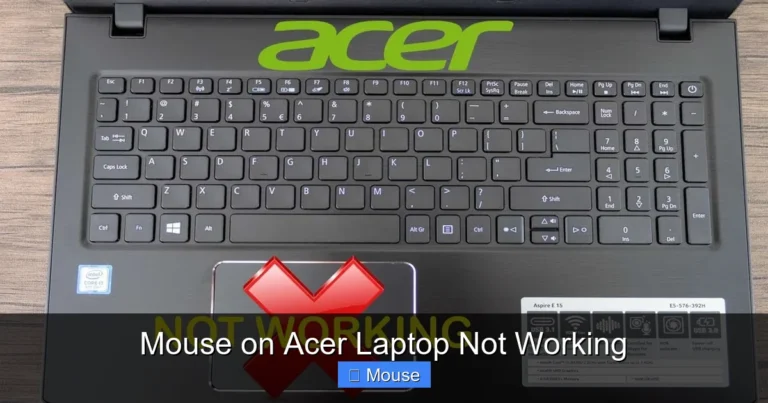
Look across the top row of your keyboard at the function keys (F1 through F12). One of these keys will have a small icon that looks like a touchpad or a mouse. Common keys include F3, F5, F7, F9, and F11, depending on your laptop brand. On HP laptops, for example, you might see the touchpad icon on the F5 key. On Dell laptops, it’s often F3 or F3.
To activate the shortcut, hold down the “Fn” key (usually located in the bottom-left corner of your keyboard) and press the corresponding function key. For instance, on many laptops, pressing Fn + F3 will toggle your touchpad. You should see an on-screen notification confirming that your touchpad has been enabled or disabled.
If you’re using an HP laptop specifically, you can check out this detailed guide on how to unlock touch mouse on HP laptop for model-specific instructions. HP laptops sometimes have a double-tap feature on the top-left corner of the touchpad that can also toggle it on and off.
What If the Shortcut Doesn’t Work?
Sometimes the function key shortcut doesn’t respond. This could mean your function keys are locked in “media mode” rather than “function mode.” Look for a key labeled “Fn Lock” or “F Lock” on your keyboard. Pressing Fn + Esc (or a similar combination) can switch between these modes. Try the touchpad toggle shortcut again after switching modes.
Also, make sure your keyboard drivers are up to date. Outdated drivers can prevent function key shortcuts from working properly. We’ll cover driver updates in more detail later in this guide.
Method 2: Enable Your Laptop Mouse Through Windows Settings
If the keyboard shortcut doesn’t do the trick, your next step should be checking your operating system settings. Windows gives you full control over your touchpad and pointing devices, and sometimes these settings get changed without your knowledge.

Visual guide about How to Unlock My Laptop Mouse
Image source: c8.alamy.com
Windows 10 Touchpad Settings
Here’s how to check and enable your touchpad in Windows 10:
- Click the Start button and open Settings (the gear icon).
- Go to Devices.
- Select Touchpad from the left sidebar.
- Make sure the toggle at the top says “Touchpad: On”.
- While you’re here, check the box that says “Leave touchpad on when a mouse is connected” if you want both devices to work simultaneously.
Windows 11 Touchpad Settings
For Windows 11 users, the process is very similar:
- Open Settings by pressing Windows + I.
- Click on Bluetooth & devices.
- Select Touchpad from the menu.
- Ensure the touchpad toggle is turned On.
- Explore the additional settings to customize gestures and sensitivity to your preference.
Device Manager Method
Another way to unlock your laptop mouse through Windows is by using the Device Manager:
- Right-click the Start button and select Device Manager.
- Expand the section called “Mice and other pointing devices” or “Human Interface Devices”.
- Look for your touchpad (it might be listed as “Synaptics TouchPad,” “ELAN TouchPad,” or simply “HID-compliant mouse”).
- If you see a down arrow icon on any of these devices, it means the device is disabled. Right-click on it and select “Enable device.”
For a more detailed walkthrough of this process, you can also read our guide on how to unlock laptop mouse, which covers additional troubleshooting steps.
Method 3: Unlock Your Mouse on macOS (Trackpad Settings)
Mac users aren’t immune to mouse lock issues. If you’re using a MacBook and your trackpad isn’t responding, here’s how to check and adjust your settings.

Visual guide about How to Unlock My Laptop Mouse
Image source: i.pinimg.com
System Preferences on macOS Ventura and Earlier
- Click the Apple menu and select System Preferences.
- Click on Trackpad.
- Under the Point & Click tab, make sure “Tap to click” is enabled if you want to tap the trackpad to click.
- Check that “Tracking speed” isn’t set to the lowest setting, which can make it seem like the trackpad isn’t responding.
System Settings on macOS Sonoma and Later
On newer versions of macOS, the process is slightly different:
- Click the Apple menu and open System Settings.
- Scroll down and click Trackpad.
- Adjust the “Tracking speed” slider and ensure all desired gestures are turned on.
- Make sure the “Force Click and haptic feedback” option is configured to your liking.
Check for macOS Accessibility Settings
macOS has accessibility features that can sometimes interfere with trackpad functionality. Go to System Settings > Accessibility > Pointer Control and make sure no alternative pointer control methods are accidentally enabled that might override your trackpad.
Method 4: Troubleshoot an External USB or Wireless Mouse
Sometimes when people ask “how to unlock my laptop mouse,” they’re actually dealing with an external mouse that has stopped working. External mice — whether USB wired or Bluetooth wireless — require a different set of troubleshooting steps.

Visual guide about How to Unlock My Laptop Mouse
Image source: images.clipartpanda.com
USB Mouse Troubleshooting
If your USB mouse has stopped working, follow these steps:
- Try a different USB port: The port itself might be the issue. Plug the mouse into another USB port and see if it responds.
- Check the physical connection: Make sure the USB plug is fully inserted and there’s no debris in the port.
- Test on another computer: Plug the mouse into a different computer to determine if the problem is with the mouse or the laptop.
- Check Device Manager: Open Device Manager, find your mouse under “Mice and other pointing devices,” and see if there’s a yellow warning icon. If so, right-click and select “Update driver.”
Wireless Mouse Troubleshooting
For wireless mice, the troubleshooting process is a bit more involved:
- Check the batteries: Dead or low batteries are the number one reason wireless mice stop working. Replace them with fresh ones.
- Reconnect the USB receiver: Unplug the wireless receiver, wait 10 seconds, and plug it back in.
- Re-pair via Bluetooth: If your mouse connects via Bluetooth, go to your Bluetooth settings, remove the mouse, and pair it again.
- Check for interference: Other wireless devices, USB 3.0 ports, and even microwaves can interfere with wireless mouse signals. Move the receiver closer to the mouse or away from potential sources of interference.
If you need help specifically with connecting a wireless mouse, our guide on how to connect wireless mouse to a laptop provides a complete step-by-step process for various connection types.
Method 5: Update or Reinstall Your Mouse Drivers
Device drivers are the software that allows your operating system to communicate with your hardware. When these drivers become outdated, corrupted, or incompatible, your laptop mouse can stop working entirely. This is one of the most common underlying causes of a locked or unresponsive mouse.

Visual guide about How to Unlock My Laptop Mouse
Image source: onlinevgames.com
How to Update Mouse Drivers in Windows
- Open Device Manager by right-clicking the Start button.
- Expand “Mice and other pointing devices.”
- Right-click on your mouse or touchpad device and select “Update driver.”
- Choose “Search automatically for drivers” and let Windows find and install the latest version.
- Restart your computer after the update is complete.
How to Reinstall Mouse Drivers
If updating doesn’t work, a clean reinstall might be necessary:
- In Device Manager, right-click your mouse device and select “Uninstall device.”
- Check the box that says “Delete the driver software for this device” if it appears.
- Click “Uninstall” and then restart your computer.
- Windows will automatically reinstall the default drivers upon reboot.
Downloading Drivers from the Manufacturer’s Website
For the best results, download the latest drivers directly from your laptop manufacturer’s website. Visit the support section of the HP, Dell, Lenovo, ASUS, or Acer website (depending on your laptop brand), enter your model number, and download the latest touchpad or pointing device driver. Install it and restart your laptop.
Method 6: Restart Your Laptop (The Classic Fix)
It sounds almost too simple, but restarting your laptop resolves a surprising number of mouse-related issues. A reboot clears temporary software glitches, resets hardware connections, and refreshes all the drivers and services that your mouse depends on.

Visual guide about How to Unlock My Laptop Mouse
Image source: hdqwalls.com
When a Restart Is the Right Move
You should definitely try restarting your laptop if:
- Your mouse was working fine and suddenly stopped without any apparent reason.
- You’ve recently installed software or updates that might have changed system settings.
- Keyboard shortcuts and settings adjustments haven’t resolved the issue.
- Your laptop has been running for days or weeks without a restart.
How to Restart Without a Mouse
Here’s the tricky part: what do you do if your mouse is locked and you need to restart? Don’t worry — you can navigate entirely with your keyboard:
- Windows: Press Ctrl + Alt + Delete, then use the Tab and arrow keys to navigate to the power icon in the bottom-right corner. Select “Restart” with the Enter key.
- Alternate method: Press Alt + F4 from the desktop. This opens the shutdown menu. Use the arrow keys to select “Restart” and press Enter.
- Mac: Press Control + Command + Power button to restart. Or use Control + Command + Eject on older Macs.
After your laptop restarts, check if your mouse is working. In many cases, the problem will have resolved itself.
Method 7: Check for Physical Switches and Hardware Issues
Not all laptop mouse problems are software-related. Sometimes the issue is entirely physical. It’s worth checking a few hardware-related possibilities before assuming you need professional repair.

Visual guide about How to Unlock My Laptop Mouse
Image source: custom-images.strikinglycdn.com
Physical Touchpad Switches
Some laptops have a physical switch or button that disables the touchpad. This is more common on older models but can still be found on some current laptops. Look around the edges of your laptop, near the touchpad area, for a small sliding switch. If you find one, make sure it’s in the “On” position.
As mentioned earlier, many modern laptops have a touch-sensitive area on the touchpad itself — usually the top-left corner — that acts as a toggle. A double-tap on this area can enable or disable the touchpad. If you see a small LED indicator near the touchpad, it’s likely orange or red when the touchpad is disabled and off or white when enabled.
Check for Physical Damage
Inspect your touchpad and any external mouse for signs of physical damage:
- Cracks or scratches on the touchpad surface
- Swollen batteries in a wireless mouse (remove the battery cover and check)
- Bent or broken USB connector on a wired mouse
- Loose or damaged cable on a wired mouse
Overheating Issues
Believe it or not, an overheating laptop can cause the touchpad to become unresponsive. If your laptop feels unusually hot, let it cool down for 15-20 minutes before trying to use the mouse again. Make sure the vents are not blocked and consider using a cooling pad for better airflow.
Method 8: Advanced Troubleshooting and System Fixes
If you’ve tried everything above and your laptop mouse is still locked, it’s time to dig a bit deeper. These advanced methods can resolve more stubborn issues.
Visual guide about How to Unlock My Laptop Mouse
Image source: vacareers.va.gov
Run the Windows Hardware Troubleshooter
Windows includes a built-in troubleshooter that can automatically detect and fix hardware problems:
- Open Settings > Update & Security > Troubleshoot (Windows 10) or Settings > System > Troubleshoot (Windows 11).
- Select “Hardware and Devices” or “Other troubleshooters.”
- Run the troubleshooter and follow the on-screen instructions.
- Apply any recommended fixes and restart your laptop.
Check for Windows Updates
Sometimes a Windows update can fix bugs that are causing your mouse to malfunction. Go to Settings > Windows Update and click “Check for updates.” Install all available updates and restart your computer.
Disable Fast Startup
Windows Fast Startup can sometimes cause hardware initialization issues, including mouse problems. To disable it:
- Open Control Panel > Power Options.
- Click “Choose what the power buttons do.”
- Click “Change settings that are currently unavailable.”
- Uncheck “Turn on fast startup” and save your changes.
- Restart your laptop.
System Restore
If your mouse stopped working after a recent software installation or update, a System Restore might be the solution. This rolls your computer back to a previous state when everything was working correctly:
- Search for “Create a restore point” in the Windows search bar.
- Click “System Restore” and follow the wizard.
- Choose a restore point from before the problem started.
- Complete the restore process and check if your mouse is working.
Conclusion: Get Your Laptop Mouse Working Again
A locked laptop mouse doesn’t have to ruin your day. As we’ve covered in this guide, there are numerous ways to unlock your laptop mouse, from a simple keyboard shortcut to more advanced system troubleshooting. The key is to start with the easiest solutions and work your way up.

Visual guide about How to Unlock My Laptop Mouse
Image source: isangate.com
Remember to always try the Fn key combination first, then check your operating system settings, and finally move on to driver updates and hardware checks. In the vast majority of cases, one of these methods will get your cursor moving again in just a few minutes.
If you’ve exhausted every option in this guide and your mouse is still not working, it might be time to consult a professional technician. There could be a hardware failure that requires repair or replacement. But for most people, the solutions above will do the trick and save you a trip to the repair shop.
Now that you know how to unlock your laptop mouse, you’ll be prepared the next time this frustrating issue pops up. Bookmark this page so you can quickly reference it whenever you need it, and never let a locked mouse slow you down again!
Frequently Asked Questions
Why is my laptop touchpad not working?
Your laptop touchpad might be disabled through a keyboard shortcut, turned off in your system settings, or experiencing a driver issue. Start by pressing the Fn key along with the touchpad function key (usually F3, F5, or F9) to toggle it back on. If that doesn’t work, check your Windows or macOS touchpad settings to ensure it’s enabled.
How do I unlock my mouse on an HP laptop?
On most HP laptops, you can unlock the touchpad by double-tapping the top-left corner of the touchpad where a small LED indicator is located. Alternatively, press Fn + F5 (or whichever F-key has the touchpad icon) to toggle the touchpad on. You can also enable it through Windows Settings under Devices > Touchpad.
Can a locked laptop mouse be caused by a virus?
Yes, in rare cases, malware or a virus can interfere with your laptop’s hardware drivers, including your mouse or touchpad. If your mouse stopped working after downloading suspicious files or visiting unsafe websites, run a full system scan using your antivirus software. Removing the malicious software should restore your mouse functionality.
How do I use my laptop without a mouse if it’s locked?
You can navigate your laptop entirely using keyboard shortcuts. Use Tab to move between elements, Enter to select, and arrow keys to navigate menus. On Windows, press Alt + Tab to switch between open applications. You can also enable Mouse Keys in accessibility settings, which lets you control the cursor using the numeric keypad.
Why does my external mouse keep disconnecting from my laptop?
An external mouse that keeps disconnecting may have a low battery (for wireless models), a loose USB connection, or outdated drivers. Try replacing the batteries, plugging the receiver into a different USB port, or updating the mouse drivers through Device Manager. If it’s a Bluetooth mouse, try removing and re-pairing the device.
Will a factory reset fix my locked laptop mouse?
A factory reset can fix a locked laptop mouse if the issue is caused by software problems, corrupted drivers, or incorrect settings. However, this should be your last resort because it erases all your data and installed programs. Before doing a factory reset, try all the other troubleshooting methods mentioned in this guide, including driver reinstallation and System Restore.