How to Use the Mouse on a Laptop

Learning how to use the mouse on a laptop is one of the most essential skills for any computer user. Whether you rely on the built-in touchpad or prefer an external mouse, understanding the basics of navigation, clicking, scrolling, and customization will make your daily computing experience smoother and more efficient. This guide covers everything from fundamental touchpad gestures to connecting wireless mice and troubleshooting common problems.
Key Takeaways
- Touchpad Basics: The built-in touchpad on every laptop functions as your primary mouse, allowing you to move the cursor, click, scroll, and perform multi-finger gestures for advanced navigation.
- External Mouse Options: You can connect a USB or wireless mouse to your laptop for more precision and comfort, especially for gaming, design work, or extended use.
- Customization Settings: Both Windows and macOS allow you to adjust mouse sensitivity, scroll direction, tap-to-click behavior, and gesture controls to match your preferences.
- Common Troubleshooting: If your mouse or touchpad stops working, simple fixes like checking settings, updating drivers, or restarting your laptop usually resolve the issue.
- Keyboard Shortcuts: Learning keyboard alternatives for mouse functions helps you stay productive when your mouse or touchpad is unavailable.
- Maintenance Tips: Keeping your touchpad clean and your mouse drivers updated ensures smooth and reliable performance over time.
- Accessibility Features: Both operating systems offer accessibility options that make mouse navigation easier for users with different physical needs.
📑 Table of Contents
- Introduction: Why Learning to Use Your Laptop Mouse Matters
- Understanding Your Laptop’s Built-In Touchpad
- How to Connect an External Mouse to Your Laptop
- Customizing Your Mouse and Touchpad Settings
- Troubleshooting Common Mouse and Touchpad Problems
- Using Your Laptop Without a Mouse: Keyboard Alternatives
- Tips for Maintaining Your Mouse and Touchpad
- Advanced Mouse Features and Accessibility Options
- Conclusion: Mastering Your Laptop Mouse for a Better Computing Experience
Introduction: Why Learning to Use Your Laptop Mouse Matters
Let’s be honest. Most of us take the mouse for granted until something goes wrong. You sit down at your laptop, ready to get work done, and suddenly the cursor won’t move or the touchpad feels unresponsive. Frustrating, right? The truth is, understanding how to use the mouse on a laptop properly can save you a ton of headaches and make your entire computing experience more enjoyable.
Whether you’re a student writing your first research paper, a professional working from home, or someone who just bought their very first laptop, this guide is for you. We’ll walk through everything from the basics of using your touchpad to connecting an external mouse and customizing your settings. No jargon. No confusing tech talk. Just clear, simple instructions that anyone can follow.
By the end of this article, you’ll feel confident navigating your laptop with ease. You’ll know how to click, scroll, drag, and even perform advanced gestures that most people don’t know exist. Let’s dive in!
Understanding Your Laptop’s Built-In Touchpad
What Is a Touchpad and How Does It Work?
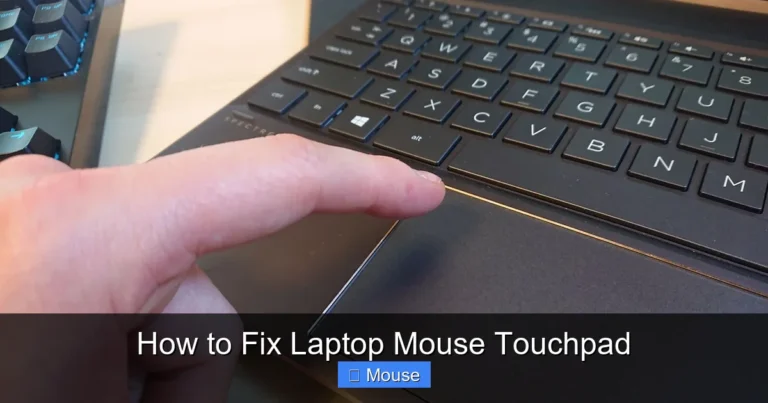
The touchpad is that flat, rectangular surface located just below your keyboard. It’s essentially a built-in mouse that detects the movement of your finger across its surface. When you slide your finger across the touchpad, the cursor on your screen moves in the same direction. It’s simple, intuitive, and designed to be your primary pointing device.

Visual guide about How to Use the Mouse on a Laptop
Image source: easydrawingguides.com
Most modern touchpads are made of a smooth, slightly textured material that responds to light pressure. They use capacitive sensing technology, which means they detect the electrical charge from your fingertip. This is why the touchpad won’t work if you’re wearing thick gloves or using a non-conductive object.
The Basic Touchpad Layout
Every laptop touchpad has a similar layout, though the exact design may vary slightly between brands. Here’s what you’ll typically find:
- Touch Surface: The main area where you move your finger to control the cursor.
- Left Click Button: Usually located at the bottom-left of the touchpad. Some laptops integrate this into the touchpad surface itself.
- Right Click Button: Located at the bottom-right, this opens context menus and additional options.
- Scroll Zone: Many touchpads have a designated strip on the right side for vertical scrolling, though most modern touchpads support two-finger scrolling across the entire surface.
Some laptops, especially those from Apple, Dell, and Lenovo, feature a “clickpad” design where the entire touchpad surface acts as a button. You press down on the lower-left area for a left click and the lower-right area for a right click.
Essential Touchpad Gestures Everyone Should Know
Once you understand the basics, it’s time to level up your touchpad game. Modern touchpads support a variety of gestures that can dramatically speed up your workflow:
- Single Tap: Tap once on the touchpad to select an item or activate a button.
- Double Tap: Tap twice quickly to open a file or folder.
- Two-Finger Tap: Tap with two fingers simultaneously to open the right-click context menu.
- Two-Finger Scroll: Place two fingers on the touchpad and slide them up or down to scroll through pages. Slide left or right to scroll horizontally.
- Pinch to Zoom: Place two fingers on the touchpad and pinch them together to zoom out, or spread them apart to zoom in. This works great in photo viewers, maps, and web browsers.
- Three-Finger Swipe: On many laptops, swiping up with three fingers opens the task view or desktop overview. Swiping down minimizes all windows.
- Four-Finger Tap: On some systems, this opens the notification center or action center.
These gestures might feel awkward at first, but with a little practice, they become second nature. I promise you’ll wonder how you ever lived without them.
How to Connect an External Mouse to Your Laptop
Why Use an External Mouse?
While the touchpad is convenient, there are plenty of reasons to use an external mouse. If you spend hours working on spreadsheets, editing photos, or playing games, a physical mouse offers better precision and reduces hand fatigue. Many people simply find a traditional mouse more comfortable for extended use.
Visual guide about How to Use the Mouse on a Laptop
Image source: media.sciencephoto.com
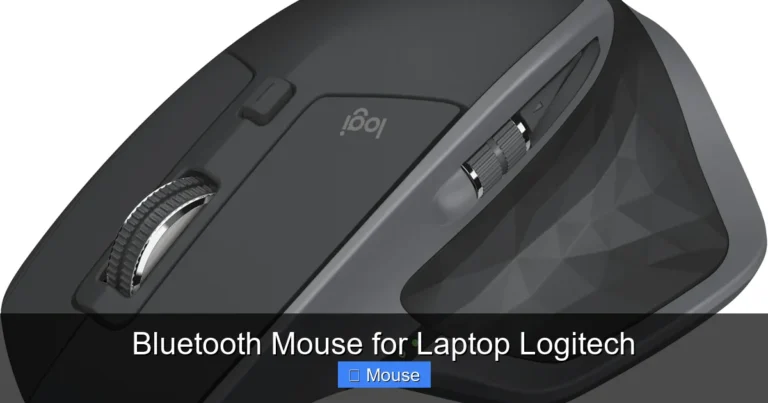
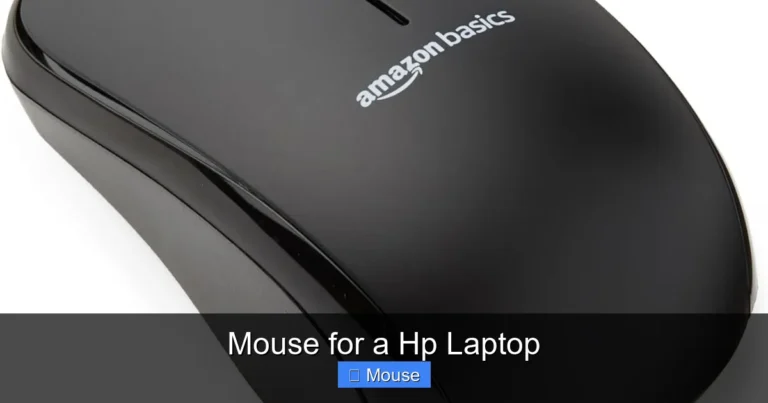
External mice also give you more buttons to work with. Most standard mice have a scroll wheel, left and right click buttons, and sometimes additional side buttons for forward and back navigation. Gaming mice can have a dozen or more programmable buttons.
Connecting a Wired USB Mouse
This is the simplest option. A wired USB mouse requires no setup, no batteries, and no pairing. Here’s how to do it:
- Locate an available USB port on your laptop. Most laptops have at least two or three USB ports on the sides.
- Plug the mouse’s USB connector into the port. It only fits one way, so don’t force it.
- Wait a few seconds. Your operating system will automatically detect the mouse and install the necessary drivers.
- That’s it! Your mouse should be ready to use immediately.
If your laptop only has USB-C ports, you’ll need a USB-C to USB-A adapter. These are inexpensive and widely available online or at any electronics store.
Connecting a Wireless Mouse
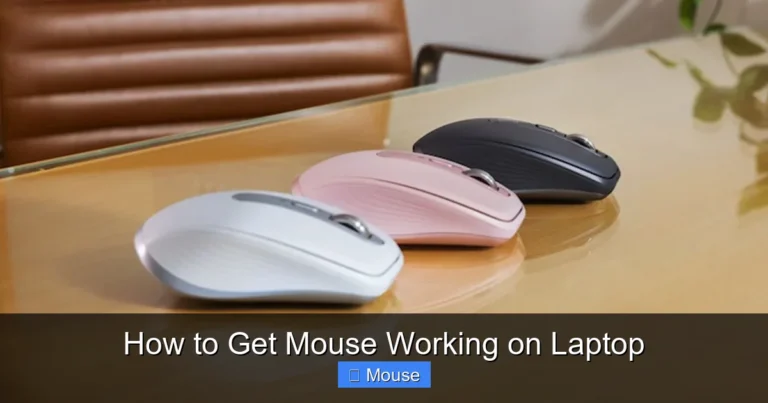
Wireless mice offer the freedom of movement without a cable getting in the way. There are two main types: Bluetooth mice and RF (radio frequency) mice that use a USB receiver.
For a USB Receiver Mouse:
- Insert the small USB receiver into an available USB port on your laptop.
- Turn on the mouse using the power switch, usually located on the bottom.
- The mouse should connect automatically within a few seconds.
- If it doesn’t work right away, try pressing the connect button on the bottom of the mouse.
For a Bluetooth Mouse:
- Open your laptop’s Bluetooth settings. On Windows, go to Settings > Bluetooth & devices. On macOS, go to System Settings > Bluetooth.
- Make sure Bluetooth is turned on.
- Put your mouse into pairing mode. This usually involves holding down a button on the bottom of the mouse until a light starts blinking.
- Your mouse should appear in the list of available devices. Click on it to pair.
- Once paired, your mouse will connect automatically whenever it’s turned on and within range.
If you run into trouble during the pairing process, check out our guide on how to connect a wireless mouse to your laptop for more detailed troubleshooting steps.
Customizing Your Mouse and Touchpad Settings
Adjusting Mouse Sensitivity and Speed
One of the first things you should do after setting up your mouse is adjust the sensitivity. If the cursor moves too fast, you’ll overshoot your targets. Too slow, and you’ll be dragging your finger across the touchpad repeatedly just to get across the screen.
On Windows:
- Open Settings by pressing the Windows key + I.
- Go to Bluetooth & devices > Mouse.
- Adjust the “Mouse speed” slider to your preference.
- You can also change the scroll speed and whether you want to scroll multiple lines or an entire screen at a time.
On macOS:
- Open System Settings from the Apple menu.
- Click on Mouse or Trackpad, depending on what you’re using.
- Adjust the “Tracking speed” slider to control cursor sensitivity.
- You can also adjust scroll speed and double-click speed here.
Customizing Touchpad Gestures
Both Windows and macOS let you customize which gestures are enabled and what they do. This is especially useful if you find certain gestures triggering accidentally or if you want to enable gestures that are turned off by default.
On Windows: Go to Settings > Bluetooth & devices > Touchpad. Here you can toggle individual gestures on or off, adjust sensitivity, and configure what three-finger and four-finger gestures do.
On macOS: Go to System Settings > Trackpad. You’ll find separate tabs for Point & Click, Scroll & Zoom, and More Gestures. Each section lets you enable or disable specific gestures and see a video demonstration of how they work.
Changing Scroll Direction
By default, macOS uses “natural” scrolling, which means content follows your finger movement (like on an iPhone). Windows uses traditional scrolling, where you scroll up to move content up. If you prefer one style over the other, you can easily change it in your settings.
On Windows, look for “Scroll direction” in the mouse settings. On macOS, toggle “Natural scrolling” in the Trackpad settings. This small change can make a big difference in how comfortable your laptop feels to use.
Troubleshooting Common Mouse and Touchpad Problems
My Touchpad Isn’t Working at All
This is probably the most common issue laptop users face. Before you panic, try these simple fixes:
Visual guide about How to Use the Mouse on a Laptop
Image source: cs1.animestore.docomo.ne.jp
- Check if the touchpad is disabled: Many laptops have a function key (usually F5, F7, or F9) with a touchpad icon. Press Fn + that key to toggle the touchpad on and off. You might have accidentally turned it off.
- Restart your laptop: A simple restart fixes a surprising number of issues. It clears temporary glitches and reloads drivers.
- Check your settings: Go to your touchpad settings and make sure the touchpad is enabled. Sometimes updates or software changes can disable it.
- Update your drivers: Outdated or corrupted drivers can cause the touchpad to stop working. Go to Device Manager (Windows) or check for system updates (macOS) to ensure your drivers are current.
If none of these steps work, you may need to look into how to fix a touchpad mouse on your laptop with more advanced troubleshooting techniques.
My Cursor Is Moving Erratically
A jittery or unpredictable cursor is usually caused by one of these issues:
- Dirt or moisture on the touchpad: Clean the surface gently with a soft, slightly damp cloth. Make sure your fingers are clean and dry before using the touchpad.
- Palm rejection issues: If your palm is touching the touchpad while you type, it can cause the cursor to jump around. Adjust the palm rejection settings in your touchpad configuration.
- Electromagnetic interference: If you’re using a wireless mouse, other wireless devices nearby can cause interference. Try moving other devices away or switching the mouse to a different USB port.
My External Mouse Isn’t Being Recognized
If you’ve plugged in an external mouse and nothing happens, try these steps:
- Unplug the mouse and plug it into a different USB port.
- If it’s a wireless mouse, replace the batteries or charge it fully.
- Restart your laptop with the mouse connected.
- Check Device Manager (Windows) to see if the mouse appears under “Mice and other pointing devices.” If you see a yellow warning icon, right-click and select “Update driver.”
- Try the mouse on a different computer to rule out a hardware problem.
For more help with this specific issue, our article on how to get the mouse back on a laptop covers additional solutions in detail.
Accidental Clicks While Typing
Nothing is more frustrating than accidentally clicking somewhere in your document while you’re typing. Most laptops have a setting that temporarily disables the touchpad while you’re typing. Look for this option in your touchpad settings under names like “Disable touchpad while typing” or “Palm check.” Turn it on, and your typing experience will improve dramatically.
Using Your Laptop Without a Mouse: Keyboard Alternatives
Essential Keyboard Shortcuts for Navigation
There may be times when your mouse or touchpad isn’t available. Maybe the battery died, or the touchpad is malfunctioning. Knowing keyboard shortcuts can keep you productive in these situations.
Basic Navigation Shortcuts:
- Tab: Move between interactive elements on a webpage or dialog box.
- Arrow Keys: Navigate through menus, options, and text.
- Enter: Activate a selected button or open a selected item.
- Escape: Close a dialog box or cancel an action.
- Alt + Tab (Windows) / Command + Tab (macOS): Switch between open applications.
Text Editing Without a Mouse:
- Ctrl + C / Command + C: Copy selected text.
- Ctrl + V / Command + V: Paste copied text.
- Ctrl + X / Command + X: Cut selected text.
- Ctrl + Z / Command + Z: Undo the last action.
- Ctrl + A / Command + A: Select all text.
- Ctrl + Home / Command + Up Arrow: Jump to the beginning of a document.
- Ctrl + End / Command + Down Arrow: Jump to the end of a document.
Using Mouse Keys for Cursor Control
Both Windows and macOS offer a feature called “Mouse Keys” that lets you control the cursor using the numeric keypad or specific keys on your keyboard. This is incredibly useful when your mouse is unavailable.
On Windows: Go to Settings > Accessibility > Mouse, and turn on “Mouse Keys.” You can then use the numeric keypad to move the cursor, with 8/2/4/6 for directional movement and 5 for clicking.
On macOS: Go to System Settings > Accessibility > Pointer Control > Alternate Control Methods, and enable “Mouse Keys.” Use the 7/8/9/4/6/1/2/3 keys on the numeric keypad for movement.
Learning how to right-click on a laptop without a mouse is another essential skill that can save you in a pinch.
Tips for Maintaining Your Mouse and Touchpad
Keeping Your Touchpad Clean
A clean touchpad is a responsive touchpad. Over time, oils from your skin, dust, and debris can build up on the surface, making it less sensitive and harder to use. Here’s how to keep it in top shape:

Visual guide about How to Use the Mouse on a Laptop
Image source: thumbs.dreamstime.com
- Wipe it down regularly: Use a soft, lint-free cloth slightly dampened with water or isopropyl alcohol. Never spray liquid directly onto the touchpad.
- Clean your hands: Washing your hands before using your laptop reduces the amount of oil transferred to the touchpad.
- Avoid eating at your laptop: Crumbs and food particles can get stuck around the edges of the touchpad and interfere with its operation.
- Use a keyboard cover: If you use a silicone keyboard cover, make sure it doesn’t press against the touchpad when the laptop is closed.
Maintaining an External Mouse
External mice need a little love too. Here are some maintenance tips:
- Clean the sensor: On the bottom of the mouse, there’s a small sensor (usually an LED or laser). Dust and hair can block it, causing tracking issues. Use a cotton swab to gently clean the sensor area.
- Check the feet: The small pads on the bottom of your mouse help it glide smoothly. If they’re worn down, your mouse will feel sticky and unresponsive. Replacement feet are available online for most popular mouse models.
- Replace batteries regularly: If you’re using a wireless mouse, keep spare batteries on hand. A low battery can cause lag, stuttering, or complete disconnection.
- Use a mouse pad: A good mouse pad provides a consistent surface for tracking and protects both your mouse and your desk.
Updating Drivers and Software
Outdated drivers are one of the most common causes of mouse and touchpad problems. Here’s how to keep them up to date:
On Windows: Open Device Manager by right-clicking the Start button. Expand “Mice and other pointing devices,” right-click your mouse or touchpad, and select “Update driver.” You can also visit your laptop manufacturer’s website to download the latest drivers directly.
On macOS: Apple includes touchpad and mouse drivers in system updates. Go to System Settings > General > Software Update to check for the latest updates.
Setting your system to update automatically ensures you always have the latest drivers without having to think about it.
Advanced Mouse Features and Accessibility Options
Using Mouse Acceleration
Mouse acceleration is a feature that makes the cursor move farther when you move your mouse (or finger) quickly, and shorter distances when you move slowly. This can be helpful for both precision work and fast navigation across large screens.
Some users love mouse acceleration, while others find it unpredictable. If you’re a gamer or graphic designer, you might want to turn it off for more consistent cursor movement. You can toggle this setting in your mouse properties on Windows or use third-party tools on macOS.
Accessibility Features for Easier Navigation
Both Windows and macOS include powerful accessibility features that make mouse navigation easier for users with different needs:
- Sticky Keys: Allows you to press keyboard shortcuts one key at a time instead of holding them all down simultaneously.
- Filter Keys: Ignores brief or repeated keystrokes, which is helpful for users with tremors.
- High Contrast Mode: Makes the cursor and interface elements easier to see.
- Cursor Size and Color: Both operating systems let you increase the cursor size and change its color for better visibility.
- ClickLock (Windows): Lets you highlight or drag items without holding down the mouse button. You click once to start dragging and click again to release.
These features are found in the Accessibility settings of both Windows and macOS. Don’t hesitate to explore them, even if you don’t have a specific disability. Many of these options simply make computing more comfortable for everyone.
Setting Up Multiple Mice
Did you know you can use multiple mice on the same laptop? This might sound strange, but it’s actually useful in several scenarios. For example, you might want to use a regular mouse with your right hand and a trackball with your left hand. Or you might be in a collaborative setting where two people need to control the same screen.
On Windows, simply plug in multiple mice and they’ll all control the same cursor. On macOS, the same applies. If you need independent cursors for each mouse (useful for training or presentations), you’ll need third-party software like “Pluralinput” or “MouseMux.”
Conclusion: Mastering Your Laptop Mouse for a Better Computing Experience
Learning how to use the mouse on a laptop is one of those foundational skills that pays off every single day. Whether you’re using the built-in touchpad, a wired USB mouse, or a sleek wireless model, the principles are the same: move, click, scroll, and customize to your heart’s content.

Visual guide about How to Use the Mouse on a Laptop
Image source: liveabout.com
We’ve covered a lot of ground in this guide. From understanding the basic touchpad layout to connecting external mice, customizing settings, troubleshooting problems, and even navigating without a mouse at all. The key takeaway is that you have options. If the touchpad isn’t working for you, grab an external mouse. If your settings feel off, tweak them until they’re just right. And if something goes wrong, don’t panic. Most mouse issues have simple solutions.
The best way to get comfortable with your laptop mouse is to practice. Spend a few minutes each day trying out new gestures, adjusting your settings, and exploring the features we’ve discussed. Before you know it, navigating your laptop will feel as natural as breathing. And that’s when the real productivity magic happens.
Frequently Asked Questions
How do I enable the touchpad on my laptop if it’s not working?
First, check if you accidentally disabled it using the function key (usually Fn + F5, F7, or F9, depending on your laptop model). If that doesn’t work, go to your laptop’s touchpad settings in the operating system and make sure it’s turned on. You can also check out our guide on how to unlock a mouse on a laptop for brand-specific instructions.
Can I use a regular desktop mouse with my laptop?
Absolutely! Any standard USB mouse will work with your laptop. Just plug it into an available USB port, and your laptop will recognize it automatically. If your laptop only has USB-C ports, you’ll need a simple USB-C to USB-A adapter, which costs just a few dollars.
Why is my touchpad scrolling in the wrong direction?
This is usually a settings issue. On Windows, go to Settings > Bluetooth & devices > Mouse and look for the “Scroll direction” option. On macOS, go to System Settings > Trackpad and toggle “Natural scrolling.” Changing this setting will reverse the scroll direction to match your preference.
How do I right-click on a laptop without a mouse?
You can right-click on a laptop by tapping the touchpad with two fingers simultaneously, or by pressing the bottom-right area of the touchpad. If your touchpad isn’t working, you can also use keyboard shortcuts: press Shift + F10 on Windows, or enable Mouse Keys in accessibility settings to simulate a right-click.
What should I do if my wireless mouse keeps disconnecting?
Start by replacing the batteries or fully charging your mouse. If the problem persists, try moving the USB receiver to a different port, preferably one closer to your mouse. Also, check for interference from other wireless devices like routers, Bluetooth speakers, or other wireless mice nearby. Updating your mouse drivers can also help resolve connectivity issues.
Is it better to use a touchpad or an external mouse?
It depends on your needs and preferences. The touchpad is great for portability and quick tasks, while an external mouse offers better precision and comfort for extended use. Many people use both: the touchpad when traveling and an external mouse when working at a desk. Try both options and see which feels more comfortable for your daily tasks.