Is a Camera or a Mirror More Accurate
Choosing between a camera and a mirror depends on what you need to measure. Mirrors give you instant, true‑to‑scale reflections, while cameras can capture, analyze, and correct images with software. Understanding the strengths of each tool helps you pick the right one for your project.
Key Takeaways
- Instant visual feedback: Mirrors provide real‑time reflections without lag.
- Digital analysis: Cameras allow measurement tools, filters, and corrections after the shot.
- Distortion factors: Both can introduce distortion—mirrors via curvature, cameras via lens quality.
- Lighting impact: Proper lighting is crucial for both; cameras need exposure control, mirrors need glare control.
- Portability: Small mirrors are ultra‑light; compact cameras add versatility but require power.
- Cost considerations: Plain mirrors are cheap; high‑end cameras can be pricey but offer multi‑functionality.
- Use‑case match: For quick fitting checks, mirrors win; for documentation and precise measurement, cameras excel.
📑 Table of Contents
- Introduction: Why the Question Matters
- How Mirrors Work: The Physics of True Reflection
- How Cameras Capture Images: From Lens to Sensor
- Side‑by‑Side Comparison: Accuracy Factors
- Practical Scenarios: When to Choose One Over the Other
- Tips to Maximize Accuracy with Either Tool
- Future Trends: Merging Mirror and Camera Technology
- Conclusion: The Verdict
Introduction: Why the Question Matters
Imagine you’re getting ready for a photo shoot, a DIY home project, or a medical exam. You need to know exactly how something looks or measures. Do you glance at a bathroom mirror, or do you pull out a smartphone camera? The answer isn’t always obvious. Both tools have been around for centuries, yet technology has given cameras capabilities that rival, and sometimes surpass, the simple glass of a mirror.
In this article we’ll break down the science behind reflection and imaging, compare the sources of error, and show you practical scenarios where one outperforms the other. By the end, you’ll know is a camera or a mirror more accurate for the task at hand, and you’ll have clear tips to get the most reliable results every time.
How Mirrors Work: The Physics of True Reflection
Flat vs. Curved Surfaces
A flat (plane) mirror reflects light at the same angle it arrives, preserving the size and shape of the object. This means the image you see is a one‑to‑one replica, only laterally inverted. Curved mirrors (concave or convex) bend light, creating magnified or reduced images. For most everyday accuracy, a high‑quality flat mirror is ideal.
Visual guide about Is a Camera or a Mirror More Accurate
Image source: st.depositphotos.com
Sources of Inaccuracy in Mirrors
- Surface imperfections: Scratches, warping, or low‑grade glass can distort the reflected image.
- Angle of view: Looking at a mirror from an off‑center position introduces perspective error.
- Lighting glare: Strong light sources can create hot spots that mask details.
Even a tiny warp of 0.1 mm across a 30‑cm mirror can shift a measurement by a few millimeters—enough to matter in tailoring or medical imaging.
How Cameras Capture Images: From Lens to Sensor
Lens Optics and Sensor Size
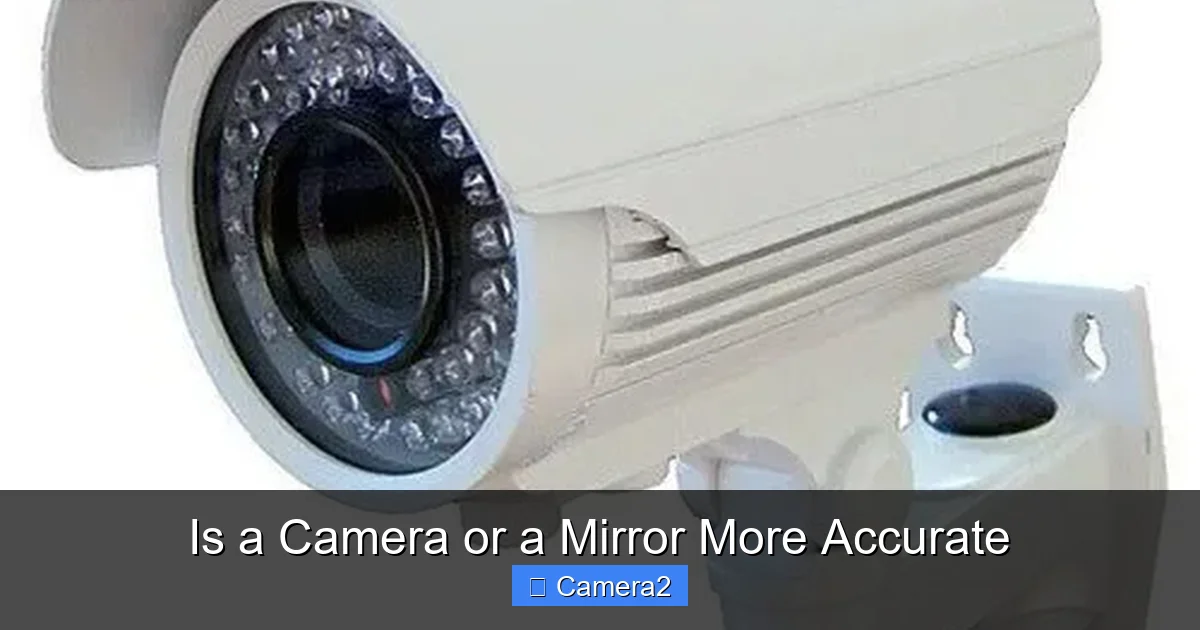
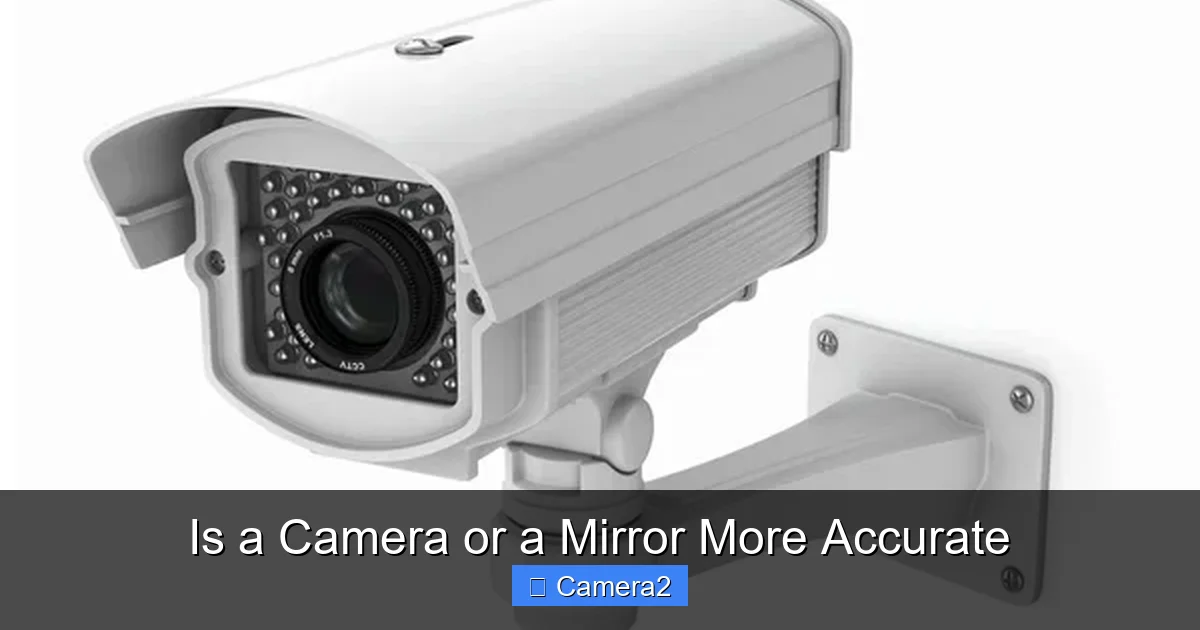
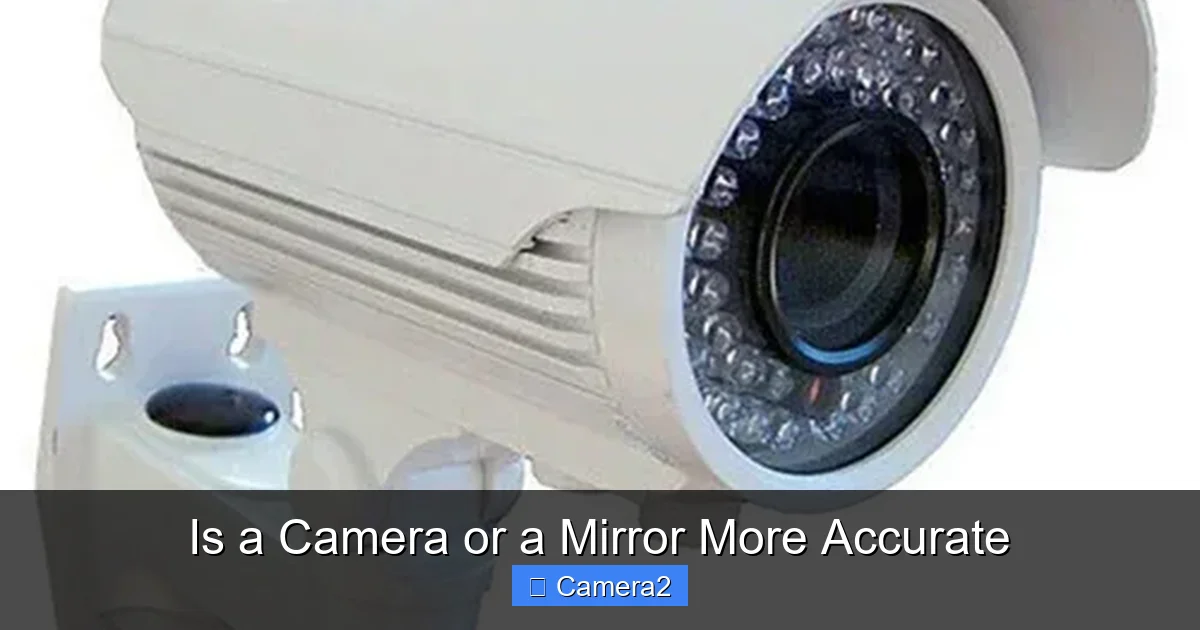
Cameras use lenses to focus light onto a digital sensor. The lens curvature, glass quality, and sensor dimensions all affect how accurately the scene is recorded. A high‑resolution sensor paired with a prime lens (fixed focal length) often delivers the sharpest, least distorted image.
Visual guide about Is a Camera or a Mirror More Accurate
Image source: 5.imimg.com
Digital Corrections and Software
Modern cameras and smartphones apply algorithms that correct lens distortion, adjust white balance, and even measure distances using depth sensors. This means a camera can be *more* accurate than a mirror if you calibrate it correctly and use the right software.
Potential Errors in Camera Imaging
- Lens distortion: Wide‑angle lenses stretch edges.
- Parallax: The sensor is not at the same point as the eye, causing slight shifts when moving.
- Exposure and noise: Poor lighting can introduce grain that hides fine details.
Side‑by‑Side Comparison: Accuracy Factors
Measurement Precision
When measuring a flat object, a calibrated mirror can give you a reading within 0.5 mm simply by aligning a ruler with the reflected image. A camera, however, can use software to measure to within 0.1 mm if the lens is known and the image is taken straight on.
Visual guide about Is a Camera or a Mirror More Accurate
Image source: 5.imimg.com
Real‑Time Feedback vs. Documentation
Mirrors win for instant feedback—no lag, no battery needed. Cameras win when you need a record, the ability to zoom in later, or to share the image with others.
Portability and Convenience
A pocket‑size mirror fits in any purse. A compact camera or phone fits too, but you must consider battery life and storage. For quick fitting checks (e.g., trying on glasses), a mirror is often more convenient.
Cost and Maintenance
Basic glass mirrors cost a few dollars and need only occasional cleaning. Quality cameras start at a few hundred dollars and require firmware updates, lens cleaning, and sometimes external accessories.
Practical Scenarios: When to Choose One Over the Other
Home DIY Projects
Painting a wall? Use a mirror to check color uniformity from different angles. For precise measurements—like aligning cabinets—snap a photo and use a measurement app to verify distances.
Fashion and Personal Grooming
Trying on a new outfit? A full‑length mirror gives you the whole look instantly. If you need to compare how a garment drapes on different body types, photograph the model and use overlay tools.
Medical and Dental Uses
Dentists rely on small mirrors for real‑time view inside the mouth. However, orthodontists now use intra‑oral cameras that capture high‑resolution images for analysis. In this case, the camera provides more accurate records for treatment planning.
Photography and Videography
Photographers often use mirrors on light meters to check exposure. Yet the camera itself, especially with RAW files, offers the most accurate representation of the scene after post‑processing.
Security and Surveillance
Security mirrors help eliminate blind spots without power. Modern cameras, however, can record, zoom, and even use infrared for night vision, making them more accurate for identifying events.
Tips to Maximize Accuracy with Either Tool
For Mirrors
- Choose a flat, high‑quality glass mirror with a backing that won’t warp.
- Clean the surface with a lint‑free cloth and a mild glass cleaner.
- Position lighting at 45‑degree angles to reduce glare.
- Stand directly in front of the mirror to avoid perspective distortion.
For Cameras
- Use a lens with low distortion (prime lenses are best).
- Calibrate your camera with a checkerboard pattern if you need precise measurements.
- Enable grid or level guides on the screen to align subjects.
- Shoot in RAW to retain maximum detail for post‑processing.
- Consider using a tripod to eliminate camera shake.
For deeper insight on handling camera quirks, check out our guide on My WDR Camera Is Always On And Not Working.
Future Trends: Merging Mirror and Camera Technology
Smart mirrors are already on the market—glass panels with embedded cameras and displays that overlay digital information on your reflection. These devices promise the instant feedback of a mirror with the analytical power of a camera, blurring the line between the two.
Augmented reality (AR) headsets also act as personal mirrors, projecting a live, adjustable view of yourself while applying digital measurements in real time. As sensor technology improves, the answer to is a camera or a mirror more accurate may become “both, depending on the context.”
Conclusion: The Verdict
There is no universal winner. Mirrors excel at providing immediate, distortion‑free visual feedback when you need to see something right now. Cameras, especially when paired with calibration tools and software, can surpass mirrors in measurable accuracy, documentation, and flexibility. The key is to match the tool to the task: use a mirror for quick checks and a camera when precision, record‑keeping, or post‑processing is required.
By understanding the strengths and limitations of each, you can confidently decide is a camera or a mirror more accurate for any situation and get the best results every time.
Frequently Asked Questions
Can mirrors be used for precise scientific measurements?
Yes, high‑quality flat mirrors can provide accurate visual references, but you must control lighting and viewing angle to avoid distortion.
Do camera lenses always introduce distortion?
All lenses have some distortion, but premium lenses and software correction can reduce it to a negligible level for most applications.
Is a smartphone camera accurate enough for DIY home projects?
Modern smartphones with calibrated lenses and measurement apps are often accurate to within a few millimeters, making them suitable for most DIY tasks.
How does lighting affect mirror accuracy?
Harsh lighting creates glare and hotspots that can hide details. Soft, angled lighting reduces reflections and improves clarity.
Can I use a mirror to check makeup without a camera?
Absolutely. A well‑lit, flat mirror gives you real‑time feedback, which is why most people still prefer mirrors for makeup application.
Do smart mirrors replace traditional cameras?
Smart mirrors combine both technologies, offering live reflection plus digital analysis, but they are currently more expensive and niche.