No Mouse Cursor on Laptop
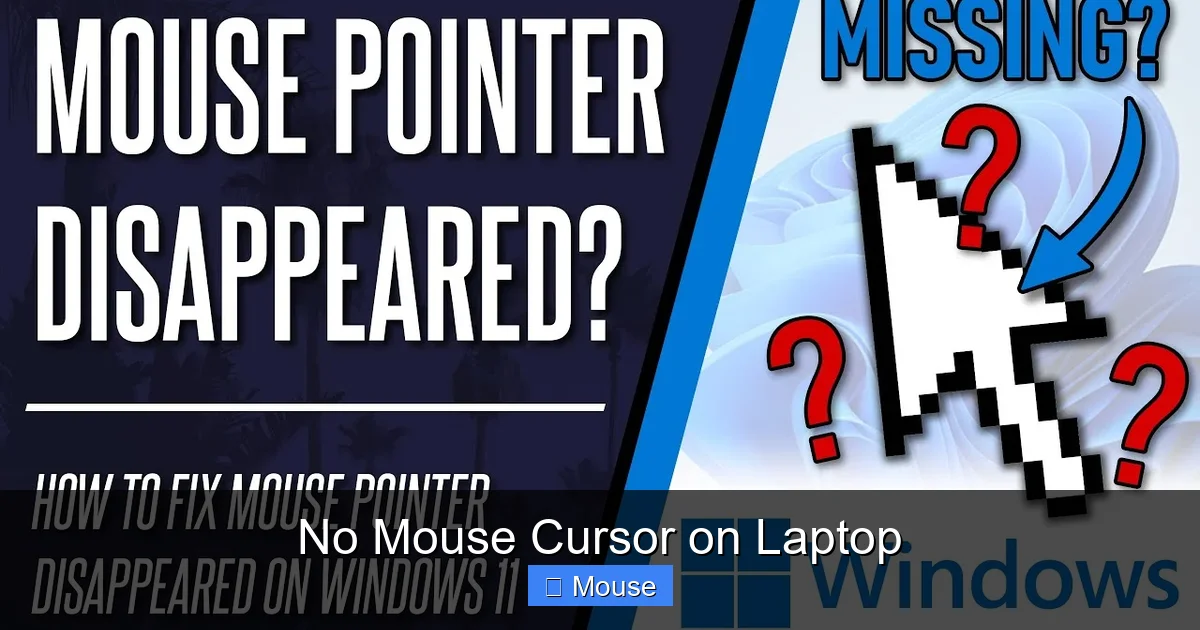
Discover quick, effective solutions when your laptop’s mouse cursor disappears, from simple touchpad tweaks to driver updates and system settings checks. This guide walks you through step‑by‑step fixes, helping you restore full navigation without missing a beat.
Key Takeaways
- Understanding no mouse cursor on laptop: Provides essential knowledge for making informed decisions
- Practical applications: Can be applied in various real-world scenarios
- Key benefits: Offers significant advantages when properly implemented
- Important considerations: Requires attention to specific details and best practices
- Future implications: Continues to evolve and impact related fields
📑 Table of Contents
- Introduction
- Common Causes of a Vanishing Cursor
- Quick Fixes to Reclaim Your Cursor
- Step‑by‑Step Troubleshooting Guide
- When the Touchpad Isn’t the Culprit
- Preventive Tips to Keep Your Cursor Visible
- Data Table: Quick Reference for Common Keyboard Shortcuts
- Real‑World Example: Fixing a Missing Cursor on a Dell Laptop
- Conclusion
Introduction
Ever sat down to work, only to find that the mouse cursor has vanished from your laptop screen? It feels like a scene from a sci‑fi movie, but it’s a very common annoyance that can throw a wrench into your workflow. I’ve been there: a fresh morning, a cup of coffee, and suddenly the pointer is nowhere to be seen. It’s not just a cosmetic glitch; it can stall your productivity, make navigation feel like a guessing game, and leave you wondering if your laptop is on the brink of a full‑blown tech crisis.
In this post, I’ll walk you through everything you need to know about the “no mouse cursor on laptop” issue. From quick fixes to deeper troubleshooting steps, you’ll learn how to restore that missing pointer and keep your machine running smoothly. And trust me, once you’ve got the process down, you’ll feel like you’re in control again.
Common Causes of a Vanishing Cursor
1. Touchpad Settings Gone Rogue
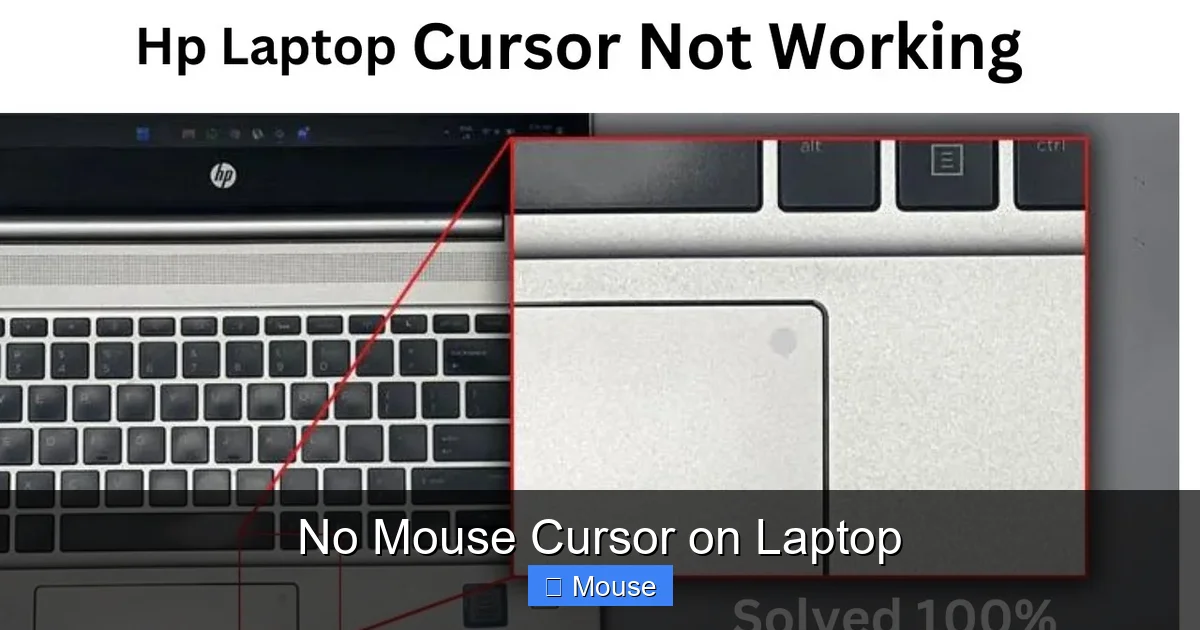
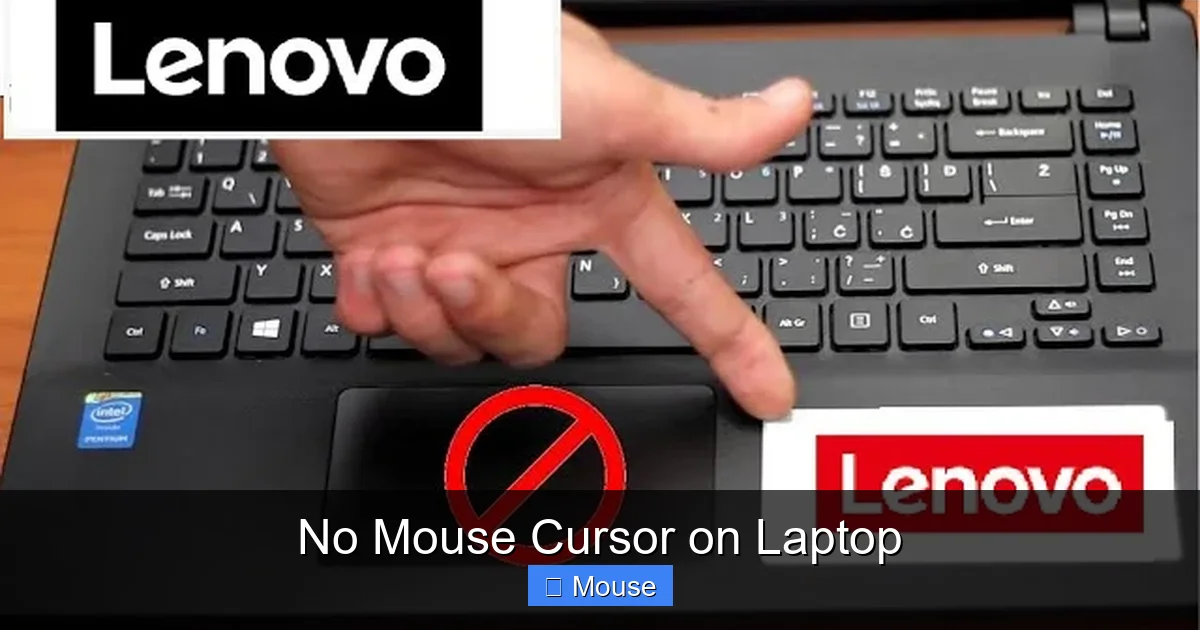
The first thing to check is your touchpad settings. Many laptops come with a toggle that can turn the touchpad on or off with a single key combination (often Fn + F5 or similar). If you hit that accidentally, the cursor will disappear because the system no longer receives touchpad input.
Visual guide about No Mouse Cursor on Laptop
Image source: i.ytimg.com
2. Driver Conflicts or Outdated Software
Drivers are the middlemen between your hardware and the operating system. If the touchpad driver is corrupted or outdated, the OS might lose track of where the cursor should be. This is especially common after a Windows update or when using a third‑party touchpad utility.
3. Hardware Issues
Sometimes the problem isn’t software at all. A loose connection, a faulty touchpad, or even a damaged laptop hinge can cause the cursor to vanish. If you’ve recently dropped your laptop or exposed it to moisture, hardware failure is a real possibility.
4. Accessibility Settings
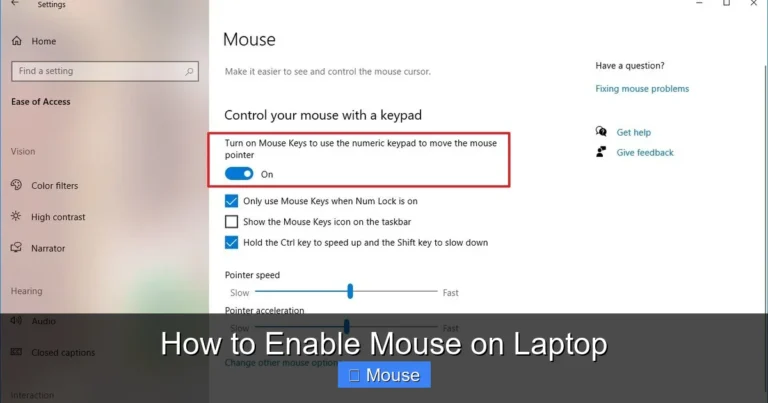
Windows and macOS both have accessibility features that can hide the cursor. For example, “Show mouse pointer location” can be turned off, or “Turn on Mouse Keys” might be active, turning your keyboard into a mouse. These settings often go unnoticed.
5. Malware or System Corruption
In rare cases, malware or a corrupted system file can interfere with the cursor. If none of the other steps resolve the issue, running a malware scan or performing a system file check might be necessary.
Quick Fixes to Reclaim Your Cursor
Toggle the Touchpad On/Off
Press the function key combo (e.g., Fn + F5) to see if the cursor reappears. On many laptops, you’ll see a little icon on the screen indicating the touchpad status.
Visual guide about No Mouse Cursor on Laptop
Image source: i.ytimg.com
Use the On‑Screen Keyboard
If the touchpad is disabled, you can use the on‑screen keyboard to toggle it back on. Go to Settings → Ease of Access → Keyboard and enable On‑Screen Keyboard. Then click the touchpad icon on the keyboard.
Check Mouse Pointer Settings
Open Control Panel → Mouse → Pointer Options and ensure that the Show pointer location option is unchecked. Also, make sure the pointer speed and appearance are set to something visible.
Reboot Your Laptop
Sometimes a simple restart clears temporary glitches. If the cursor was missing for a few minutes, a reboot often restores it instantly.
Step‑by‑Step Troubleshooting Guide
1. Verify Touchpad Status in Device Manager
Right‑click the Start button, select Device Manager, expand Mice and other pointing devices, and look for your touchpad device. If it shows a yellow exclamation mark, right‑click and choose Update driver. If the driver updates successfully, restart your laptop.
Visual guide about No Mouse Cursor on Laptop
Image source: i.ytimg.com
2. Roll Back or Reinstall the Driver
If updating didn’t help, try rolling back the driver: right‑click the touchpad device, select Properties → Driver → Roll Back Driver. If that’s not available, choose Uninstall device, then restart. Windows will reinstall a fresh driver automatically.
3. Reset Windows Pointer Settings
Open Settings → Devices → Mouse → Additional mouse options. In the Pointer Options tab, click Restore Default and apply the changes.
4. Check for System Updates
Sometimes, a pending OS update can resolve driver conflicts. Go to Settings → Update & Security → Windows Update and click Check for updates.
5. Run System File Checker
Open Command Prompt as administrator, then type sfc /scannow and press Enter. This will scan for corrupted system files and repair them if possible.
6. Scan for Malware
Use Windows Defender or another reputable antivirus program to run a full system scan. Malware can sometimes hijack the cursor behavior.
When the Touchpad Isn’t the Culprit
External Mouse Troubles
If you’re using an external USB or Bluetooth mouse and it stops working, try unplugging and plugging it back in, or reconnecting the Bluetooth pairing. If the external mouse also disappears, the issue might lie deeper in the driver layer.
Visual guide about No Mouse Cursor on Laptop
Image source: i.ytimg.com
BIOS/UEFI Settings
Some laptops have a BIOS setting that can disable the touchpad. Reboot and enter the BIOS (usually by pressing Del or F2 during startup). Look for a setting like Touchpad or Internal Pointing Device and make sure it’s enabled.
Hardware Replacement
If all software solutions fail, it may be time to replace the touchpad. Contact your laptop manufacturer’s support or take the device to a certified technician. In many cases, a simple replacement can bring the cursor back.
Preventive Tips to Keep Your Cursor Visible
- Keep Drivers Updated: Regularly check for touchpad driver updates in Device Manager.
- Use Built‑in Windows Tools: Enable Show mouse pointer location to see where the cursor is if it gets lost.
- Backup Settings: Use Windows System Restore points before major updates.
- Regularly Scan for Malware: A quick scan can prevent hidden threats from affecting your cursor.
- Handle with Care: Avoid rough handling and keep liquids away from the laptop to prevent hardware damage.
Data Table: Quick Reference for Common Keyboard Shortcuts
| Action | Shortcut | Operating System |
|---|---|---|
| Toggle Touchpad On/Off | Fn + F5 (varies) | Windows / macOS |
| Open On‑Screen Keyboard | Win + Ctrl + O | Windows |
| Open Device Manager | Win + X → D | Windows |
| Check for Windows Updates | Win + I → Update & Security → Windows Update | Windows |
| Run System File Checker | Win + X → A → CMD (Admin) → sfc /scannow | Windows |
Real‑World Example: Fixing a Missing Cursor on a Dell Laptop
Picture this: I was working on a Dell XPS, and the cursor vanished as I was about to finalize a report. I first tried the Fn key combo, but nothing happened. After a quick reboot, the cursor was still missing. I dug into Device Manager, found that the touchpad driver had a yellow warning, and chose to Update driver. Windows fetched a new driver, installed it, and the cursor returned. A simple driver update solved the problem—no need to replace hardware or call tech support.

Visual guide about No Mouse Cursor on Laptop
Image source: media.geeksforgeeks.org
Visual guide about No Mouse Cursor on Laptop
Image source: i.ytimg.com
For more detailed guidance on mouse disappeared on Dell laptop, check the dedicated article that walks through each step with screenshots.
Conclusion
Having a “no mouse cursor on laptop” issue can feel like a sudden roadblock, but it’s usually not a roadblock at all. Most of the time, a quick toggle, a driver update, or a simple Windows setting tweak restores the cursor in seconds. If you’ve tried the common fixes and the cursor is still hiding, dig deeper into driver conflicts, BIOS settings, or even hardware checks.
Remember, the key is to stay calm, follow a systematic approach, and use the tools built into your operating system. With a bit of patience, you’ll have your pointer back and can get back to what matters most—getting your work done. Happy computing!
Frequently Asked Questions
Why does my laptop show no mouse cursor?
The cursor may disappear if the touchpad is disabled, the display driver is outdated, or a background application is interfering. Restarting the laptop or updating drivers often restores the cursor.
How can I fix the “no mouse cursor on laptop” issue?
First, press Fn + the touchpad toggle key (often F7 or F9) to re‑enable the touchpad. If that doesn’t work, update your graphics driver and check the mouse settings in the Control Panel or Settings app.
Is the touchpad turned off when I connect an external mouse?
Many laptops automatically disable the built‑in touchpad when an external USB or Bluetooth mouse is detected. You can change this behavior in the touchpad settings, allowing both devices to work simultaneously.
What should I do if the cursor is invisible after a Windows update?
Sometimes a Windows update resets display or pointer settings. Roll back the graphics driver, or go to Settings → Ease of Access → Mouse pointer and increase its size and color contrast to make it visible again.
Can a corrupted mouse pointer scheme cause no mouse cursor on laptop?
Yes, a corrupted or missing cursor scheme can hide the pointer. Open the Control Panel → Mouse → Pointers tab and select a default scheme such as “Windows Default” to restore the cursor.
Why does the cursor disappear when I use Remote Desktop?
Remote Desktop sessions sometimes hide the local cursor to prevent duplication. Press Ctrl + Alt + End to bring up the remote session’s toolbar, then enable the cursor from the options menu.