Rent a Thermal Imaging Camera
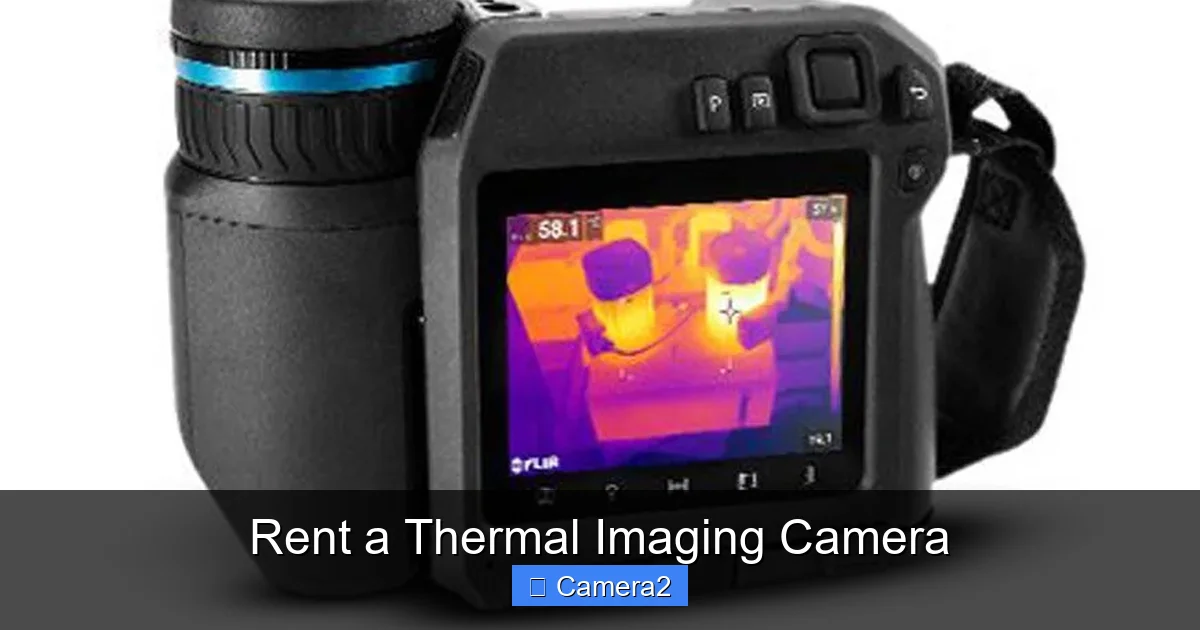
Looking for a thermal imaging camera without the big price tag? Renting lets you test cutting‑edge tech, stay flexible, and save money. This guide walks you through benefits, costs, and how to choose the perfect rental for any project.
Key Takeaways
- Cost‑effective access: Renting avoids the high upfront cost of a $5,000+ camera.
- Try before you buy: Short‑term rentals let you evaluate performance for specific jobs.
- Flexible rental periods: Daily, weekly, or monthly options match any timeline.
- Support and training: Many providers include setup help and on‑site training.
- Maintenance included: Repairs, calibration, and firmware updates are handled by the rental company.
- Wide selection: From handheld FLIR ONE to high‑resolution FLIR T-series, you can pick the right sensor.
- Insurance options: Protect the equipment with affordable coverage for accidental damage.
📑 Table of Contents
- Why Renting a Thermal Imaging Camera Makes Sense
- Typical Use Cases for a Rental Camera
- How Much Does It Cost to Rent a Thermal Imaging Camera?
- Choosing the Right Rental Provider
- Top Thermal Imaging Cameras You Can Rent
- Step‑by‑Step Guide to Renting a Thermal Imaging Camera
- Tips to Maximize the Value of Your Rental
- When to Consider Buying Instead of Renting
- Conclusion
Why Renting a Thermal Imaging Camera Makes Sense
Thermal imaging cameras used to be the exclusive domain of firefighters, military units, and big‑ticket industrial firms. Today, the technology has dropped in price, but a top‑tier unit still costs several thousand dollars. If you only need the camera for a few days—say, a building inspection, a wildlife survey, or a one‑off electrical test—buying simply isn’t logical.
Renting a thermal imaging camera gives you the best of both worlds: you get professional‑grade performance without the long‑term financial commitment. It also frees you from worrying about calibration, firmware updates, and accidental damage—most rental houses handle all of that for you.
Typical Use Cases for a Rental Camera
Building and Home Inspections
Home inspectors love thermal cameras for spotting hidden moisture, insulation gaps, and electrical hotspots. A rental lets a small‑business inspector add this service without buying a $7,000 FLIR T660.
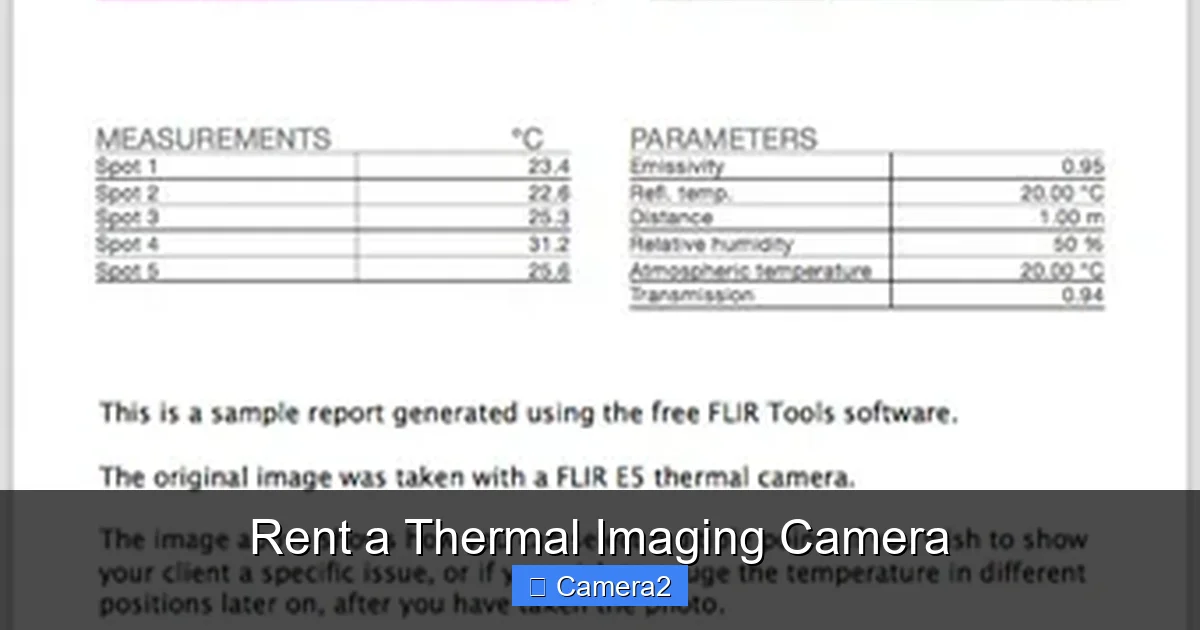
Visual guide about Rent a Thermal Imaging Camera
Image source: cdn.shopify.com
Electrical and Mechanical Maintenance
Thermal imaging quickly reveals overheating components in panels, motors, and HVAC units. A one‑day rental can prevent costly downtime for a manufacturing plant.
Construction Progress Monitoring
Before concrete cures, contractors use thermal cameras to ensure uniform temperature. Renting a camera for the critical curing window saves money and improves quality.
Wildlife and Environmental Research
Biologists track animal heat signatures at night or monitor plant stress. A portable FLIR ONE Pro attached to a smartphone is perfect for field trips, and it’s easy to rent for a semester‑long study.
Law Enforcement and Security
Police departments sometimes need thermal vision for night patrols or search‑and‑rescue missions. Renting avoids the paperwork of purchasing a government‑grade unit.
How Much Does It Cost to Rent a Thermal Imaging Camera?
Pricing varies by model, rental period, and location. Below is a quick snapshot of typical rates (prices are approximate and can differ between providers):
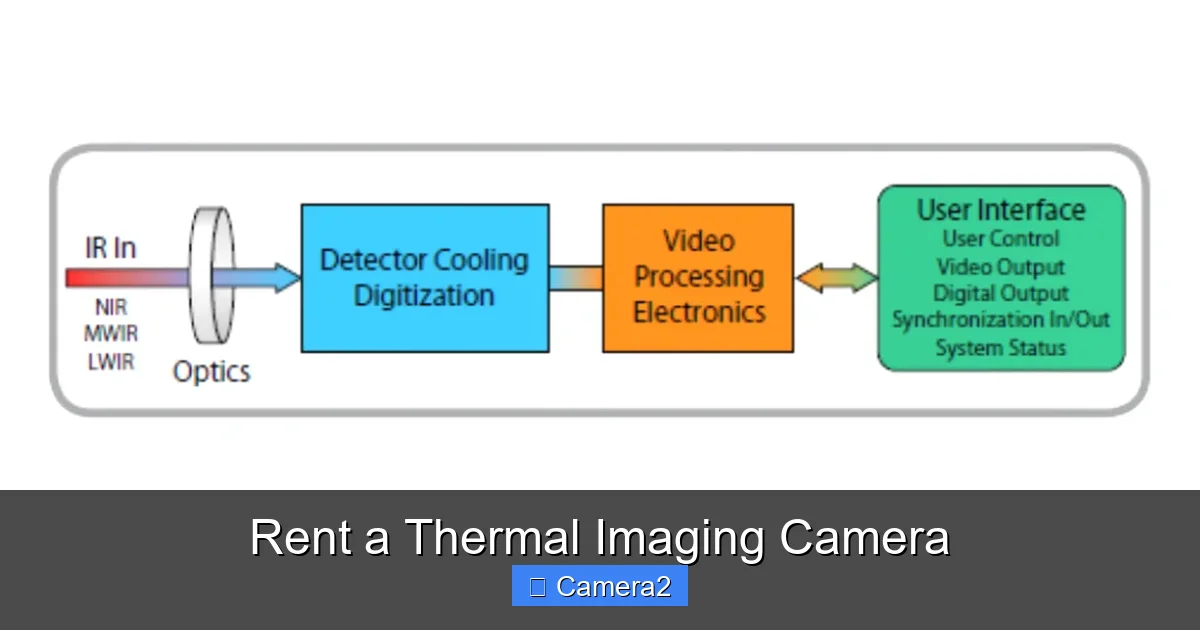
Visual guide about Rent a Thermal Imaging Camera
Image source: adikariwisesa.com
- Entry‑level handheld (FLIR ONE, Seek Thermal Compact): $30‑$50 per day, $150‑$200 per week.
- Mid‑range professional (FLIR C2, Fluke Ti300): $80‑$120 per day, $350‑$450 per week.
- High‑end models (FLIR T660, FLIR E8): $150‑$250 per day, $600‑$900 per week.
Many companies offer discounts for longer rentals and bulk orders. Some also provide “rent‑to‑own” programs where a portion of each payment goes toward a future purchase.
Choosing the Right Rental Provider
Check for Certified Equipment
Make sure the provider stocks cameras that are calibrated and serviced regularly. Certified equipment reduces the risk of inaccurate temperature readings.
Visual guide about Rent a Thermal Imaging Camera
Image source: camerarock.com
Ask About Training and Support
Even if you’re comfortable with a smartphone‑attached thermal sensor, a quick tutorial can save hours on the job. Look for rentals that include a short training session or an online video guide.
Insurance and Damage Policies
Accidents happen. A good rental house offers optional insurance that covers accidental drops, water exposure, or screen damage. Read the fine print—some policies have a deductible as low as $25.
Delivery vs. Pick‑Up
For large units like the FLIR T660, many companies provide curb‑side delivery and set‑up. Smaller handhelds are often available for same‑day pick‑up at a local office.
Read Reviews and Ask for References
Customer feedback is a reliable indicator of service quality. A quick search can reveal whether a provider consistently ships on time, maintains equipment, and responds promptly to issues.
Top Thermal Imaging Cameras You Can Rent
FLIR ONE Pro
This pocket‑sized camera plugs into an iOS or Android device and delivers 160×120 resolution. It’s perfect for real‑estate agents and DIY homeowners. Rental cost: around $40 per day.
Seek Thermal CompactPRO
Offers a higher resolution (320×240) and a wider temperature range than the basic Seek model. Ideal for electricians. Rental cost: $45‑$60 per day.
FLIR C2
A rugged, pocket‑sized unit with MSX image enhancement. It’s built for field work and can be mounted on a tripod. Rental cost: $90 per day.
FLIR E8
Provides 320×240 resolution, built‑in laser pointer, and Wi‑Fi streaming. Great for building inspections where you need to share images instantly with clients. Rental cost: $180 per day.
FLIR T660
The flagship model with dual‑laser targeting, 640×480 resolution, and a wide temperature range. Used by industrial maintenance teams for detailed diagnostics. Rental cost: $250 per day.
Step‑by‑Step Guide to Renting a Thermal Imaging Camera
1. Define Your Project Requirements
List the temperature range you need, the required resolution, and any special features (e.g., Wi‑Fi, laser pointer). This helps you narrow down the model.
2. Research Local Rental Companies
Search for “thermal camera rental” in your city and compare pricing tables. Remember to check the internal link Mounting A Camera On A Motorcycle for tips on securing portable devices in the field.
3. Request a Quote
Send an email or use the online form. Ask about delivery fees, insurance, and any discounts for multi‑day rentals.
4. Review the Rental Agreement
Pay attention to:
- Deposit amount and return policy.
- Calibration schedule—some companies require a pre‑rental check.
- Liability coverage.
5. Schedule Delivery or Pick‑Up
Coordinate a time that matches your project start date. For large units, arrange a delivery window and a brief on‑site setup.
6. Operate the Camera
Follow the quick‑start guide. Most modern cameras have intuitive menus, but spend a few minutes testing the focus and temperature scale before heading to the job site.
7. Return and Review
After use, clean the lens, pack the unit in its original case, and return it on time. Provide feedback to help the rental house improve its service.
Tips to Maximize the Value of Your Rental
- Plan a single, focused shoot: Consolidate tasks to avoid extra rental days.
- Use a tripod or stabilizer: Reduces blur and makes temperature readings more accurate.
- Calibrate on site: Many handhelds allow a quick “cold‑target” calibration before each use.
- Leverage Wi‑Fi streaming: Send images to a tablet or laptop in real time, saving post‑processing time.
- Document settings: Write down emissivity, distance, and ambient temperature for each scan; this speeds up report writing.
When to Consider Buying Instead of Renting
If you find yourself needing a thermal camera monthly or more, the cumulative rental cost may surpass the purchase price. Also, if you require a custom‑mounted solution (e.g., permanently attached to a drone), ownership gives you the freedom to modify hardware.
For occasional users—contractors, DIY homeowners, researchers—renting remains the smartest financial move.
Conclusion
Renting a thermal imaging camera is a practical, cost‑effective way to access high‑resolution infrared technology without the heavy upfront investment. By understanding your project needs, comparing rental providers, and following a clear rental workflow, you can get accurate temperature data, finish jobs faster, and keep your budget happy. Whether you choose a pocket‑sized FLIR ONE for a quick home inspection or a powerful FLIR T660 for industrial diagnostics, the rental market has a solution that fits.
Frequently Asked Questions
How long can I rent a thermal imaging camera?
Most companies offer daily, weekly, and monthly rates. Some even allow multi‑month rentals for long‑term projects, often at a discounted price.
Do I need special training to use a rented thermal camera?
Basic operation is intuitive, but many rental houses provide a short tutorial or video guide. For advanced features like emissivity adjustment, a brief training session is recommended.
Is insurance required when renting a thermal imaging camera?
Insurance isn’t mandatory, but it’s highly advisable. It protects you from costly repair fees if the camera is accidentally damaged.
Can I rent a thermal camera for outdoor wildlife research?
Yes. Handheld models like the FLIR ONE Pro or Seek Thermal CompactPRO are lightweight and work well in field conditions, especially when paired with a waterproof case.
What is the typical temperature range of a rental thermal camera?
Entry‑level models cover –20 °C to 400 °C, while high‑end units like the FLIR T660 can measure from –40 °C up to 2,000 °C, suitable for both building inspections and industrial applications.
Do rental companies offer calibration services?
Most reputable providers include calibration checks before shipping the equipment and may offer on‑site recalibration if needed during the rental period.