Smoke Detector Camera with Microphone
A smoke detector camera with microphone offers a smart way to monitor your space without drawing attention. These devices blend safety and surveillance into one discreet unit. You can record video, capture audio, and keep an eye on your property with ease. This guide explains how they work, where to place them, and what to look for before buying.
Home security has changed a lot in recent years. People want tools that work quietly in the background. They also want devices that do more than one job. That is where a smoke detector camera with microphone comes in. It looks like a normal ceiling fixture. It also watches, listens, and alerts you when something feels off.
Many homeowners like these devices because they save space. You do not need a separate camera on every wall. You also do not need bulky equipment that stands out. Instead, you get a clean look and steady coverage. If you care about safety and privacy, this type of device can fit your needs well.
In this guide, we will break down how these units work. We will also cover features, placement, legal tips, and common mistakes. By the end, you will know what to look for and how to use one wisely.
Key Takeaways
- Dual purpose design: A smoke detector camera with microphone combines fire safety alerts with video and audio recording.
- Discreet monitoring: These units look like standard ceiling fixtures, making them ideal for covert home security.
- Audio matters: Built-in microphones capture conversations and sounds, adding context to your video footage.
- Placement is key: Install units in central rooms, hallways, or entry points for the best coverage.
- Check local laws: Recording audio may require consent depending on your region and local privacy rules.
- Power and storage: Choose between battery, hardwired, or rechargeable models with cloud or SD card storage.
- Test regularly: Verify both smoke alerts and camera functions to ensure reliable protection.
📑 Table of Contents
Why Choose a Smoke Detector Camera with Microphone
People choose these devices for a simple reason. They want protection without clutter. A smoke detector camera with microphone blends into a room. It does not look like a security tool. That makes it a smart choice for homes, offices, and rental spaces.
These units can help in several ways. They can record activity when motion starts. They can also capture sound in the room. That audio can be useful if you want to hear what happened before or during an event. Some models even send alerts to your phone. That means you can check a live view or saved clip fast.
Here are a few reasons people pick this style of device:
- Less visible equipment: It blends with standard ceiling fixtures.
- Two functions in one: It supports safety alerts and surveillance.
- Audio context: A microphone adds sound to your video clips.
- Easy setup: Many models mount like a regular detector.
If you want a discreet option, this can be a strong fit. Just remember that good placement matters. A hidden camera smoke detector with audio works best when it covers the right area.
What Makes Audio Useful
Video shows movement. Audio adds meaning. A smoke detector with camera and audio can help you understand what happened in a room. You may hear a door open, a voice speak, or a pet make noise. That extra layer can help you make sense of a clip later.
Audio also helps in emergencies. If someone calls for help, the microphone may pick it up. If a device beeps or alarms sound, you can hear that too. Still, audio is not a replacement for fast action. It is simply another clue.
When comparing options, check the microphone quality. Some units record clear sound. Others capture only faint noise. If audio matters to you, read product details carefully. Look for terms like built-in mic, noise pickup, or two-way audio if that feature matters for your use.
How These Devices Work
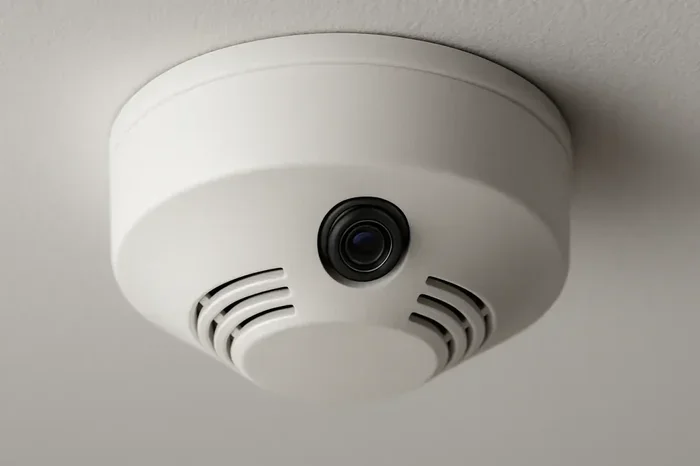
A smoke detector camera with microphone usually sits on the ceiling. It uses a small lens to capture video. It also uses a mic to record sound. Many models connect to Wi-Fi so you can view clips on your phone. Some save footage to an SD card. Others use cloud storage.
The smoke alarm side works like a normal detector. It watches for smoke or heat, depending on the model. If a problem starts, it sounds an alarm. The camera side may record at the same time or when motion triggers it. Some units let you set schedules, sensitivity, and alert preferences.
A simple workflow looks like this:
- The unit powers on and connects to your network.
- It monitors the room for motion or smoke events.
- When triggered, it records video and audio.
- You receive a notice or can open the app to check footage.
This setup is easy to understand. It also makes daily use simple. You do not need to manage a complex security system to benefit from it.
Power Options and Storage
Power matters a lot. Some units use batteries. Others connect to your home wiring. Battery models are easier to install in some cases. Hardwired models may run longer without charging. Rechargeable options also exist. Think about how often you want to maintain the device.
Storage is just as important. Local storage keeps clips on a card inside the unit. Cloud storage saves footage online. Each choice has trade-offs. Local storage can be private and simple. Cloud storage can be easier to access from anywhere. Many people choose based on cost, convenience, and privacy comfort.
If you want reliable recording, check how long clips are kept. Also check how much space the device supports. A small card may fill up quickly. A cloud plan may add monthly costs. Knowing this ahead of time helps you avoid surprises.
Smart Features to Look For
Not every unit offers the same tools. Some have motion zones. Some include night vision. Some let you talk through the device. A wifi smoke detector spy camera style setup often focuses on remote access and quick alerts. That can be helpful if you check your phone often.
Useful features may include:
- Motion detection: Starts recording when activity appears.
- Night vision: Captures footage in low light.
- App alerts: Sends notices to your phone.
- Loop recording: Replaces old clips when storage fills.
- Time stamps: Helps you track when events happened.
Pick the features that match your needs. You do not need every option. A simple model may be enough for basic monitoring. A more advanced model may suit someone who wants more control.
Placement Tips for Better Coverage
Where you mount the device changes everything. A smoke detector camera with microphone works best when it sees the right space. Aim for a spot that covers the main area without too many blind spots. Hallways, living rooms, entry points, and common areas are common choices.
Try to mount it high. That gives a wider view. It also keeps the unit out of easy reach. Make sure the lens is not blocked by curtains, shelves, or fans. If the room has a corner, think about how people move through it. The best spot is usually one that watches the natural path through the space.
A few placement tips:
- Choose a central location for broad coverage.
- Avoid pointing the lens at bright windows.
- Keep the mic area clear for better sound pickup.
- Test the view before final installation.
If you want help spotting a device later, you may also want to learn how to tell if a smoke detector has a camera. That knowledge can help you inspect a room with confidence.
Rooms That Benefit Most
Some spaces need more attention than others. Entry areas can show who comes and goes. Living rooms can reveal everyday activity. Hallways can capture movement between rooms. A smoke detector spy camera with audio can be especially useful in places where you want a quiet, unobtrusive setup.
Think about your goals. Do you want to watch a front area? Do you want to monitor a shared space? Do you want to check on pets or children? Your answer should guide your placement. A good mount location can make the footage much more useful.
Privacy, Consent, and Legal Considerations
This is a very important topic. A smoke detector camera with microphone may record people without them noticing. That can raise privacy concerns. Laws vary by location. Some places allow video recording in private spaces you own. Audio rules can be stricter.
Before installing one, check the rules where you live. If you rent, ask your landlord if it is allowed. If you place it in a shared area, think about the people who use that space. In many cases, it is best to be open about monitoring in common areas. Transparency can prevent trust issues later.
Quick privacy tips:
- Use the device mainly in spaces you control.
- Avoid recording private conversations when possible.
- Check local rules about audio recording.
- Inform household members or guests when appropriate.
If you want more background on detection and inspection, you can read how to tell if a smoke detector has a camera. That can help you understand what to look for in a room.
Ethical Use Matters
Good security should protect people, not make them uncomfortable. Use the device for safe monitoring, not for spying on someone without reason. If you share a home or workspace, honest communication goes a long way. A discreet device is useful, but respect matters too.
Also think about data safety. Change default passwords. Keep your app updated. Use secure Wi-Fi settings. These steps help protect your footage from unwanted access.
Comparing Common Options
There are several styles of ceiling-mounted monitoring tools. Some focus on safety first. Others focus more on recording. A hidden camera smoke detector with audio usually aims to stay unnoticed. A standard smart detector may focus more on alerts and air quality. Your choice depends on your goal.
Here is a simple comparison to help you think through the options:
| Feature | Basic Smoke Detector | Detector With Camera | Detector With Camera and Mic |
|---|---|---|---|
| Main purpose | Fire and smoke alerts | Safety plus video | Safety, video, and sound |
| Visibility | Very common look | Low profile | Low profile |
| Audio recording | No | Sometimes | Often |
| Remote viewing | Rare | Common | Common |
| Best for | Basic safety | Visual monitoring | Visual and audio context |
This table is not about one best choice. It is about matching the device to your needs. If you want sound, choose a model that includes a mic. If you want simple alerts, a basic unit may be enough. If you want both, a combined unit can make sense.
When a Combined Unit Makes Sense
A combined unit can save time and space. It can also reduce the number of devices on your ceiling. That is helpful in small rooms or areas where you want a clean look. A smoke detector cameras with audio setup may suit someone who wants a simple all-in-one option.
Still, check the quality of each function. A device that does two jobs poorly may not be better than two devices that do one job well. Read reviews, compare specs, and think about your real use case.
Common Mistakes to Avoid
Even a good device can underperform if it is set up poorly. Here are some common mistakes people make with a smoke detector camera with microphone:
- Mounting it too low: This limits the viewing angle and makes it easier to tamper with.
- Blocking the lens: Decorations, beams, or vents can ruin the footage.
- Ignoring audio rules: Recording sound without checking local rules can create problems.
- Forgetting maintenance: Batteries die, cards fill up, and apps need updates.
- Poor Wi-Fi signal: Weak connection can interrupt alerts and uploads.
- Overlooking night vision: Dark rooms need clear low-light performance.
A little planning prevents most of these issues. Test the device after installation. Watch a few clips. Make sure the audio sounds right. Confirm that alerts arrive on time.
Expert Insight
The best setup is the one you will actually use. A device that is hard to check or hard to maintain often gets ignored. Choose a model that fits your routine. If you want quick checks, pick an app that is easy to open. If you want long-term storage, pick a format you can manage comfortably.
Also remember that no single device solves every problem. A smoke detector camera with microphone is useful, but it works best as part of a broader safety plan. Keep fire safety in mind. Test alarms. Maintain your home. Use the camera as a helpful tool, not a complete solution.
Final Thoughts
A smoke detector camera with microphone can be a practical way to watch over a room while keeping a low profile. It can record video, capture sound, and send alerts when something happens. That makes it appealing for homes and small workspaces. The key is choosing the right model and placing it well.
Start by defining your goal. Do you want audio? Do you need remote access? Do you want a discreet look? Once you know that, compare features, storage, and power options. Then install it thoughtfully and check local rules about recording. With the right setup, you can get useful footage without making your space feel crowded or complicated.
If you want to learn more about spotting these devices or understanding their features, you may find it helpful to explore how to tell if a smoke detector has a camera. That can give you a stronger sense of what to look for in real settings.
Frequently Asked Questions
What does a smoke detector camera with microphone do?
It watches for smoke or fire events while also recording video and sound in the room. Many models send alerts to your phone so you can check what happened.
Is audio recording always included?
No. Some units record video only. If sound matters to you, choose a model that clearly lists a built-in microphone or audio capture feature.
Where should I install it?
Mount it high in a central area with a clear view of the room. Avoid placing it where shelves, fans, or bright windows block the lens.
Do I need to worry about privacy laws?
Sometimes yes. Video rules and audio rules can differ by location. It is smart to check local requirements before recording sound in shared or private spaces.
How do I keep the footage safe?
Use strong passwords, update the app, and secure your Wi-Fi network. If the device uses cloud storage, review the privacy and access settings carefully.
Can I use this instead of a regular smoke alarm?
Not always. Some units focus on monitoring and may not replace a dedicated fire alarm. Make sure your home still has proper smoke detection coverage.