What Can Robots Do That Humans Cant
What can robots do that humans cant? Robots excel at repetitive tasks, precision work, dangerous environments, and data processing at speeds no human can match. From factory floors to deep sea exploration, robotic systems are changing how we work and live. This guide covers the key differences between human and robot abilities, the technology behind them, and what the future holds.
Key Takeaways
- Speed and Precision: Robots perform repetitive tasks faster and with greater accuracy than humans ever could.
- Dangerous Environment Work: Robots handle tasks in extreme conditions like deep sea, space, and radiation zones where humans cannot survive.
- 24/7 Operation: Unlike humans, robots don’t need sleep, breaks, or rest, making them ideal for continuous production.
- AI-Powered Decision Making: Modern robots use machine learning and artificial intelligence to process vast amounts of data in seconds.
- Human-Robot Collaboration: The future is not about replacing humans but working alongside them in smart factories and homes.
- Limitations Still Exist: Robots still struggle with creativity, emotional intelligence, and complex problem-solving that humans handle naturally.
- Growing Role in Daily Life: From healthcare to agriculture, robotic automation is expanding into everyday applications.
What Can Robots Do That Humans Cant
Robots have come a long way. They build cars, explore planets, and even perform surgery. But what can robots do that humans cant? The answer might surprise you. Robots can work nonstop without getting tired. They can lift heavy objects with ease. They can move with precision that no human hand can match. These machines are changing the way we live and work.
The question is not just about what robots can do today. It is about what they will do tomorrow. As robot technology improves, the gap between human and machine abilities grows wider. In this guide, we will explore the amazing things robots can do. We will also look at where humans still have the edge. Let us dive in.
Why Robots Outperform Humans in Certain Tasks
Robots have built-in advantages. They do not get bored. They do not make careless mistakes. They do not need coffee breaks. These strengths make them perfect for specific jobs. Let us look at the main areas where robots shine.
Speed and consistency are huge factors. A robot arm on an assembly line can weld a car part in seconds. It does this hundreds of times a day. A human worker would get tired. The quality would drop. The robot keeps going at the same pace. Every single weld is perfect.
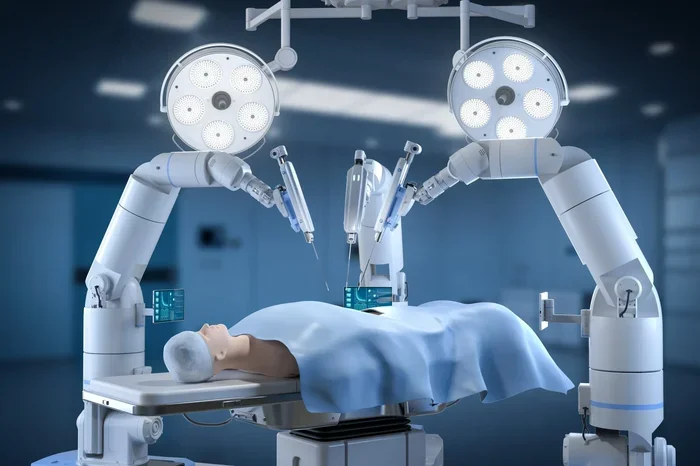
Precision is another game-changer. Robots can work within fractions of a millimeter. Surgeons use robotic arms for delicate operations. These machines make cuts so small and accurate that human hands simply cannot replicate them. This is why robotic automation is growing fast in healthcare.
Tasks Robots Perform in Dangerous Environments
Some jobs are just too dangerous for people. Robots step in where humans cannot go. This is one of the most important things robots do.
Deep sea exploration is a great example. Robots dive to the bottom of the ocean. They withstand pressures that would crush a human body. They collect samples and take photos in complete darkness. No scuba diver could do this at those depths.
Space exploration relies heavily on robots. NASA sends rovers to Mars. These machines travel millions of miles. They explore the surface of other planets. They send data back to Earth. A human astronaut cannot do this alone.
Nuclear disaster zones are another area where robots help. After events like Fukushima, robots entered radioactive areas. They mapped the damage. They cleaned up hazardous material. Humans could not enter those zones safely.
Firefighting and disaster rescue also benefit from robots. Some robots can enter burning buildings. They locate survivors. They assess structural damage. This keeps human firefighters out of harm’s way.
Industrial and Manufacturing Robot Capabilities
Factories around the world use robots every day. These industrial robots do jobs that would be impossible for humans to keep up with.
Assembly line work is the most common use. Robots put together tiny electronic parts. They move heavy metal sheets. They paint and finish products. All of this happens at incredible speed. A single robot can do the work of several humans.
Quality control is another area where robots excel. Cameras and sensors on robotic arms inspect products. They spot tiny defects that the human eye would miss. Every product gets the same level of attention. Humans get tired and lose focus. Robots do not.
Packaging and sorting also use robots. Amazon warehouses have thousands of robotic systems. They move products across the floor. They sort packages by destination. This speeds up shipping times dramatically.
Here is a quick comparison of human vs robot abilities in manufacturing:
- Endurance: Robots work 24/7. Humans need shifts and breaks.
- Consistency: Robots repeat the same task perfectly every time. Humans vary in quality over time.
- Speed: Robots complete repetitive tasks much faster.
- Strength: Robots can lift and move heavy loads easily.
- Adaptability: Humans can learn new tasks quickly. Robots need reprogramming for new tasks.
As we see, each side has strengths. The best results often come from human-robot collaboration. This is where both humans and machines work together to get the best outcome.
AI and Machine Learning: The Brains Behind Modern Robots
Modern robots are not just mechanical arms. They have brains. Artificial intelligence and machine learning give robots the ability to think and learn. This changes everything.
AI-powered machines can process huge amounts of data in real time. They recognize patterns. They make decisions. They improve over time. A robot that learns to grip different objects gets better with each attempt. Humans learn too, but robots do it much faster.
Autonomous robots are a great example of this technology. Self-driving cars use AI to navigate roads. Delivery robots find their way through city streets. Warehouse robots map their environments and avoid obstacles. All of this happens without human input.
The computing power behind these machines is massive. Robotic systems need powerful processors and lots of memory. This is where hardware like GPUs and RAM come into play. A gaming laptop with a strong GPU can run simulations for robot training. The same technology that powers smart machines also powers the robots we see in factories and hospitals.
Even the RAM in these systems matters. More memory allows robots to process more data at once. This leads to faster decision-making and smoother operation. Technology like automated systems depends on having enough computing power to handle complex tasks in real time.
What Robots Still Cannot Do
For all their strengths, robots have clear limits. Understanding these limits is just as important as knowing what they can do.
Creativity is a big one. Robots can follow instructions. They can even generate patterns based on data. But true creativity? That is still a human trait. A robot can write a poem based on rules. It cannot feel the emotion behind the words. It cannot come up with a truly original idea from nothing.
Emotional intelligence is another gap. Robots can detect facial expressions. They can respond to voice tones. But they do not truly understand feelings. A nurse robot can remind a patient to take medicine. It cannot offer genuine comfort or empathy. Human connection matters in healthcare, teaching, and counseling.
Complex problem-solving still favors humans. When faced with a completely new situation, humans adapt quickly. We use intuition and experience. Robots rely on pre-programmed responses or trained data. If the situation is outside their training, they struggle.
Physical adaptability is also limited. Humans can walk on uneven ground. We can climb stairs. We can adjust to new environments on the fly. Robots still struggle with rough terrain. Even advanced humanoid robots can trip on a crack in the sidewalk.
These limitations show that robots and humans are different. They are not replacements for each other. They are complements.
The Future: Human-Robot Collaboration
The future is not about robots replacing humans. It is about humans and robots working together. This idea is called cobots, or collaborative robots. These machines are designed to share workspace with people.
In factories, cobots handle the heavy lifting. Humans handle the detailed work that requires judgment. In hospitals, robots assist surgeons. The surgeon still makes the final decisions. In homes, cleaning robots handle floor maintenance. Humans focus on more meaningful tasks.
The key to success is understanding what each side does best. Robots handle the repetitive, dangerous, and precision-heavy work. Humans handle the creative, emotional, and strategic work. Together, they form a powerful team.
Technology like VR training is also shaping this future. Just as gaming laptops can run VR simulations to train players, robots use similar systems to learn new tasks. These virtual training environments let robots practice dangerous jobs safely before doing them in real life.
The growth of robotic automation will create new jobs too. People will be needed to build, program, and maintain robots. The demand for tech skills in robotics is growing fast. Students and workers who understand these systems will have strong career opportunities.
Smart machines are becoming more affordable every year. Small businesses can now use robotic systems that were once only available to large corporations. This levels the playing field and drives innovation across industries.
Final Thoughts
What can robots do that humans cant? The list is long and growing. Robots work faster, longer, and with more precision than any human could. They explore places we cannot reach. They process data at speeds our brains cannot match. They handle dangerous jobs so we do not have to.
But robots still need us. They need human creativity, empathy, and judgment. The best future is one where humans and robots collaborate. Each brings something unique to the table. Understanding this balance is the key to making the most of robot technology.
As automated systems become more common, stay curious. Learn about the technology. Think about how it can help your life and your work. The robot revolution is here. And it is exciting.
Frequently Asked Questions
Can robots replace humans in the workplace?
Robots can replace humans for specific repetitive and dangerous tasks. But they cannot replace human creativity, empathy, and complex decision-making. The future is about collaboration between humans and robots, not replacement.
What industries use robots the most?
Manufacturing, healthcare, agriculture, and logistics use robots the most. These industries rely on robotic automation for speed, precision, and safety. The use of robots is growing in education and service industries too.
Are robots smarter than humans?
Robots are not smarter overall. They excel at processing data and performing specific tasks faster than humans. But humans still win in creativity, emotional understanding, and adapting to completely new situations.
Can robots learn on their own?
Yes, modern robots use machine learning to improve over time. They analyze data from their environment and adjust their behavior. However, they still need humans to set up the learning systems and goals.
Do robots get tired like humans do?
No, robots do not get tired. They can operate 24 hours a day without breaks. This is one of their biggest advantages in manufacturing and continuous production environments.
Will robots become more like humans in the future?
Robots are becoming more advanced, but they will likely never be exactly like humans. They may look more human-like and do more complex tasks. But true human qualities like emotions and genuine creativity remain unique to us.