What Is a Dual Band Radio
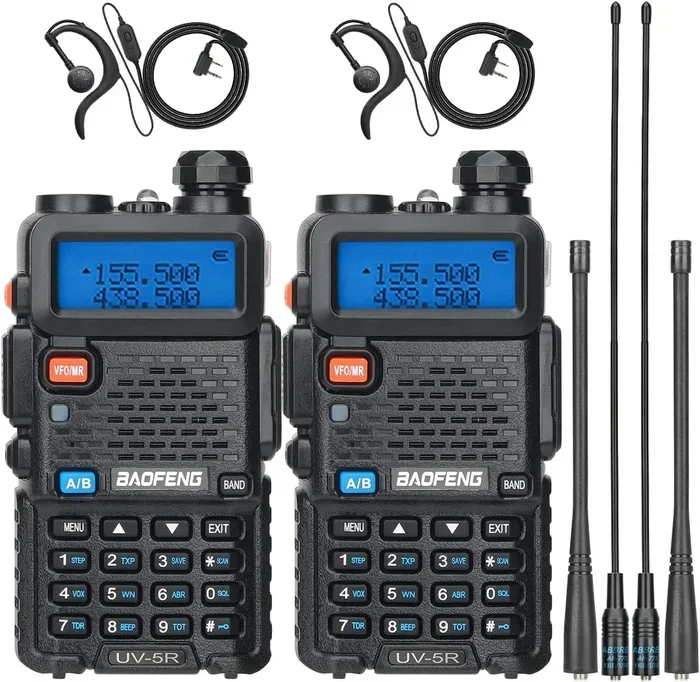
A dual band radio is a wireless device that can transmit and receive signals on two separate frequency bands, typically VHF and UHF. This technology gives users the flexibility to switch between bands depending on their environment, making it a popular choice for walkie talkies, two-way radios, and wireless communication tools. Understanding how a dual band radio works helps you pick the right device for your needs, whether you are talking about radio communication for business or personal use.
A dual band radio is one of the most versatile tools in the world of wireless communication. Whether you are a hobbyist, a professional, or just someone who wants reliable radio communication, understanding how a dual band radio works can make a huge difference. In this guide, we will break everything down in simple terms so you can walk away feeling confident about your choice.
Let us start with the basics. A radio sends and receives radio waves through the air. These waves travel at different frequencies, and each frequency range is called a band. A single band radio can only use one of these ranges. A dual band radio, on the other hand, can use two. This simple difference opens up a lot of possibilities.
Most dual band radios work on VHF (Very High Frequency) and UHF (Ultra High Frequency). These two bands behave very differently. VHF signals travel farther in open spaces, while UHF signals penetrate walls and buildings better. By having access to both, you get the best of both worlds.
The concept of frequency band selection is not new. Engineers have used it for decades in two-way radio systems. Today, dual band technology has expanded beyond traditional radios into Wi-Fi routers, smartphones, and even some walkie talkies. The core idea stays the same: use the right band for the right situation.
Key Takeaways
- A dual band radio operates on two frequency bands: VHF (Very High Frequency) and UHF (Ultra High Frequency), giving users more flexibility.
- VHF works best outdoors over long distances, while UHF excels indoors and in urban environments with obstacles.
- Dual band technology is not limited to radios. It is also used in Wi-Fi routers, smartphones, and other wireless devices.
- Switching between bands is automatic or manual, depending on the device, and helps avoid signal interference.
- The right dual band radio depends on your use case, including range needs, environment, and budget.
- Heat management matters for any radio device. Just like managing idle GPU temperature keeps your computer running smoothly, proper ventilation keeps your radio performing well.
📑 Table of Contents
- How Does a Dual Band Radio Work?
- Why Choose a Dual Band Radio Over a Single Band Radio?
- Common Uses for Dual Band Radios
- Factors to Consider When Buying a Dual Band Radio
- Dual Band Radio vs. Other Wireless Technologies
- Tips for Getting the Most Out of Your Dual Band Radio
- Common Mistakes People Make With Dual Band Radios
- The Future of Dual Band Radio Technology
How Does a Dual Band Radio Work?
A dual band radio works by tuning into two different frequency ranges at the same time or one at a time. Think of it like having two radio stations you can switch between. Each station plays different music, just like each band serves a different purpose.
The radio receives radio waves from the air and decodes them into sound or data. When you switch bands, the radio changes the signal frequency it listens to. This is controlled by a small chip inside the device called a radio receiver. The same chip also handles sending signals out, making it a radio transmitter and receiver in one.
The Two Main Frequency Bands
Most dual band radios focus on VHF and UHF. Here is a quick look at each:
- VHF (30 MHz to 300 MHz): Great for open areas. Signals bounce off the atmosphere and travel long distances. Perfect for outdoor radio communication.
- UHF (300 MHz to 3 GHz): Better for indoor use. Signals pass through walls and obstacles more easily. Ideal for urban settings and buildings.
Some dual band radios also support AM and FM modes, which are common in consumer radios. AM stands for Amplitude Modulation, and FM stands for Frequency Modulation. These are older technologies but still widely used for broadcasting music and news.
Why Choose a Dual Band Radio Over a Single Band Radio?
You might wonder why anyone would need a dual band radio when a single band radio works fine. The answer comes down to flexibility and signal quality.
Imagine you are at an outdoor event. You want your walkie talkie to reach your friend across the park. VHF is your best bet here because it travels farther in open air. Now imagine you are inside a large office building. UHF works better because it can get through walls and cubicle partitions.
A dual band radio lets you switch between these two modes without buying a second device. This saves money, reduces clutter, and keeps you connected no matter where you are.
Another big advantage is avoiding signal interference. In crowded areas like cities or large events, one band might be overloaded with signals. Switching to the other band can help you find a clear radio channel and maintain a strong connection.
When Single Band Is Enough
That said, a single band radio is not always a bad choice. If you only need radio communication for one specific environment, a single band device works just fine. For example, if you only communicate outdoors, a VHF-only radio may be all you need. It is simpler and often cheaper.
Common Uses for Dual Band Radios
Dual band radios are everywhere. They are not just for hobbyists and radio enthusiasts. Here are some of the most common uses:
- Two-way communication at events: Security teams, event staff, and volunteers use dual band walkie talkies to stay in touch across large venues.
- Outdoor recreation: Hikers, campers, and hunters rely on dual band two-way radios for safety and coordination.
- Business and construction: Site managers use dual band devices to communicate across large job sites with mixed indoor and outdoor areas.
- Emergency services: Police, fire departments, and rescue teams depend on dual band technology to stay connected in all environments.
- Home and office Wi-Fi: Many modern Wi-Fi routers are dual band, supporting both 2.4 GHz and 5 GHz wireless communication bands.
As you can see, the uses go far beyond a simple handheld radio. The same dual band technology that powers a walkie talkie also powers your home internet router. The principle is the same, just applied to different devices.
Factors to Consider When Buying a Dual Band Radio
Not all dual band radios are created equal. Before you buy one, consider these key factors:
- Range: How far do you need the signal to travel? VHF generally offers longer range outdoors, while UHF is better for shorter indoor distances.
- Battery life: Dual band radios use more power than single band models. Look for a device with a long-lasting battery if you need all-day use.
- Build quality: If you plan to use your radio outdoors, choose a rugged model that can handle drops, water, and dust.
- Number of channels: More channels mean more options for radio communication without overlapping with others on the same frequency.
- Price: Dual band radios cost more than single band models, but the extra flexibility is worth it for most users.
Also, think about bandwidth. This refers to how much data the radio can handle at once. A wider bandwidth means clearer sound and faster data transfer. For voice communication, standard bandwidth works fine. For data-heavy tasks, you may want a radio with wider bandwidth support.
Dual Band Radio vs. Other Wireless Technologies
How does a dual band radio compare to other wireless communication tools? Here is a quick comparison:
| Feature | Dual Band Radio | Single Band Radio | Wi-Fi Router |
|---|---|---|---|
| Frequency Bands | 2 (VHF + UHF) | 1 | 2 (2.4 GHz + 5 GHz) |
| Range | Long to medium | Long or medium | Short to medium |
| Indoor Performance | Good (UHF) | Varies | Good |
| Outdoor Performance | Excellent (VHF) | Varies | Poor |
| Interference Resistance | High | Low | Medium |
| Price | Medium to high | Low | Low to medium |
As the table shows, a dual band radio offers the best balance of range and flexibility. Wi-Fi routers also use dual band technology, but they are designed for short-range internet access, not radio communication. A traditional single band radio is simpler but much less versatile.
One interesting thing to note is how frequency response for speakers relates to radio technology. Just as speakers need a wide frequency response to reproduce sound accurately, a dual band radio needs to handle a wide range of signal frequencies to communicate clearly. Both technologies share the same goal: delivering quality output across different frequency ranges.
Similarly, the concept of treble on speakers is like the high-frequency side of a dual band radio. Treble handles the high-pitched sounds, just as UHF handles the higher frequency signals. Understanding these connections helps you appreciate how wireless communication technology works across different devices.
Tips for Getting the Most Out of Your Dual Band Radio
Want to get the best performance from your dual band radio? Here are some practical tips:
- Know your environment. If you are mostly outdoors, stick with VHF. If you are indoors or in a city, switch to UHF.
- Keep your antenna straight. A properly positioned antenna improves signal strength and range significantly.
- Check for interference. In crowded areas, switch bands to find a clearer radio channel.
- Charge your battery fully. A low battery can reduce signal power and range.
- Update firmware if available. Some modern dual band radios receive software updates that improve performance and add new features.
- Use earpieces in noisy environments. This helps you hear incoming messages clearly, even when background noise is loud.
Also, remember that heat can affect your radio’s performance. Just as you would manage your computer’s idle GPU temperature to keep it running smoothly, you should keep your radio in a cool, dry place. Overheating can reduce battery life and weaken signal strength.
Another pro tip: practice switching between bands before you actually need to. During an emergency or a busy event, you do not want to fumble with settings. The more comfortable you are with your device, the more effective your radio communication will be.
One thing that often gets overlooked is the role of bandwidth in dual band devices. Think of bandwidth like a highway. A wider highway allows more cars to pass at once. Similarly, a wider bandwidth allows more data or clearer voice signals to pass through your radio transmitter and radio receiver at the same time.
Finally, do not confuse dual band with tri band or quad band devices. These support three or four frequency bands respectively. They are more expensive and are usually used in specialized professional settings. For most users, a standard dual band radio hits the sweet spot between performance and cost.
Common Mistakes People Make With Dual Band Radios
Even experienced users make mistakes. Here are some to avoid:
- Using the wrong band for the environment. This leads to poor signal quality and dropped connections.
- Ignoring local regulations. Some frequency bands require licenses for commercial use. Make sure you follow the rules in your area.
- Skipping regular maintenance. Clean your radio, check the antenna, and replace worn-out batteries to keep it in top shape.
- Overlooking the difference between 2-way and 3-way speakers when comparing audio quality. While this is more about audio equipment than radio, understanding how different frequency ranges work helps you appreciate how dual band radio technology splits signals effectively.
Another common mistake is assuming all dual band radios are the same. Some models prioritize VHF, others focus on UHF, and a few offer balanced performance on both bands. Read reviews and check the specifications before you buy.
The Future of Dual Band Radio Technology
The world of wireless communication is always evolving. Dual band radios are becoming smarter, more compact, and more powerful. New models are integrating digital signal processing, which improves clarity and reduces noise. Some advanced devices even auto-switch between bands based on signal conditions, making radio communication seamless.
As Wi-Fi routers and smartphones continue to adopt dual band technology, the demand for versatile radio communication devices will only grow. Whether you are a professional who relies on two-way radios every day or a hobbyist exploring the world of radio waves, dual band technology gives you a reliable and flexible solution.
The key is understanding what you need. Know your environment, your range requirements, and your budget. With the right dual band radio, you will stay connected no matter where life takes you.
In short, a dual band radio is not just another gadget. It is a powerful wireless communication tool that adapts to your needs. By operating on two separate frequency bands, it gives you the freedom to communicate clearly in any setting. Whether you are coordinating a team at a construction site, staying in touch on a hiking trip, or setting up a home network, a dual band radio delivers the performance and flexibility you need.
Take the time to learn how your device works, choose the right band for the right situation, and maintain your radio properly. You will get years of reliable service from a quality dual band radio. And if you ever want to dive deeper into related topics, exploring frequency response for speakers or learning about treble on speakers can give you a broader understanding of how frequencies work across different devices.
Frequently Asked Questions
What is the main difference between VHF and UHF in a dual band radio?
VHF (Very High Frequency) works best for long-range outdoor communication because its signals travel far in open spaces. UHF (Ultra High Frequency) performs better indoors and in urban areas because it can penetrate walls, buildings, and other obstacles more effectively.
Do I need a license to use a dual band radio?
It depends on your location and how you plan to use the radio. Some frequencies require a license for commercial use, while others are available for free personal use. Always check your local regulations before operating a dual band radio.
Can a dual band radio be used for Wi-Fi?
The term dual band is used in both radio and Wi-Fi technology. A dual band Wi-Fi router operates on 2.4 GHz and 5 GHz bands, while a dual band radio typically refers to VHF and UHF bands. The underlying concept of using two frequency bands is the same, but the applications differ.
Are dual band radios more expensive than single band radios?
Yes, dual band radios generally cost more because they offer more flexibility and functionality. However, the price difference is usually reasonable, and the added versatility is well worth it for most users who need reliable communication in different environments.
How do I know which band to use?
Choose VHF for outdoor and open-area communication where range matters most. Switch to UHF for indoor or urban environments where signals need to pass through walls and obstacles. Many dual band radios let you switch between bands with the push of a button.
What maintenance does a dual band radio need?
Keep your radio clean, check the antenna regularly, and replace batteries when needed. Store it in a cool, dry place to prevent overheating. Updating firmware when available can also improve performance and add new features to your device.
=== CONCLUSION ===
A dual band radio is a smart investment for anyone who needs reliable wireless communication in different environments. By operating on both VHF and UHF frequency bands, it gives you the flexibility to switch between open-air range and indoor penetration. Whether you are using a walkie talkie for fun or a professional two-way radio for work, understanding how dual band technology works puts you ahead of the game. Pick the right device, use the right band, and enjoy clear, dependable radio communication wherever you go.