What Is a Gully Camera
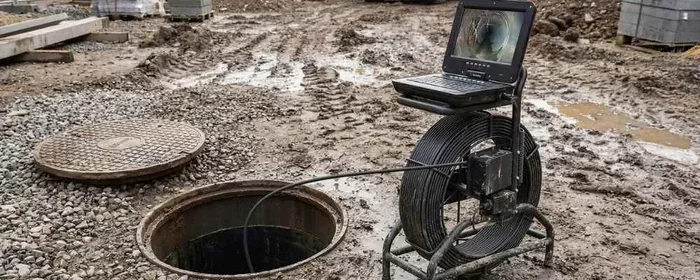
A gully camera is a specialized inspection tool designed to look inside drainage gullies and catch basins. It helps professionals spot blockages, cracks, and other issues without digging. Understanding what is a gully camera can save time and money on drainage repairs.
Key Takeaways
- Specialized Design: Gully cameras are built to fit into tight drainage spaces and withstand dirty conditions.
- Inspection Efficiency: They allow quick visual checks without removing covers or digging up roads.
- Blockage Detection: These cameras help identify leaves, trash, and sediment buildup inside gullies.
- Damage Assessment: Professionals use them to spot cracks, corrosion, and structural wear early.
- Video Recording: Most models record footage for documentation and future reference.
- Easy Operation: Many systems are portable and simple to use for trained technicians.
- Cost Savings: Early detection prevents bigger drainage problems and expensive repairs later.
📑 Table of Contents
- Understanding What Is a Gully Camera
- How a Gully Camera Works in Practice
- Why Professionals Use Gully Cameras
- Common Issues a Gully Camera Can Reveal
- Choosing the Right Gully Camera for the Job
- Tips for Using a Gully Camera Effectively
- Limitations to Keep in Mind
- Final Thoughts on What Is a Gully Camera
Understanding What Is a Gully Camera
A gully camera is a compact inspection device made for drainage systems. It slides into gullies, catch basins, and similar entry points. The main goal is simple. It lets you see inside without breaking ground.
Many people ask what is a gully camera because these tools are not as common as regular security cameras. They serve a very different purpose. Instead of watching a parking lot or a hallway, they watch water flow paths. They help crews find problems before those problems grow.
These cameras are often used by drainage engineers, maintenance teams, and local authorities. They are useful in cities, towns, and even rural areas. Any place with surface water drainage can benefit from them.
A good gully camera usually has a strong housing. It needs to handle dirt, moisture, and rough use. The lens must stay clear in poor conditions. The light source must brighten dark spaces. All of this matters because drainage chambers are often grim and hard to reach.
If you have ever wondered how technicians inspect underground drainage without guessing, this is part of the answer. They use tools that bring the image to the surface. That makes the work faster and safer.
How a Gully Camera Works in Practice
The basic idea is straightforward. A technician lowers the camera into the gully opening. The camera sends live video to a screen above ground. The operator watches the feed and looks for trouble.
Some systems use a flexible cable. Others use a rigid probe. The right choice depends on the space and the depth. Flexible options help when the path bends. Rigid options can feel more stable in straight runs.
Lighting is very important. Drainage spaces are usually dark. A strong built-in light helps reveal the chamber walls and the flow path. It also helps show debris that might be hiding in shadows.
Many units record video. Some also take still images. Recording is helpful because it creates a record of the condition. That record can be shared with other teams or stored for later comparison.
The operator usually moves the camera slowly. Rushing can cause the lens to miss important details. A careful inspection often reveals small issues before they become major repairs.
Key Parts of the System
A typical setup includes a few core parts. The camera head is the first part. It needs a wide viewing angle and good low-light performance. The cable or push rod connects the head to the control unit. The control unit shows the image and may store the footage.
Some systems also include measurement tools. These can help estimate the size of a crack or the depth of a blockage. That extra data can be very useful during reporting.
Why Visibility Matters
Clear visibility changes everything. A blurry image can hide a crack. Poor lighting can hide a buildup of sludge. That is why operators pay close attention to lens quality and illumination.
It also helps to clean the lens before use. Dirt on the outside can ruin the view. A quick wipe can make the inspection much more reliable.
Why Professionals Use Gully Cameras
The biggest reason is efficiency. A camera inspection is faster than opening everything up. It also reduces disruption. That matters in busy streets, public spaces, and private properties.
Another reason is accuracy. Guessing the cause of a drainage issue can lead to wasted effort. A camera gives a direct view. It helps teams decide whether the problem is a blockage, a crack, or a design issue.
Gully cameras also help with planning. If a crew knows exactly where the problem is, they can bring the right equipment. That saves time and reduces unnecessary work.
Safety is another important factor. Going into confined spaces can be risky. A camera reduces the need for direct entry in many cases. It gives inspectors a clearer picture while keeping them out of harm’s way.
Faster Decision Making
When a drainage issue appears, speed matters. Water can back up quickly. A camera inspection helps identify the cause without long delays. That means the team can move to the next step sooner.
This is especially helpful during heavy rain or after storms. Quick checks can reveal whether a gully is blocked or just overloaded.
Better Reporting
Video evidence makes reports stronger. It shows what the inspector saw. It also helps explain the issue to property owners, managers, or council teams. Clear visuals are easier to understand than vague notes.
A good report can also support future maintenance. If the same spot is checked again later, the old footage gives a useful comparison.
Common Issues a Gully Camera Can Reveal
A gully camera can show many types of problems. One common issue is blockage. Leaves, plastic, silt, and other debris can collect at the entrance. That reduces water flow and raises the risk of flooding.
Another common issue is structural damage. Cracks in the chamber can let water escape or weaken the surrounding area. Corrosion may also appear in older metal parts.
Some inspections reveal misalignment or settling. If the gully has shifted, water may not flow the way it should. That can cause repeated problems even after cleaning.
In some cases, the camera may show root intrusion. Roots can enter drainage systems and create stubborn obstructions. Seeing this early helps crews choose the right removal method.
Blockages
Blockages are often the easiest problems to spot. The camera may show a pile of debris near the entrance. It may also show reduced flow or trapped material deeper inside.
Not every blockage looks the same. Some are loose and easy to remove. Others are compacted and may need more work.
Structural Wear
Structural wear can be subtle. A small crack may not cause immediate failure, but it can grow over time. A camera helps spot these early signs. That gives teams a chance to repair before the damage spreads.
Wear can also appear around the edges of the chamber. Those areas often take a lot of stress from traffic and weather.
Choosing the Right Gully Camera for the Job
Not every camera suits every task. The right choice depends on the size of the gully, the expected depth, and the type of inspection. A small residential gully may need a different setup than a large street drainage chamber.
Portability matters too. Some inspections happen in tight access areas. A lightweight system is easier to carry and set up. That can make a big difference during long workdays.
Image quality is another key factor. A sharp image helps identify fine cracks and small debris. Poor image quality can lead to missed details.
Durability matters as well. Drainage work can be messy. The equipment should handle moisture, dirt, and frequent use. A sturdy build often lasts longer in demanding conditions.
Flexible vs Rigid Options
Flexible probes are useful when the path is not straight. They can move around bends and reach difficult areas. Rigid probes can be easier to control in simple, direct spaces.
Both types have their place. The best option depends on the layout of the drainage system and the goal of the inspection.
Recording and Storage
If you need documentation, choose a system with reliable recording. Video files should be easy to save and review. Some teams also prefer clear file naming so they can find footage later.
Good storage habits help keep records organized. That is useful for repeat inspections and maintenance tracking.
Tips for Using a Gully Camera Effectively
A few simple habits can improve inspection results. Start with a clean lens. Even a small smudge can reduce clarity. Check the light too, because weak lighting can hide problems.
Move slowly and steadily. A smooth inspection makes it easier to spot changes in the surface. Sudden movements can blur the view or skip important areas.
Keep the cable or probe managed well. Tangled cables slow down the work and can cause frustration. Good handling also reduces wear on the equipment.
Take notes while you inspect. Write down what you see and where you see it. That makes the final report more accurate and useful.
Prepare the Site First
Before inserting the camera, make sure the area is safe and accessible. Remove loose debris if needed. A clear opening helps the camera enter smoothly.
It also helps to understand the layout in advance. If you know the general direction of the run, you can inspect more efficiently.
Watch the Conditions
Weather and surface conditions matter. Heavy water flow can reduce visibility. Mud and stirred-up sediment can make the image cloudy.
If conditions are poor, it may be better to wait or adjust the approach. A careful inspection is better than a rushed one.
Keep the Equipment Maintained
Regular care extends the life of the camera. Wipe it down after use. Check the cable for wear. Store it in a dry place.
Small maintenance steps prevent bigger problems later. They also help the camera stay ready for the next job.
Limitations to Keep in Mind
A gully camera is useful, but it is not magic. It shows what is in front of the lens. It may not see around sharp corners or through dense sludge.
Depth can also be a challenge. In some systems, the camera may only reach part of the channel. That means some areas remain unseen unless other tools are used.
Water flow can affect the image too. Fast-moving water can blur the view. Dirty water can hide details.
This is why camera inspection is often part of a bigger process. It works best when combined with good judgment, site knowledge, and other inspection methods when needed.
What the Camera Cannot Do
The camera cannot fix the problem by itself. It only reveals it. Someone still needs to interpret the footage and decide on the next step.
It also may not measure everything precisely unless the system includes special tools. For some jobs, extra equipment is helpful.
When to Call for More Help
If the issue is complex, a single camera check may not be enough. Deep blockages, major structural damage, or unusual layouts may need further assessment.
In those cases, using the camera as a first step still makes sense. It gives a clearer starting point before more invasive work begins.
Final Thoughts on What Is a Gully Camera
So, what is a gully camera? It is a practical inspection tool that helps reveal what is happening inside drainage gullies and catch basins. It supports faster checks, better decisions, and cleaner documentation. For maintenance teams and drainage professionals, that makes it a valuable part of the job.
The best results come from using the right equipment, moving carefully, and recording findings clearly. A gully camera does not replace skill, but it does make skill more effective. It turns hidden spaces into visible information.
If you work with drainage systems, this kind of tool can make inspections simpler and more reliable. It helps you see problems early, plan better, and reduce unnecessary disruption. That is why many teams rely on it for everyday maintenance and condition checks.
Frequently Asked Questions
What is a gully camera used for?
A gully camera is used to inspect drainage gullies and catch basins from the inside. It helps identify blockages, cracks, and other issues without removing the cover or digging.
How does a gully camera send images to the surface?
Most gully cameras send images through a cable or push rod connected to a monitor above ground. The operator watches the live feed while moving the camera through the drainage space.
Can a gully camera record video?
Many gully cameras can record video and take still images. Recording is useful for documentation, reporting, and comparing future inspections.
Do I need special training to use a gully camera?
Basic use is often simple, but good inspection skills help a lot. Training improves image interpretation, site safety, and the ability to spot small defects.
What problems can a gully camera help detect?
It can help detect debris buildup, cracks, corrosion, root intrusion, and misalignment in drainage chambers. It can also show reduced flow and other signs of trouble.
Is a gully camera the same as a regular security camera?
No, a gully camera is built for drainage inspection, not general surveillance. It is usually more compact, tougher, and designed to work in dark, dirty, and confined spaces.