What Makes a Speaker Loud
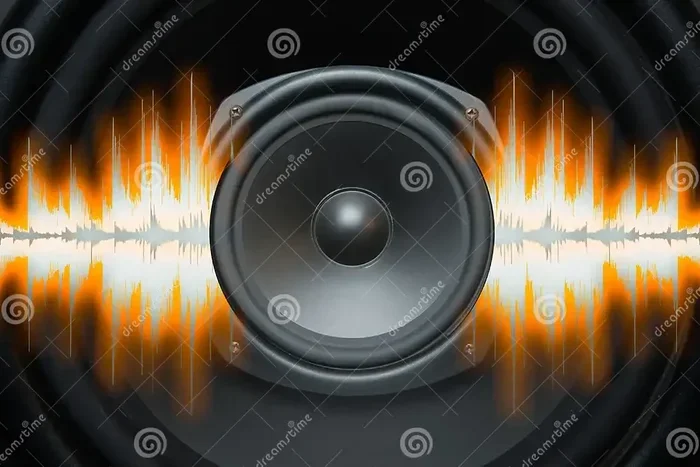
What makes a speaker loud comes down to several key factors working together. Speaker sensitivity, wattage, driver size, and enclosure design all play major roles in how much sound a speaker can produce. Understanding these elements helps you choose the right speaker for your needs and get the best possible audio experience.
This is a comprehensive guide about What Makes A Speaker Loud.
Key Takeaways
- Speaker sensitivity measures how efficiently a speaker converts power into sound, and higher sensitivity means louder volume with less power.
- Wattage and amplifier power directly impact how loud a speaker can get before distortion sets in.
- Driver size matters because larger cones move more air, which creates louder and deeper sound.
- Enclosure design shapes how sound waves combine, and the right box design can dramatically boost loudness.
- Frequency response determines the range of sounds a speaker reproduces, and a wider range contributes to a fuller, louder perceived volume.
- Impedance matching between your speaker and amplifier ensures maximum power transfer and prevents damage.
[FEATURED_IMAGE_PLACEHOLDER]
What makes a speaker loud is a question many people ask, whether they are setting up a home stereo, choosing car audio, or just curious about how sound works. The truth is, speaker loudness comes from a combination of physics, engineering, and design choices working together. It is not just about one single number or feature.
When you understand the basics, picking the right speaker becomes much easier. You stop guessing and start making informed decisions. This guide breaks down every major factor that affects speaker loudness in plain language. No jargon, no confusion, just clear explanations you can use right away.
What Is Speaker Sensitivity?
Speaker sensitivity is one of the most important factors in how loud a speaker gets. It measures how efficiently a speaker turns electrical power into sound. The rating is given in decibels, or dB, and it is measured at one meter away with one watt of power.
A speaker with high sensitivity needs less power to produce the same volume as a speaker with low sensitivity. For example, a speaker rated at 90 dB will sound much louder than one rated at 85 dB when both receive the same amount of power. This is why sensitivity numbers matter so much when you want more volume from your speakers.
How Sensitivity Is Measured
Manufacturers test sensitivity in a controlled environment. They place a microphone one meter away from the speaker and feed it one watt of power. The microphone measures the sound pressure level, which gives the dB rating. Higher numbers mean the speaker is more efficient at turning electricity into sound.
Here is a simple way to think about it. A more sensitive speaker is like a fuel-efficient car. It gets more output from the same input. Less sensitive speakers need more power to reach the same volume level.
If you want your speakers to be loud without a huge amplifier, look for sensitivity ratings above 90 dB. Speakers in the 85 to 88 dB range work fine for casual listening but may need more power to really fill a room.
How Wattage Affects Speaker Loudness
Wattage refers to the amount of electrical power a speaker can handle or an amplifier can deliver. More wattage generally means more volume, but the relationship is not always straightforward. Doubling the wattage only increases loudness by about 3 dB, which is just barely noticeable to the human ear.
That said, having enough power matters a lot. If your amplifier cannot deliver enough wattage, the speaker will not reach its full potential. The sound will feel weak and flat. On the other hand, too much power can damage a speaker, causing distortion or even burning out the voice coil.
RMS vs Peak Wattage
You will see two wattage ratings on most speakers: RMS and peak. RMS stands for root mean square, and it represents the continuous power a speaker can handle. Peak wattage is the maximum power for short bursts.
Always match your amplifier to the RMS rating of your speaker. This ensures clean, consistent power without risking damage. Peak wattage is more of a marketing number and should not be your main guide when choosing equipment.
For a louder, cleaner sound, pair speakers with an amplifier that delivers power close to or slightly above the speaker’s RMS rating. This gives you headroom, which means the amplifier can handle sudden loud moments without straining.
The Role of Driver Size
The driver is the actual cone or diaphragm inside the speaker that moves air to create sound. Driver size has a direct impact on loudness and the range of frequencies a speaker can produce. Larger drivers move more air, which generally means louder and deeper sound.
Small speakers, like those found in laptops or phones, struggle to produce deep bass because their cones are too small to move enough air. Larger speakers, such as 12-inch or 15-inch woofers, can push much more air and create significantly louder low-frequency sounds.
Why Bigger Drivers Move More Air
Think of it like a fan. A small fan moves a little air and creates a gentle breeze. A large fan moves a lot more air and creates a strong wind. Speakers work the same way. A bigger driver cone displaces more air with each movement, which translates to louder sound pressure reaching your ears.
This is also why subwoofers are so large. They need big cones to move the massive amounts of air required for low-frequency bass. If you want deep, booming bass that you can feel in your chest, a large driver is essential.
For general-purpose speakers, 6.5-inch to 8-inch drivers offer a good balance of size, loudness, and clarity. They work well for most home and car audio setups.
Enclosure Design and Its Impact on Volume
The box or enclosure that holds a speaker plays a huge role in how loud and how clear the sound is. A poorly designed enclosure can cancel out sound waves and reduce volume dramatically. A well-designed enclosure enhances the speaker’s output and improves overall loudness.
There are several common enclosure types, and each one affects speaker performance differently. The two most popular designs are sealed enclosures and ported enclosures.
Sealed Enclosures
Sealed enclosures are airtight boxes that house the speaker. They produce tight, accurate bass and are generally smaller in size. Because the air inside the box acts as a suspension, the speaker cone moves more controlled. This results in cleaner sound but slightly lower volume compared to ported designs.
Sealed enclosures are great for music where accuracy matters more than sheer volume. Jazz, acoustic, and vocal-heavy tracks sound excellent in sealed boxes.
Ported Enclosures
Ported enclosures have a hole or tube built into the box. This port allows air to escape in a way that boosts bass output at certain frequencies. The result is louder low-end response and more efficient use of the speaker’s power.
If your goal is maximum loudness and deep bass, a ported enclosure is usually the better choice. Many car audio enthusiasts prefer ported boxes for their booming, room-filling sound. Just keep in mind that ported enclosures need to be built to the right specifications for your specific speaker.
Bandpass Enclosures
Bandpass enclosures combine elements of both sealed and ported designs. They isolate the speaker inside a dual-chamber box, which can produce extremely loud sound at a narrow range of frequencies. These are popular in car audio competitions where maximum volume is the goal.
However, bandpass designs are more complex and less versatile. They work best for specific music genres and are not ideal for all-around listening.
Amplifier Matching and Power Delivery
Your amplifier is the engine behind your speaker’s loudness. Even the best speaker will sound quiet if it does not receive enough power. Matching your amplifier to your speaker is one of the most important steps in building a loud, clear audio system.
The golden rule is to match the amplifier’s RMS output to the speaker’s RMS power handling. If your speaker handles 100 watts RMS, you want an amplifier that delivers close to 100 watts RMS at the speaker’s impedance.
Impedance is measured in ohms and affects how much power flows from the amplifier to the speaker. Most home speakers are 8 ohms, while car speakers are often 4 ohms. Lower impedance means the amplifier works harder and delivers more power, which can increase loudness.
Common Matching Mistakes
One of the biggest mistakes people make is underpowered systems. A small amplifier pushing a large speaker causes clipping, which distorts the sound and can damage the speaker over time. The other mistake is overpowering, where too much amplifier power burns out the speaker’s voice coil.
To avoid these problems, always check the power ratings of both your amplifier and speakers before connecting them. A little research saves a lot of money and frustration.
Speaker Frequency Response and Perceived Loudness
Frequency response refers to the range of sounds a speaker can reproduce, from the lowest bass to the highest treble. Human hearing typically ranges from 20 Hz to 20,000 Hz. A speaker with a wide frequency response can produce more of the sounds you hear, which makes the audio feel louder and more full.
Speakers that emphasize certain frequency ranges can sound louder even if their actual output is the same. For instance, a speaker with boosted midrange frequencies will sound clearer and more present at the same volume level. This is why frequency response curves matter when evaluating speaker loudness.
If you want to understand more about what makes a speaker sound good at different frequencies, check out our guide on what is a good frequency response for speakers to learn the ideal ranges for different listening environments.
How the Human Ear Perceives Volume
Here is something interesting. The human ear is more sensitive to midrange frequencies than to very low bass or very high treble. This means a speaker that produces strong midrange sound will seem louder than one that only produces deep bass at the same power level. This is known as Fletcher-Munson curves, and it is an important concept in speaker design.
Because of this, speakers are often tuned to boost certain frequencies slightly. This makes them sound louder and more impressive at lower volume settings. It is a clever trick that audio engineers use to create a more satisfying listening experience.
Other Factors That Affect Speaker Loudness
Beyond sensitivity, wattage, driver size, enclosure design, and frequency response, several other factors influence how loud a speaker gets. These smaller details can make a surprising difference in your overall sound.
Speaker placement matters more than most people realize. Placing a speaker in a corner of a room amplifies bass and makes the sound feel louder. Wall-mounted speakers project sound differently than freestanding ones. Even the angle at which a speaker faces can change how loud it sounds in your listening position.
Speaker materials also play a role. Stiffer cones reduce distortion at high volumes, allowing the speaker to stay clean and loud. Flexible cones may sound warm but can warp or distort when pushed hard. The surround, which connects the cone to the frame, affects how much the cone can move and how long the speaker lasts at high volumes.
Room acoustics matter too. Hard surfaces reflect sound and make a room feel louder. Soft surfaces absorb sound and reduce perceived volume. If you want a louder listening experience, consider adding reflective surfaces or reducing soft furnishings in your listening area.
For those interested in how physical speaker size affects installation and fit, especially in vehicles, you might find our article on what size speakers are in a 2015 Chevy Silverado helpful for understanding speaker dimensions in real-world applications.
Quick Tips for Making Your Speakers Louder
- Check your speaker sensitivity rating. Higher sensitivity means more volume from less power.
- Match your amplifier to your speaker’s RMS rating. This prevents distortion and damage.
- Choose the right enclosure type. Ported boxes generally produce more volume than sealed ones.
- Place speakers strategically. Corners and walls boost bass and overall loudness.
- Use stiffer speaker cones. They handle high power better and distort less at high volumes.
- Consider room acoustics. Hard surfaces reflect sound and increase perceived volume.
Common Mistakes That Reduce Speaker Loudness
Many people unknowingly make mistakes that keep their speakers from reaching their full loudness potential. Avoiding these errors can make a big difference in your audio experience.
Underpowering your speakers is the most common mistake. When an amplifier cannot deliver enough power, the sound clips and distorts. This not only sounds bad but can also damage your speakers over time. Always ensure your amplifier provides adequate power for your setup.
Ignoring impedance matching is another frequent error. If your amplifier and speakers have mismatched impedance, the amplifier may work too hard or deliver inconsistent power. Check the impedance ratings on both devices before connecting them.
Using the wrong enclosure can also kill your speaker’s loudness. A speaker designed for a sealed box will sound weak and muddy in a ported enclosure, and vice versa. Always follow the manufacturer’s enclosure recommendations.
Placing speakers in absorbing environments is a subtle but impactful mistake. Thick carpets, heavy curtains, and upholstered furniture absorb sound and reduce loudness. Positioning speakers away from soft surfaces helps maintain volume and clarity.
Expert Insights on Speaker Loudness
Audio engineers agree that speaker loudness is a balance of multiple factors working together. No single specification tells the whole story. Sensitivity, power handling, driver size, enclosure design, and frequency response all contribute to how loud a speaker truly gets.
Professional sound designers often prioritize sensitivity and enclosure design over raw wattage. A highly sensitive speaker in a well-built ported enclosure can outperform a high-wattage speaker in a poorly designed box. This is why understanding the full picture matters more than chasing one number.
If you are building or upgrading an audio system, start with the speaker’s sensitivity rating and enclosure design. Then choose an amplifier that matches the power requirements. This approach ensures you get the loudest, cleanest sound possible from your setup.
Conclusion
What makes a speaker loud comes down to a combination of sensitivity, wattage, driver size, enclosure design, and frequency response. Each factor plays a specific role, and the best results come from balancing all of them together. A highly sensitive speaker with the right amplifier and a well-designed enclosure will always outperform a single-spec approach.
Now that you understand the science behind speaker loudness, you can make smarter choices when buying or upgrading your audio equipment. Pay attention to sensitivity ratings, match your amplifier properly, and choose the right enclosure for your listening goals. These steps will help you get the loudest, cleanest sound possible.
The next time someone asks you what makes a speaker loud, you will have the knowledge to give a clear, confident answer. Share what you have learned and help others build better audio systems too.
Frequently Asked Questions
Does higher wattage always mean a louder speaker?
Not necessarily. Wattage measures power handling, but speaker sensitivity plays an equally important role. A 50-watt speaker with 95 dB sensitivity can sound louder than a 100-watt speaker with 88 dB sensitivity. Always consider both wattage and sensitivity together.
Can speaker placement really make a speaker louder?
Yes, speaker placement has a significant impact on perceived loudness. Placing speakers in corners or near walls boosts bass and overall volume because sound waves reflect off those surfaces. Experimenting with placement can make a noticeable difference in your listening experience.
What is the best enclosure type for maximum loudness?
Ported enclosures generally produce the most volume, especially in the bass range. They are more efficient than sealed enclosures because the port reinforces low-frequency output. For maximum loudness in a competition or party setting, a ported or bandpass enclosure is usually the best choice.
How does speaker sensitivity affect loudness?
Speaker sensitivity measures how efficiently a speaker converts electrical power into sound. Higher sensitivity means the speaker produces more volume from the same amount of power. A speaker rated at 92 dB will be noticeably louder than one rated at 86 dB when both receive the same wattage.
Is it better to overpower or underpower a speaker?
Neither is ideal, but underpowered speakers are more likely to get damaged. When an amplifier is too weak, it produces clipped distortion that can burn out the speaker’s voice coil. It is better to slightly overpower a speaker with clean, undistorted signal than to underpower it.
Do larger speakers always sound louder than smaller ones?
Larger speakers generally move more air and produce louder sound, especially in the bass range. However, a well-designed small speaker with high sensitivity can outperform a large speaker with low sensitivity in certain situations. Driver size is important, but it is not the only factor that determines loudness.
=== META TITLE ===
What Makes a Speaker Loud? Key Factors Explained
=== URL SLUG ===
what-makes-a-speaker-loud
=== SEO TITLE ===
What Makes a Speaker Loud: The Science Behind Volume