What Things Use a Microcontroller

A microcontroller is a small computer on a single chip that controls specific tasks in thousands of everyday devices. You will find microcontrollers in everything from home appliances and wearable tech to cars and industrial machines. This article explores the many things that use a microcontroller, how they work, and why they matter in modern technology.
Have you ever wondered what makes your coffee maker start brewing at the right time? Or how your smart thermostat knows when to turn the heat on? The answer is a microcontroller. These tiny chips are the hidden brains behind a huge number of devices we use every single day.
A microcontroller is basically a small computer on one chip. It has a processor, memory, and input/output all packed together. Unlike a regular computer, a microcontroller is built to do one job really well. And that is exactly why you find them in so many different things.
In this article, we will explore what things use a microcontroller and why these little chips are so important. You will be surprised by how many devices depend on them. Whether you are a tech curious person or just want to understand your gadgets better, this guide has you covered.
Key Takeaways
- Microcontrollers are everywhere: They hide inside countless devices you use daily without even knowing it.
- Smart home gadgets rely on them: Things like thermostats, lights, and security cameras all use microcontrollers to function.
- Cars contain multiple microcontrollers: Modern vehicles use them for engine control, safety systems, and entertainment.
- Medical devices depend on microcontrollers: From pacemakers to insulin pumps, these chips save lives every day.
- Robotics and automation use them heavily: Microcontrollers are the brains behind robots and automated manufacturing systems.
- They are affordable and tiny: Their low cost and small size make them ideal for embedding in almost any product.
📑 Table of Contents
- What Is a Microcontroller?
- Everyday Household Devices
- Automotive Applications
- Medical Devices
- Industrial and Manufacturing Systems
- Consumer Electronics and Wearables
- Transportation and Infrastructure
- Why Microcontrollers Matter
- Common Mistakes People Make About Microcontrollers
- Quick Tips for Understanding Microcontrollers
- Expert Insights
- Conclusion
What Is a Microcontroller?
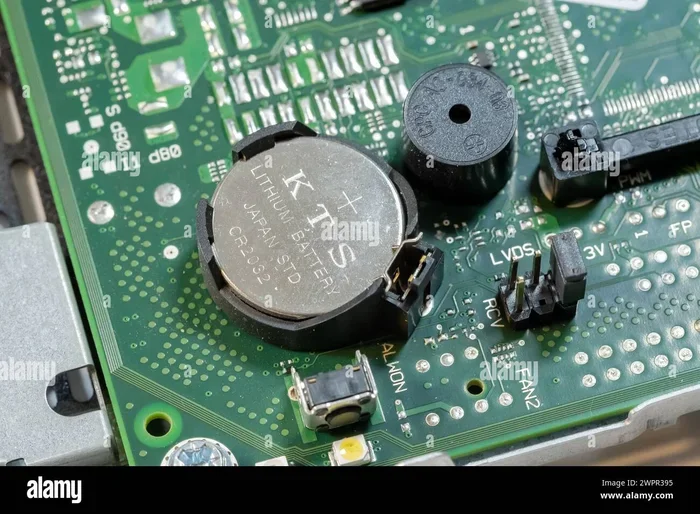
A microcontroller is a compact integrated circuit designed to govern a specific operation in an embedded system. Think of it as a miniature brain that follows instructions stored in its memory. It reads inputs from sensors, processes that information, and sends signals to control actuators and other components.
Here is what a typical microcontroller includes:
- CPU (Central Processing Unit): The brain that executes instructions and processes data.
- RAM: Short-term memory used while the device is running.
- Flash Memory: Long-term storage for the program code.
- I/O Ports: Connections that let the chip communicate with sensors, buttons, and displays.
- Timers and Counters: Help manage timing-related tasks precisely.
Popular microcontroller families include Arduino, PIC, AVR, and ARM-based chips. Each one is designed for different levels of complexity and power needs. The Arduino, for example, is a favorite among beginners and hobbyists because it is easy to program and very affordable.
Everyday Household Devices
You probably have dozens of devices at home that use a microcontroller. These chips work silently in the background, making your life more convenient every day.
Smart Home Appliances
Smart home devices are some of the most common things that use a microcontroller. Your smart thermostat uses one to monitor temperature and adjust your heating system. A smart refrigerator uses a microcontroller to manage cooling cycles and display settings.
Robot vacuums are another great example. The microcontroller inside processes data from sensors to map your room and navigate around furniture. Without it, your vacuum would just be a spinning brush on the floor.
Kitchen Gadgets
Your microwave, coffee maker, and toaster all contain microcontrollers. These chips control cooking times, power levels, and user inputs. When you press a button on your microwave, the microcontroller interprets your input and starts the heating cycle.
Even modern blenders and food processors use them. The chip manages speed settings and safety features like auto-shutoff when the motor overheats.
Washing Machines and Dishwashers
Modern washing machines use microcontrollers to control wash cycles, water temperature, and spin speed. The chip reads input from buttons and sensors, then adjusts the cycle accordingly. Dishwashers work the same way, managing water flow, heating, and spray patterns.
These machines would not be able to offer multiple cycle options without a microcontroller managing the logic behind each setting.
Automotive Applications
Cars are packed with microcontrollers. A modern vehicle can contain over 100 of these chips, each handling a different task. They are essential to how cars operate safely and efficiently today.
Engine Control Units
The Engine Control Unit, or ECU, is one of the most important microcontroller systems in any car. It monitors fuel injection, ignition timing, and emissions. The chip receives data from sensors throughout the engine and makes real-time adjustments to keep everything running smoothly.
Without the ECU microcontroller, modern engines would not be nearly as efficient or reliable.
Safety Systems
Anti-lock braking systems (ABS), traction control, and airbag deployment all rely on microcontrollers. These chips process sensor data in milliseconds to decide when to activate safety features. The speed and precision of the microcontroller can literally save lives.
Advanced driver assistance systems (ADAS) also use multiple microcontrollers to handle tasks like lane departure warnings and automatic emergency braking.
Infotainment Systems
Your car’s infotainment system uses a microcontroller to manage the touchscreen, audio system, and navigation. It connects to your phone via Bluetooth and handles voice commands. These chips make driving more connected and entertaining.
Medical Devices
The medical industry depends heavily on microcontrollers. These chips help deliver precise, reliable performance in devices that people’s lives depend on.
Pacemakers and Implantable Devices
A pacemaker uses a microcontroller to monitor heart rhythms and deliver electrical pulses when needed. The chip is incredibly small and must operate reliably for years inside the human body. This is one of the most critical applications of microcontroller technology.
Insulin pumps also use them to deliver precise doses of medication based on real-time sensor readings.
Diagnostic Equipment
Blood pressure monitors, glucose meters, and pulse oximeters all contain microcontrollers. These chips process sensor data and display clear readings for patients and doctors. They make home healthcare more accessible and accurate.
Even advanced imaging equipment like ultrasound machines use microcontrollers to manage signal processing and image construction.
Hospital Equipment
Ventilators, infusion pumps, and patient monitoring systems all use microcontrollers to operate safely and accurately. These devices must respond instantly to changing patient conditions, and the microcontroller makes that possible.
Industrial and Manufacturing Systems
Factories and industrial facilities use microcontrollers to automate processes and improve efficiency. These chips are the backbone of modern manufacturing.
Robotics and Automation
Robots in manufacturing plants use microcontrollers to control movement, grip objects, and assemble products with precision. Each robot arm has one or more chips managing its motors and sensors in real time.
Industrial robots would not be able to perform repetitive tasks with such accuracy without powerful microcontroller systems guiding every motion.
Conveyor Systems and Assembly Lines
Conveyor belts in warehouses and factories use microcontrollers to manage speed, sorting, and routing. The chip receives signals from sensors that detect products and directs the system to move items to the right location.
This kind of automation would be impossible without reliable microcontroller technology managing the logic and timing.
Quality Control and Monitoring
Quality control systems in manufacturing use microcontrollers to inspect products and detect defects. Cameras and sensors feed data to the chip, which analyzes it and flags any issues. This helps companies maintain high standards while reducing waste.
Some facilities even use specialized cameras like WDR cameras for detailed inspection, which themselves rely on microcontrollers to process images and adjust exposure settings automatically.
Consumer Electronics and Wearables
Consumer electronics are another major category of things that use a microcontroller. From smartphones to fitness trackers, these chips are everywhere.
Smartphones and Tablets
While smartphones use powerful processors, they also contain smaller microcontrollers for specific tasks. The chip that manages your battery charging, the one that controls your flashlight, and the one that handles your fingerprint sensor all are separate microcontrollers. Each one handles a dedicated job efficiently.
Wearable Technology
Fitness trackers and smartwatches use microcontrollers to monitor your heart rate, count steps, and track sleep. These chips are extremely small and power-efficient because they need to run for days on a single charge.
Some wearables even include sensors that connect to gully cameras and monitoring systems for outdoor and industrial use, all managed by embedded microcontroller units.
Drones and Cameras
Drones use microcontrollers to stabilize flight, process GPS data, and control camera gimbals. Trail cameras and wildlife monitoring cameras also use these chips to manage motion detection, image capture, and power management.
Devices like trail cameras with time lapse features rely on microcontrollers to schedule photo captures and manage storage efficiently in the field.
Transportation and Infrastructure
Beyond personal vehicles, microcontrollers play a big role in broader transportation and infrastructure systems.
Traffic Lights and Signals
Traffic lights use microcontrollers to manage signal timing and respond to traffic flow. Adaptive traffic systems use sensors and chips to adjust light cycles in real time, reducing congestion and improving safety.
Elevators and Escalators
Elevators contain microcontrollers that control floor selection, door operations, and safety brakes. Escalators use them to manage speed and detect obstructions. These systems must be extremely reliable, and the microcontroller ensures consistent performance.
Utility Meters and Grid Systems
Smart utility meters use microcontrollers to track electricity, gas, and water usage. They transmit data to utility companies automatically, making billing more accurate and helping consumers monitor their usage in real time.
Why Microcontrollers Matter
The reason microcontrollers are so widespread comes down to a few key advantages. First, they are incredibly affordable. A single chip can cost just a few cents to manufacture. Second, they are tiny, often smaller than a fingernail. Third, they use very little power, which makes them perfect for battery-operated devices.
Microcontrollers are also highly reliable. Once programmed, they can run the same task for years without failure. This makes them ideal for safety-critical applications like medical devices and automotive systems.
Another reason they matter is flexibility. A single type of microcontroller can be programmed for thousands of different uses. Whether you need to control a simple LED or manage a complex robotic arm, the same basic chip architecture can be adapted to the task.
The rise of IoT (Internet of Things) has only increased the importance of microcontrollers. As more devices connect to the internet, the need for small, affordable, programmable chips grows. Smart cities, connected homes, and industrial automation all depend on microcontroller technology at their core.
Common Mistakes People Make About Microcontrollers
There are a few misunderstandings that come up often when people talk about microcontrollers. Let me clear those up.
Mistake 1: Thinking a microcontroller is the same as a microprocessor. A microprocessor is just the processing chip. A microcontroller includes the processor, memory, and I/O all in one package. They serve different purposes.
Mistake 2: Assuming all microcontrollers are the same. There are many types, from simple 8-bit chips to powerful 32-bit processors. Choosing the right one depends on your project requirements and complexity.
Mistake 3: Underestimating power consumption. Even though microcontrollers use little power, poor design can still drain batteries quickly. Always consider sleep modes and power management in your project.
Mistake 4: Ignoring the need for proper firmware. A microcontroller is only as good as its code. Writing clean, efficient firmware is essential for reliable device performance.
Quick Tips for Understanding Microcontrollers
- Start with Arduino: If you are new to microcontrollers, Arduino is the easiest platform to learn. It has a huge community and tons of tutorials.
- Think about the job: When choosing a microcontroller, always consider what task it needs to perform. Simple tasks need simple chips.
- Check power requirements: For battery-powered devices, look for low-power microcontroller options to extend battery life.
- Plan for expansion: Choose a chip with enough I/O pins and memory if you think your project might grow later.
- Read the datasheet: Every microcontroller has a datasheet that explains its capabilities. This is your best friend when designing a project.
Expert Insights
Industry experts often say that microcontrollers are the unsung heroes of modern technology. They are everywhere, yet most people never think about them. As one engineer put it, “Every smart device you own has at least one microcontroller working hard behind the scenes.”
The trend toward edge computing is making microcontrollers even more important. Instead of sending all data to the cloud, more devices now process information locally using embedded chips. This reduces latency, saves bandwidth, and improves privacy.
As artificial intelligence moves to smaller devices, microcontrollers are becoming smarter too. TinyML, or tiny machine learning, is a growing field that brings AI capabilities to low-power chips. This opens up exciting possibilities for smart sensors, predictive maintenance, and intelligent automation.
Conclusion
So what things use a microcontroller just about everything electronic you touch. From your morning coffee maker to your car’s safety systems, from hospital equipment to factory robots, these tiny chips are the quiet workhorses of modern life. The microcontroller may be small, but its impact is enormous.
Understanding what microcontrollers do helps you appreciate the technology around you. It also opens doors if you want to build your own projects or pursue a career in electronics and embedded systems. The world of microcontrollers is vast, accessible, and full of opportunity.
Whether you are a curious beginner or an experienced maker, there is always something new to learn about these incredible chips. Start exploring, start building, and you will see just how powerful a tiny microcontroller can be.
Frequently Asked Questions
What are the most common devices that use a microcontroller?
Common devices include smart home appliances, washing machines, microwaves, cars, medical equipment, fitness trackers, and robots. Almost any electronic device that needs to perform a specific task automatically likely contains a microcontroller. They are the most widely used type of computer chip in the world.
How is a microcontroller different from a microprocessor?
A microprocessor is just the processing unit and needs external components to function. A microcontroller has the processor, memory, and input/output all built into one chip. This makes a microcontroller more self-contained and ideal for embedded tasks where space and cost matter.
Can I use a microcontroller for a DIY project?
Absolutely! Platforms like Arduino and Raspberry Pi Pico make it very beginner-friendly to start working with microcontrollers. You can build anything from a simple LED blinker to a weather station or robot. The learning curve is gentle and the community support is excellent.
Do all smart home devices use microcontrollers?
Most smart home devices do use a microcontroller to handle specific functions like sensor reading, communication, and automation. However, more complex devices like smart speakers may also include a more powerful processor alongside the microcontroller. The two work together to deliver the full feature set.
What role do microcontrollers play in automotive systems?
Cars use dozens of microcontrollers for engine control, safety features like ABS and airbags, infotainment, and driver assistance. Each chip handles a dedicated task, and together they make modern vehicles safer, more efficient, and more connected than ever before.
Are microcontrollers only used in electronics?
While they are most common in electronics, microcontrollers also appear in mechanical systems that require digital control. Examples include industrial machinery, traffic signals, and utility meters. Any system that needs automated, precise control can benefit from a microcontroller.