Why Are Thermal Imaging Cameras So Expensive
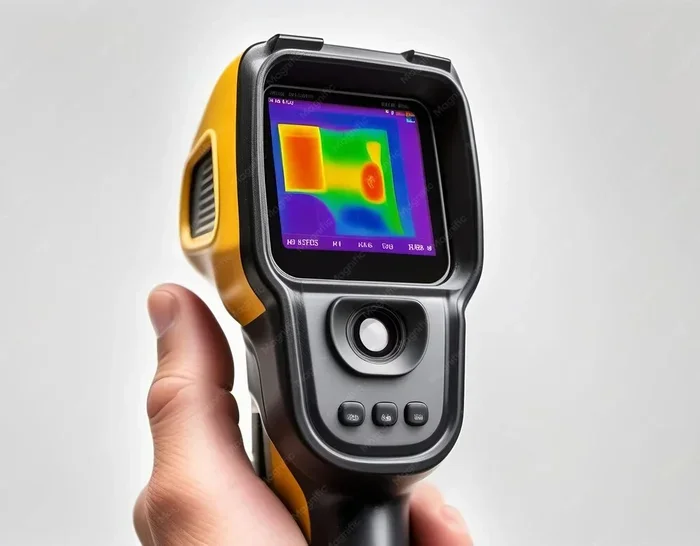
Thermal imaging cameras cost more because they use special infrared sensors that detect heat instead of visible light. Building these high-tech components requires advanced manufacturing and strict quality control. If you want to save money, look into renting a thermal camera or buying entry-level models for basic tasks. Understanding the real value helps you pick the right tool without overspending.
If you have ever shopped for thermal imaging cameras, you probably noticed the price tag right away. A basic visible-light camera can cost very little. A thermal camera often costs much more. This big price gap makes many people ask one simple question: why are thermal imaging cameras so expensive? The short answer is that these devices do much more than take regular photos. They detect heat, process invisible energy, and turn it into a clear picture. That takes specialized parts, careful engineering, and strict testing.
In this guide, we will break down the real reasons behind the cost. We will look at the technology, the materials, the features, and the market. We will also share practical tips so you can choose the right option for your needs. Whether you want to inspect electrical panels, check for air leaks, or explore thermal imaging for home use, understanding the price will help you spend wisely.
Key Takeaways
- Core technology drives cost: special infrared sensors and heat detection lenses are complex to build and test.
- Resolution and sensitivity matter: higher thermal resolution and better temperature accuracy raise the price.
- Build quality adds value: rugged industrial thermal cameras cost more because they survive harsh conditions.
- Features increase price: radiometric imaging, video recording, and software analysis add to the total cost.
- Renting can save money: if you only need a camera for a short project, rent a thermal imaging camera instead of buying.
- Compare use cases first: match the camera to your task so you do not pay for features you will not use.
- Buy smart, not cheap: a reliable thermal camera from a trusted brand often costs less over time than a low-quality unit.
📑 Table of Contents
- Why Are Thermal Imaging Cameras So Expensive: The Core Technology
- Why Are Thermal Imaging Cameras So Expensive: Manufacturing and Quality Control
- Why Are Thermal Imaging Cameras So Expensive: Features and Performance
- Why Are Thermal Imaging Cameras So Expensive: Market, Demand, and Use Cases
- Why Are Thermal Imaging Cameras So Expensive: Common Misconceptions
- Why Are Thermal Imaging Cameras So Expensive: How to Choose the Right One
- Conclusion
Why Are Thermal Imaging Cameras So Expensive: The Core Technology
The biggest reason for the high price is the infrared sensor inside the camera. Regular cameras capture visible light. Thermal cameras capture heat energy. That heat energy is a form of infrared radiation. This radiation is invisible to the human eye, so the camera must translate it into an image we can understand.
This translation process is not simple. The sensor has to detect tiny differences in temperature. It then sends that data to a processor, which builds a heat map on the screen. Every step in this chain adds cost. The sensor itself is made with advanced materials and precise manufacturing methods. Even small flaws can affect temperature accuracy, so quality control matters a lot.
Another key part is the lens. Standard glass blocks infrared energy, so thermal cameras cannot use normal camera lenses. Instead, they need special materials that allow infrared light to pass through. These materials are more expensive to produce and shape. That is one reason the optical system in a thermal imaging camera costs more than the lens in a regular camera.
Infrared Sensors and Heat Detection
Think of the infrared sensor as the heart of the system. It measures heat signatures and turns them into digital data. There are different sensor types, and each one affects the price in a different way. Some sensors are made for quick spot checks. Others are built for detailed radiometric imaging, where every pixel carries temperature data.
When you compare models, you will often see terms like thermal resolution and temperature range. A camera with a higher resolution can show more detail in the heat image. That extra detail is useful for serious inspections, but it also increases the cost. A camera with a wider temperature range can measure hotter or colder surfaces, which is important for industrial work.
Specialized Lenses and Materials
The lens system is another major cost factor. Infrared lenses are often made from materials such as germanium or other specialized compounds. These materials are not common, and they are not easy to work with. They must be polished and coated carefully so the infrared energy passes through clearly.
Because these lenses are costly, even a small scratch or flaw can ruin the performance. That means manufacturers must handle them with extra care. They also need protective housing and seals to keep dust, moisture, and damage away. All of this adds to the final price of a thermal camera.
Why Are Thermal Imaging Cameras So Expensive: Manufacturing and Quality Control
Technology is only part of the story. The way these cameras are built also affects the cost. Thermal imaging cameras are often used in serious situations. They may be dropped, exposed to dust, or used in hot and cold environments. So manufacturers cannot cut corners on build quality.
Each unit usually goes through testing before it leaves the factory. Engineers check the sensor response, the calibration, and the overall performance. This testing helps ensure that the camera gives reliable results. Reliable results matter a lot when you are inspecting electrical systems, mechanical equipment, or building envelopes.
Precision Calibration
Calibration is one of the hidden costs in a thermal camera. A thermal image is only useful if the temperature readings are accurate. Calibration aligns the camera’s readings with known standards. Without it, the image may look interesting, but the numbers may not be trustworthy.
Some cameras come with a calibration certificate. Others may need periodic recalibration over time. This service adds to the total cost of ownership. Still, it is worth it for anyone who needs dependable data. If you are using a camera for professional work, accuracy is not a luxury. It is a requirement.
Durability and Rugged Designs
Many thermal imaging cameras are built to handle tough conditions. They may have rubberized housings, sealed buttons, and strong screens. Some are designed for field use, while others are made for controlled indoor environments. The more rugged the design, the higher the cost usually is.
This durability is important if you work outdoors, on construction sites, or in industrial plants. A fragile device would not last long in those places. So the extra protection is not just marketing. It is a practical feature that helps the camera survive real-world use.
Why Are Thermal Imaging Cameras So Expensive: Features and Performance
Price also rises with the number of features a camera offers. A basic model may simply show a heat image. A more advanced model may measure temperature, record video, save data, and connect to software for deeper analysis. Each of these features adds development time, software work, and hardware cost.
For example, radiometric imaging lets you store temperature values for every pixel. That is very useful for reporting and comparison. But it requires more processing power and more memory. Likewise, video recording on a thermal camera takes more bandwidth and storage than a simple still image.
Resolution, Sensitivity, and Range
When people compare thermal cameras, they often look at three main specs:
- Thermal resolution: more pixels mean more detail in the heat image.
- Sensitivity: better sensitivity helps the camera detect smaller temperature differences.
- Temperature range: a wider range lets the camera handle hotter or colder targets.
These specs are closely tied to performance. A camera with better numbers can do more precise work. That is great for professionals, but it also pushes the price upward. If you only need a rough view of heat patterns, you may not need the most advanced specs. If you need detailed measurements, then paying for higher performance makes sense.
Software, Analysis, and Reporting
The camera itself is only part of the system. Many users also need software to view images, adjust palettes, measure areas, and create reports. Some thermal camera packages include this software. Others sell it separately. Either way, the software adds value and cost.
Good software can save time. It can help you mark problem areas, compare images, and export findings. For technicians and inspectors, that can be just as important as the hardware. So when you look at the price, remember to think about the full workflow, not just the device.
Why Are Thermal Imaging Cameras So Expensive: Market, Demand, and Use Cases
The market for thermal imaging has grown a lot, but it is still smaller than the market for regular cameras. Smaller production volumes can mean higher unit costs. When a product is made in smaller batches, the fixed costs are spread across fewer units. That can keep prices higher.
Demand also affects pricing. Thermal cameras are used in many fields, including electrical inspection, building diagnostics, mechanical maintenance, and security. Some users need advanced tools with strong accuracy. Others want a simple device for occasional checks. Manufacturers often create different product tiers to serve these different needs.
Professional vs. Consumer Use
A professional thermal camera is usually built for accuracy, durability, and detailed reporting. It may include better calibration, stronger software support, and more robust hardware. These features are valuable for daily use on the job. They also raise the price.
A consumer or entry-level model may be simpler. It might be fine for quick home inspections, hobby projects, or basic learning. These units usually cost less because they have fewer features and lower specifications. The tradeoff is that they may not be as precise or as durable.
Renting as a Smart Alternative
If you only need a thermal camera for a short project, buying one may not be the best choice. In that case, you can rent a thermal imaging camera for the time you need it. Renting can be a smart way to access higher-end gear without paying the full purchase price.
This is especially helpful for one-time inspections, special troubleshooting tasks, or trial projects. Before you rent, make sure the camera matches your task. Check the thermal resolution, temperature range, and any software features you may need. If you want to explore rental options, you can look into where to rent a thermal imaging camera and compare available units.
Why Are Thermal Imaging Cameras So Expensive: Common Misconceptions
There are a few common myths about thermal camera pricing. One myth is that all thermal cameras are the same. In reality, there is a big difference between a basic heat viewer and a professional measurement tool. Another myth is that a higher price always means better quality. Usually it does, but not always. You still need to compare specs and features.
Some people also think thermal cameras can do things they cannot actually do. For example, many users ask whether these devices can see through solid objects. If you are curious about that topic, you may want to read can thermal cameras see through walls to understand the real limits of the technology. Knowing what a camera can and cannot do helps you avoid paying for the wrong tool.
What You Are Really Paying For
When you buy a thermal camera, you are paying for more than a screen and a sensor. You are paying for accurate heat detection, reliable calibration, durable construction, and useful software features. You are also paying for the research and development that made the device possible. In other words, the price reflects both the hardware and the engineering behind it.
That does not mean every camera is worth every dollar. It means you should compare value, not just price. A cheaper camera may save money upfront, but it might not give the accuracy or durability you need. A more expensive camera may be the better choice if it saves time, improves results, and lasts longer.
Why Are Thermal Imaging Cameras So Expensive: How to Choose the Right One
The best way to manage cost is to choose the right camera for your actual needs. Start by defining your main task. Are you checking for insulation gaps, looking for overheating parts, or just learning how thermal imaging works? Your goal should guide your budget.
Next, focus on the features that matter most. If you need temperature measurements, make sure the camera provides them accurately. If you only want a visual heat check, a simpler model may be enough. If you work in rough conditions, prioritize durability. If you need reports, look for strong software support.
Quick Tips for Buying Smart
- Define your main use case before you shop.
- Compare thermal resolution and temperature range against your needs.
- Check whether the camera includes calibration or support.
- Look at the full package, including software and accessories.
- Consider renting if your project is short-term.
- Read reviews from users with similar tasks.
A good purchase is one that fits your work and your budget. You do not need the most advanced thermal imaging camera if a simpler one can do the job. On the other hand, do not underbuy if your work depends on accurate measurements and reliable performance.
Common Mistakes to Avoid
- Buying the cheapest model without checking accuracy.
- Paying for advanced features you will never use.
- Ignoring durability when working in tough environments.
- Forgetting about software, storage, and reporting needs.
- Assuming all thermal cameras perform the same way.
Conclusion
So, why are thermal imaging cameras so expensive? The answer comes down to specialized technology, careful manufacturing, and useful but costly features. These cameras use infrared sensors, special lenses, and advanced processing to turn heat into clear, measurable images. That is not easy to build, and it is not cheap to test.
At the same time, the price is easier to understand when you look at the value. A good thermal camera can help you spot problems early, save time, and make better decisions. If you need that kind of performance, the investment can be worth it. If you only need occasional access, renting may be the smarter path. Either way, knowing what drives the cost helps you choose with confidence.
Frequently Asked Questions
Why are thermal imaging cameras so expensive compared with regular cameras?
Thermal cameras use specialized infrared sensors and special lenses that detect heat instead of visible light. These parts are harder to make, test, and calibrate, so the total cost is higher than a standard visible-light camera.
What makes one thermal camera cost more than another?
The main differences are thermal resolution, sensitivity, temperature range, durability, and software features. A camera with better measurement accuracy, stronger build quality, and more advanced analysis tools will usually cost more.
Can I save money by renting a thermal imaging camera?
Yes, renting can be a smart choice if you only need the camera for a short project or want to test a higher-end model. It lets you access better gear without paying the full purchase price.
Do thermal cameras need special lenses?
Yes, because ordinary glass blocks infrared energy. Thermal cameras need lenses made from materials that allow infrared radiation to pass through, which makes the optics more expensive.
Are expensive thermal cameras always better?
Not always. A higher price often means better specs and durability, but the best camera is the one that matches your task. If you do not need advanced features, a simpler model may be a better value.
What should I look for before buying a thermal camera?
Focus on your main use case, the needed temperature range, thermal resolution, calibration support, and software features. It also helps to think about where you will use the camera, since rugged conditions may require a tougher design.