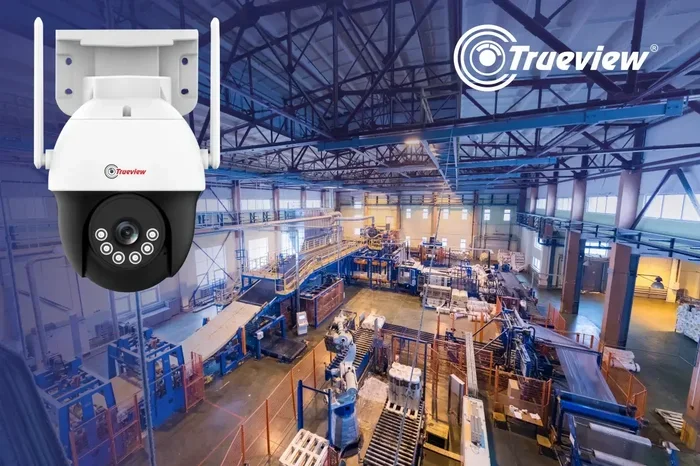
Why Every Construction Company Needs a Time Lapse Camera

Time‑lapse cameras turn months of construction into seconds of visual storytelling. They protect your crew, impress clients, and give you a powerful tool for project documentation—all while costing less than you think.
Key Takeaways
- Safety documentation: A time‑lapse camera records site activity, helping you spot hazards and respond quickly.
- Marketing gold: Turn raw footage into eye‑catching reels that win new business.
- Legal protection: Video evidence can settle disputes and defend against claims.
- Project management aid: Review progress, spot delays, and keep the schedule on track.
- Cost‑effective technology: Modern units run on solar or battery power and need minimal maintenance.
- Easy integration: Mounting solutions fit scaffolding, drones, or even a motorcycle‑style rig for moving shots.
- Future‑proof data: Cloud storage keeps footage safe for years, ready for audits or promotions.
📑 Table of Contents
- Introduction: Seeing the Bigger Picture
- 1. Safety and Liability: A Watchful Eye on the Site
- 2. Marketing Magic: Turning Brickwork into Storytelling
- 3. Project Management: Seeing Delays Before They Happen
- 4. Cost‑Effectiveness: High ROI on a Small Investment
- 5. Installation Tips: Getting the Best Angle and Longevity
- 6. Future Trends: AI, Drones, and Integrated Site Analytics
- Conclusion: Capture, Protect, and Promote
Introduction: Seeing the Bigger Picture
Imagine watching an entire skyscraper rise from the ground up in just 30 seconds. That’s the power of a time lapse camera. For construction firms, it’s more than a cool visual—it’s a daily workhorse that boosts safety, streamlines communication, and fuels marketing.
In this article we’ll walk through why every construction company should add a time‑lapse system to its toolbox. We’ll cover real‑world examples, practical set‑up tips, and how the footage can save you money and headaches down the line.
1. Safety and Liability: A Watchful Eye on the Site
Real‑time monitoring without the extra staff
Construction sites are bustling, high‑risk environments. A time‑lapse camera continuously records activity, creating a visual log that can be reviewed hour by hour. If a worker slips or equipment is misplaced, you have exact footage to investigate.

Visual guide about Why Every Construction Company Needs a Time Lapse Camera
Image source: strivespinalhealth.com
Evidence for insurance and disputes
When a claim arises, insurers often ask for proof of site conditions. A well‑maintained time‑lapse archive shows that safety protocols were followed, reducing claim payouts.
Integrating with existing security systems
Many firms already have a commercial security camera installation in place. Adding a time‑lapse unit is usually as simple as plugging it into the same network, giving you both live surveillance and long‑term documentation.
2. Marketing Magic: Turning Brickwork into Storytelling
Client presentations that wow
Prospects love to see progress in motion. A short video of the foundation pouring, steel frames climbing, and the façade finishing can turn a boring spreadsheet into a compelling narrative.

Visual guide about Why Every Construction Company Needs a Time Lapse Camera
Image source: plantbasedsavage.com
Social media and PR
Platforms like Instagram and LinkedIn reward video content. A 15‑second time‑lapse clip gets more likes and shares than any static photo. It also showcases your firm’s efficiency and technical prowess.
Case study: From zero to hero
One mid‑size contractor used a time‑lapse camera on a downtown office tower. The final video helped them land two new contracts worth $12 million because the client could visually confirm the team’s speed and quality.
3. Project Management: Seeing Delays Before They Happen
Spotting bottlenecks early
By reviewing daily or weekly compressed footage, project managers can see where work stalls—perhaps a concrete pour took longer than planned or a crane was idle. Early detection means you can re‑allocate resources before the schedule slips.

Visual guide about Why Every Construction Company Needs a Time Lapse Camera
Image source: believeinmind.com
Data‑driven reporting
Instead of vague “we’re on track” emails, attach a short time‑lapse segment to weekly reports. Stakeholders instantly understand progress, which reduces meeting time and improves decision‑making.
Integrating with BIM and scheduling tools
Most modern BIM software accepts video overlays. Sync the time‑stamped footage with your Gantt chart and you get a visual progress bar that updates automatically.
4. Cost‑Effectiveness: High ROI on a Small Investment
Hardware costs are dropping
Today’s entry‑level time‑lapse units cost under $300, with professional models ranging $800‑$2,000. Compare that to the $10,000‑$20,000 you might spend on a photographer for a weekly site shoot.
Power solutions: Solar and battery options
Many cameras come with solar panels or long‑life batteries, eliminating the need for hard‑wired electricity. For remote sites, a solar‑charged unit can run for months unattended.
Maintenance is minimal
Unlike traditional security cameras, a time‑lapse rig has no moving parts. A quick visual check every two weeks and a firmware update are usually all that’s required.
5. Installation Tips: Getting the Best Angle and Longevity
Choosing the right mount
Secure the camera on a sturdy point—scaffolding, a dedicated pole, or even a motorcycle‑style rig for dynamic angles. Make sure the mount can swivel for seasonal sun changes.
Weatherproofing
Look for IP66 or higher ratings to protect against rain, dust, and extreme temperatures. Enclose the unit in a protective housing if the site is especially harsh.
Power and connectivity
If you can’t run a cable, a solar panel paired with a high‑capacity battery will keep the camera alive. For data, use a 4G LTE module or Wi‑Fi hotspot to upload clips to the cloud automatically.
6. Future Trends: AI, Drones, and Integrated Site Analytics
AI‑driven safety alerts
New software can analyze time‑lapse frames in real time, flagging unsafe behavior like workers without helmets or equipment left in walkways.
Combining drones with fixed cameras
Drone footage stitched with ground‑based time‑lapse gives a 3‑D view of progress, perfect for large campuses or infrastructure projects.
Long‑term archival for compliance
Regulatory bodies increasingly require digital logs of construction activities. Storing footage in a secure cloud ensures you meet future audit requirements.
Conclusion: Capture, Protect, and Promote
A time lapse camera is not a luxury—it’s a strategic asset that safeguards your crew, convinces clients, and sharpens your project control. With affordable hardware, simple installation, and powerful downstream uses, every construction company can reap measurable benefits. Start with one unit on your next job, and watch how a few seconds of video can change the way you build.
Frequently Asked Questions
How often should I change the battery on a time‑lapse camera?
Most modern units run 3‑6 months on a single charge when paired with a solar panel. Check the battery level monthly and replace or recharge as needed.
Can a time‑lapse camera replace traditional site photos?
It complements, not replaces, photos. Time‑lapse shows progress over time, while high‑resolution photos capture detail for inspections.
What resolution is best for construction time‑lapse?
1080p is sufficient for most marketing needs, but 4K provides extra detail for legal documentation and future zoom‑ins.
Is special software required to edit the footage?
Many cameras include built‑in stitching and compression tools. For polished videos, free programs like DaVinci Resolve work well.
How do I protect the camera from theft?
Mount it high, use tamper‑proof screws, and consider a lockable housing. Pairing with a live security feed can also deter vandals.
Can I access the footage remotely?
Yes—most units support 4G/LTE or Wi‑Fi upload to a cloud portal, letting you view the stream from any device.