Wired Spy Camera with Audio
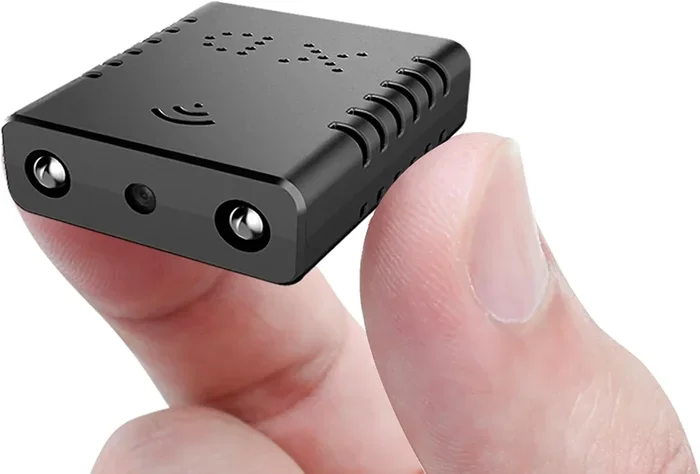
A wired spy camera with audio offers reliable, continuous recording without worrying about battery life. These discreet devices blend into everyday objects while capturing clear video and sound for security or monitoring needs. Whether you want to protect your home or keep an eye on loved ones, understanding how these cameras work helps you make a smart choice. This guide covers everything from key features to setup tips so you can find the perfect solution for your situation.
Key Takeaways
- Continuous Power Supply: Wired cameras stay connected to electricity, so they never run out of battery during long recording sessions.
- Clear Audio Capture: Built-in microphones record conversations and ambient sounds, giving you a complete picture of events.
- Discreet Designs: Many models look like everyday items, such as chargers or smoke detectors, to avoid drawing attention.
- Easy Setup Options: Most wired spy cameras plug into standard outlets and start recording with minimal configuration.
- Storage Flexibility: You can save footage locally on SD cards or upload it to cloud services for remote access.
- Legal Awareness Matters: Always check local laws about recording audio and video before placing a camera in any space.
- Quality Varies by Model: Resolution, night vision, and microphone sensitivity differ across products, so compare specs carefully.
📑 Table of Contents
- Why Choose a Wired Spy Camera with Audio
- Key Features to Look For
- Setting Up Your Wired Spy Camera
- Legal and Ethical Considerations
- Common Use Cases for Wired Spy Cameras
- Comparing Popular Wired Spy Camera Options
- Tips for Getting the Most Out of Your Camera
- Final Thoughts on Choosing the Right Camera
Why Choose a Wired Spy Camera with Audio
When you need reliable surveillance, a wired spy camera with audio stands out as a practical choice. Unlike battery-powered options, these cameras stay plugged into a power source. That means they keep recording without interruption. You do not have to worry about charging or swapping batteries. This makes them ideal for long-term monitoring in homes, offices, or other spaces where constant coverage matters.
Another big advantage is the audio feature. Many hidden cameras only capture video, but adding sound gives you more context. You can hear conversations, notice unusual noises, or verify what happened during an event. This extra layer of information can be valuable for security, childcare, or elder care situations. Of course, you must always respect privacy laws and use these tools responsibly.
A hidden camera with sound also tends to be more stable. Wired connections reduce the risk of signal dropouts that sometimes affect wireless devices. If you want a set-and-forget solution, a wired setup often delivers consistent performance. Plus, many models blend into ordinary objects, so they stay discreet without looking out of place.
Continuous Recording Without Battery Worries
Battery cameras require regular maintenance. You either charge them or replace them when they run low. A wired spy camera avoids this hassle entirely. Once you plug it in, it runs as long as it stays connected. This is especially useful for monitoring areas that need 24/7 coverage, like entry points or common rooms.
You also save time on upkeep. No need to check battery levels or schedule recharges. The camera simply keeps working. For busy households or business owners, this reliability can make a real difference. You focus on other tasks while the camera handles monitoring.
Audio Adds Context to Video Footage
Video alone sometimes leaves questions unanswered. You might see someone enter a room but not know what they said. Audio fills that gap. A wired spy camera with audio records voices and background sounds, helping you understand the full situation. This can be useful for verifying incidents or keeping track of daily activities.
Keep in mind that audio quality varies. Some cameras pick up clear speech, while others capture more general noise. If recording conversations matters to you, look for models with sensitive microphones and good noise filtering. Reading reviews and checking specs helps you find a camera that meets your needs.
Key Features to Look For
Not all wired spy cameras are built the same. Some focus on high-resolution video, while others prioritize audio clarity or discreet design. Knowing what to look for helps you pick a camera that fits your goals. Here are the main features worth considering before you buy.
Video Resolution and Night Vision
Clear footage starts with good resolution. Many modern cameras offer 1080p or higher, which provides sharp details for identifying faces or objects. If you need to read labels or see fine details, higher resolution matters. Lower resolution might work for general monitoring, but it can miss important information.
Night vision is another critical feature. Indoor spaces often get dark at night, and a camera without night vision will only capture blurry shadows. Look for cameras with infrared LEDs or low-light sensors. These tools help the camera see in dim conditions without brightening the room. A surveillance camera with microphone that handles both day and night situations gives you more complete coverage.
Audio Quality and Microphone Sensitivity
Sound recording depends heavily on the microphone. Some cameras have basic mics that capture loud noises but struggle with quiet speech. Others include better sensors that pick up conversations more clearly. If you want to hear what people say, prioritize models with strong audio specs.
Also consider whether the camera allows two-way audio. Some devices let you speak through the camera, which can be handy for communication. Others only record incoming sound. Decide what works best for your situation. A hidden camera with sound that matches your needs will feel more useful day to day.
Discreet Design and Placement Options
One of the biggest reasons people choose spy cameras is secrecy. These devices often look like common household items. A usb charger spy camera, for example, blends into any room with an outlet. Other options resemble smoke detectors, table lamps, or even air fresheners. The goal is to record without drawing attention.
Think about where you plan to place the camera. The best spot should give a clear view while staying hidden from casual notice. A table lamp with hidden camera might work well in a living room, while a charger-style camera fits near a desk or bedside table. Match the design to the location for the most natural look.
Storage and Connectivity Choices
Footage needs somewhere to go. Some cameras save video to an SD card inside the device. Others connect to a cloud service or a local receiver. Each option has pros and cons. SD cards are simple and do not need internet access, but they can fill up quickly. Cloud storage lets you check footage remotely, though it may require a subscription.
Connectivity also affects convenience. A camera that plugs into a monitor or receiver might work well for local viewing. If you want to check feeds from your phone, look for models with Wi-Fi or app support. A mini spy camera with audio that fits your storage and access preferences will be easier to use over time.
Setting Up Your Wired Spy Camera
Installation does not have to be complicated. Most wired spy cameras are designed for straightforward setup. You usually plug the device into a power outlet, insert a memory card if needed, and position the camera for the best view. A little planning goes a long way toward getting clear, useful footage.
Start by choosing the right location. The camera should cover the area you want to monitor without being easily spotted. Avoid placing it behind glass or in direct sunlight, since glare can ruin the image. Test the angle before finalizing the setup. A quick preview helps you catch problems early.
Next, check the power source. A wired surveillance camera needs a steady outlet nearby. Make sure the cord reaches without creating a tripping hazard or looking out of place. If the camera comes with a long cable, you have more flexibility in where you place it. Shorter cables may limit your options, so plan accordingly.
Positioning for the Best View
Angle matters more than many people expect. A camera placed too high might miss facial details. One placed too low could capture mostly floors or furniture. Aim for a position that shows faces and key activity areas clearly. If the camera includes a wide lens, you can cover more space from a single spot.
Also think about obstructions. Curtains, plants, and shelves can block the view. Keep the line of sight clear for the most reliable results. If you need to monitor multiple areas, you might need more than one camera. A wireless backup camera with monitor works differently, but for wired spy cameras, strategic placement is key.
Testing Audio and Video Before Finalizing
Before you consider the job done, test both video and sound. Play back a short recording to check clarity. Make sure the microphone picks up speech at normal volume. If the audio sounds muffled or too quiet, adjust the camera position or consider a different model. Small tweaks can improve results a lot.
Check the video too. Look for blur, grain, or dark spots. If night vision is included, test it in low light. A wired spy camera with audio should perform well in the conditions where you plan to use it. Testing early saves frustration later.
Legal and Ethical Considerations
Using a hidden recording device comes with responsibilities. Laws about video and audio recording vary by location. In many places, you can record video in areas where people do not have a strong expectation of privacy, like a living room or front porch. Audio rules can be stricter. Some regions require consent from at least one person, while others need everyone involved to agree.
Always check local regulations before installing a camera. This is especially important if you plan to record in shared spaces or places where others might not expect monitoring. When in doubt, get clear permission from anyone who could appear in the footage. Being transparent helps you avoid legal trouble and maintain trust.
Ethics matter too. A camera can protect your home or help you care for a family member, but it should not be used to invade privacy unfairly. Avoid placing cameras in bathrooms, bedrooms, or other intimate spaces unless you have a strong reason and proper consent. Responsible use keeps the technology helpful instead of harmful.
Understanding Privacy Expectations
People generally expect privacy in certain places. A public hallway feels different from a private office. A store aisle differs from a home bedroom. Before setting up a discreet recording device, think about whether the people being recorded would reasonably expect to be watched or heard. Respecting those expectations leads to better decisions.
If you own the space, you still need to consider guests, employees, or family members. Clear communication often prevents problems. A simple notice that monitoring is in place can go a long way. It also makes the setup more ethical and less likely to cause conflict.
When Audio Recording Needs Extra Care
Audio can be more sensitive than video. People may accept being seen on camera but feel uncomfortable knowing their words are recorded. That is why many laws treat sound recording differently. If your wired spy camera with audio captures conversations, take extra care to follow local rules and respect boundaries.
One good practice is to limit audio recording to situations where it truly adds value. If you only need video for security, a camera without sound might be enough. If you do use audio, make sure the purpose is clear and lawful. This keeps the technology focused on protection rather than intrusion.
Common Use Cases for Wired Spy Cameras
People choose wired spy cameras for many reasons. Some want to secure their homes. Others want to monitor children, elders, or pets. Business owners may use them to watch inventory or check on staff behavior. The right use depends on your goals and the setting. Here are a few common scenarios where these cameras can help.
Home Security and Monitoring
A wired spy camera with audio can strengthen home security by recording activity around the house. You might place one near an entryway, in a living area, or by a valuable item. If something unusual happens, the footage gives you a clearer picture. Audio can help you hear alarms, voices, or other sounds that signal trouble.
For many homeowners, the peace of mind is worth it. Knowing you can check what happened makes it easier to spot suspicious activity or verify everyday events. Just keep the camera in appropriate areas and follow local rules.
Nanny Cams and Elder Care
Some families use hidden cameras to check on caregivers or keep an eye on children. Others use them to monitor older relatives who live alone. In these cases, a hidden camera with sound can provide reassurance. You can see whether someone is safe, hear if they need help, or review incidents after they happen.
If you use a camera for care purposes, honesty often works best. Letting caregivers or family members know about the camera builds trust. It also keeps the setup ethical and respectful. The goal is safety, not secrecy for its own sake.
Office and Small Business Use
Small businesses sometimes use wired spy cameras to monitor supplies, cash registers, or common areas. A surveillance camera with microphone can help identify theft, track workflow, or review customer interactions. In an office, the camera might cover a reception desk or storage room.
Business use also comes with legal duties. Employees and customers may have different privacy expectations. Post clear signs when required, and avoid recording in private spaces. Used properly, a wired camera can support security without creating problems.
Comparing Popular Wired Spy Camera Options
There are many styles of wired spy cameras on the market. Some look like chargers, others like smoke detectors or lamps. Each design has strengths depending on where you want to place it. Comparing a few common types can help you narrow your choices.
Charger-Style Cameras
A usb charger spy camera is popular because it fits naturally into homes and offices. Everyone expects a charger near an outlet, so the camera stays unnoticed. These models are usually compact and easy to plug in. They work well for desks, bedside tables, or kitchen counters.
The main trade-off is space. A charger camera may have a limited view because of its small size and low placement. Still, for basic monitoring, it can be a simple and effective option.
Smoke Detector-Style Cameras
Some people prefer a smoke detector spy camera with audio because it sits high on a wall or ceiling. That position often gives a broad view of a room. The design also blends into interiors where smoke detectors are common. If you want coverage from above, this style can work well.
Make sure the camera does not interfere with real smoke detection. If you replace a working detector with a camera version, you should still maintain proper safety equipment elsewhere. Safety always comes first.
Lamp and Ambient Object Cameras
A table lamp with hidden camera offers another discreet choice. Lamps are normal in many rooms, so the camera can stay overlooked. This style can be useful in living rooms, bedrooms, or waiting areas. The light fixture shape sometimes helps the camera point in useful directions too.
As with other hidden designs, check the viewing angle before settling on a spot. A lamp camera may look natural but still need the right position to capture clear footage.
Quick Comparison
Here is a simple look at common wired spy camera styles:
- Charger-style: Easy to plug in, blends into outlets, best for lower-level monitoring.
- Smoke detector-style: High mounting, wide room view, must keep safety in mind.
- Lamp-style: Natural look in living spaces, flexible placement, depends on room layout.
- Mini standalone-style: Small and versatile, can hide in many objects, may need careful positioning.
Each type can work well when matched to the right space. Think about height, visibility, and the area you want to cover before choosing.
Tips for Getting the Most Out of Your Camera
A wired spy camera with audio works best when you use it thoughtfully. Good placement, regular checks, and clear goals make a big difference. Here are a few practical tips to help you get reliable results.
Keep the Lens Clean and Clear
Dust, smudges, and spider webs can blur the image. Wipe the lens gently with a soft cloth from time to time. If the camera sits high up or near a window, check it more often. A clean lens means sharper footage and fewer missed details.
Review Footage Regularly
Do not wait for an incident to check the recording. Periodic review helps you confirm the camera is working and capturing what you need. You can also spot issues like poor audio or blocked views early. If the camera saves to an SD card, make sure you have a routine for offloading or backing up files.
Use the Right Settings for Your Needs
Some cameras let you adjust resolution, motion triggers, or recording schedules. If you only need coverage at certain times, scheduling can save storage space. If you want constant recording, make sure the memory and power setup can handle it. Matching settings to your goals keeps the system efficient.
Common Mistakes to Avoid
A few mistakes can reduce the value of a wired spy camera with audio. Avoid placing it where glare, shadows, or obstructions block the view. Do not forget to check local recording laws, especially for audio. And do not assume every hidden camera has the same quality. Cheap models may save money but deliver poor video or weak sound.
Another common issue is poor power planning. If the cord is too short or the outlet is inconvenient, the camera may end up in a bad spot. Plan the setup before you install anything. A little effort at the start prevents frustration later.
Final Thoughts on Choosing the Right Camera
A wired spy camera with audio can be a practical tool for security, monitoring, and peace of mind. It offers steady power, continuous recording, and the added value of sound. The best choice depends on where you want to place it, what you need to capture, and how much discretion matters.
Take your time comparing features. Look at resolution, microphone quality, storage options, and design. Test the camera after setup to make sure video and audio come through clearly. And always use the device responsibly, with respect for privacy and the law. When chosen and used well, a wired spy camera can give you the visibility you need without unnecessary complexity.
Frequently Asked Questions
What is a wired spy camera with audio?
A wired spy camera with audio is a discreet recording device that stays connected to a power source and captures both video and sound. It is often built into everyday objects to stay unnoticed while monitoring a space.
Can a wired spy camera record sound clearly?
Many models can record sound, but clarity depends on the microphone quality and the distance from the source. If audio matters to you, choose a camera with good microphone specs and test it before relying on it.
Do I need consent to record audio with a hidden camera?
In many places, audio recording has stricter rules than video. You should check local laws before using a hidden recording device with sound, especially if others may be recorded without knowing.
Where should I place a wired spy camera for the best results?
Place it in a spot that gives a clear view of the area you want to monitor while staying out of obvious sight. Avoid glare, obstructions, and locations that block the lens or microphone.
How is a wired spy camera different from a battery-powered one?
A wired camera stays plugged in, so it does not run out of battery during use. Battery-powered cameras need charging or battery changes, which can interrupt recording.
What should I look for when buying a wired spy camera with audio?
Focus on video resolution, night vision, microphone sensitivity, storage options, and the design that fits your space. A mini spy camera with audio or a charger-style model may work better in some places than others, so match the camera to your needs.