Are Dash Cameras Legal in California
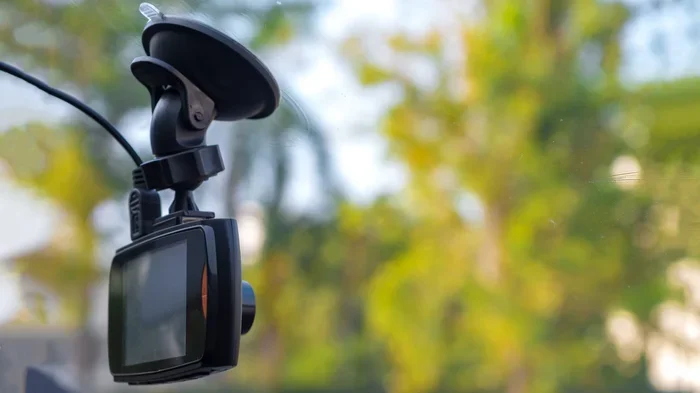
Yes, dash cameras are legal in California as long as you follow strict mounting and privacy rules. You can record video, but audio recording requires consent under state wiretapping laws. Front windshield placement is limited, and rearview mirror setups must stay clear of your view. Understanding these rules helps you protect yourself without breaking the law.
Are dash cameras legal in California? The short answer is yes. Millions of drivers across the Golden State use dash cams every single day. These small devices capture video of the road ahead. They help settle insurance claims. They prove who caused a crash. They also record hit-and-run drivers. But California has strict privacy and traffic laws. You need to know the rules before you install one. This guide breaks down everything you need to know. We cover mounting rules, audio laws, and court admissibility. You will learn how to stay safe and legal on the road.
Driving in California means sharing the road with millions of other vehicles. Accidents happen even to the best drivers. A dash cam gives you a clear record of events. It removes guesswork after a crash. It also discourages reckless behavior. Yet many drivers worry about privacy laws. They wonder if recording other cars or pedestrians breaks the law. The truth is simple. Video recording on public roads is allowed. Audio recording follows different rules. Mounting the device also has limits. Let us walk through each rule step by step.
Key Takeaways
- Dash cameras are fully legal in California for video recording while driving.
- Audio recording requires two-party consent, meaning all parties must agree to be recorded.
- Windshield mounting is restricted to a small area below the rearview mirror.
- Rearview mirror cameras must not block your view of the road ahead.
- Dash cam footage is generally admissible in court as evidence.
- Dash cams do not replace insurance or legal advice after an accident.
- Check local laws if you travel across state lines with your camera.
📑 Table of Contents
Are Dash Cameras Legal in California for Video Recording?
The state of California allows drivers to record video while on public roads. You can capture the street, traffic, and surrounding area. The law does not ban forward-facing cameras. It does not ban side cameras either. As long as you record public spaces, you stay within the law. Private property rules differ. You cannot record inside someone else’s garage or driveway without permission. But public streets are fair game. Many drivers use these devices for insurance protection. They also use them for fleet tracking and personal safety.
Video recording works best when the camera has a clear view. You want to capture license plates and road signs. You want to see traffic lights and turn signals. Modern dash cams offer high resolution and wide angles. Some models even record in night vision mode. These features help during low-light crashes. They also help when a driver flees the scene. The footage often becomes the most important evidence you have. Insurance companies value clear video. It speeds up claims and reduces disputes.
What About Recording Other Drivers?
You may wonder if recording other motorists causes legal trouble. It does not. California law allows you to record people in public places. Drivers on a public road have no expectation of privacy. You can film their vehicles, their actions, and their plates. The same rule applies to pedestrians on sidewalks. You still need to respect basic privacy norms. Do not zoom into private homes or backyards. Keep your focus on the road. That simple habit keeps you safe and compliant.
Audio Recording Laws and Consent Rules
Video and audio follow different legal paths. California is a two-party consent state for audio. That means you need permission from all parties before recording a conversation. This rule comes from the California Invasion of Privacy Act. It applies to confidential communications. A road conversation is not always confidential. Still, the safest approach is to disable audio recording. Many drivers turn off the microphone feature. They only keep video recording active. This avoids any legal gray areas.
Some dash cams record sound inside your own vehicle. If you record only your own voice, the rule is clearer. You generally own your own words. But if passengers speak, they may have privacy rights. The safest path is to inform everyone in the car. You can place a small sign or give a quick verbal notice. That builds clear consent. It also keeps your footage clean for legal use. Many fleet companies follow this practice. They want zero doubt about audio legality.
Should You Record Audio at All?
Most experts recommend turning off audio recording. Video alone usually proves what you need. It shows speed, lane position, and impact direction. Audio rarely adds critical value to a crash claim. It can also create privacy headaches. You might record a private argument or a phone call. That footage becomes harder to use in court. It could even violate state wiretapping rules. Stick to video unless you have a clear reason to record sound. If you do record audio, get consent first.
Where You Can Mount Your Dash Cam in California
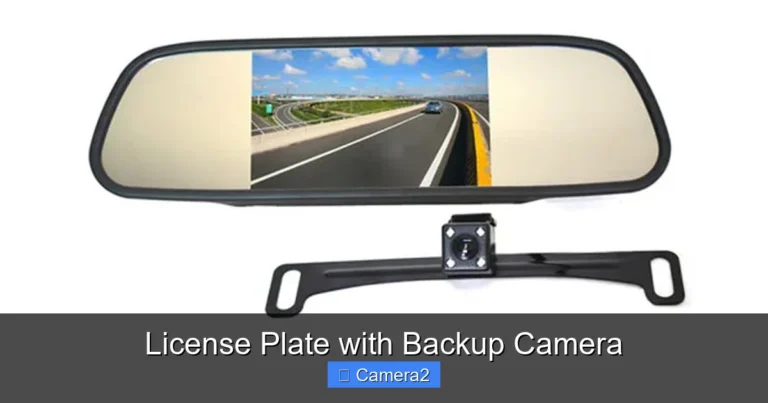
Mounting rules matter a lot in California. The state limits what you can place on the windshield. You cannot block your view of the road. The law allows small mounting areas near the rearview mirror. You must keep the device out of your direct line of sight. Many drivers choose a low corner placement. Others use a rearview mirror dash cam. These models replace or attach to the mirror. They stay compact and clear. The goal is simple. Keep the road fully visible at all times.
California Vehicle Code section 26708 covers windshield obstructions. It bans objects that reduce your view. A large camera box can violate this rule. A thin suction cup mount usually passes. You also need to avoid the central wiper sweep area. Dirt and rain can smear the lens. That ruins your footage. Pick a spot with clean airflow and stable suction. Test the view before you drive. Make sure you can see every lane and signal.
Front Windshield vs Rearview Mirror Placement
Front windshield mounts give a wide forward view. They capture more of the road and the opposite lane. They also show traffic signals and crosswalks. The trade-off is a larger device on the glass. You must keep it small and low. Rearview mirror mounts solve the size issue. They sit higher and stay out of the way. Some models include a small screen on the mirror. That screen helps you check recordings quickly. Both options work well when installed correctly. Choose the one that fits your car and your driving habits.
Dash Cam Footage in Court and Insurance Claims
Dash cam footage holds strong value in legal and insurance settings. California courts generally accept video evidence. The footage must be clear and unaltered. You should save the original file right after an event. Do not edit the clip. Do not crop out context. Keep the full recording with timestamps. That preserves the chain of evidence. Insurance adjusters also prefer raw files. They can verify the speed, position, and sequence of events. This often leads to faster claim resolution.
You should also know how to share the footage safely. Upload the file to a secure cloud folder. Keep a backup on a USB drive. Label the file with the date and location. Write a short note about what happened. This helps your attorney or adjuster understand the clip. If you need to file a report, include the video link. Many police departments accept digital evidence. They may ask for the original file. Always keep your copies safe and organized.
What Makes Footage Admissible?
Several factors affect admissibility. The video must show the actual event. It must not be edited or misleading. The camera must have a clear time and date stamp. The lens must face the correct direction. The footage should match other evidence, like witness statements. If the video is blurry or incomplete, it still helps. Partial footage can support a claim. But clear, full coverage works best. Test your camera before long trips. Check the lens, the battery, and the storage card.
Common Mistakes Drivers Make with Dash Cams
Many drivers rush the installation process. They stick the camera in the wrong spot. They block a mirror or a sensor. They forget to check the view in different light conditions. These mistakes reduce the value of the footage. Another common mistake is ignoring storage limits. Dash cams loop recordings when the card fills up. If you do not check the card, you might lose the clip you need. Set a regular schedule to review and clear space.
Some drivers also forget about power settings. Hardwire kits keep the camera running when the car is off. This helps capture parking lot incidents. But it can drain the battery if not set correctly. Others rely only on the camera and ignore safe driving. A dash cam is a tool, not a shield. You still need to follow traffic laws. You still need to stay alert. Use the camera as backup, not as a replacement for good habits.
Quick Tips for Safe and Legal Use
- Pick a small mount that stays below the rearview mirror.
- Disable audio unless you have a clear need and consent.
- Check the view before every long trip.
- Use a high-quality SD card with enough storage.
- Save important clips right after an incident.
- Keep the lens clean from dust and rain spots.
- Test night recording to ensure clear low-light footage.
Expert Insights on Dash Cam Use in California
Traffic safety experts recommend a simple setup. They suggest a forward-facing camera with a wide lens. They also suggest a secondary cabin camera for ride-share drivers. That extra angle helps verify passenger behavior. For regular drivers, one clear forward view usually suffices. Experts also advise checking local rules if you drive across state lines. Some states have different audio and mounting rules. A quick review prevents surprises on a road trip.
Legal professionals stress the value of raw, unaltered files. They warn against editing clips for social media. Edited videos can lose legal value. They also warn against sharing footage publicly without care. You might reveal personal details or license plates. Blur sensitive information before posting. That protects privacy and keeps your focus on the facts. A careful approach makes your footage more useful when it matters most.
Key Takeaways for Everyday Drivers
Dash cams offer peace of mind on California roads. They record the facts when memories fail. They help with insurance claims and accident reports. They also discourage risky behavior from other drivers. The key is to use them wisely. Mount the device correctly. Keep audio off unless you get consent. Save and protect your files. Follow state traffic laws at all times. With these habits, your camera becomes a reliable safety tool.
If you want to learn more about camera rules in other settings, you can explore topics like security cameras in classrooms, workplace camera rights, and public space recording laws. Understanding privacy rules across different spaces helps you stay informed as a responsible driver and citizen.
Frequently Asked Questions
Are dash cameras legal in California for all drivers?
Yes, dash cameras are legal in California for everyday drivers. You can record video on public roads without special permits. Just follow mounting limits and avoid blocking your view.
Do I need consent to record audio with a dash cam in California?
California requires two-party consent for confidential audio recordings. The safest choice is to turn off audio recording. If you keep it on, inform passengers and get clear permission.
Where can I mount a dash cam on my windshield in California?
You can mount the device in a small area near the rearview mirror. It must not block your line of sight. Keep the setup low and compact to stay within vehicle code rules.
Will dash cam footage hold up in a California court?
Yes, clear and unaltered video is generally admissible. Keep the original file with the time stamp intact. Avoid editing the clip so it stays reliable as evidence.
Can a dash cam record when my car is parked?
Some models can record while parked if they have a hardwire kit or backup battery. This helps capture parking lot incidents. Check your device settings to avoid battery drain.
Do dash cameras work when the car is off?
They can if you install a continuous power connection. Otherwise, most units shut down when the engine stops. Review your model features before relying on parking mode.