Are Hospitals Allowed to Have Cameras in the Rooms
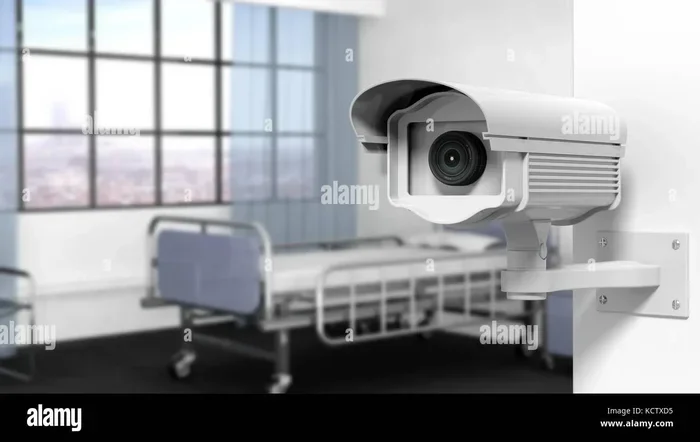
Are hospitals allowed to have cameras in the rooms is a common question with a complex answer. Laws vary by location, but patient privacy usually limits where cameras can go. Safety needs often allow cameras in hallways and common areas. You will learn the key rules, your rights, and what to expect during a hospital stay.
Key Takeaways
- Privacy laws protect patients: Most regions forbid cameras in private spaces like patient rooms and restrooms.
- Safety drives camera use: Hospitals often use cameras in hallways, entrances, and shared spaces for security.
- Consent matters: Some facilities may allow cameras with clear patient and staff agreement.
- Rules differ by place: Local laws, hospital policies, and room types change what is allowed.
- Staff areas are different: Break rooms and nursing stations may have cameras for workplace safety.
- You can ask questions: Patients and families can request information about camera use and privacy practices.
- Special cases exist: Memory care, behavioral health, and pediatric units may follow unique camera guidelines.
📑 Table of Contents
- Are Hospitals Allowed to Have Cameras in the Rooms?
- Understanding the Main Privacy Concerns
- Legal Rules and Hospital Policies
- Where Cameras Are Commonly Allowed
- Where Cameras Are Usually Restricted
- When Cameras May Be Used for Safety or Monitoring
- Patient Rights and What You Can Ask
- Common Mistakes People Make About Hospital Cameras
- Expert Insights on Camera Use in Care Settings
- Final Thoughts on Are Hospitals Allowed to Have Cameras in the Rooms
Are Hospitals Allowed to Have Cameras in the Rooms?
Hospitals are busy places. They serve sick people, protect vulnerable patients, and keep staff safe. Because of this, many people wonder about security tools and monitoring systems. One common question is about cameras. People want to know where cameras can go, what they can record, and how privacy fits into the picture. This topic matters because hospitals balance safety, care, and legal rules every day.
If you or a loved one is staying in a hospital, it is normal to feel curious or concerned. You may want to know whether a room has a camera, who can view the footage, and whether your privacy is protected. These are smart questions. The answers depend on many things, including local laws, hospital policy, the type of room, and the purpose of the camera. In this guide, we will break the topic down in a simple and helpful way.
Understanding the Main Privacy Concerns
Patient privacy is one of the biggest concerns in healthcare. Hospitals handle sensitive information every day. They also care for people in vulnerable moments. Because of that, many places have strong rules about what can be recorded and where. A camera in a patient room can raise serious questions. People may worry about being watched while resting, changing clothes, or receiving care.
Privacy is not just about comfort. It is also about dignity and trust. Patients need to feel safe so they can focus on healing. If a hospital uses cameras in the wrong places, it can damage that trust. For this reason, many hospitals are very careful about camera placement. They often avoid private areas unless there is a clear and legal reason to use monitoring equipment.
Why Privacy Rules Matter in Healthcare
Healthcare settings involve sensitive care. Patients may be injured, ill, or unable to speak up for themselves. That makes privacy protection even more important. Camera use can affect how people feel about the care they receive. It can also affect how staff do their jobs. If workers feel watched in personal moments, it may create stress. If patients feel exposed, it may affect their comfort and cooperation.
Common Privacy Risks People Worry About
- Unwanted recording: People may fear being filmed without permission.
- Footage sharing: There may be concern that video could be shared too widely.
- Private moments: Patients may worry about being recorded during personal care.
- Data security: Stored footage must be protected from unauthorized access.
Legal Rules and Hospital Policies
The law plays a major role in camera use. Different regions have different rules. Some places have strong privacy protections. Others may allow more flexibility for security purposes. Hospitals also create their own policies. These policies often go beyond legal minimums because hospitals want to reduce risk and protect everyone involved.
In many cases, the rules focus on where a camera can be placed. Public areas are often treated differently from private areas. Hallways, waiting rooms, and building entrances are common places for security cameras. Patient rooms, bathrooms, and changing areas are usually treated with much more caution. That is because these spaces are expected to remain private.
If you want to understand this better, it helps to look at how hospitals think about private spaces. You may also find it useful to read about related rules in other settings, such as are hospitals allowed to have cameras in patient rooms. That topic shows how carefully these rules are considered.
How Hospitals Usually Handle Camera Policies
Hospital policies often include clear guidelines. These may cover:
- Which areas may have cameras
- What the cameras are used for
- Who can view the footage
- How long footage is stored
- How privacy complaints are handled
Good policies are usually written clearly and shared with staff. Some hospitals also explain camera use to patients and visitors. This helps people know what to expect. It also reduces confusion and concern.
When Rules May Be Different
There are situations where camera use may be handled differently. For example, a hospital unit that cares for people with memory loss may use monitoring for safety. A behavioral health unit may have special rules too. In these cases, the goal is often to prevent harm while still respecting privacy as much as possible. Even then, the rules are usually strict and carefully managed.
Where Cameras Are Commonly Allowed
Hospitals often use cameras in areas that are shared or public. These places are easier to monitor and usually raise fewer privacy concerns. Camera use in these spaces is often linked to safety, theft prevention, and incident review.
Common locations may include:
- Building entrances: To track who comes in and out
- Hallways and corridors: To support security and safety
- Waiting areas: To help protect visitors and staff
- Parking areas: To reduce vehicle-related risks
- Pharmacy or supply rooms: To protect valuable materials
These areas are usually not private in the same way a patient room is. That does not mean privacy is ignored. It simply means the balance between privacy and security is different.
Where Cameras Are Usually Restricted
Private spaces are where camera use becomes much more sensitive. Patient rooms are often included in this category. Bathrooms, dressing areas, and other personal spaces are even more protected. In many places, recording in these areas is limited or banned unless there is a very specific reason and strong legal support.
This is why people often ask whether cameras belong in bedrooms or private care spaces. The same kind of concern comes up in homes and other buildings too. For example, some people explore rules about are you allowed to have cameras in your bedroom when thinking about privacy in personal spaces. Hospitals usually take an even stricter approach because patients are in care settings.
Why Patient Rooms Are Treated Carefully
A patient room is a place for rest, treatment, and personal care. People may wear hospital gowns, receive help with daily tasks, or spend time with family. Because of this, many hospitals avoid cameras in these rooms unless there is a special need. If a camera is used, there is usually a clear purpose and strict controls.
Bathrooms and Changing Areas
These spaces are especially sensitive. Recording in bathrooms is widely restricted because it can invade privacy in a very serious way. Hospitals generally avoid any camera use here unless required by rare safety or legal circumstances. Even then, the rules are usually very tight.
When Cameras May Be Used for Safety or Monitoring
Sometimes cameras are used for safety reasons. This does not always mean a traditional video camera in a room. It may mean monitoring systems, door sensors, or other tools. In some units, video monitoring may be used to reduce falls, prevent wandering, or support emergency response.
Safety-focused monitoring is more likely in settings where patients may be at higher risk. Examples include certain memory care units, pediatric areas, or behavioral health spaces. Even in these cases, hospitals usually try to balance safety with respect for privacy. The goal is protection, not surveillance for its own sake.
Examples of Safety-Based Monitoring
- Fall prevention support: Monitoring may help staff respond quickly.
- Wandering prevention: Some units track movement for patient safety.
- Emergency review: Footage may help investigate incidents.
- Staff safety: Cameras may help protect workers in risky situations.
Patient Rights and What You Can Ask
Patients usually have rights related to privacy and information. If you are unsure about camera use, it is okay to ask. You can ask hospital staff whether a room has any monitoring devices. You can also ask what the purpose is and who may view the footage. A good hospital should be able to explain its practices in a clear and respectful way.
It also helps to know that privacy rules can affect more than cameras. They can affect how information is stored, who can access records, and how staff communicate. If you want to dig deeper into patient-room privacy rules, you may find this helpful: is it legal to have cameras in patient rooms. Reading about related policies can make the whole topic easier to understand.
Questions You Can Ask Hospital Staff
- Are there cameras in this room or area?
- What is the camera used for?
- Who can view the recording?
- How is the footage protected?
- How long is it kept?
- What happens if I have a privacy concern?
These questions are reasonable. They show that you care about your privacy and want to understand the setting you are in.
Common Mistakes People Make About Hospital Cameras
There are a few common misunderstandings about cameras in hospitals. One is assuming that every area is monitored the same way. Another is thinking that cameras are always hidden. In reality, many hospitals are open about their security tools. Another mistake is assuming that all monitoring is the same. Some systems are for security, while others are for safety or incident review.
It is also a mistake to ignore local rules. A policy in one region may not match the rules in another. That is why it helps to check both the law and the hospital’s own policy. If you are comparing different facilities, you may notice differences in how they handle cameras and privacy.
Quick Tips for Patients and Families
- Ask early: Learn about camera use when you arrive if possible.
- Read posted notices: Some hospitals share security information publicly.
- Respect staff guidance: Workers can explain what is allowed.
- Report concerns: If something feels wrong, speak up promptly.
- Protect your belongings: Use lockers or safe storage when available.
Expert Insights on Camera Use in Care Settings
Experts in healthcare and privacy often stress balance. Security matters, but so does trust. A hospital works best when patients feel safe and respected. That means camera use should be thoughtful, limited, and transparent whenever possible. Staff training also matters. People who handle footage need to understand privacy rules and data protection.
Another important point is consistency. Hospitals should apply their rules fairly. They should not use cameras in ways that confuse patients or create unnecessary worry. Clear communication helps a lot. When people understand why a camera is there, they are usually less concerned.
Key Takeaways for Hospital Camera Use
- Safety and privacy must be balanced.
- Private rooms usually have stronger protections.
- Clear policies reduce confusion.
- Patients should be able to ask questions.
- Footage should be stored and handled carefully.
Final Thoughts on Are Hospitals Allowed to Have Cameras in the Rooms
So, are hospitals allowed to have cameras in the rooms? The answer depends on the setting, the purpose, and the rules that apply. In many cases, hospitals avoid cameras in patient rooms because privacy is so important. They are more likely to use cameras in hallways, entrances, and other shared areas. When cameras are used in sensitive spaces, there is usually a strong reason and strict controls.
If you are asking this question because you or someone you care about is in the hospital, you are not alone. It is a smart thing to wonder about. The best step is to ask the care team directly. A clear explanation can help you feel more comfortable. It can also help you understand how the hospital protects both safety and privacy.
Frequently Asked Questions
Are hospitals allowed to have cameras in patient rooms?
In many places, hospitals avoid cameras in patient rooms because privacy rules are very strict. Some facilities may use monitoring in special situations, but usually only with strong controls and a clear purpose.
Can a hospital put a camera in a private room without permission?
Usually not without a strong legal or safety reason. Most hospitals are careful to protect private spaces and will follow local privacy laws and internal policies.
Where are cameras most often allowed in hospitals?
Cameras are commonly placed in entrances, hallways, waiting areas, and other shared spaces. These areas are easier to monitor and usually raise fewer privacy concerns.
Why do hospitals use cameras at all?
Hospitals may use cameras for security, safety, theft prevention, and incident review. The goal is often to protect patients, visitors, and staff.
What should I do if I am worried about a camera in my hospital room?
You can ask the nursing staff or patient relations team for information. They can explain the hospital’s policy and help address your concerns.
Are bathroom cameras allowed in hospitals?
Bathroom cameras are usually restricted because bathrooms are highly private spaces. Hospitals generally avoid recording in these areas unless there is an unusual legal or safety requirement.
Do hospitals have to tell patients if cameras are nearby?
Many hospitals do share security information through signs or policy notices. If you are unsure, it is always reasonable to ask staff directly.