Do You Need an Amplifier for Car Speakers
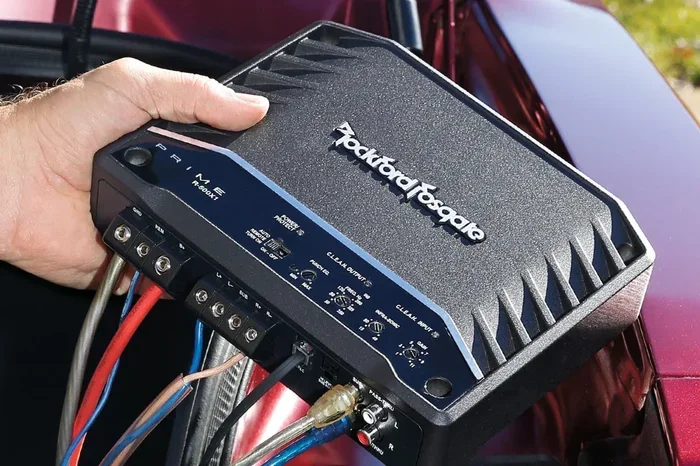
Do you need an amplifier for car speakers? The answer depends on your goals, your current setup, and how much sound quality you want. Most factory audio systems work fine for daily listening, but adding an external amp unlocks clearer highs, deeper bass, and better volume control. If you upgrade your speakers or crave a more immersive listening experience, an amplifier often becomes the missing piece. This guide breaks down exactly when you need one, when you can skip it, and how to make the smartest choice for your car audio journey.
Upgrading your car audio system can feel confusing at first. You buy new speakers, plug them in, and then wonder why the sound does not improve as much as you expected. That is where a lot of people start asking the same question: do you need an amplifier for car speakers? The short answer is that it depends on what you want your system to do. Some drivers are perfectly happy with the sound that comes from the factory radio. Others want cleaner bass, stronger volume, and better detail. If you are trying to figure out whether an amplifier belongs in your setup, you are not alone.
The good news is that car audio does not have to be complicated. You do not need to memorize technical jargon or become an electrical expert. You just need to understand what your current system can do and what you actually want from it. Maybe you want louder music for road trips. Maybe you want better clarity at lower volumes. Maybe you just want your new speakers to stop sounding weak or strained. Once you know your goal, the right choice becomes much easier. In this guide, we will walk through the real reasons drivers add amplifiers, the situations where an amp is not necessary, and the simple signs that your system is ready for more power.
Key Takeaways
- Factory head units have limits: Built-in amplifiers usually deliver five to fifteen watts per channel, which is enough for basic listening but not for serious upgrades.
- Speaker upgrades change the equation: Aftermarket speakers often demand more clean power to reach their full potential and sound their best.
- Sound quality matters more than raw wattage: A quality amplifier provides cleaner power, better control, and less distortion at higher volumes.
- Not every setup requires an amp: If you listen casually and keep your factory speakers, you may never need external amplification.
- Match power to your speakers: Proper wattage matching prevents damage, reduces distortion, and helps your audio system last longer.
- Consider space and budget early: Amplifiers add wiring, mounting challenges, and cost, so plan your install before buying gear.
- Future-proof your system: Adding an amp now can save you from replacing weak components later if you plan to expand your setup.
📑 Table of Contents
- Do You Need an Amplifier for Car Speakers?
- Understanding Car Speaker Power Needs
- Factory Head Units vs. Aftermarket Amplifiers
- Signs Your Car Speakers Need More Power
- Choosing the Right Amplifier for Your Setup
- Installation Considerations and Common Mistakes
- Final Thoughts on Amplifiers and Car Speakers
Do You Need an Amplifier for Car Speakers?
This is the big question, and the honest answer is that do you need an amplifier for car speakers depends on your listening habits and your hardware. A factory head unit usually has a small built-in amplifier inside it. That internal amp can power standard factory speakers well enough for casual listening. If you are just driving to work, running errands, or listening to the radio at moderate volume, the stock setup may be completely fine. But once you start pushing for better sound, the limits of that built-in power become obvious.
Many people notice the difference the moment they install better speakers. Aftermarket speakers often have better cones, better tweeters, and better overall design. They can do more with clean power. If you feed them only the limited energy from a factory radio, they may never reach their full potential. You might hear some improvement, but not the full upgrade you paid for. That is one of the most common reasons drivers start looking at external amplification. The speakers are ready to work harder, but the head unit cannot give them enough clean energy to shine.
There is also the issue of distortion. When a factory radio tries to push louder volumes, it can start to sound harsh or clipped. That does not just reduce enjoyment. It can also wear on your speakers over time. An external amplifier is designed to deliver steadier power and handle louder playback with less strain. If your goal is simply better sound at normal listening levels, you may not need a big setup. If your goal is louder, cleaner, more dynamic audio, an amplifier becomes much more attractive.
When a Factory System Is Enough
A stock system can be perfectly acceptable if your expectations are modest. You do not need to chase high-end sound if you mainly use your car for short trips and casual listening. Many factory radios are designed for convenience, not audiophile performance. They are built to play music, podcasts, and navigation prompts without demanding much from the car’s electrical system. If that matches your routine, you may never need to add an amp.
It also helps to think about your environment. If you drive in heavy traffic, city noise may drown out subtle audio details anyway. In that case, spending extra on amplification may not give you the payoff you hope for. A simple upgrade, like better door sealing or decent speakers, may improve your experience more than a powerful amp ever could. The best upgrade is the one that solves the problem you actually have.
When an Amplifier Makes a Real Difference
An amplifier becomes useful when you want more than the basics. If you install component speakers, add a subwoofer, or simply want to hear more detail in your favorite songs, extra power can change the experience. Clean amplification helps each driver in your speaker system do its job without being starved for energy. That usually means tighter bass, smoother highs, and better control across the volume range.
Another sign that an amp could help is if your current setup sounds fine at low volume but falls apart when you turn it up. That is often a sign that the head unit is reaching its limit. Instead of forcing a weak signal to work harder, an amplifier gives you a stronger foundation. It also lets you control the sound more precisely, especially if you choose a model with adjustable gain and filtering. If you are curious about how much power your setup really needs, you may want to look at resources that explain does wattage matter for car speakers so you can make a more informed decision.
Understanding Car Speaker Power Needs
Before you decide on an amplifier, it helps to understand what speakers actually need from a power source. Speakers do not just want “more watts” in a vague sense. They want clean, stable power that matches their design. If a speaker is underpowered, it may sound thin or weak. If it is pushed with poor-quality power, it may distort or overheat. The goal is not to blast your audio system with the highest number you can find. The goal is to give your speakers the right kind of energy so they can perform the way they were built to.
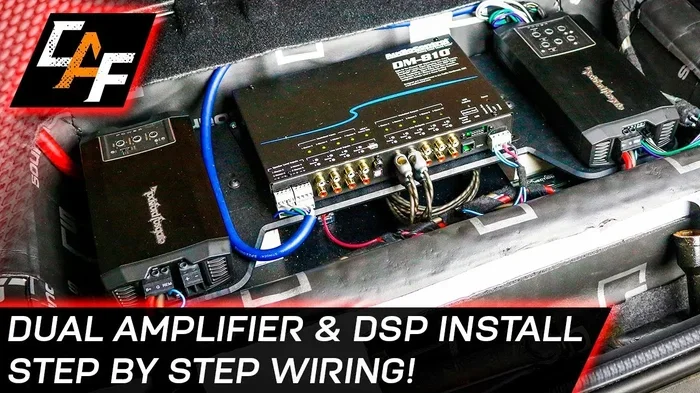
Visual guide about car audio amplifier installation
Image source: i.ytimg.com
This is where a lot of confusion starts. People often see wattage numbers on boxes and assume bigger numbers automatically mean better sound. That is not always true. A speaker’s sensitivity, impedance, and overall design matter just as much as raw power. A highly sensitive speaker may sound great with less power, while a less efficient speaker may need more to reach the same volume. If you are comparing setups, it can help to read more about does wattage matter for car speakers so you know what to look for before you spend money.
Speaker Sensitivity and Efficiency
Sensitivity tells you how loud a speaker can get with a given amount of power. That matters because two speakers with the same wattage rating can sound very different in real life. A more efficient speaker may produce satisfying volume from a smaller amplifier. A less efficient speaker may need more power to sound equally strong. If you are choosing speakers and an amplifier together, this is one of the most important details to check. It helps you avoid buying an amp that is too weak or one that is far more powerful than you need.
Impedance and Power Matching
Impedance is another key factor. It affects how much current your amplifier must deliver and how hard the system has to work. Mismatched impedance can cause poor performance or even damage components if the setup is not handled correctly. You do not need to become a circuit expert, but you should understand that speakers and amplifiers need to work together as a pair. If you are wondering about compatibility, it is worth checking information on can you run 4 ohm speakers at 2 ohms so you understand how speaker load affects amplification.
Factory Head Units vs. Aftermarket Amplifiers
A factory head unit and an aftermarket amplifier are not really rivals. They are different parts of the same system. The head unit is the control center. It receives signals, lets you select sources, and usually includes a small built-in amplifier. The external amplifier’s job is to take that signal and boost it with more clean power. When people compare the two, they are usually comparing limited built-in power against dedicated external power.
Factory radios are convenient. They are already installed, already wired, and already integrated with the car. That makes them easy to live with. But convenience does not always equal performance. Many factory units are designed to be cost-effective, which means their internal amplifiers are modest. If you keep the factory speakers and do not push the volume very high, the system may satisfy you. If you want a noticeable upgrade, the head unit alone often cannot deliver the full result.
What a Built-In Amp Can and Cannot Do
A built-in amp can power basic speakers at moderate levels. It can handle everyday listening without much fuss. It can also keep the system simple, which some drivers prefer. What it usually cannot do is provide strong, clean power for upgraded speakers or high-volume listening. Once you demand more dynamic range or more headroom, the limitations show up. That does not make the factory radio bad. It just means it was not built for high-performance audio.
Why Dedicated Amplification Helps
A dedicated amplifier gives you more control over the sound. It can provide stronger output, better channel separation, and more stable performance when you turn up the volume. It also reduces the burden on the head unit, which can help the whole system run more smoothly. If you are planning a larger audio build, an amplifier is often the component that ties everything together. For example, if you eventually want to power multiple speakers properly, you may want to review advice on a recommended car amp for 6 speakers so your system can grow without becoming unbalanced.
Signs Your Car Speakers Need More Power
Not every car audio problem is solved by adding an amplifier. Sometimes the issue is wiring, placement, or a bad connection. But there are clear signs that your speakers are asking for more power than your current setup can provide. If you know what to listen for, you can avoid guessing and make a smarter upgrade choice.
One common sign is weak bass. If your bass sounds loose, quiet, or inconsistent, the speakers may not be getting enough energy to move the lower frequencies properly. Another sign is distortion at higher volume. If the music starts to crackle, sound harsh, or lose clarity as you turn it up, the system may be straining. You may also notice that your new speakers do not sound much better than the old ones. That usually means the speakers are not being powered in a way that lets their improvements show.
Volume Limitations and Distortion
If your system sounds fine at low volume but gets messy when you raise it, that is a strong clue. Distortion is not just annoying. It can also mask the details you want to hear. A better amplifier can help by delivering cleaner power and giving your speakers more headroom. That does not mean you have to blast your music. It means your system can stay cleaner and more controlled across a wider range of listening levels.
Weak Bass and Lack of Clarity
Bass and clarity often suffer when power is limited. You might hear the music, but not feel it. You might notice vocals that sound thin instead of full. These are signs that the system is doing its best with limited resources. If you want a fuller, more balanced sound, extra amplification can help your speakers reproduce the audio more accurately. If you are thinking about pairing amplification with wired speakers in a more flexible setup, you might also find it useful to explore how a bluetooth amplifier for wired speakers can fit into certain listening scenarios.
Choosing the Right Amplifier for Your Setup
If you decide that an amplifier makes sense, the next step is choosing one that fits your needs. The best amplifier is not always the most powerful one. It is the one that matches your speakers, your car, and your budget. A good choice gives you enough power without creating unnecessary complexity. A poor choice can waste money, crowd your install space, or make your system harder to manage than it needs to be.
Start by thinking about what you want to power. Are you upgrading the front speakers only? Are you adding rear speakers too? Do you plan to include a subwoofer later? Each goal changes the type of amplifier you need. A small mono amp may be enough for a subwoofer, while a multi-channel amp may suit a full speaker upgrade. It also helps to think about your long-term plans. If you may expand later, it is smart to leave room for growth instead of buying the bare minimum today.
Power Matching Basics
Power matching is about balance. You want an amplifier that can give your speakers enough clean energy without overwhelming them. Too little power can leave performance on the table. Too much power, if used carelessly, can increase the risk of damage. The sweet spot is an amplifier that fits the speaker’s needs and your listening habits. If you are still learning the fundamentals, it can help to read a practical explainer on do you need an amp for speakers so you can connect the general concept to your car audio setup.
Channels, Size, and Installation Reality
Amplifiers come in different channel counts and physical sizes. That matters because car interiors are tight. You need to think about where the amp will mount, how long the wiring runs will be, and whether you have a clear path for installation. A compact amp may be easier to fit, while a larger unit may offer more flexibility. Installation reality is one of the most overlooked parts of car audio planning. A great amp is not helpful if it never fits cleanly or creates a messy install.
Installation Considerations and Common Mistakes
Adding an amplifier is not just about buying the right box. It is also about installing it correctly. Poor wiring, weak connections, or bad placement can ruin the benefits of a strong amplifier. If you want your upgrade to sound as good as it should, you need to treat the install as part of the project, not an afterthought.
One of the biggest mistakes is underestimating the wiring needs. Amplifiers need power, ground, signal connections, and often a remote turn-on wire. Each connection should be secure and well planned. Another common mistake is placing the amp where it cannot breathe or where it is exposed to excess heat and vibration. You also want to avoid sloppy gain settings. Turning the amplifier up too high too fast can introduce distortion and make the system sound worse, not better.
Wiring and Placement Tips
Keep the wiring path as clean and protected as possible. Use proper wire gauge for the amplifier’s power needs. Make sure the ground connection is solid, because a weak ground can create noise and performance problems. Place the amplifier where it is accessible enough for adjustments but not so exposed that it gets bumped or overheated. If you are working with speaker wiring and want to understand basic wiring classes, you may also want to review class 2 wiring for speakers so you know how different wiring setups are handled.
Avoiding Overpowering and Distortion
More power is not automatically better if it is used poorly. Set the gain carefully and test the system at moderate levels first. Listen for harshness, rattling, or clipping. If the sound gets rough as volume rises, something in the setup needs adjustment. A well-tuned amplifier should improve control and clarity, not make the system louder at the expense of quality. If your speakers ever stop working unexpectedly, it is also smart to check troubleshooting guidance for car speakers stopped working all sudden so you can rule out connection or electrical issues.
Final Thoughts on Amplifiers and Car Speakers
So, do you need an amplifier for car speakers? If your goal is simple, casual listening with factory speakers, you may not need one at all. If you want better clarity, stronger bass, higher volume without distortion, or a system that can handle upgraded speakers, an amplifier is often the upgrade that makes everything else work better. The right choice depends on your expectations, your budget, and how much you want your audio system to do for you.
The best approach is to start with your goals. Ask yourself what is missing from your current sound. Then match the solution to the problem. Sometimes a simple speaker upgrade is enough. Sometimes a dedicated amplifier is the missing link. Either way, understanding your system helps you spend money wisely and avoid regret. A thoughtful upgrade is always better than a rushed one.
Frequently Asked Questions
Do you need an amplifier for car speakers if you keep factory speakers?
Usually not. Factory speakers and the built-in head unit amplifier are designed to work together for everyday listening. If you are not chasing louder volume or major sound improvements, the stock setup is often enough.
Do you need an amplifier for car speakers when you install new aftermarket speakers?
Often yes, or at least it becomes much more beneficial. Aftermarket speakers can sound better with cleaner power, and a dedicated amplifier helps them reach their full potential. Without extra power, the upgrade may feel smaller than expected.
Do you need an amplifier for car speakers to get better bass?
If you want stronger, tighter bass, an amplifier can help a lot. Bass demands more energy, especially if you add a subwoofer or want deeper low-end performance. A weak power source can leave bass sounding soft or uncontrolled.
Do you need an amplifier for car speakers if your volume is already loud enough?
Not necessarily. Loudness is only one part of the picture. If your system already sounds clear and balanced at the volumes you use, you may not need an amp. If it sounds strained or distorted as volume rises, an amplifier may still improve quality.
Do you need an amplifier for car speakers to avoid distortion?
A good amplifier can reduce distortion by delivering cleaner power and giving your speakers more headroom. If your current system distorts when turned up, external amplification may help. Proper tuning matters too, because an amp set incorrectly can also cause problems.
Do you need an amplifier for car speakers if you only listen to podcasts and radio?
Probably not. For spoken content and casual listening, a factory system is usually fine. You are unlikely to need extra power unless you want better clarity, more volume, or a more enjoyable music listening experience.