Do You Need Amp for Speakers
Do you need amp for speakers? The short answer is: it depends on your specific setup and audio goals. While many modern devices have built-in amplifiers, adding a dedicated external amp can significantly improve power, clarity, and volume for home or car audio systems. Understanding your speaker impedance and power requirements helps you decide if an extra amplifier is truly necessary for your listening experience.
Setting up a new audio system can feel confusing. You have boxes for sound, wires everywhere, and many choices to make. One big question pops up often. People ask if they really need extra equipment to make sound happen. This is especially true when buying new gear for a room or a vehicle.
Many folks think speakers work alone. But speakers need power to move air and create noise. Some devices give this power. Others need help. Knowing the difference saves money and frustration. It also ensures you get the best sound possible from your investment.
This guide breaks down the basics. We will look at when you need extra power. We will also look at when you do not. You will learn about matching parts correctly. By the end, you will feel confident in your choices. You will know how to build a system that sounds great.
Key Takeaways
- Built-in Amps Exist: Many computers and phones have internal amplifiers, but they often lack power for larger speakers.
- Passive vs. Active: Passive speakers require an external amp, while active speakers have amplifiers built inside them.
- Impedance Matters: Matching speaker impedance (ohms) with your amplifier ensures safety and optimal sound quality.
- Power Needs: Larger rooms or louder volumes generally require more wattage from a dedicated amplifier.
- Sound Quality: A dedicated amp often provides cleaner sound with less distortion at high volumes.
- Car Audio: Factory car stereos often need upgrades or external amps for better bass and clarity.
- Budget Consideration: You only need an amp if your current setup cannot drive your speakers effectively.
📑 Table of Contents
Understanding Speaker Types and Power Needs
Not all speakers are the same. The type you own changes everything. You must know if your speakers are active or passive. This is the first step in deciding on equipment.
Active Speakers Have Built-in Power
Active speakers come with an amplifier inside the box. You plug them into a power outlet. Then you connect your audio source. They do the work themselves. This is common for studio monitors and computer speakers.
These units are very convenient. You do not need extra boxes or wires. They are designed to work together perfectly. The maker matches the amp to the speaker drivers. This often leads to good sound quality in a small space.
However, they are not always powerful enough. Large rooms need more energy. If you want to fill a big hall with sound, active speakers might struggle. You might need more volume than the internal amp can provide.
Passive Speakers Require External Help
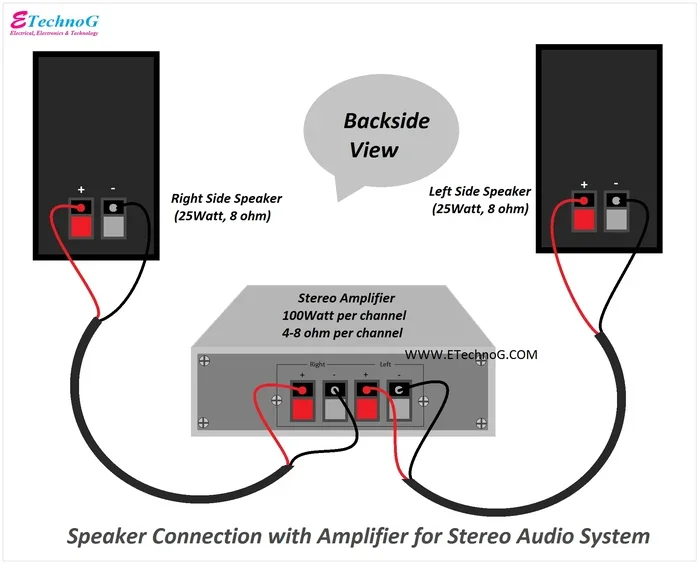
Passive speakers do not have internal power. They need an external source to drive them. This is the most common type for home stereos and car audio. You connect them to a receiver or a dedicated amplifier.
These speakers rely on you to provide energy. Without an amp, they will make no sound. You must choose the right external unit. It needs to match the speaker specifications. This ensures safety and performance.
Many people prefer passive systems. They allow more flexibility. You can upgrade the amplifier later without changing speakers. You can also choose different amps for different sounds. This modularity is a big plus for enthusiasts.
Do You Need Amp for Speakers in Home Audio?
Home audio systems vary widely. A small Bluetooth speaker needs no extra gear. A large floor-standing speaker might need a lot of help. Context matters here.
Visual guide about amplifier connected to speakers
Image source: blogger.googleusercontent.com
If you use a TV for movies, built-in amps often suffice. Modern TVs have decent internal power. But for music lovers, more power is better. Dedicated equipment reduces strain on the components. This means less distortion at high volumes.
Consider your listening habits. Do you listen quietly in the background? Or do you blast music during parties? Quiet listening needs less power. Loud listening needs more headroom. Headroom is the extra power available above normal listening levels.
Here are some signs you might need more power:
- Distortion: The sound gets fuzzy when you turn it up.
- Weak Bass: Low frequencies sound thin or quiet.
- Dynamic Range: Quiet parts are hard to hear, and loud parts jump out too much.
- Multiple Speakers: Driving many speakers at once requires more total power.
If you notice these issues, an upgrade helps. You might look into a dedicated receiver. Or you might choose a separate amplifier. This separates the power stage from the control stage. It often results in cleaner audio.
Matching Impedance and Power
Impedance is measured in ohms. It is like resistance in an electrical circuit. Speakers usually have ratings like 4 ohms or 8 ohms. Your amplifier must handle this rating.
If the impedance is too low for the amp, it can overheat. If it is too high, you lose power. Most home amps work well with 8-ohm speakers. Some handle 4 ohms easily. You must check the specs on both devices.
Power is measured in watts. You do not need massive watts for small rooms. But you need enough to drive the speakers cleanly. Underpowering can cause damage too. Clipping occurs when the amp runs out of power. This creates harsh sound waves that can hurt tweeters.
For more details on matching power, you can read about amp for 4 ohm speakers. This helps you understand specific impedance challenges.
Do You Need Amp for Speakers in Car Audio?
Car audio is a different beast. Factory stereos are often underpowered. They prioritize cost over sound quality. The built-in amp is usually weak. It might drive the speakers, but not well.
Most car speakers are passive. They wait for power from the head unit. The head unit has a small amplifier inside. It is enough for basic listening. But audiophiles want more. They want clearer highs and deeper bass.
Adding an external amplifier is very common in cars. It takes the load off the head unit. This allows the head unit to focus on processing signals. The external amp provides the muscle. This setup improves clarity significantly.
You might wonder if you need one for your specific vehicle. The answer depends on your goals. If you want a simple upgrade, new speakers might help. But if you want real power, an amp is key.
Some people ask do I need an amp for my car speakers. This is a common question for upgrades. Generally, if you install aftermarket speakers, an amp helps them shine. Factory speakers are designed for low power. Aftermarket speakers often want more energy to perform best.
Subwoofers and Extra Power
Subwoofers need serious power. They move a lot of air. This requires high wattage. Most head units cannot drive a subwoofer well. You almost always need a dedicated amp for bass.
This amp is often mono. It focuses on low frequencies. It connects to your music source via a line output converter. This setup gives you the thump you want. Without it, bass sounds weak or non-existent.
For those with multiple speakers, wiring gets tricky. You might have door speakers, rear speakers, and a sub. Managing power for all of them needs planning. You might need a multi-channel amplifier. Or you might use separate amps for different zones.
If you have many speakers, check out recommended car amp for 6 speakers. This guides you on powering multiple zones effectively.
When You Can Skip the Amplifier
Not everyone needs extra gear. Sometimes simplicity is better. If you are on a budget, skip the amp. Use what you have wisely.
Computer speakers often have amps inside. USB powered speakers work well for desks. They draw power from the PC. You do not need a separate box. This saves desk space and money.
Portable Bluetooth speakers are also self-contained. They have batteries and amps built-in. You just charge them and play. They are great for outdoor use. No external wiring is needed.
Also, consider your volume needs. If you listen at low levels, a weak amp is fine. Background music does not need high wattage. You only need high power for loud playback. If your lifestyle is quiet, save your money.
There are also active bookshelf speakers. These are great for small living rooms. They offer good sound without a separate amp. You connect them directly to a turntable or phone. This is a clean solution for many users.
How to Choose the Right Amplifier
If you decide you need one, choose carefully. Not all amplifiers are equal. You must look at power output, channels, and features.
First, check the power rating. Look for RMS power, not peak power. RMS is the continuous power the amp can handle. Peak is a burst of power for a split second. RMS is more honest and useful for planning.
Second, count your channels. A stereo amp has two channels. This drives two speakers. A surround amp has five or more. Match the channels to your speaker setup. If you have four speakers, a two-channel amp might need special wiring.
Third, look at connectivity. Does it have Bluetooth? Does it have optical inputs? Does it have phono stages for turntables? Make sure it connects to your source easily. You do not want messy adapters if you can avoid them.
Bi-Amping and Bi-Wiring Options
Some high-end speakers offer extra connection points. This allows for bi-amping or bi-wiring. These methods separate frequency bands. One amp handles highs, another handles lows.
This can improve control over the drivers. It reduces interference between frequencies. However, it requires more equipment. You need two amps or a specific multi-channel amp. It is not necessary for casual listening.
If you are curious about these advanced setups, you can learn how do you bi amp speakers. This explains the wiring and benefits in detail. Similarly, you can explore how do you bi wire speakers for passive separation methods.
Installation and Setup Tips
Once you buy the gear, install it safely. Poor installation causes noise and damage. Follow basic safety rules for electricity and audio.
Keep wires organized. Use zip ties or loom tubing. Loose wires can vibrate or short circuit. Label your wires if you have many. This helps with future troubleshooting.
Set gain levels correctly. Gain is not volume. It matches the input signal to the amp. If set too high, you get distortion. If set too low, you lose detail. Use a test tone or familiar music to set it.
Secure all connections. Loose terminals cause crackling sounds. Tighten screws firmly but do not strip them. Check connections periodically. Vibration can loosen them over time.
Ensure proper ventilation for the amp. Amplifiers generate heat. They need airflow to stay cool. Do not stack items on top of them. Heat reduces lifespan and performance.
Common Mistakes to Avoid
People make errors when upgrading audio. Avoiding these saves time and money. Here are the most frequent mistakes.
- Mismatched Impedance: Connecting low ohm speakers to an amp not rated for them.
- Overpowering: Using an amp with way more power than the speaker can handle.
- Underpowering: Using too little power, causing clipping and damage.
- Wrong Cables: Using thin wire for long runs, causing power loss.
- Ignoring Placement: Putting speakers in corners without considering room acoustics.
Another mistake is buying based on brand only. A famous name does not guarantee fit. Check the specs first. Ensure the power output matches your speaker sensitivity. Sensitivity tells you how loud a speaker gets per watt.
Also, do not forget about the source. A great amp cannot fix a bad recording. Or a bad phone output. Ensure your source quality is good. This is the start of the audio chain.
Expert Insights on Audio Power
Experts agree on one thing. Headroom is good. Having more power than you need is safer. It lets the amp work easily. It does not have to strain to make sound.
Strained amps produce heat. Heat kills electronics. They also produce distortion. Distortion sounds bad. It can also damage speaker coils. So, having extra power is a safety margin.
However, more power is not always better sound. Quality matters too. A clean 50 watts is better than a dirty 100 watts. Look for reviews on sound quality. Not just power numbers.
For those running lower impedance loads, specific gear helps. You might need to check 4 ohm speakers on 2 ohm amp compatibility. This ensures you do not blow your equipment. Impedance matching is critical for stability.
Finally, consider the future. Will you add more speakers later? Will you get a subwoofer? Plan your amp size with future growth in mind. It is cheaper to buy once than twice.
Conclusion
So, do you need amp for speakers? The answer lies in your specific gear and goals. Active speakers handle their own power needs. Passive speakers need an external source to work. Home systems often benefit from dedicated receivers. Car systems almost always improve with added amplification.
Focus on matching impedance and power ratings. This protects your equipment. It also ensures the best sound quality. Do not buy the most powerful amp blindly. Buy the right amp for your room and speakers.
If you listen quietly, you might not need extra gear. If you love loud music or bass, an amp is worth it. It unlocks the potential of your speakers. It gives you clarity and headroom.
Take your time to research. Check your speaker labels. Read reviews on amplifiers. Plan your wiring carefully. With the right setup, you will enjoy your music much more. Sound is personal. Find what works for your ears and your space.
Frequently Asked Questions
Do all speakers need an amplifier?
No, not all speakers need an external amplifier. Active speakers have amplifiers built inside them. Passive speakers require an external amp to produce sound. You must check your speaker type before buying extra gear.
Can I connect speakers directly to a phone?
You generally cannot connect passive speakers directly to a phone. Phones do not have enough power to drive them. You need an amplifier or active speakers for proper volume. Some portable amps can bridge this gap easily.
What happens if I use an underpowered amp?
Using an underpowered amp can cause distortion called clipping. This creates harsh sound waves that may damage your speakers. It also limits your maximum volume and dynamic range. It is better to have slightly more power than too little.
Is a car amp necessary for new speakers?
It is not strictly necessary, but it is highly recommended. Factory stereos often lack the power to drive aftermarket speakers fully. An external amp unlocks better clarity and bass response. You will hear a significant difference in sound quality.
How do I match an amp to my speakers?
Check the impedance rating in ohms on your speakers. Ensure your amp supports that impedance level. Also, compare the power ratings in watts. Aim for an amp that provides enough RMS power for your speaker sensitivity.
Can I use one amp for multiple speakers?
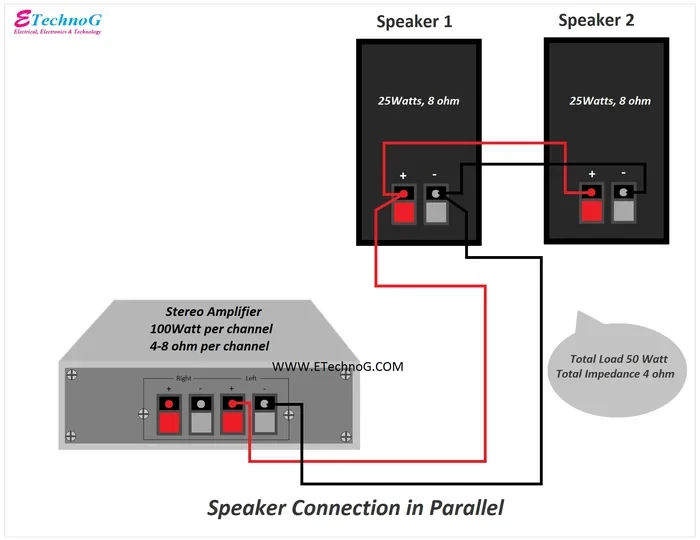
Yes, you can use one amp for multiple speakers if it has enough channels. A two-channel amp can drive two speakers easily. Driving four speakers requires special wiring or a four-channel amp. Ensure the total load does not exceed the amp’s limits.