Do Speakers Need to Be Broken In
Do speakers need to be broken in? This is a common question among audio enthusiasts and casual listeners alike. While some believe new speakers require a break-in period to reach their full potential, others argue the difference is minimal or purely psychological. In this guide, we will explore the science behind speaker break-in, share practical tips, and help you decide what matters most for your listening experience.
Key Takeaways
- Speaker break-in is real but subtle: Most speakers experience minor changes in sound during the first 20 to 100 hours of use.
- Mechanical parts soften over time: Surrounds and suspensions gradually loosen, which can improve bass response and overall flexibility.
- Room acoustics matter more: Your listening environment often has a bigger impact on sound than the break-in period itself.
- You do not need special routines: Simply playing music at normal volumes is enough to break in most modern speakers.
- Expectations shape perception: Many listeners notice changes because they expect them, not because the speakers dramatically transformed.
- Quality speakers sound great from day one: Well-designed speakers perform excellently without requiring long break-in rituals.
- Give it time if you want: If you prefer to let your speakers settle, a few weeks of regular listening will naturally complete the process.
📑 Table of Contents
- Do Speakers Need to Be Broken In? Understanding the Basics
- What Actually Happens During Speaker Break-In
- How Long Does Speaker Break-In Take?
- Do All Speakers Need Break-In? What the Research Says
- Practical Tips for Breaking In New Speakers
- Common Myths About Speaker Break-In
- When Break-In Might Matter More
- Expert Insights and Real-World Expectations
- Final Thoughts on Do Speakers Need to Be Broken In
Do Speakers Need to Be Broken In? Understanding the Basics
When you unbox a new pair of speakers, it is natural to wonder if they need a break-in period. The idea of breaking in speakers sounds similar to breaking in a new pair of shoes or a fresh baseball glove. Many people assume that audio equipment must loosen up before it performs at its best. This belief has circulated in audio communities for decades. But what is actually happening inside your speakers?
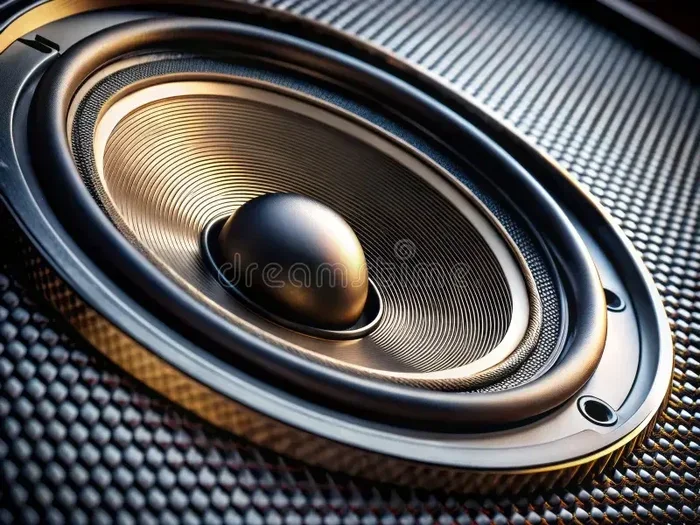
Speakers are mechanical devices. They rely on cones, surrounds, voice coils, and suspensions to move air and create sound. When a speaker is brand new, these parts are stiff. The surround, which is the flexible ring around the cone, may feel tight. The suspension, which controls the cone movement, also starts out firm. Over time, these components can become more flexible. This flexibility allows the cone to move more freely. As a result, the speaker may produce slightly smoother bass and a more relaxed sound.
However, the changes are often subtle. Most listeners will not notice a dramatic transformation. If you are expecting a huge leap in sound quality, you may be disappointed. The reality is that modern speakers are built to perform well right out of the box. Manufacturers design them with materials that balance stiffness and flexibility from the start. Still, a short break-in period can help the components settle into their normal operating state.
If you want to understand the full picture, it helps to look at the different parts of a speaker and how they behave over time. You may also want to explore related topics, such as why do speakers need magnets, to better understand how speaker design affects performance. Knowing the basics will make it easier to separate fact from fiction.
What Actually Happens During Speaker Break-In
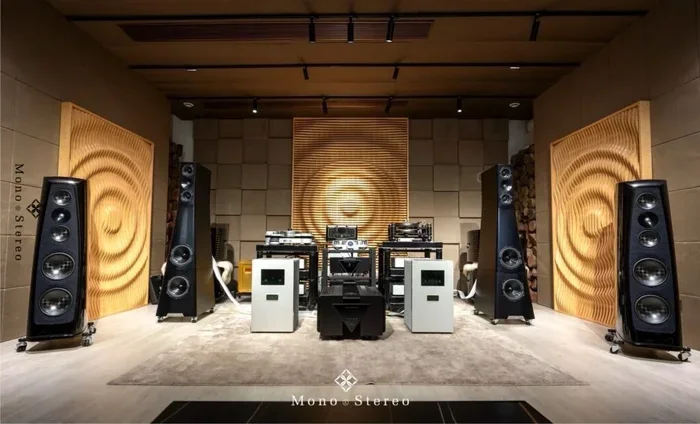
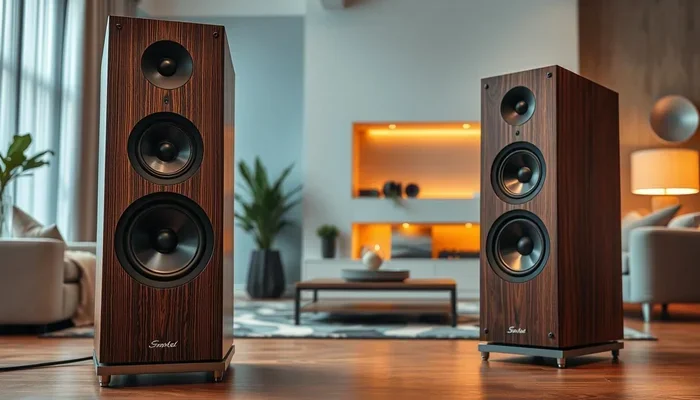
Visual guide about high-end audio speakers
Image source: monoandstereo.com
The break-in process is mostly about mechanical relaxation. When a speaker cone moves back and forth, it creates sound waves. The surround and the spider, which is the center suspension, control this movement. At first, these parts may resist motion slightly. As they flex repeatedly, they become more compliant. This means they require less force to move the same distance.
This change can affect the speaker’s frequency response. The bass may feel a little tighter or more extended. The midrange might sound slightly more natural. The overall sound could become a bit smoother. These differences are usually small. In many cases, they are only noticeable to trained ears or in controlled listening tests.
It is also worth noting that break-in does not change the speaker’s electronics. The voice coil, magnet, and crossover components do not loosen up. The mechanical parts are the main focus. If you are curious about how speakers work at a deeper level, you might enjoy reading about why do speakers need magnets. This can help you see why the mechanical and magnetic systems work together.
Another important point is that break-in happens through normal use. You do not need to play special tones or run endless test tracks. Simply listening to music, podcasts, or movies at reasonable volumes is enough. The speaker cone moves constantly during normal playback. That movement is what causes the gradual softening.
Some people worry that playing music too loudly during break-in can damage the speaker. In reality, moderate volume is perfectly safe. Extreme volume can stress any speaker, whether it is new or old. The key is to use the speaker as you normally would. If you want to speed up the process, you can play a variety of genres. Different frequencies and dynamics help the cone and surround move in many ways. This can encourage a more even break-in.
How Long Does Speaker Break-In Take?
There is no single answer to this question. Some speakers may settle within 20 to 50 hours of use. Others may take 100 hours or more. The exact time depends on the materials, the design, and how often you use the speakers.
Most manufacturers suggest that the biggest changes happen in the first few weeks. After that, the sound tends to stabilize. If you listen to your speakers every day, you will likely notice the subtle shifts without even thinking about it. If you use them only occasionally, the process may take longer simply because the speakers are not moving as much.
Here is a general timeline many audio experts reference:
- First 10 to 20 hours: The most noticeable changes may occur here. The sound can feel a bit stiff at first and then start to relax.
- 20 to 50 hours: The surrounds and suspensions continue to loosen. Bass response may become more consistent.
- 50 to 100 hours: The speaker usually reaches a stable state. Further changes are minimal.
- Beyond 100 hours: The speaker is effectively broken in. Any remaining differences are very small.
This timeline is a guideline, not a strict rule. Some speakers may sound excellent from the first hour. Others may take a bit longer to feel natural. The best approach is to use your speakers regularly and pay attention to how they sound over time.
If you are setting up a new audio system, you may also be wondering about other practical questions. For example, you might ask yourself, do you need an amplifier for speakers? Understanding your full setup can help you get the best sound from day one.
Do All Speakers Need Break-In? What the Research Says
Not all speakers behave the same way. The break-in effect is more noticeable in some designs than in others. Speakers with softer surrounds, such as certain passive radiators or flexible rubber surrounds, may show more change. Speakers with very stiff materials may change less.
Research and real-world testing suggest that the break-in effect is real but often overstated. In blind tests, many listeners cannot reliably tell whether a speaker has been broken in or not. This does not mean the effect is fake. It means the difference is subtle enough that it can be hard to hear without direct comparison.
There is also a psychological factor. When you buy new speakers, you expect them to improve. Your brain pays close attention to every detail. This can make small changes feel bigger than they really are. Expectation bias is powerful. It can shape how you perceive sound, especially during the first few weeks.
Another factor is the listening environment. Room acoustics, speaker placement, and amplification all affect sound more than break-in in many cases. If your speakers sound different after a few weeks, it may be because you moved them, adjusted the room, or simply became more familiar with them.
If you are comparing different speaker setups, you might find it helpful to read about do you need an amplifier for speakers. Amplification choices can influence clarity, dynamics, and overall balance. A good amplifier can make a bigger difference than a break-in period for many listeners.
Practical Tips for Breaking In New Speakers
If you want to give your speakers a gentle break-in period, you do not need a complicated routine. The goal is simply to let the components move naturally. Here are some practical tips that can help.
- Play music you enjoy: Use your favorite genres and tracks. Variety is helpful because different songs use different frequencies and volumes.
- Keep volumes reasonable: Moderate listening levels are safe and effective. Avoid pushing the speakers to their limits during break-in.
- Use the speakers daily: Regular use helps the surrounds and suspensions relax more evenly.
- Try different content: Movies, podcasts, and music all provide different types of sound. This can help the speaker cone move in many ways.
- Give it time: A few weeks of normal listening is usually enough. There is no need to rush the process.
Some people recommend playing specific break-in tracks or low-frequency tones. While this can work, it is not necessary for most home listeners. Normal music already contains a wide range of frequencies. If you do want to use a break-in track, choose one with steady bass and moderate volume. Keep it simple and safe.
It is also smart to check your speaker placement. Even small changes in position can affect sound more than break-in. If your speakers sound harsh or boomy, try adjusting the angle or distance from walls. You may be surprised by how much room setup matters.
If you are working with a larger system, you might also want to learn about connecting 4 speakers to 2 channel amp. Proper wiring and setup can help your system perform smoothly from the start.
Common Myths About Speaker Break-In
There are several myths surrounding speaker break-in. It is easy to see why these ideas spread. Audio is a hobby full of passionate opinions, and break-in is a popular topic. Let us look at some common misconceptions.
- Myth: Speakers sound terrible until they are broken in. In most cases, new speakers sound fine right away. They may improve slightly, but they do not need weeks of break-in to be enjoyable.
- Myth: You must play special tones for hours. Normal listening is enough. Special break-in tracks are optional, not required.
- Myth: Break-in changes everything about the sound. The changes are usually subtle. They do not turn a mediocre speaker into a high-end one.
- Myth: All speakers break in the same way. Different materials and designs behave differently. Some change more than others.
- Myth: Break-in is just marketing. The mechanical relaxation is real, but the effect is often smaller than people expect.
Understanding these myths can help you set realistic expectations. If you buy quality speakers, you should enjoy them immediately. A break-in period may refine the sound a little, but it is not a magic fix.
If you are curious about how different speaker types compare, you might also explore topics like what speakers do movie theaters use. Large venue speakers are built differently from home speakers, and their break-in characteristics can vary too.
When Break-In Might Matter More
There are some situations where break-in may be more noticeable. For example, speakers with very stiff surrounds or new foam materials may need a little more time to settle. High-end audio systems used for critical listening may also reveal small changes more easily. In these cases, listeners often pay close attention to every detail.
Another situation is when speakers are used in a new environment. If you move your speakers to a different room, the sound may change because of the room, not because of break-in. This can be confusing. It is helpful to separate mechanical break-in from room acoustics.
If you are setting up car audio, break-in can also come up. Car speakers face different conditions, including temperature changes and vibration. Some listeners notice small shifts as the system settles. If you want to learn more about car audio setup, you can read about do you need an amplifier for my car speakers.
In most home listening situations, though, break-in is a minor factor. The biggest improvements usually come from good placement, proper amplification, and a well-tuned room. If you focus on those basics, your speakers will sound their best sooner.
Expert Insights and Real-World Expectations
Many audio engineers and experienced listeners agree on one point: break-in exists, but it is often subtle. The mechanical parts do soften. The sound may become a bit more relaxed. But the difference is rarely dramatic. For most people, the speakers will sound excellent from the start.
Experts also emphasize that listening habits matter. If you listen critically, you may notice small changes. If you listen casually, you may not notice anything at all. Both experiences are valid. There is no wrong way to enjoy music.
Another insight is that consistency is key. Once a speaker is broken in, it usually stays that way. You do not need to repeat the process. The materials settle and then remain stable. This is good news for anyone who wants a reliable listening experience.
If you are building a home audio system, it can help to think about the whole chain. Speakers, amplification, source quality, and room setup all work together. A balanced system often sounds better than a single premium component in an otherwise weak setup. For example, if you are wondering about speaker placement and furniture, you might find tv stands with built in speakers useful for compact spaces.
Final Thoughts on Do Speakers Need to Be Broken In
So, do speakers need to be broken in? The short answer is that they can benefit from a short period of normal use, but they do not require a long or complicated break-in routine. Most speakers sound great right away. Any improvements over time are usually subtle and gradual.
The best approach is simple. Set up your speakers well, play the music you love, and let the components settle naturally. Pay attention to placement, volume, and room acoustics. These factors often matter more than break-in. If you enjoy your speakers from day one, that is completely normal. If they sound a little smoother after a few weeks, that is normal too.
Audio should be fun. Do not stress too much about break-in. Use your speakers, enjoy your music, and let your ears be the guide. Over time, you will learn what sounds best in your space. That practical experience is often more valuable than any rigid break-in rule.
Frequently Asked Questions
Do speakers need to be broken in before they sound good?
Most speakers sound good right away, but a short break-in period can help the mechanical parts settle. The changes are usually subtle, so you do not need to wait weeks to enjoy them.
How many hours does it take to break in speakers?
Many speakers settle within 20 to 100 hours of normal use. The biggest changes often happen in the first few weeks, and after that the sound usually stabilizes.
Can I break in speakers faster by playing loud music?
You do not need to play music loudly to break in speakers. Moderate volume is safer and works well. Extreme volume can stress the speaker and is not necessary for break-in.
Do all speakers need a break-in period?
Not all speakers change the same way. Some designs with softer surrounds may show more change, while stiffer designs may change very little. In general, the effect is real but often small.
Will breaking in speakers improve bass and clarity?
Break-in can make the sound a bit more relaxed and may slightly improve bass flexibility. However, the improvement is usually modest, and room setup often has a bigger impact.
Is speaker break-in just a myth?
It is not a myth, but it is often exaggerated. The mechanical parts do soften over time, yet the difference is subtle and not always easy to hear in everyday listening.