Do I Need an Amplifier for My Speakers
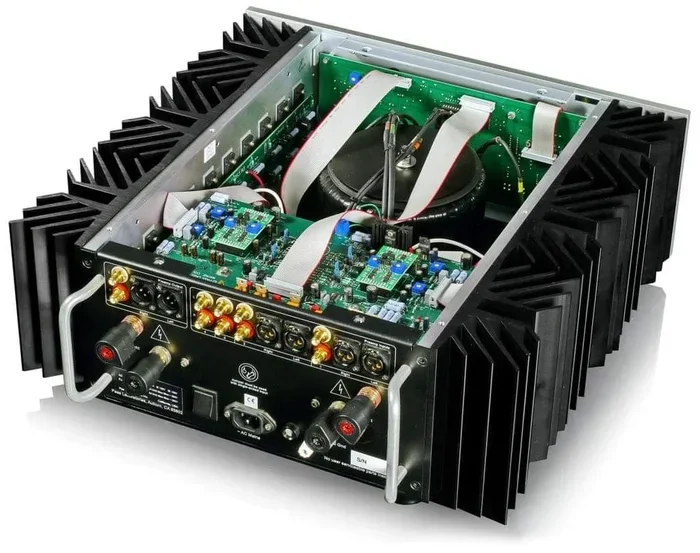
If you are asking do I need an amplifier for my speakers, the answer depends on your speaker type, room size, and listening habits. Many modern speakers include built-in amplification, while passive models rely on an external amp for clear, powerful sound. Understanding your setup helps you avoid wasted money and enjoy better audio quality. We break down the key signs, practical choices, and simple upgrades that make a real difference.
Key Takeaways
- Passive speakers need an external amplifier to produce sound, while active speakers have built-in power.
- Room size and listening volume play a big role in whether extra amplification improves your experience.
- Matching speaker impedance and power ratings helps prevent distortion and protects your equipment.
- Built-in amps work well for casual listening, but dedicated amplifiers often deliver cleaner sound at higher volumes.
- Sound quality issues like crackling or weak bass can signal that your current setup needs more power or a better match.
- Budget and future upgrades should guide your choice, since a good amplifier can extend the life of your speakers.
- Simple testing and honest listening tests help you decide whether an amplifier is worth the investment.
📑 Table of Contents
- Do I Need an Amplifier for My Speakers?
- What an Amplifier Actually Does
- Passive vs Active Speakers: Which Setup Fits You
- When You Really Need an Amplifier
- When You May Not Need One
- How to Know If Your Current Setup Is Holding You Back
- Choosing the Right Amplifier for Your Speakers
- Quick Tips for Better Sound Without Guessing
- Common Mistakes to Avoid
- Expert Insights
- Final Thoughts on Do I Need an Amplifier for My Speakers
Do I Need an Amplifier for My Speakers?
Many people ask do I need an amplifier for my speakers when they set up a new room, upgrade an old system, or notice weak sound. The short answer is that it depends on your speakers and how you listen. Some speakers already include amplification inside the cabinet. Others need a separate unit to power them. Once you know which type you own, the choice becomes much easier.
Sound quality also depends on your room, your source, and your expectations. A small desk setup may sound perfectly fine without extra gear. A larger living space may benefit from more headroom and cleaner output. This guide walks you through the basics in simple terms. You will learn what an amplifier does, when it matters, and how to choose the right path for your setup.
What an Amplifier Actually Does
An amplifier takes a weak audio signal and makes it stronger. That stronger signal can then move the speaker cones and create sound at the volume you want. Without enough power, speakers may sound thin, quiet, or distorted. With the right amount of power, they can sound fuller and more controlled.
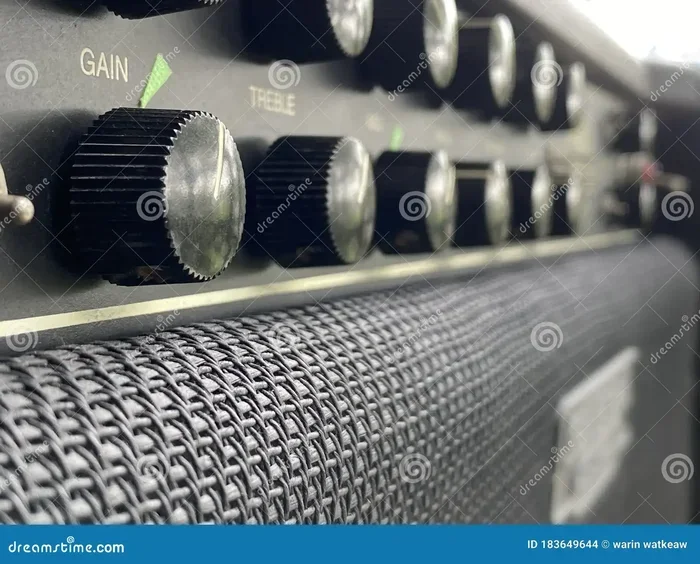
Visual guide about powerful audio amplifier close-up
Image source: thumbs.dreamstime.com
Powering Passive Speakers
Passive speakers do not have their own power source. They rely on an external amplifier to send them enough energy to produce sound. This is one of the most common reasons people start asking do I need an amplifier for my speakers. If your speakers use speaker wire and connect to a receiver or amp, they are likely passive. These speakers often sound better when paired with a unit that matches their power needs.
Built-in Amplification in Active Speakers
Active speakers include amplification inside the speaker enclosure. You can connect them directly to a phone, computer, or audio interface without a separate amp. This makes them popular for desktop listening, gaming, and simple home audio. If you already own powered speakers, you may not need another amplifier at all.
Why Headroom Matters
Headroom is the extra power available beyond the normal listening level. More headroom can help your system stay clean during loud passages. It can also reduce strain when you play bass-heavy music or movies with strong effects. A system with enough headroom often sounds more relaxed and natural.
Passive vs Active Speakers: Which Setup Fits You
Choosing between passive and active speakers is one of the biggest decisions in any audio setup. The difference affects convenience, flexibility, and sound performance. It also shapes the answer to do I need an amplifier for my speakers.
Passive Speaker Advantages
- More flexibility: You can change amplifiers later without replacing your speakers.
- Larger system options: You can build a receiver-based system for music and home theater.
- Often better for larger rooms: Separate amplifiers can provide more power when needed.
Active Speaker Advantages
- Simple setup: You plug them in and connect your source directly.
- Less clutter: Fewer components mean a cleaner desk or shelf.
- Designed to work together: The amplifier and speakers are matched by the manufacturer.
How to Tell Which Type You Have
Check the back of the speaker. If you see only speaker wire terminals, it is likely passive. If you see a power cord and maybe a power switch, it is likely active. The manual can also confirm this quickly. If you are still unsure, searching for your speaker model can clarify whether it needs external power.
When You Really Need an Amplifier
There are clear situations where an amplifier makes a noticeable difference. If your speakers are passive, you need one by definition. But even beyond that, certain listening conditions make extra power more useful.
Large Rooms and Open Spaces
Bigger spaces need more sound pressure to fill the area evenly. A small powered speaker may work well at a desk, but struggle across a large living room. In that case, a stronger amplifier with suitable speakers can improve clarity and volume without pushing the system too hard.
Higher Volume Listening
If you enjoy music at higher levels, an amplifier can help maintain clean sound. Low-powered setups may distort when pushed too far. A better-matched amplifier can give you more room before the sound starts to strain.
Better Control Over Bass and Dynamics
Good amplification can improve how a speaker starts and stops. That means tighter bass and more natural transitions between quiet and loud moments. This is especially noticeable with music that has strong rhythm or deep low end.
Long Listening Sessions
If you listen for hours at a time, a comfortable setup matters. A system with adequate power can stay more stable and less stressed. That can make listening more enjoyable over time.
When You May Not Need One
An amplifier is not always the best next step. Sometimes the simplest setup is the right one. If your current speakers already meet your needs, adding more gear may not improve much.
Small Spaces and Casual Listening
For a bedroom, office, or desk setup, powered speakers often provide plenty of sound. If you listen at moderate levels, you may not need extra amplification. Convenience and space savings can matter more than raw power.
Built-in Systems That Already Work Well
Some all-in-one systems are designed to sound good without extra components. If your speakers are already powered and your source matches them well, you may already have a balanced setup. Before buying anything, it helps to test what you own first.
Budget and Simplicity
Not every upgrade is worth the cost. If your goal is simple background music or casual listening, a basic setup may be enough. The best choice is the one that fits your habits, not the one with the most parts.
How to Know If Your Current Setup Is Holding You Back
Sometimes the question is not just do I need an amplifier for my speakers, but whether your current system is limiting your sound. A few signs can point to a mismatch or a need for more power.
Weak or Uneven Volume
If your speakers never seem loud enough, even with the volume turned up, the system may be underpowered. On the other hand, if the volume control gets too sensitive too quickly, the setup may not be well matched.
Distortion at Higher Levels
Sound that breaks up when the volume rises can mean the amplifier or speaker is being pushed too hard. This is a good time to review your equipment choices. If you want to understand more about distorted sound, you may also find it useful to read about why do my speakers crackle.
Muddy or Flat Sound
A setup that lacks clarity may not be getting enough clean power. It can also mean the speakers are not suited to the room. Either way, the system may benefit from a closer look.
Overheating or Strain
If your equipment sounds tired or seems to struggle during loud scenes, it may be working beyond a comfortable range. That can be a sign to reconsider the amplifier or speaker pairing.
Choosing the Right Amplifier for Your Speakers
If you decide you do need extra power, the next step is choosing wisely. A good amplifier should match your speakers, your room, and your budget. It should also fit the way you listen.
Match Power Ratings Sensibly
Look at the speaker’s recommended power range. An amplifier that falls within that range is usually a safe choice. Too little power can leave you underpowered. Too much power can be fine if used carefully, but it should still suit your listening habits.
Watch Impedance Compatibility
Speakers have an impedance rating, often measured in ohms. The amplifier should be able to handle that load comfortably. Mismatched impedance can reduce performance or cause strain. If you want to learn more about speaker basics, you can also explore why do speakers need magnets.
Consider Your Source and Usage
Think about what you play most often. Music, movies, podcasts, and gaming all place different demands on a system. A versatile amplifier can handle a range of uses, while a simpler setup may be enough for one main purpose.
Size, Heat, and Placement
Amplifiers come in different form factors. Some are compact and cool-running. Others are larger and built for heavier use. Make sure the unit fits your space and ventilation needs.
Wired and Wireless Connections
Think about how you will connect your sources. Some setups benefit from simple wired connections. Others may involve wireless streaming or multiple inputs. If you are using wired speakers with a Bluetooth source, you might also want to look at bluetooth amplifier for wired speakers for a practical bridge between old and new gear.
Quick Tips for Better Sound Without Guessing
- Start with your current gear: Test what you already own before buying more equipment.
- Listen at the volume you actually use: A good setup should sound fine at your normal level.
- Check connections: Loose wires and poor plugs can create weak or crackly sound.
- Place speakers carefully: Room position often changes sound more than people expect.
- Use a short listening trial: Compare a few setups if possible before making a final choice.
Common Mistakes to Avoid
- Buying the most powerful amp available: More power is not always better if it does not match your needs.
- Ignoring speaker type: Passive and active speakers are not interchangeable in the same way.
- Overlooking room size: A small amp may be fine for a desk, but not for a large room.
- Forgetting about source quality: A great amplifier cannot fix a poor audio source.
- Skipping basic maintenance: Dust, loose connections, and poor placement can hurt performance.
Expert Insights
Experienced listeners often say the best system is the one that sounds right at the volume you actually use. That means a modest setup can be a great choice if it fits your space and habits. It also means a stronger amplifier can be worthwhile when you need more clean output or better control.
Another useful idea is to think in terms of balance. Speakers, amplification, source, and room all work together. If one part is far weaker than the others, the whole system may feel limited. Upgrading one piece can help, but the biggest gains often come from improving the weakest link.
If you are building a setup from scratch, simplicity can be a strength. Active speakers reduce extra decisions. Passive systems offer more long-term flexibility. Neither path is wrong. The better choice is the one that matches how you listen today and what you may want later.
Final Thoughts on Do I Need an Amplifier for My Speakers
So, do I need an amplifier for my speakers? If your speakers are passive, the answer is usually yes. If they are active, you may already have everything you need. The real decision comes down to your room, your listening habits, and the sound you want. A well-matched amplifier can improve clarity, volume, and control. But if your current setup already sounds good, you may not need to change anything.
The smartest approach is to listen first, then decide. Check your speaker type. Notice whether your system struggles at higher volumes or sounds weak in a larger room. From there, choose the simplest upgrade that solves the real problem. That way, you spend your money on what actually improves your listening experience.
Frequently Asked Questions
Do I need an amplifier for powered speakers?
Usually no, because powered speakers already include built-in amplification. You can connect them directly to a compatible audio source. An external amplifier is only helpful if you want a different signal path or plan to use passive speakers instead.
How do I know if my speakers are passive or active?
Check the back panel and power needs. Passive speakers typically use speaker wire and do not plug into a wall outlet. Active speakers usually have a power cord and a built-in amplifier. The product manual or model number can confirm this quickly.
Can an amplifier make cheap speakers sound better?
It can help if the speakers are underpowered or poorly matched, but it will not fix every limitation. A better amplifier may improve clarity and control, yet speaker design still matters a lot. The biggest gains come from pairing the right amplifier with the right speakers.
What happens if the amplifier is too weak for my speakers?
The sound may stay quiet, thin, or distorted, especially at higher volumes. The system may also struggle to control bass properly. In that case, a better-matched amplifier can often improve performance and reduce strain.
Is a larger amplifier always better for sound quality?
Not always. A larger amplifier can offer more headroom, but it only helps if your speakers and room actually need that extra power. For smaller setups, a compact amplifier or powered speakers may be the simpler and better choice.
Should I upgrade my speakers or my amplifier first?
It depends on which part is limiting your sound the most. If your speakers are weak or unsuitable for the room, upgrading them may make the biggest difference. If your speakers are capable but underpowered, an amplifier upgrade may be the better first step.